 CryptoChain Blog
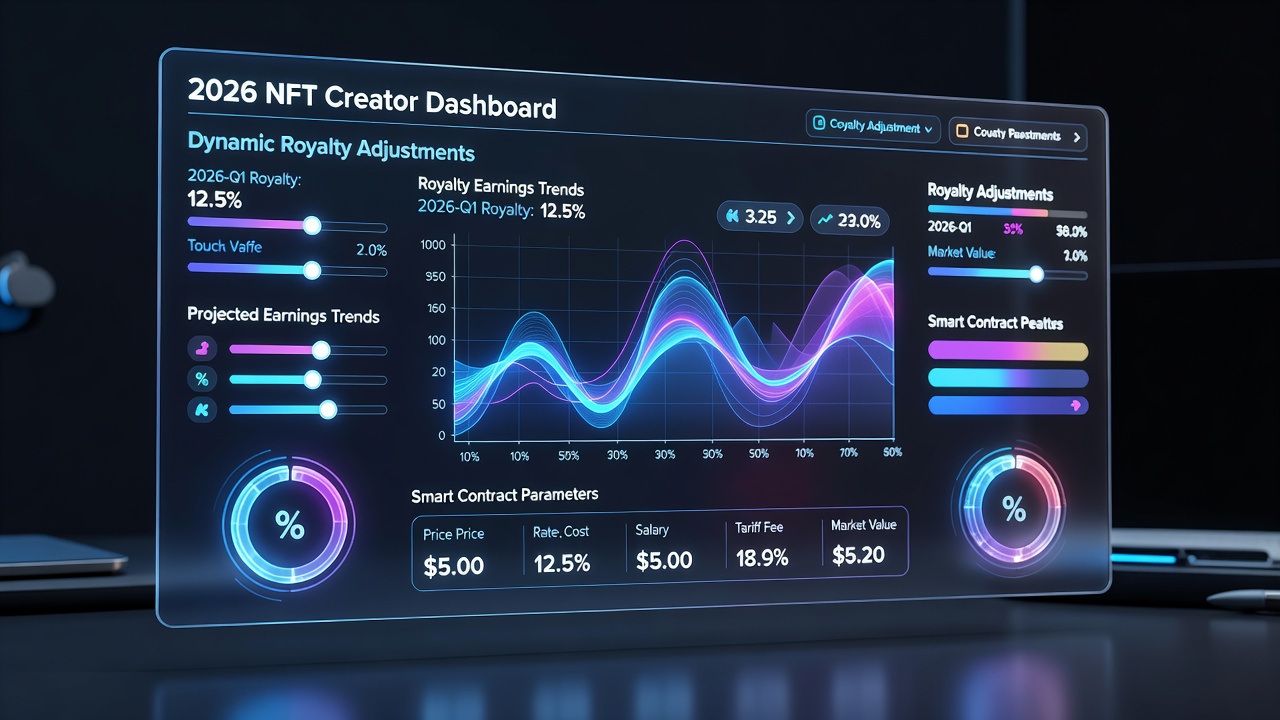
Introduction to Dynamic Royalties in 2026 NFT Markets
As the NFT space evolves rapidly in 2026, creators are increasingly turning to advanced tools that adapt royalty structures based on secondary sales and holder behavior. These dynamic royalty systems represent some of the most important nft updates for the year, helping artists, developers, and collectors maximize earnings across leading nft marketplace platforms. Unlike traditional static royalties that remain fixed regardless of market conditions, dynamic models adjust percentages in real time, rewarding active holders, responding to trading volume, and encouraging long-term engagement. This flexibility is particularly valuable amid fluctuating nft prices and changing collector habits.
This comprehensive guide explores practical implementation strategies for NFT creators seeking better control over revenue streams. We examine protocol comparisons in detail, provide step-by-step setup processes for popular platforms, share real-world project examples, and address common challenges through an extensive FAQ section. Whether you are a new creator or an experienced nft marketplace user, understanding these tools can significantly impact your earnings potential in the current landscape.
Understanding Dynamic Royalty Protocols
Dynamic royalties function through smart contracts that modify fees depending on multiple factors including sale volume, holder engagement metrics, time since mint, or even community participation levels. Major nft marketplace platforms have integrated support for these features via updated creator dashboards and API endpoints. The core idea is to move beyond one-size-fits-all royalty rates toward responsive systems that reflect actual market dynamics and holder loyalty.
Compared to fixed royalty systems, dynamic options offer greater flexibility and alignment of incentives. For example, a protocol might automatically lower royalties during high-volume trading periods to encourage liquidity while increasing them for long-term holders who demonstrate commitment. This approach helps reduce royalty evasion on secondary markets and fosters healthier ecosystems. In 2026, several nft updates have introduced enhanced tracking capabilities that allow creators to monitor these adjustments with greater precision.
Protocol Comparison
Choosing the right protocol requires careful evaluation of features, compatibility, and ease of use. Here is a detailed comparison of leading options available in 2026:
- Protocol A emphasizes activity-based adjustments and supports variable rates up to 15 percent, making it suitable for high-traffic collections where holder engagement directly influences earnings.
- Protocol B focuses on secondary sale triggers and integrates seamlessly with multiple nft marketplace environments, offering strong enforcement mechanisms that prevent bypasses.
- Protocol C provides advanced holder activity tracking and is ideal for community-driven projects that reward participation through tiered royalty structures.
- Protocol D combines elements of the above with cross-chain support, allowing creators to maintain consistent royalty logic across Ethereum, Polygon, and other networks.
Creators should assess compatibility with their preferred chains and review documentation from sources like ethereum.org before finalizing a choice. Each protocol comes with trade-offs in gas costs, customization depth, and enforcement reliability.
Step-by-Step Setup Guides for Popular Platforms
Implementing dynamic royalties begins with connecting a compatible wallet to the chosen nft marketplace. The following detailed steps apply to leading platforms in 2026 and include practical tips for avoiding common pitfalls.
- Access the creator dashboard and locate the royalty configuration panel. Ensure your wallet is connected and that you have the necessary permissions for the collection.
- Select a dynamic protocol from the available options and define trigger conditions such as minimum sale thresholds, holder activity scores, or time-based multipliers.
- Configure percentage ranges and test different scenarios using the platform's built-in simulator to predict revenue outcomes under various market conditions.
- Deploy or update the smart contract with the new parameters. This step may require a small gas fee, so monitor network congestion beforehand.
- Verify the setup on a testnet environment to confirm that royalty adjustments trigger correctly during simulated secondary sales.
- Launch the updated collection and continuously monitor analytics dashboards to refine conditions based on real performance data.
Always consult the latest nft updates published by each platform, as interface changes occur frequently. Integrating with analytics tools can provide deeper insights into how dynamic royalties affect overall collection performance.
Real-World Examples from Top NFT Projects
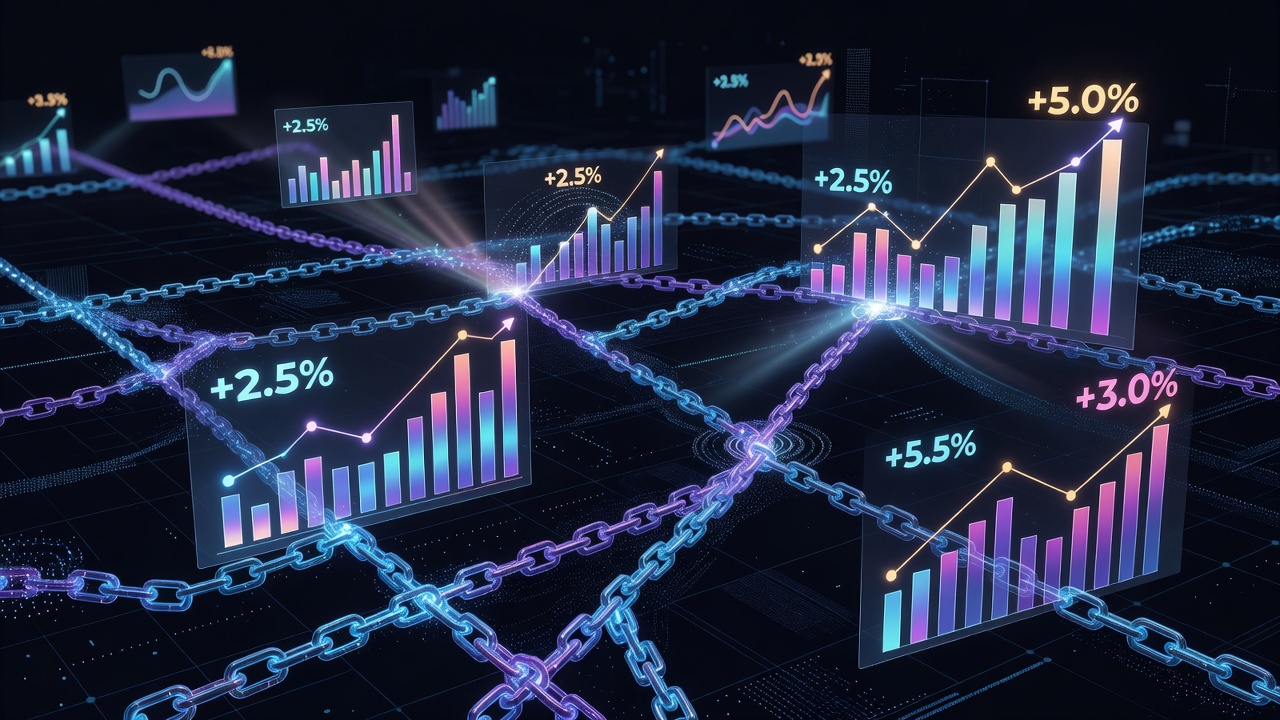
Several prominent NFT collections have successfully adopted dynamic royalties, providing valuable case studies for creators. One well-known project adjusted royalty rates based on holder staking activity, resulting in sustained secondary market volume and increased creator revenue during periods of high engagement. Another collection implemented sale-frequency triggers that rewarded early supporters with higher creator cuts during peak trading windows, leading to stronger community retention.
A third example involves a generative art series that tied royalty percentages to social metrics such as holder participation in governance votes. This approach not only boosted earnings but also strengthened project governance. These cases illustrate how nft updates in royalty mechanics can foster deeper creator-community bonds while maintaining liquidity on the nft marketplace. Analyzing these implementations reveals patterns around timing adjustments and transparency that new creators can replicate.
Best Practices and Mistakes to Avoid
To maximize the benefits of dynamic royalties, follow these best practices: start with conservative adjustment ranges and gradually expand them based on data; communicate changes clearly to your community to maintain trust; and regularly audit smart contract performance for security vulnerabilities. Common mistakes include setting overly aggressive triggers that alienate traders, neglecting cross-platform enforcement, and failing to account for gas cost fluctuations during high network activity.
Common Implementation Challenges and FAQ
How do I handle cross-platform royalty enforcement?
Use standardized protocols that include built-in enforcement layers across multiple nft marketplace sites. Thorough testing on secondary marketplaces helps prevent bypass attempts.
What if holder activity data is delayed or inaccurate?
Implement oracle integrations for real-time updates and configure fallback static rates that activate automatically during data outages or inconsistencies.
Are there significant gas cost implications with dynamic features?
Dynamic functionality introduces minor computational overhead. Optimize contract code using established patterns and consider batching updates to keep transactions efficient and affordable.
Can dynamic royalties be combined with other creator tools?
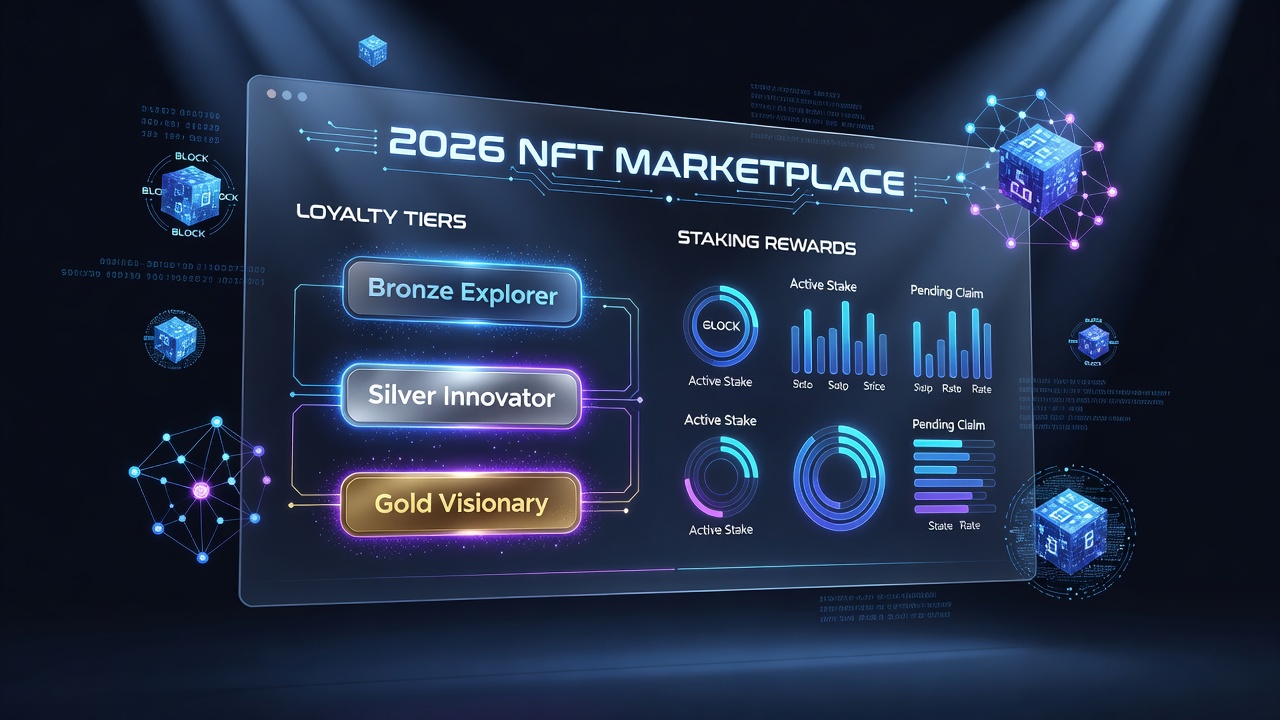
Yes, many platforms allow integration with staking modules, airdrop systems, and loyalty programs to create comprehensive revenue strategies.
Conclusion
Dynamic royalties continue to stand out among the most impactful 2026 nft updates, offering creators powerful mechanisms to optimize earnings in any nft marketplace environment. By mastering protocol comparisons, following detailed setup guides, studying real examples, and addressing implementation challenges, users can build sustainable revenue models. Staying informed about ongoing nft updates ensures you remain competitive as the ecosystem advances.
No comments yet. Be the first!