 CryptoChain Blog

Introduction to Event Ticketing NFTs in 2026
As blockchain technology matures, event ticketing NFTs are emerging as a powerful application within the NFT ecosystem. These digital tickets leverage non-fungible tokens to represent unique access rights to concerts, sports games, festivals, and conferences. In 2026, major marketplaces are integrating ticketing solutions that prioritize security and creator royalties, appealing to users searching for the latest nft news and nft updates. This beginner-focused guide dives deep into practical adoption, explaining how these tokens solve real problems like fraud and scalping while offering new revenue models through royalties.
Traditional ticketing systems have long suffered from counterfeiting, lost tickets, and unfair resale practices. Event ticketing NFTs address these issues by anchoring ownership on public ledgers. Collectors and fans now gain verifiable proof of purchase that cannot be duplicated, along with the ability to resell under controlled conditions that benefit original organizers. The search intent around nft updates highlights a growing demand for actionable steps, platform comparisons, and real examples from live events.
Key Benefits of Event Ticketing NFTs
Event ticketing NFTs deliver multiple advantages that go beyond basic access. The primary benefit is anti-fraud verification powered by immutable blockchain records. Each ticket is minted as a unique token with embedded metadata that includes event details, seat information if applicable, and ownership history. This makes duplication impossible without breaking the chain of custody.
Secondary resale royalties represent another major innovation. Organizers can program smart contracts to automatically receive a percentage on every subsequent sale, creating ongoing revenue even after initial distribution. Additional benefits include seamless wallet-to-wallet transfers, bundled digital collectibles such as exclusive artwork or video highlights, and enhanced fan engagement through post-event airdrops. Collectors appreciate transparent provenance that reduces entry-line disputes and supports secondary market liquidity under fair rules.
- Immutable ownership records prevent counterfeits at the gate
- Programmable royalties ensure creators earn on resales
- Instant transfers reduce administrative overhead for organizers
- Digital perks increase perceived value for buyers
Top Marketplaces Supporting Ticketing NFTs
Several established platforms now host event ticketing NFT collections with specialized tools. OpenSea leads adoption with dedicated sections for music tours and sports leagues, offering easy minting and built-in verification. Other marketplaces built on Ethereum and Polygon networks provide low-friction options tailored for high-volume ticket sales.
These platforms integrate with event organizers' backend systems to validate tickets in real time. Users benefit from search filters that highlight verified ticketing drops, royalty percentages, and transfer restrictions. Emerging options also emphasize mobile-friendly interfaces that simplify claiming entry at venues.
Step-by-Step Guide to Buying and Transferring Tickets
Entering the ticketing NFT space requires following a clear process to avoid common pitfalls. Begin by setting up a compatible wallet such as MetaMask and funding it with the necessary cryptocurrency. Next, browse verified collections on your chosen marketplace and review event details including date, location, and any included perks.
- Connect your wallet and confirm network compatibility before browsing listings.
- Filter for official organizer-verified collections to minimize scam risks.
- Review royalty terms and transferability rules listed in the NFT metadata.
- Complete the purchase transaction and monitor confirmation on the blockchain explorer.
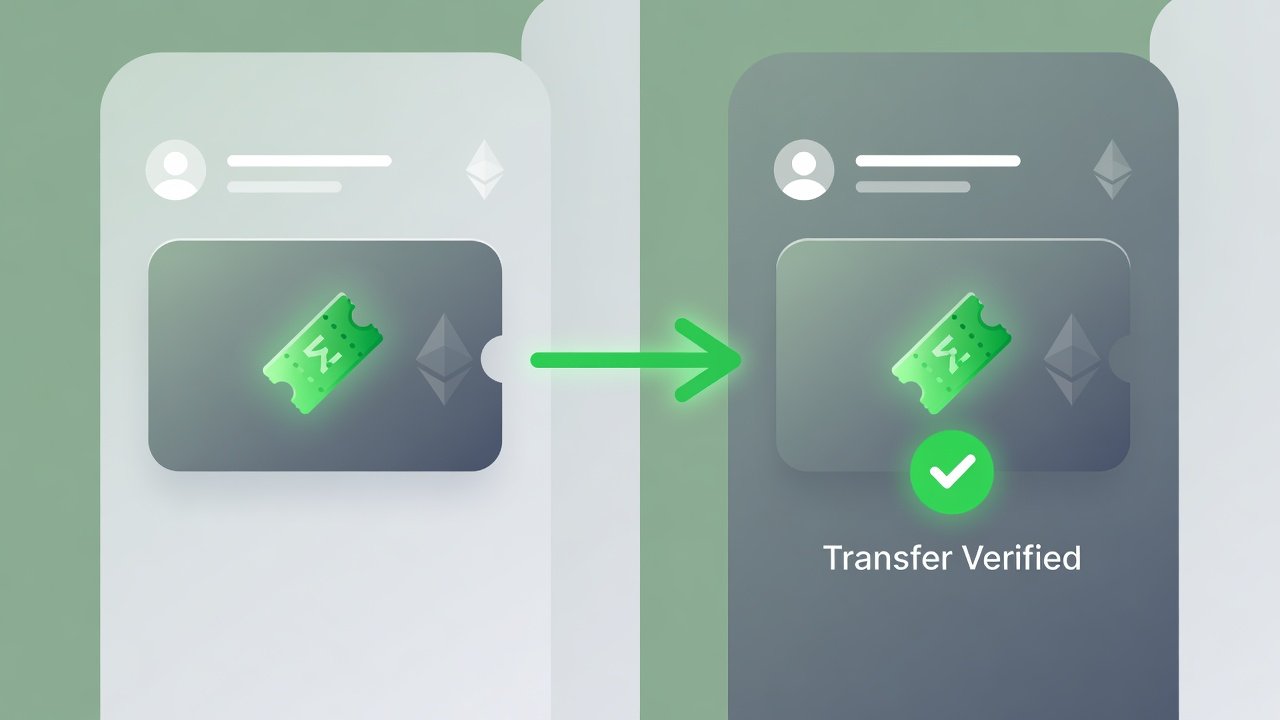
- To transfer, select the send function, input the recipient address carefully, and approve the gas fee.
- Store the NFT in a secure wallet and generate any required QR code for venue entry.
Always test small transfers first when moving high-value tickets and keep backup copies of wallet recovery phrases in offline locations.
Comparing Gas Fees Across Platforms
Gas fees represent a critical consideration when trading event ticketing NFTs. Ethereum mainnet transactions can experience spikes during peak periods, leading to higher costs for minting and transfers. In contrast, layer-2 networks such as Polygon deliver significantly lower fees and faster confirmations, making them ideal for frequent ticket resales.
Collectors should compare networks based on current congestion levels and choose accordingly. Platforms supporting multiple chains allow switching to optimize costs while maintaining security standards. Monitoring tools built into marketplaces help users preview estimated fees before committing to a transaction.
Real-World Examples from Music Festivals and Sports Events
Music festivals have pioneered ticketing NFTs to combat scalping and enhance attendee experiences. Organizers of major summer events mint limited-edition tokens that grant entry plus digital merchandise and priority access to future shows. Fans who resell these NFTs trigger royalties that support artists directly.
Sports leagues apply similar models for season passes and single-game tickets. A prominent soccer tournament recently issued NFTs that included embedded video recaps and voting rights for fan awards. These implementations demonstrate verifiable scarcity, with each token tied to a specific seat or general admission slot, reducing no-show rates and improving crowd management.
Mistakes to Avoid When Entering Ticketing NFTs
New collectors often overlook wallet security or fail to verify collection authenticity. Avoid purchasing from unverified sellers by always checking organizer social channels and marketplace badges. Another common error is ignoring royalty percentages, which can affect long-term resale value. Test transfers on low-value NFTs first to understand network behavior before handling premium tickets.
Practical Tips for Collectors in 2026
Start with smaller events to build familiarity with the process. Enable all available security features in your wallet, including transaction signing confirmations. Join community forums dedicated to NFT ticketing to stay updated on upcoming drops. Consider diversifying across networks to balance cost and speed when acquiring multiple tickets for group events.
FAQ: Common Concerns Addressed
Is NFT transferability reliable across different wallets?
Yes, transfers execute on-chain with full transparency provided the recipient wallet supports the token standard used by the ticket. Always confirm compatibility beforehand.
How secure are NFT wallets for storing event tickets?
Wallets with hardware backup options and strong private key encryption offer reliable protection. Enable multi-factor authentication and never share seed phrases online.
Can tickets be resold freely on secondary markets?
Resale is generally supported, though smart contracts enforce royalty splits that direct a portion back to organizers on each transaction.
What happens if an event is canceled?
Organizers typically issue refund instructions or replacement tokens through the same marketplace channels used for original sales.
Conclusion
Event ticketing NFTs continue to mature as a practical blockchain application in 2026. By combining anti-fraud verification, automated royalties, and user-friendly marketplace tools, these assets are transforming how fans access live experiences. Collectors who follow verified platforms, practice secure wallet habits, and understand fee structures will find this niche both rewarding and reliable for years to come.
No comments yet. Be the first!