 CryptoChain Blog
Introduction to 2026 NFT Marketplace Consolidations
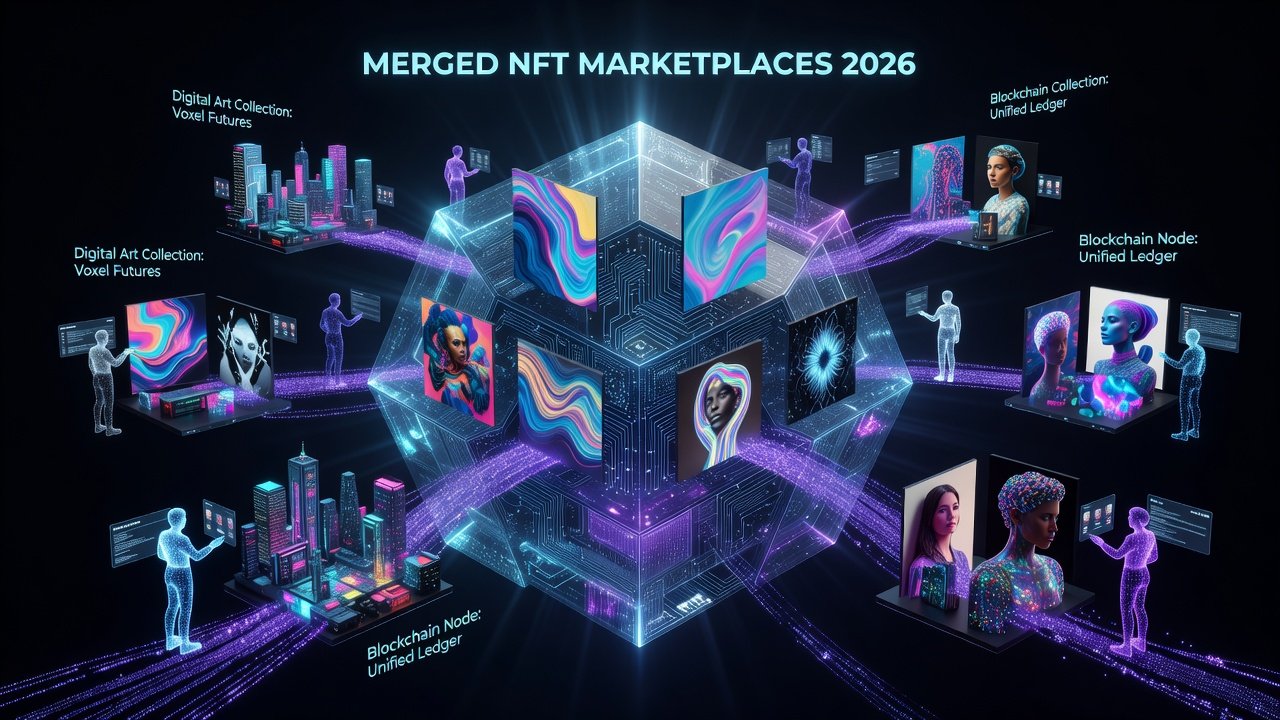
The NFT sector in 2026 is experiencing rapid consolidation as leading platforms merge to address market challenges and deliver superior value to users. These mergers are reshaping how traders and collectors buy, sell, and interact with digital assets by emphasizing streamlined operations, deeper liquidity, and enhanced platform capabilities. This comprehensive guide explores the underlying drivers, real-world examples from recent deals, detailed comparisons of fees and features, and practical adaptation strategies to help users navigate the evolving landscape effectively.
Key Drivers Behind the Surge in Mergers
Several factors are fueling the wave of NFT marketplace mergers in 2026. Primary among them are cost efficiencies achieved through shared infrastructure and technology stacks. Platforms can eliminate redundant development efforts, consolidate server resources, and streamline customer support teams, resulting in lower overhead that benefits both operators and users. Another major driver is the creation of expanded liquidity pools. When two marketplaces combine, their user bases and asset inventories merge, leading to higher trading volumes, tighter bid-ask spreads, and reduced price slippage for large transactions.
Technological advancements also play a role, as merged entities can invest more heavily in cross-chain interoperability and advanced analytics tools. Regulatory pressures in various jurisdictions encourage larger, more compliant organizations capable of implementing robust know-your-customer processes. Additionally, competition from emerging Web3 platforms pushes traditional NFT marketplaces to consolidate for survival and growth. These drivers collectively create stronger, more resilient ecosystems that attract institutional interest and long-term collectors alike.
Major 2026 Mergers and Real-World Examples
Throughout 2026, several high-profile mergers have taken place among NFT marketplaces. One notable example involves the integration of two established platforms specializing in digital art and collectibles, resulting in a unified marketplace with broader asset categories and enhanced discovery algorithms. Another deal combined a gaming-focused NFT exchange with a general-purpose platform, allowing seamless trading of in-game items alongside traditional art NFTs. These mergers demonstrate how consolidation expands market reach while preserving specialized features through dedicated sub-sections on the new platforms.
Users in these cases reported smoother onboarding processes and access to previously siloed communities. Real-world outcomes include faster settlement times and improved royalty enforcement mechanisms that protect creators more effectively than before the mergers.
Before-and-After Comparisons of Trading Fees, Features, and Community Impacts
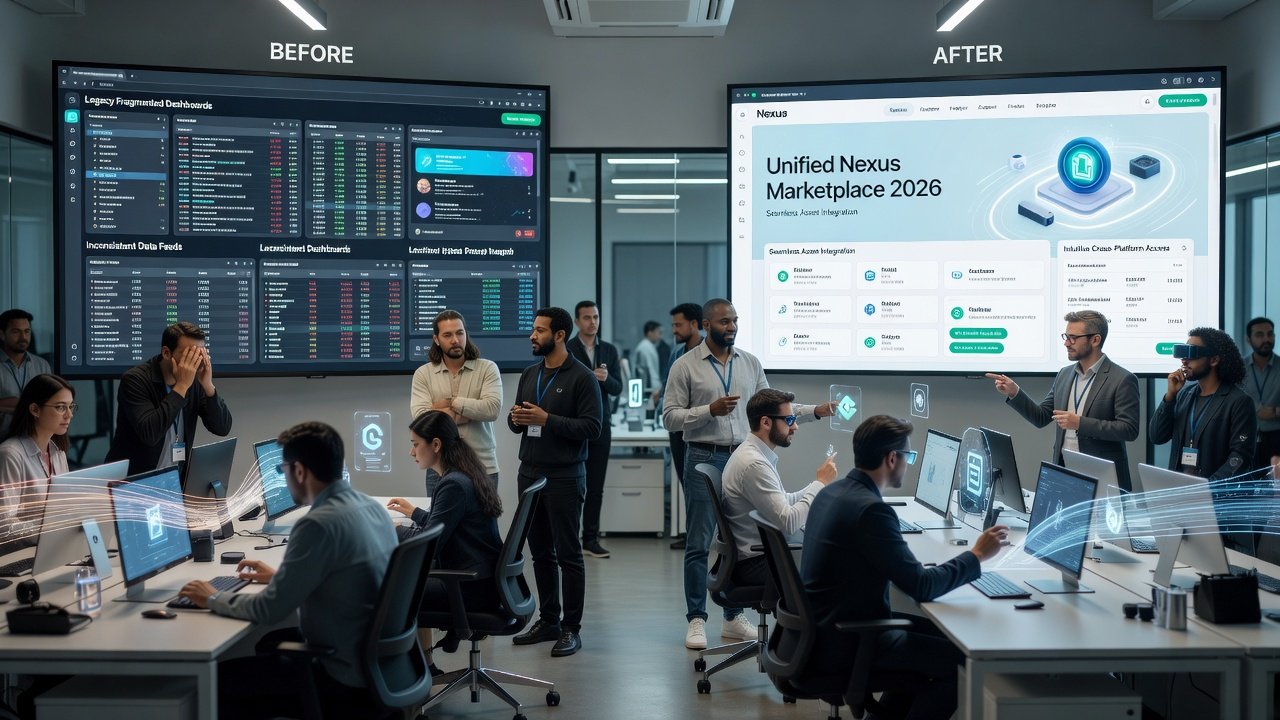
Before mergers, traders often faced fragmented experiences with varying fee schedules across multiple platforms, leading to confusion and higher cumulative costs. Feature sets were limited, with basic search functions and isolated wallet integrations. Communities remained small and siloed, reducing opportunities for collaboration and events.
Post-merger, unified platforms offer consolidated fee structures that are frequently more competitive due to economies of scale. Enhanced features now include AI-powered recommendation engines, real-time market analytics dashboards, and integrated multi-wallet support. Community impacts are significant: larger user bases enable vibrant forums, shared governance voting, and collaborative virtual events that foster stronger engagement. Collectors benefit from centralized asset management, while traders enjoy improved liquidity that supports more sophisticated strategies like arbitrage across previously separate venues.
Practical Step-by-Step Guidance for Users Adapting to New Interfaces
Transitioning to a merged NFT marketplace requires careful planning to avoid disruptions. Here is an expanded step-by-step process:
- Begin by reviewing official migration announcements and timelines posted on the original platforms. Pay close attention to supported asset types and any deadlines for data transfers.
- Update and verify your digital wallet connections to ensure compatibility with the new unified authentication system. Test small transactions first to confirm seamless integration with providers like MetaMask or WalletConnect.
- Familiarize yourself with the new interface by utilizing built-in tutorials, interactive demos, and help documentation. Focus on locating key sections such as portfolio views, trading interfaces, and community hubs.
- Execute asset migrations in phases, starting with low-value NFTs to validate the process. Monitor transaction confirmations and verify metadata integrity after each transfer.
- Engage actively with the expanded community through integrated forums and Discord channels to exchange tips and report any interface issues.
- Customize your account settings for notifications, privacy preferences, and royalty configurations to align with the merged platform's tools.
- Finally, explore advanced features like cross-chain bridging and analytics reports to maximize the benefits of the consolidation.
Following these steps helps users minimize downtime and capitalize on the improved liquidity and feature sets available after mergers.
Security Considerations and Best Practices During Transitions
Security remains paramount during platform consolidations. Users should enable two-factor authentication immediately on new accounts and review updated privacy policies. Avoid sharing seed phrases or private keys, and use hardware wallets for high-value assets. Merged platforms typically implement enhanced security audits, but individuals must remain vigilant against phishing attempts that exploit transition confusion.
Community Impacts and Long-Term Outlook
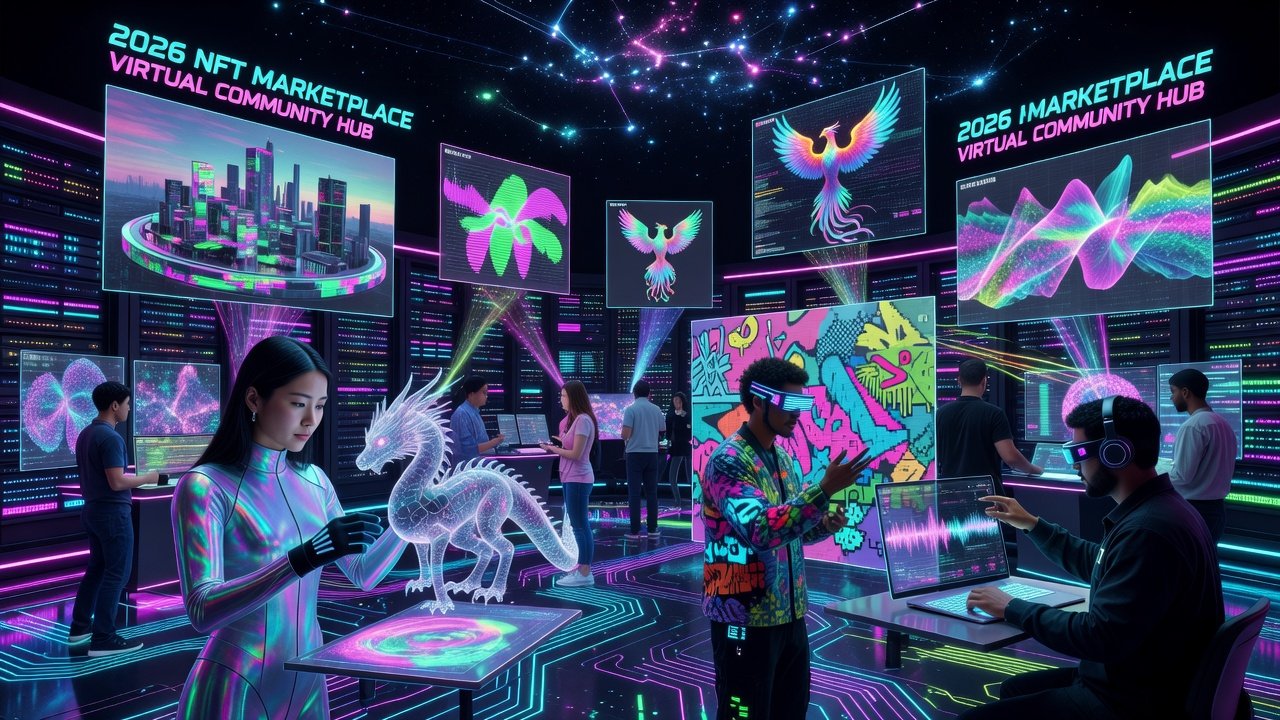
Mergers often consolidate fragmented communities into larger, more dynamic groups, enabling richer discussions and collaborative projects. While some users experience temporary adjustment challenges, the long-term outlook points to greater market stability, increased innovation in NFT utilities, and broader mainstream adoption. These shifts position the industry for sustained growth beyond 2026.
Frequently Asked Questions
How do asset migrations work after mergers?
Most platforms provide automated migration tools or guided wizards that preserve NFT ownership, metadata, and provenance records during the transfer process.
What changes occur to customer support?
Support teams typically expand with the merger, offering 24/7 multi-channel assistance including in-app messaging, email ticketing, and comprehensive knowledge bases.
Are there risks to liquidity during transitions?
Short-term fluctuations can occur, but pooled resources generally lead to deeper liquidity pools and more stable pricing over time.
How are creator royalties handled post-merger?
Royalty structures are often standardized and enforced more rigorously through smart contract updates on the unified platform.
Will my existing NFTs remain accessible?
Yes, assets are migrated securely, and users retain full ownership and access through the new interface.
Conclusion
The 2026 surge in NFT marketplace mergers is transforming user experiences through greater efficiencies, liquidity, and innovation. By understanding the drivers, reviewing comparisons, and following detailed adaptation steps, traders and collectors can position themselves for success in this consolidated environment. For foundational blockchain knowledge, explore authoritative resources at ethereum.org and coindesk.com. Additional insights on digital asset trends are available via decrypt.co.
No comments yet. Be the first!