 CryptoChain Blog
Introduction to NFT Staking in 2026
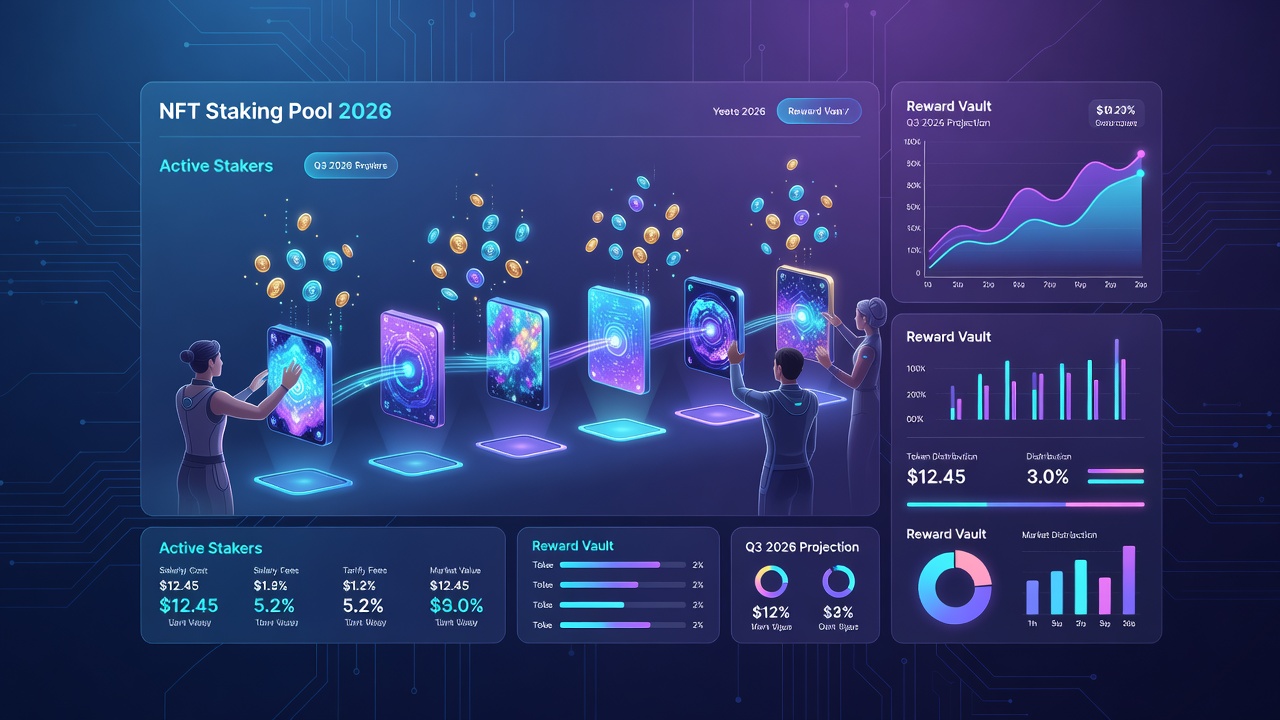
As nft news continues to evolve rapidly, 2026 brings significant protocol upgrades that enhance staking opportunities for users across leading nft marketplace platforms. Staking nfts allows holders to lock assets into smart contracts to earn passive rewards while retaining ownership. This beginner-to-intermediate guide examines how these strategies work in practice, covering yield enhancement, fee reductions, and governance participation with real-world examples from updated 2026 systems. The year has seen major improvements in cross-chain compatibility and automated reward distribution, making staking more efficient and secure for both new and experienced participants in the nft ecosystem.
Recent nft updates emphasize interoperability and security improvements, making staking more accessible than ever. Whether you're new to nfts or refining your approach, understanding these mechanics can optimize your portfolio performance. Market participants are increasingly turning to staking as a core strategy rather than simply holding or flipping assets, especially as protocols introduce layered incentives that reward long-term commitment.
2026 Protocol Upgrades Driving Staking Innovation
Key 2026 upgrades include enhanced smart contract standards that support dynamic reward rates based on network activity and user engagement levels. These changes allow marketplaces to adjust yields in real time without requiring users to migrate assets. Another notable development is the integration of zero-knowledge proofs for verifying stake ownership privately, reducing on-chain congestion while maintaining transparency. Users can now participate in governance votes directly from staking dashboards, streamlining decision-making processes that affect fee structures and reward pools across the entire nft marketplace landscape.
How NFT Staking Boosts Yields and Reduces Fees
Staking nfts generates additional income through reward tokens distributed by marketplace protocols. In 2026, many platforms integrate liquid staking derivatives, enabling users to stake while maintaining liquidity for trading. This dual benefit helps reduce effective trading fees by unlocking tiered discounts for stakers who maintain minimum lock periods. For instance, dedicated stakers often see priority access to exclusive drops and reduced platform commissions on secondary sales.
Governance rights often accompany staking, letting users vote on protocol changes and treasury allocations. These features stem from 2026 upgrades that prioritize user-centric tokenomics. By participating actively, stakers influence everything from new feature rollouts to partnership decisions, creating a more democratic environment within major nft marketplace communities.
Step-by-Step Staking Workflows on Major Platforms
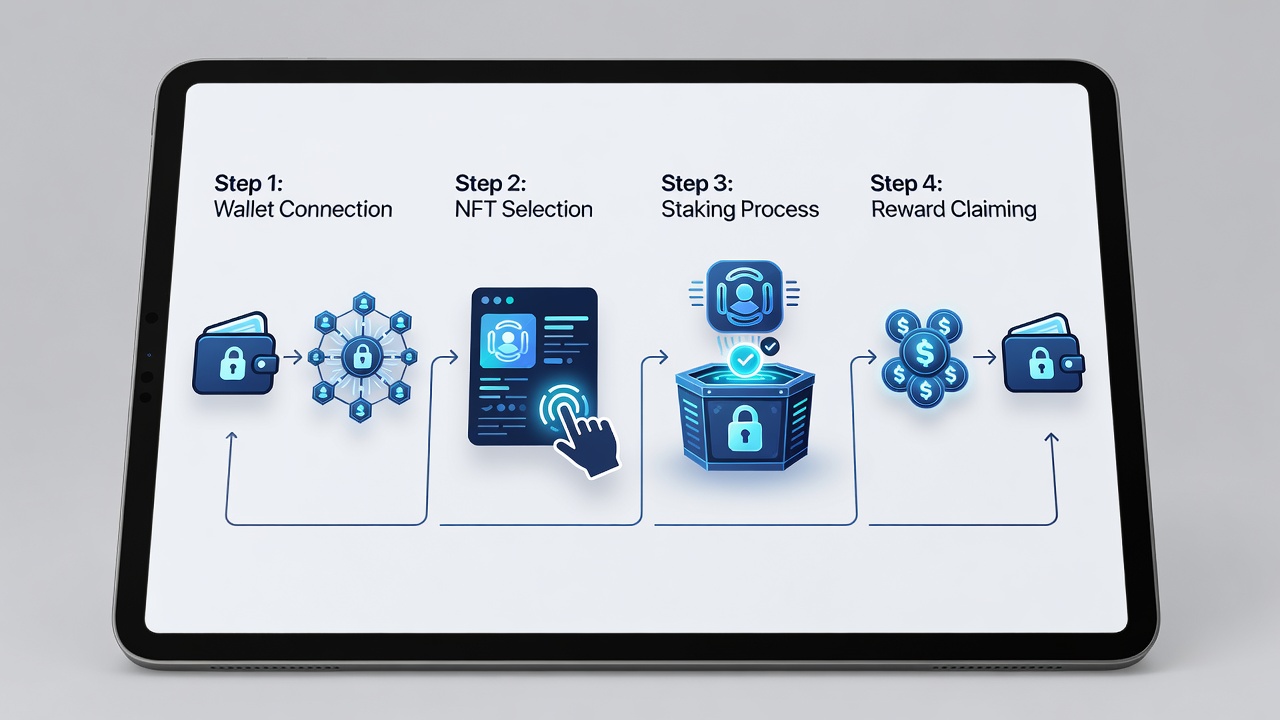
Follow these detailed workflows for popular nft marketplace environments updated in 2026:
- Connect your wallet to the chosen nft marketplace dashboard and ensure it supports the latest wallet standards for seamless interaction.
- Select eligible nfts from your collection that support staking pools, paying attention to collection-specific multipliers that can increase base rewards.
- Approve the staking contract and choose lock-up periods for optimal rewards, considering both short-term flexibility and long-term compounding opportunities.
- Confirm the transaction and monitor yields via the platform's analytics panel, which now includes predictive modeling for future earnings based on historical data.
- Claim rewards periodically or reinvest them to compound returns, taking advantage of automated reinvestment toggles introduced in recent updates.
Always verify smart contract addresses before proceeding to avoid phishing risks. Many platforms now offer in-app verification tools that cross-check addresses against official registries.
Risk Factors Including Smart Contract Vulnerabilities
While staking offers compelling advantages, users must account for smart-contract vulnerabilities that could lead to fund losses. 2026 nft updates include enhanced audits, yet no system is immune to exploits. Other risks involve impermanent loss in liquidity pools and market volatility affecting reward token values. Additional concerns include regulatory shifts that might impact reward taxation and platform-specific issues such as oracle failures that misreport asset values.
Diversify across platforms and use hardware wallets for added security. Review recent audit reports from reputable firms before committing large positions. Consider using insurance protocols that have become more common in 2026 to cover potential staking-related losses.
Comparison of Top NFT Marketplaces for Staking
Selecting the right platform requires understanding nuanced differences in reward mechanisms and user experience. The following table summarizes key attributes based on 2026 data:
| Marketplace | Staking APY Range | Fee Reduction | Governance Access | Key 2026 Upgrade |
|---|---|---|---|---|
| Platform A | 8-22% | Up to 25% | Full voting rights | Cross-chain staking support |
| Platform B | 5-18% | Up to 30% | Proposal submission | Liquid staking tokens |
| Platform C | 10-25% | Up to 20% | Delegated voting | AI-driven yield optimization |
Beyond the numbers, Platform A excels in ease of use for beginners, while Platform B offers superior liquidity options for active traders. Platform C stands out for advanced users seeking algorithmic assistance in maximizing returns through automated adjustments.
Practical Tips for Choosing Liquid Staking Pools
When selecting liquid staking pools, prioritize those with high total value locked and transparent reward mechanisms. Check for multi-signature wallet controls and regular security updates. Start with smaller test stakes to evaluate platform responsiveness. Compare pool durations against your investment horizon to balance liquidity needs with yield potential. Avoid pools promising unrealistic returns without clear revenue sources. Additionally, examine community sentiment on official forums and monitor on-chain metrics such as withdrawal queues to gauge pool health over time.
Common Mistakes to Avoid When Staking NFTs
- Ignoring lock-up terms and facing unexpected liquidity constraints during market dips.
- Failing to diversify across multiple pools, exposing portfolios to single-platform risks.
- Overlooking gas fee fluctuations that can erode small-stake profitability.
- Neglecting to review smart contract permissions after initial approval, leaving assets vulnerable.
Short FAQ on NFT Staking Queries
What are the minimum requirements to start staking nfts?
Most platforms require only a compatible wallet and at least one eligible nft. No minimum stake amount applies in many 2026 implementations, though some premium pools have soft thresholds for enhanced benefits.
How long should I lock my nfts for staking?
Flexible options range from 7 days to 12 months. Longer locks typically yield higher rewards but reduce liquidity, so align choices with your trading strategy.
Can I unstake nfts early without penalties?
Some pools allow early withdrawal with reduced rewards, while others enforce full lock periods. Review terms per marketplace to understand exact conditions.
Are there tax implications for staking rewards in 2026?
Yes, rewards are generally considered taxable events in many jurisdictions. Consult local regulations and consider tools that track staking income automatically.
Conclusion
Mastering nft staking strategies in 2026 positions users for better returns and influence within the nft ecosystem. By combining yield optimization with risk management, participants can navigate nft marketplace dynamics effectively. Stay informed through ongoing nft updates to adapt to new protocol features as they emerge. For authoritative blockchain foundations, explore ethereum.org and opensea.io.


No comments yet. Be the first!