 CryptoChain Blog
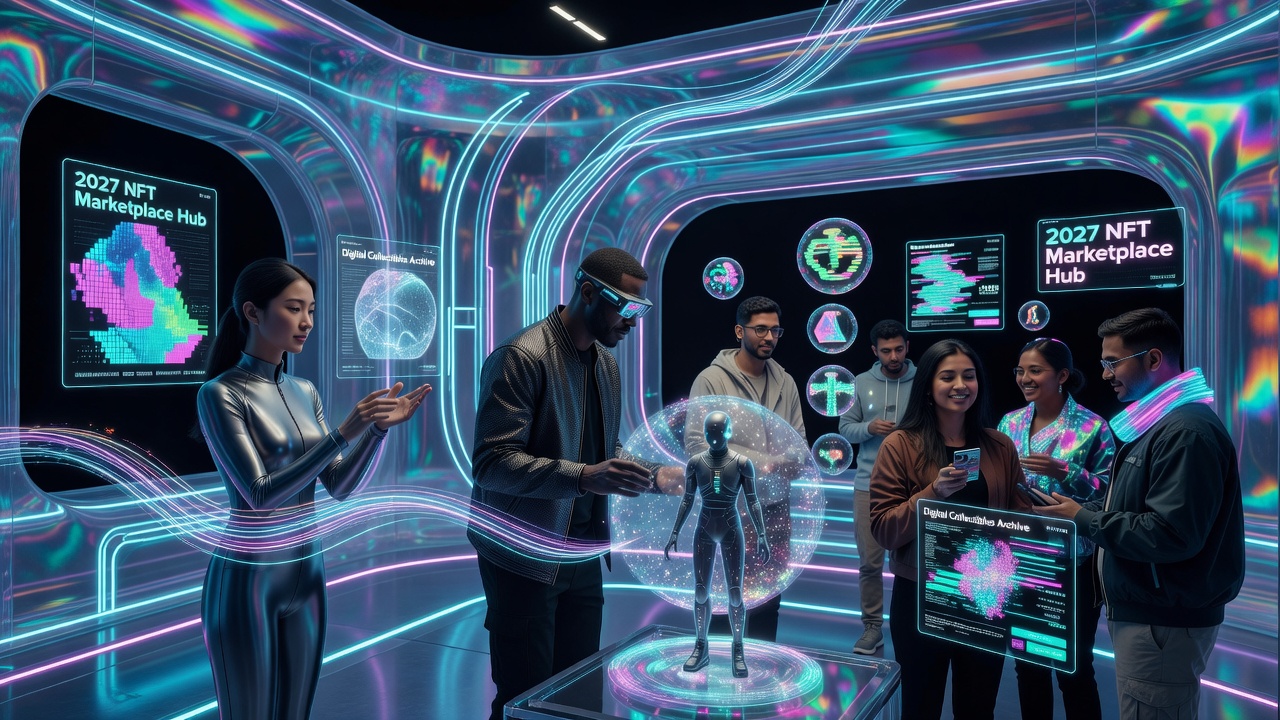
Introduction to 2027 NFT Marketplace Shifts
The NFT ecosystem continues to evolve rapidly, shaped by changing user behaviors and deeper tech integrations. As we approach 2027, marketplaces are moving beyond simple trading platforms toward sophisticated ecosystems that prioritize seamless experiences, creator empowerment, and efficient capital flows. This forward-looking analysis examines key drivers such as adoption patterns and emerging standards, drawing on examples from established platforms to provide actionable insights for collectors, traders, and creators alike. Market participants are increasingly focused on cross-chain functionality and enhanced tools that support sustainable growth in the creator economy. Understanding these developments helps both newcomers and experienced users navigate the landscape effectively while minimizing exposure to volatility.
Recent trends show accelerated interest in utility-driven NFTs rather than purely speculative assets. Platforms must adapt to demands for better discoverability, reduced gas fees, and integrated social features. Projections based on current growth trajectories indicate that total NFT trading volume could see substantial increases driven by mainstream adoption in gaming, digital art, and virtual real estate sectors.
Interoperability Expansions Across Chains
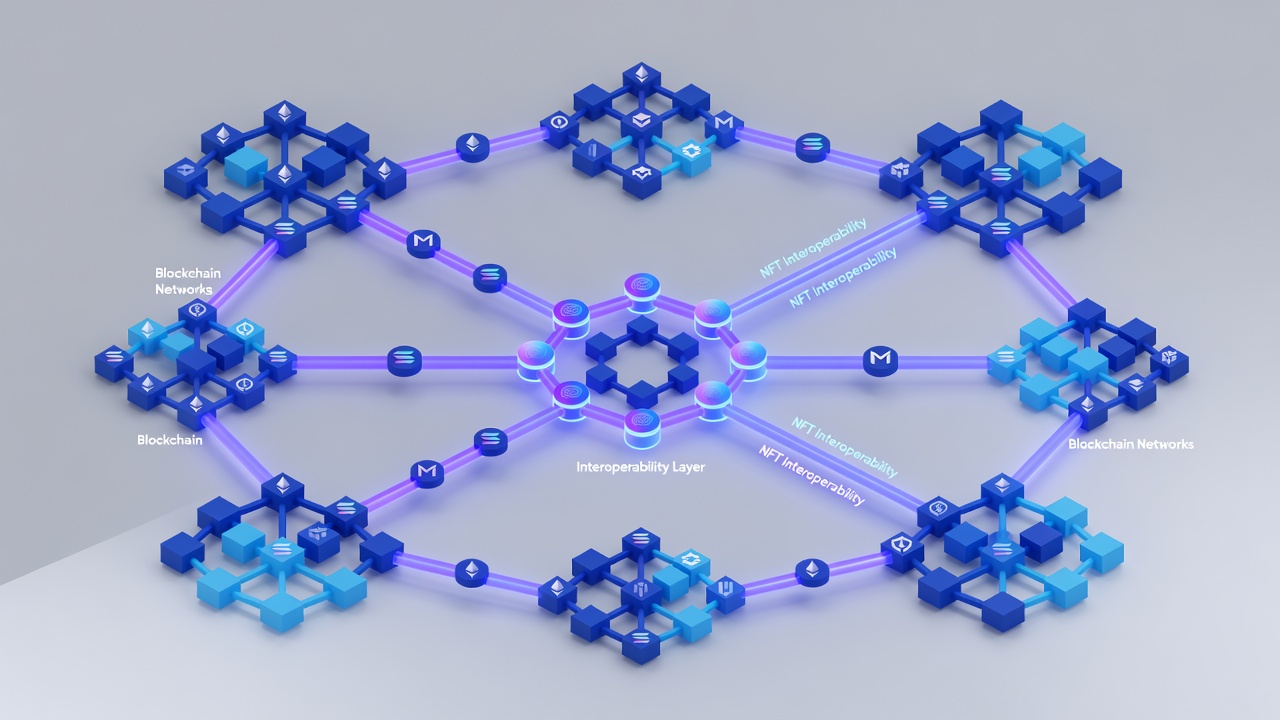
Interoperability remains a central theme for 2027. Platforms are expanding support for multiple blockchains to reduce fragmentation and enable true asset portability. Leading marketplaces are integrating with protocols that allow NFTs to move fluidly between ecosystems without losing provenance or utility. This includes deeper connections between Ethereum, Solana, Polygon, and emerging Layer-2 solutions that prioritize speed and low costs.
Real-world examples include expansions seen on OpenSea and similar venues that now emphasize multi-chain compatibility. This shift addresses user demands for broader access and reduced transaction friction. Projections based on recent adoption curves suggest that by mid-2027, over 60% of major marketplaces will offer native cross-chain bridging features. Developers are also refining standards like updated token protocols to ensure compatibility across wallets and applications.
Ethereum Foundation resources highlight ongoing standards work that underpins these advancements, ensuring secure and verifiable transfers. Users can expect smoother experiences when moving assets from one chain to another, with automated verification reducing the risk of errors or loss.
Emerging User Behaviors and Adoption Patterns
User behavior is shifting toward community-driven curation and long-term holding strategies. Collectors are prioritizing NFTs with real utility, such as access to exclusive events or revenue-sharing models. Data-backed projections point to increased participation from institutional players and brands entering the space through tokenized loyalty programs.
Adoption patterns reveal higher engagement on mobile-first platforms and social integrations that allow sharing of collections directly within messaging apps. These changes encourage marketplaces to incorporate analytics dashboards that help users track performance metrics across their portfolios. By analyzing these patterns, platforms can tailor recommendations and improve retention rates significantly.
Creator Economy Tools and New Standards
Creator-focused features are maturing quickly. Marketplaces are rolling out advanced royalty enforcement, dynamic metadata updates, and AI-assisted minting tools that simplify production while maintaining artistic control. These enhancements respond directly to creator feedback on monetization and audience engagement. For instance, tools now allow creators to update NFT traits post-mint or embed interactive elements that evolve based on community votes.
Examples from platforms like Blur demonstrate how automated licensing and fractional ownership options are gaining traction. By 2027, expect widespread adoption of standardized creator contracts that automatically handle revenue splits across collaborators. This fosters longer-term participation rather than one-off drops. Additional features include built-in marketing suites that connect creators with influencers and analytics for audience demographics.
Mozilla Developer Network documentation on web standards provides foundational knowledge that supports the technical implementation of these creator tools across browsers and devices.
Liquidity Mechanisms and Market Efficiency
Liquidity solutions are transforming how NFTs are bought and sold. Innovations such as instant settlement pools, decentralized lending against NFT collateral, and real-time pricing oracles are reducing volatility and improving accessibility. These mechanisms draw from DeFi principles but are tailored specifically for unique digital assets, enabling fractional trading and collateralized borrowing without selling the underlying NFT.
Practical illustrations include integration with established liquidity providers that allow traders to exit positions rapidly. Data projections indicate steady growth in locked liquidity as user confidence builds through transparent on-chain metrics. Marketplaces are also experimenting with hybrid models that combine order books with automated market makers for better price discovery.
Competitive Dynamics Among Leading Platforms
The competitive landscape in 2027 will feature intensified rivalry as platforms differentiate through unique value propositions. Some will focus on niche verticals like music NFTs or virtual fashion, while others emphasize broad accessibility. Regulatory compliance features and enhanced security protocols will become key differentiators in attracting cautious institutional capital.
Comparison Table of Potential Marketplace Leaders
| Marketplace | Key Strength | Projected 2027 Focus | Example Advantage |
|---|---|---|---|
| OpenSea | Broad asset support | Interoperability layers | Multi-chain trading volume |
| Blur | Trader incentives | Liquidity aggregation | Low-fee execution |
| Foundation | Creator curation | Dynamic royalties | High-value art sales |
| Rarible | Community governance | DAO-driven tools | User-led feature voting |
Practical Steps for Collectors and Traders
To prepare effectively for 2027 developments, follow these detailed steps:
- Research multi-chain wallet solutions that support emerging standards and test transfers between networks to ensure reliability before committing larger holdings.
- Monitor platform roadmaps for new liquidity features and test them on smaller positions, reviewing on-chain data for transparency indicators.
- Build relationships with creators through community channels to access early tool releases and participate in beta programs for new marketplace features.
- Diversify across interoperable assets rather than concentrating on single ecosystems, balancing high-utility items with speculative opportunities.
- Stay informed via official documentation from core blockchain projects to anticipate standard updates and integrate them into personal strategies promptly.
- Utilize portfolio tracking tools that aggregate data across marketplaces to identify trends and optimize exit timing based on liquidity signals.
These actions reduce exposure to sudden shifts and position users to capitalize on improved market efficiency while building resilient strategies over time.
Frequently Asked Questions
When should I time NFT investments for 2027 trends?
Focus on gradual accumulation aligned with verifiable platform updates rather than attempting to predict exact peaks. Monitor interoperability announcements for optimal entry points and review historical adoption data for context.
How can I mitigate risks in evolving marketplaces?
Use hardware wallets, verify smart contract audits, and avoid over-leveraging. Diversification across multiple marketplaces and asset types remains the most reliable strategy, supplemented by regular security reviews.
What role will regulations play in 2027 NFT trading?
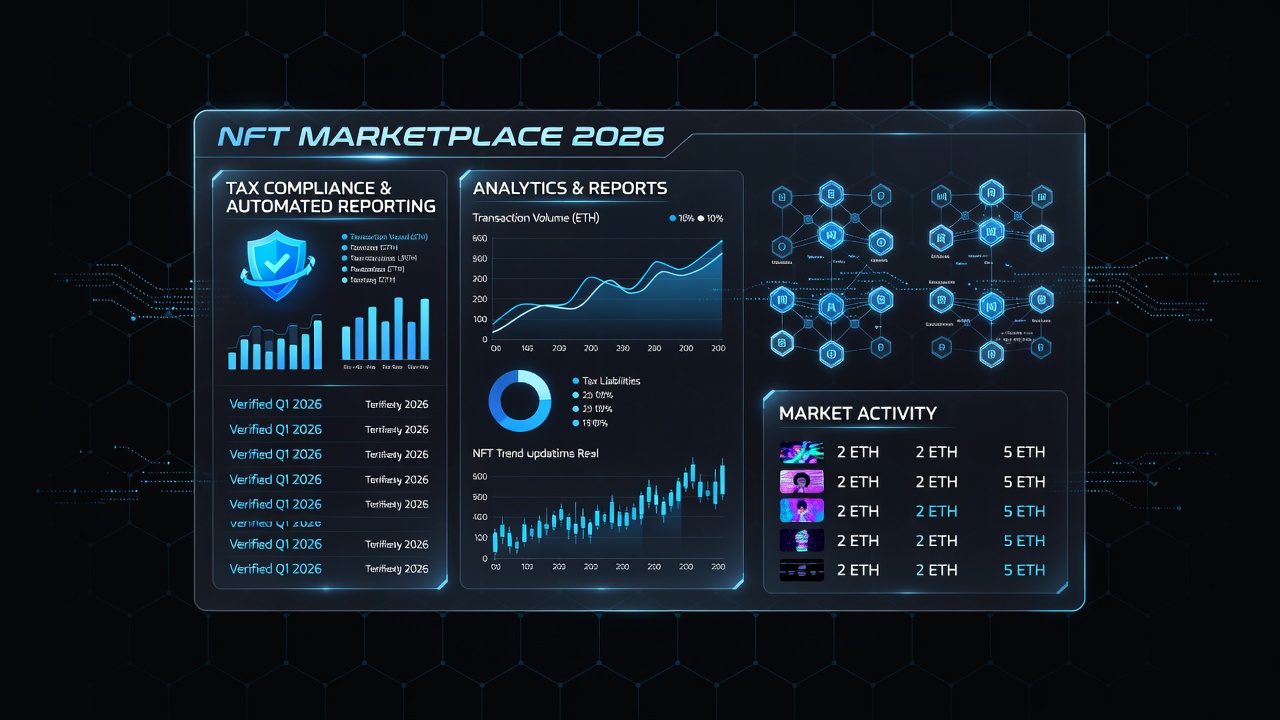
Expect increased clarity around taxation and consumer protections, prompting platforms to implement compliance tools that protect users while enabling broader participation from traditional finance entities.
Conclusion
The 2027 NFT marketplace landscape promises greater connectivity, creator empowerment, and liquidity. By understanding these shifts and taking deliberate preparatory steps, participants can engage confidently with the next wave of innovation. Continued observation of leading platforms and standards bodies will provide the clearest guidance as developments unfold, fostering a more mature and accessible ecosystem for all involved.
No comments yet. Be the first!