 CryptoChain Blog
Introduction to 2026 NFT Updates and DeFi Integration
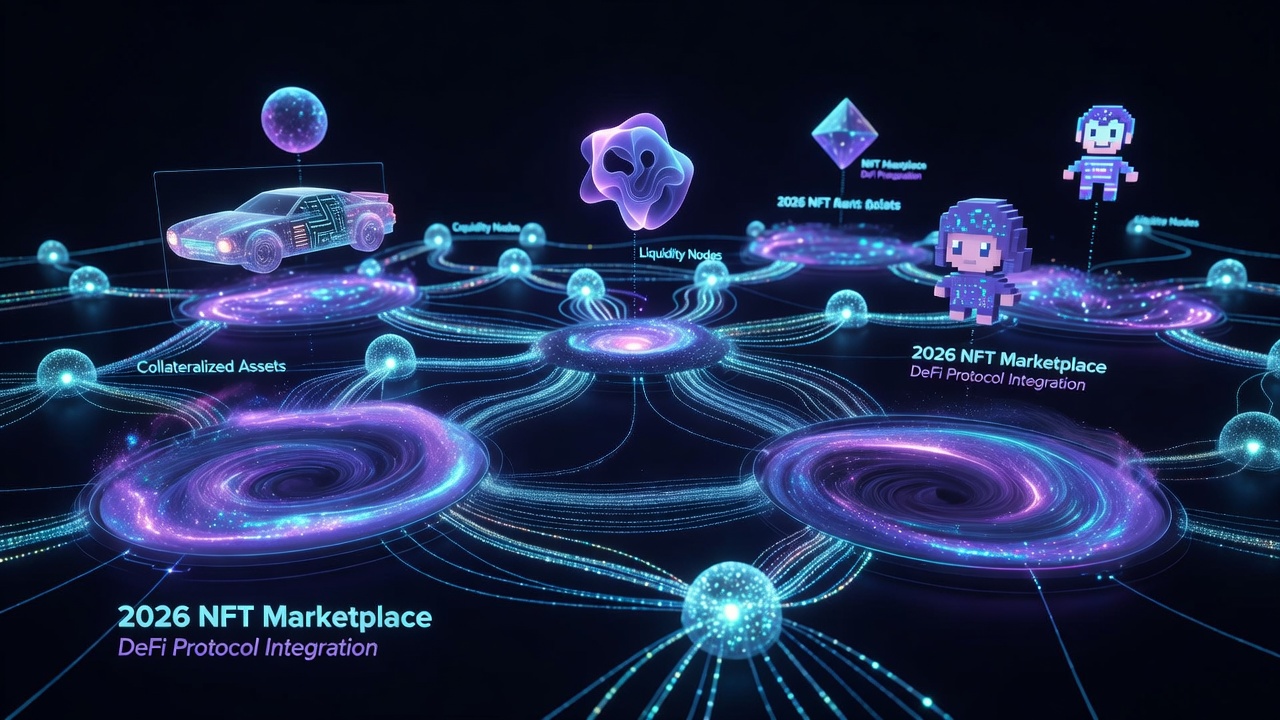
As the nft landscape evolves rapidly in 2026, nft news highlights how DeFi protocols are merging with NFT marketplaces to unlock enhanced liquidity options and yield opportunities. This integration transforms nfts from static collectibles into dynamic financial instruments. Users searching for advanced nft updates now benefit from strategies that go far beyond basic buying and selling, incorporating lending, borrowing, and automated trading mechanisms powered by smart contracts.
The convergence of DeFi and nfts leverages blockchain composability, allowing seamless interactions between lending pools and marketplace infrastructure. Traders and collectors can generate passive income while maintaining ownership of their digital assets. This article delves into the technical and practical aspects of these developments, offering concrete examples and step-by-step guidance tailored for experienced participants in the nft space.
Lending Protocols for NFTs in 2026
Lending protocols enable NFT holders to borrow against their assets without liquidation of ownership. In 2026, these protocols integrate deeply with DeFi ecosystems, using sophisticated valuation oracles to assess nft worth in real time. Over-collateralized loans have become standard, with nfts serving as primary collateral in decentralized pools.
Platforms now support fractional ownership of high-value nfts, allowing smaller investors to participate in lending markets. Yield opportunities arise through interest accrual on borrowed stablecoins or participation in governance tokens. For instance, protocols emphasize automated liquidation triggers to protect lenders during market downturns, creating a balanced ecosystem where both borrowers and lenders benefit from nft news trends.
Key advantages include capital efficiency and diversified revenue streams. Users can stake lent assets further into DeFi strategies, compounding returns while their nfts remain secure in escrow mechanisms.
Flash Loan Applications in NFT Trading
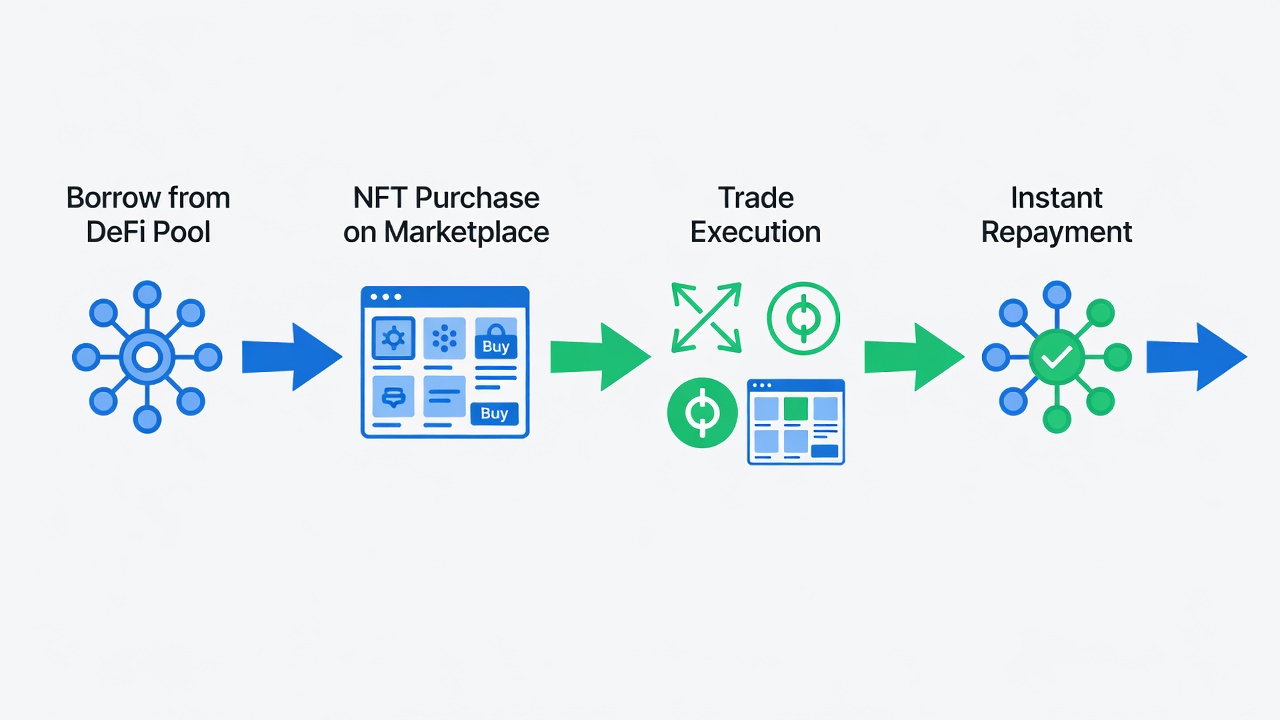
Flash loans facilitate uncollateralized borrowing that must be repaid within the same blockchain transaction. In nft marketplaces, these tools power arbitrage, instant acquisitions, and complex trading sequences that exploit temporary price discrepancies. Traders execute multi-step operations such as borrowing funds, purchasing undervalued nfts, listing them at higher prices, and repaying the loan with profits—all atomically.
Successful implementation requires deep smart contract knowledge and compatibility with both DeFi lending pools and nft platforms. Developers create custom contracts that handle the entire sequence without external capital. This approach has gained traction in 2026 nft updates, particularly during high-volatility periods when nft news reports rapid price swings.
However, flash loan strategies carry execution risks, including failed transactions due to gas limits or oracle delays. Advanced users combine them with protective mechanisms like slippage controls to safeguard against losses.
Risk Management Comparisons Between Platforms
Effective risk management requires comparing key metrics across platforms, such as liquidation thresholds, oracle accuracy, and audit histories. Conservative platforms maintain higher collateral ratios to reduce liquidation events, while aggressive ones offer greater leverage at the cost of increased exposure.
- Platform A relies on multi-source oracle verification to ensure accurate nft valuations and minimize manipulation risks.
- Platform B incorporates built-in insurance modules that cover potential losses from smart contract vulnerabilities or flash loan attacks.
- Platform C emphasizes community governance, allowing token holders to vote on dynamic risk parameters based on current market conditions.
- Platform D integrates real-time monitoring dashboards that alert users to impending liquidations well in advance.
Traders are advised to diversify across multiple protocols and review on-chain data regularly. Historical performance analysis reveals that platforms with robust audit trails experience fewer exploits, making them preferable for long-term nft strategies.
Real-World Examples from Leading Marketplaces
Leading marketplaces demonstrate successful DeFi integration through partnerships and native features. OpenSea has expanded lending capabilities via collaborations with established DeFi protocols, enabling seamless nft collateralization. Blur incorporates flash loan functionalities directly into its trading interface, allowing competitive sniping of rare nfts during auctions.
Ethereum-based platforms continue to dominate due to their mature infrastructure, as detailed on Ethereum's official resources. Additional examples include integrations with oracle networks that provide reliable pricing data, supporting stable lending markets. These real-world cases illustrate how 2026 nft updates are reshaping marketplace dynamics for both retail and institutional participants.
Step-by-Step Integration Guides
Integrating DeFi strategies begins with wallet setup. Connect a hardware or software wallet supporting both nft standards and DeFi protocols to the chosen marketplace. Approve necessary smart contract permissions for asset interactions, ensuring minimal approvals to reduce security exposure.
For lending: Deposit eligible nfts into the protocol's vault, select desired loan terms, and borrow stablecoins against the collateral. Monitor positions through dashboard interfaces and adjust collateral ratios proactively. Repay loans using generated yields or external funds to reclaim full nft ownership.
For flash loans: Develop and deploy a custom smart contract that initiates the borrow, executes nft trades or swaps on the marketplace, and repays the loan plus fees within one transaction. Test extensively on testnets before mainnet deployment. Always account for network congestion and verify contract logic with independent audits.
Mistakes to Avoid in DeFi NFT Strategies
Common pitfalls include underestimating liquidation timelines during sudden market drops and neglecting oracle dependency risks. Users should avoid over-leveraging positions and always maintain buffer collateral above minimum requirements. Another frequent error is skipping testnet validation for flash loan contracts, leading to costly failed transactions.
Security best practices recommend using multi-signature wallets and reviewing protocol documentation thoroughly before committing assets. Staying informed via reliable nft news sources helps anticipate regulatory or technical changes that could impact integrated strategies.
Common Pitfalls and FAQ
Addressing frequent concerns helps users navigate these advanced techniques safely.
What are the main benefits of DeFi NFT integration?
Enhanced liquidity, yield generation without selling nfts, and access to sophisticated trading tools that amplify returns in volatile markets.
How do flash loans work in nft trading?
They enable temporary, uncollateralized borrowing for atomic operations like arbitrage, with repayment enforced automatically if the transaction succeeds.
Which platforms lead in 2026 nft updates?
Those combining robust lending features with secure marketplace infrastructure, as tracked on comprehensive analytics sites like DefiLlama.
What risks should traders monitor most closely?
Oracle failures, smart contract exploits, and sudden liquidity crunches that can trigger cascading liquidations across connected DeFi protocols.
Conclusion
2026 nft updates emphasize the transformative potential of DeFi integrations for marketplaces. By mastering lending protocols, flash loan applications, and rigorous risk management, participants can fully capitalize on emerging nft news and trends while building sustainable strategies in this evolving ecosystem.


No comments yet. Be the first!