 CryptoChain Blog
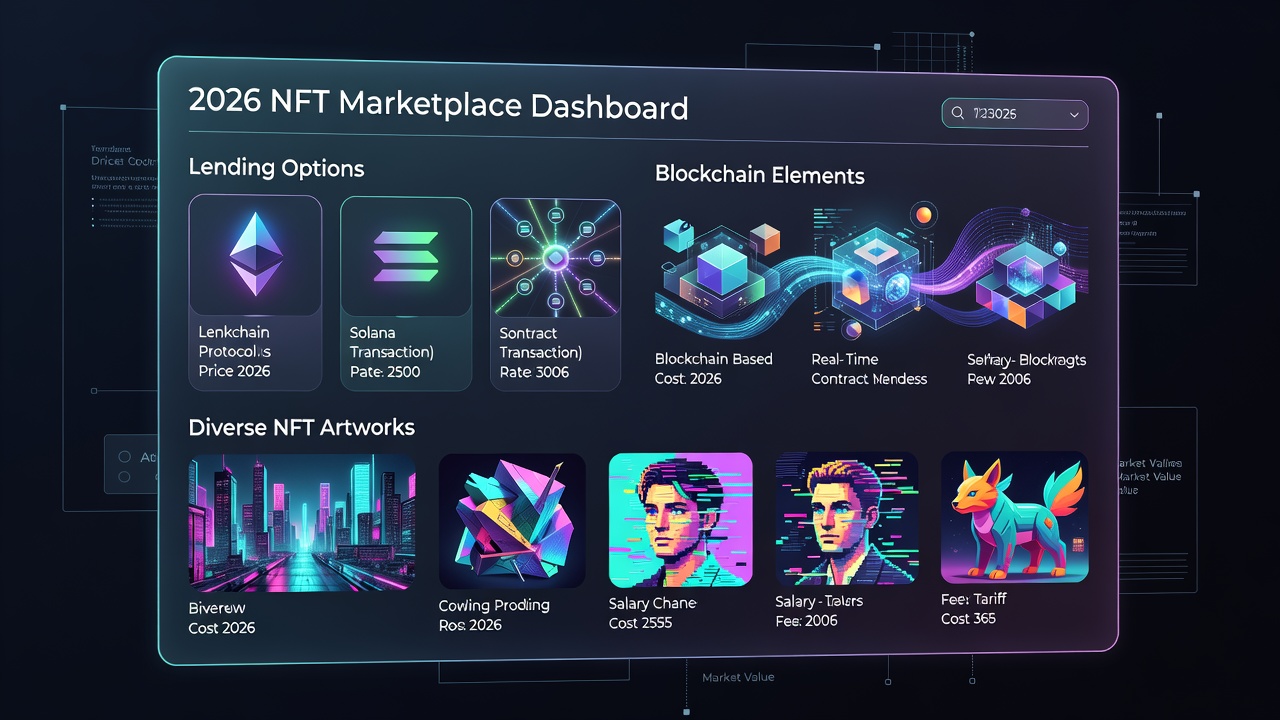
Introduction to NFT Lending in 2026
As the NFT ecosystem matures, lending has emerged as a powerful way for holders to unlock liquidity without selling their assets. In 2026, NFT lending platforms integrated into major marketplaces allow users to monetize collections through collateralized loans. This beginner-friendly guide covers the core mechanics, compares leading options, and provides actionable steps for getting started while highlighting risks such as liquidation. Whether you are a collector seeking yield or a trader exploring DeFi synergies, understanding these platforms is essential for navigating the evolving Web3 landscape. The year 2026 marks a significant shift where NFT holders no longer need to choose between holding their digital assets and accessing capital, creating new financial opportunities across the space.
Marketplaces have evolved to support sophisticated lending features that blend traditional finance concepts with blockchain transparency. This development targets users searching for innovative monetization strategies while maintaining ownership of valuable NFTs. By exploring peer-to-peer arrangements and algorithmic protocols, participants can achieve better portfolio efficiency and explore yield generation in ways that were limited just a few years prior.
How NFT Lending Works: P2P and Protocol-Based Models
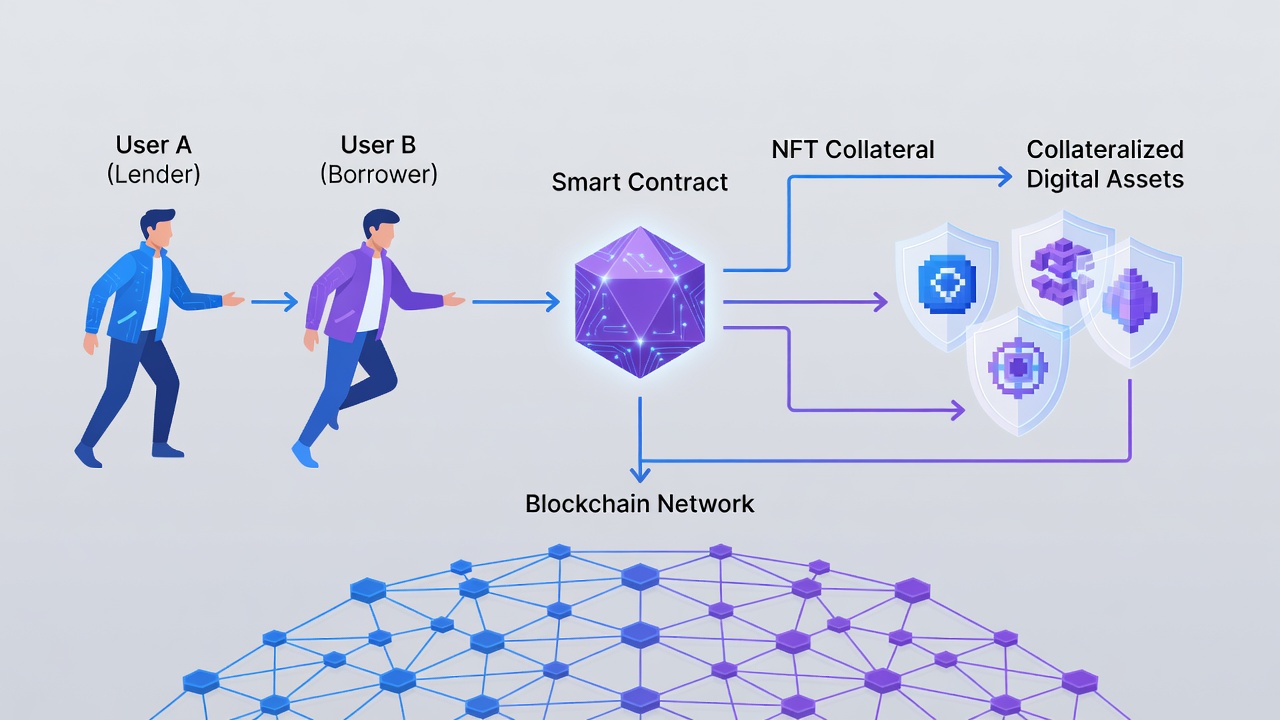
NFT lending operates primarily through two models. Peer-to-peer (P2P) lending connects borrowers and lenders directly via smart contracts on marketplaces, allowing customized loan terms like duration and interest rates. Protocol-based lending uses algorithmic pools where NFTs serve as collateral, with interest rates determined by supply and demand dynamics. Both approaches rely on over-collateralization to mitigate default risks. Borrowers deposit NFTs valued higher than the loan amount, enabling lenders to earn yields from interest payments. Integration with broader DeFi protocols enhances composability, letting users leverage loaned assets across multiple applications.
In P2P models, individual lenders set their own parameters, creating flexibility but requiring more active management. Protocol-based systems automate much of the process through liquidity pools, making entry easier for beginners. Smart contracts handle escrow, repayment, and liquidation automatically, reducing the need for trusted intermediaries. For authoritative background on underlying blockchain standards, see ethereum.org. These mechanisms have become more robust in 2026 with improved oracle integrations that provide accurate real-time valuation data for a wider range of NFT collections.
Potential Yields and Market Opportunities
Yields vary based on asset demand, loan duration, and platform liquidity. Blue-chip NFTs often attract lower rates due to perceived stability, while emerging collections may offer higher returns for lenders willing to accept volatility. Marketplaces in 2026 emphasize transparent dashboards showing real-time APYs, helping users make informed decisions. Real-world examples include integrations on leading platforms where users have successfully generated passive income by lending rare digital art and collectibles. These opportunities appeal to holders looking to monetize without parting with prized assets. Lenders benefit from diversified income streams, and borrowers gain access to capital for new investments or personal needs while retaining upside potential on their NFTs.
Key Risks: Liquidation and Beyond
Liquidation remains the primary risk. If NFT floor prices drop below collateral thresholds, positions can be automatically closed, potentially resulting in loss of assets. Additional concerns include smart contract vulnerabilities, oracle failures for price feeds, and platform-specific fees. To manage these, always monitor loan-to-value ratios and maintain buffers. Diversifying across multiple platforms and using stablecoin-denominated loans can further reduce exposure. Users should also consider regulatory developments that may affect cross-border NFT transactions in the coming years.
Platform Comparisons for 2026
Several marketplaces stand out for NFT lending features. Established NFT hubs with built-in lending protocols offer seamless P2P matching. DeFi-native platforms emphasize pool-based lending with competitive rates. Hybrid solutions combine marketplace trading and lending in one interface. Comparisons typically focus on supported collections, average loan terms, and user interface quality. Users should evaluate based on their specific NFT holdings and risk tolerance. Factors such as community support, security audit history, and integration with popular wallets also play important roles when choosing the right venue.
Step-by-Step Onboarding Process
Getting started involves these practical steps. First, connect a compatible wallet to your chosen marketplace. Next, verify NFT ownership and assess current floor values. Then select a lending pool or create a P2P offer with desired terms. Approve the smart contract transaction and monitor the loan status. Finally, repay the loan plus interest before expiration to reclaim your NFT. Always begin with small test transactions to familiarize yourself with the interface. Additional best practices include reviewing gas fees in advance and understanding the platform's dispute resolution process if any issues arise during repayment.
Real-World Examples from Leading Marketplaces
Top marketplaces have rolled out lending tools that let users borrow against popular collections like digital art and virtual land. Case studies show collectors using these features to fund new acquisitions while retaining ownership upside. Protocol integrations allow seamless movement of funds into yield-generating DeFi strategies post-loan. For marketplace examples, visit opensea.io. These real-world applications demonstrate how NFT lending bridges traditional collectibles with modern finance, enabling everything from art preservation to liquidity provision in virtual economies.
DeFi Integration and Advanced Strategies
NFT lending increasingly intersects with DeFi through wrapped assets and composable protocols. Borrowers can use loan proceeds in liquidity pools or derivatives markets for amplified returns. This synergy creates new opportunities but also compounds risks, requiring careful position sizing. Advanced users often combine NFT collateralized loans with yield farming or options strategies to optimize overall portfolio performance. Understanding these layers helps participants maximize benefits while staying aware of potential cascading effects during market downturns.
Practical Tips for Success
- Research collection liquidity before collateralizing.
- Set conservative loan terms to avoid margin calls.
- Stay updated on marketplace policy changes.
- Use hardware wallets for enhanced security.
- Track on-chain metrics for early warning signs.
- Consider insurance options where available on the platform.
- Start with well-known collections to build experience.
FAQ on Security and Returns
How secure are NFT lending platforms?
Reputable platforms undergo regular audits, but users should enable two-factor authentication and avoid sharing private keys. Always review recent security reports before committing large positions.
What kind of returns can lenders expect?
Returns depend on market conditions and asset popularity, often ranging from modest yields on established collections to higher rates on niche items. Consistent monitoring helps optimize outcomes over time.
What happens during liquidation?
Automated processes sell the collateral to repay lenders, with any surplus returned to the borrower after fees. Understanding the exact liquidation threshold is critical for risk management.
Can I lend NFTs across chains?
Some platforms support cross-chain functionality via bridges, though fees and delays apply. Users should compare bridge security and costs before proceeding.
How do I choose between P2P and protocol lending?
P2P offers customization while protocols provide simplicity and speed. Evaluate based on your time availability and desired level of control.
Conclusion
NFT lending in 2026 marketplaces offers compelling ways to monetize holdings, but success requires understanding mechanics, comparing platforms, and managing risks diligently. By following the outlined steps and tips, beginners can confidently explore these opportunities while staying informed about evolving DeFi integrations. Continued innovation in this sector promises even more accessible and secure options in the future, making it a valuable area for ongoing education and participation.

No comments yet. Be the first!