 CryptoChain Blog
2026 Educational NFT Marketplaces: Complete Guide
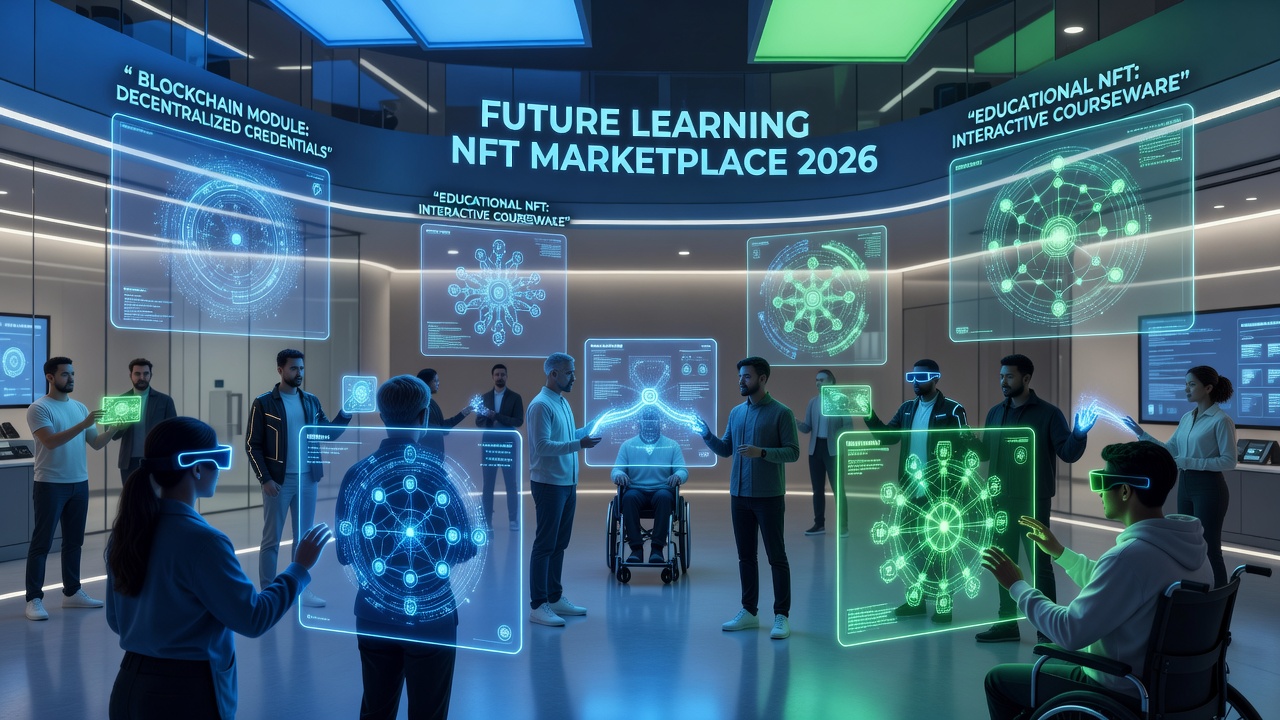
Educational NFTs have emerged as a transformative force in 2026, blending blockchain technology with lifelong learning opportunities. Learners and creators alike are turning to these digital assets to access verified credentials, exclusive courses, and skill-building collectibles that hold both utility and potential long-term value. This comprehensive overview addresses the growing search intent around practical adoption, helping individuals navigate marketplaces effectively while understanding revenue opportunities and integration strategies.
What Are Educational NFTs?
Educational NFTs represent ownership of learning resources, certifications, or interactive modules stored on the blockchain. Unlike traditional digital content, they provide verifiable provenance and can be traded or used across platforms, making them ideal for skill development in fields ranging from coding to creative arts. These tokens often include metadata that details course completion, instructor credentials, and even embedded access keys to private communities or updated materials. In 2026, they serve as portable credentials that transcend institutional boundaries, allowing professionals to showcase verified skills on resumes or professional networks without relying solely on paper certificates.
Leading Marketplaces Compared
Several established platforms now specialize in or prominently feature educational NFTs. OpenSea continues to dominate with broad discoverability and user-friendly interfaces suitable for beginners. Niche sites focus on verified academic partnerships, offering higher trust levels for institutional content. Rarible emphasizes creator royalties and community governance, while emerging platforms integrate directly with learning management systems for seamless enrollment. When comparing options, consider factors such as transaction fees, royalty percentages, verification processes, and supported blockchains. For instance, platforms built on Ethereum provide robust smart contract capabilities but may incur higher gas costs during peak times, whereas alternatives on more efficient chains offer faster and cheaper transactions.
- Marketplace A: High volume, easy onboarding for new creators, extensive search filters for educational categories.
- Marketplace B: Strong emphasis on verified educational institutions with partnership badges and audit trails.
- Marketplace C: Advanced royalty structures for ongoing educator earnings and built-in analytics dashboards.
Revenue Models for Educators
Educators can monetize through primary sales, secondary royalties, and bundled course access. Many platforms allow creators to earn a percentage on resales, creating sustainable income streams even after the initial sale. Integration with platforms like Coursera enables hybrid models where NFT ownership unlocks premium content or live sessions. Additional models include subscription-based access where holders receive periodic updates, or tiered pricing based on content depth. Successful educators often combine these approaches, using NFTs as entry points to larger course ecosystems that include mentorship or certification exams.
Integration with Traditional Learning Tools
Modern educational NFTs seamlessly connect with LMS platforms and video conferencing tools. Learners can import NFT credentials into professional profiles or use them as proof of completion in formal education settings. This interoperability extends to tools like Google Classroom or corporate HR systems, where blockchain verification adds an extra layer of authenticity. Institutions are increasingly piloting programs that award NFTs alongside traditional degrees, enhancing graduate employability in tech-forward industries.
Real-World Examples from Major Platforms
Leading marketplaces showcase university-backed NFT certificates and creator-led workshops. For instance, blockchain education modules on Ethereum-based platforms demonstrate how smart contracts automate access and updates. See Ethereum.org for foundational resources on these implementations. Real examples include coding bootcamps that issue NFTs upon completion, allowing graduates to prove skills to employers instantly. Another case involves art history courses where NFTs grant access to virtual gallery tours and downloadable resources that evolve with new scholarship.
Step-by-Step Buying Guide
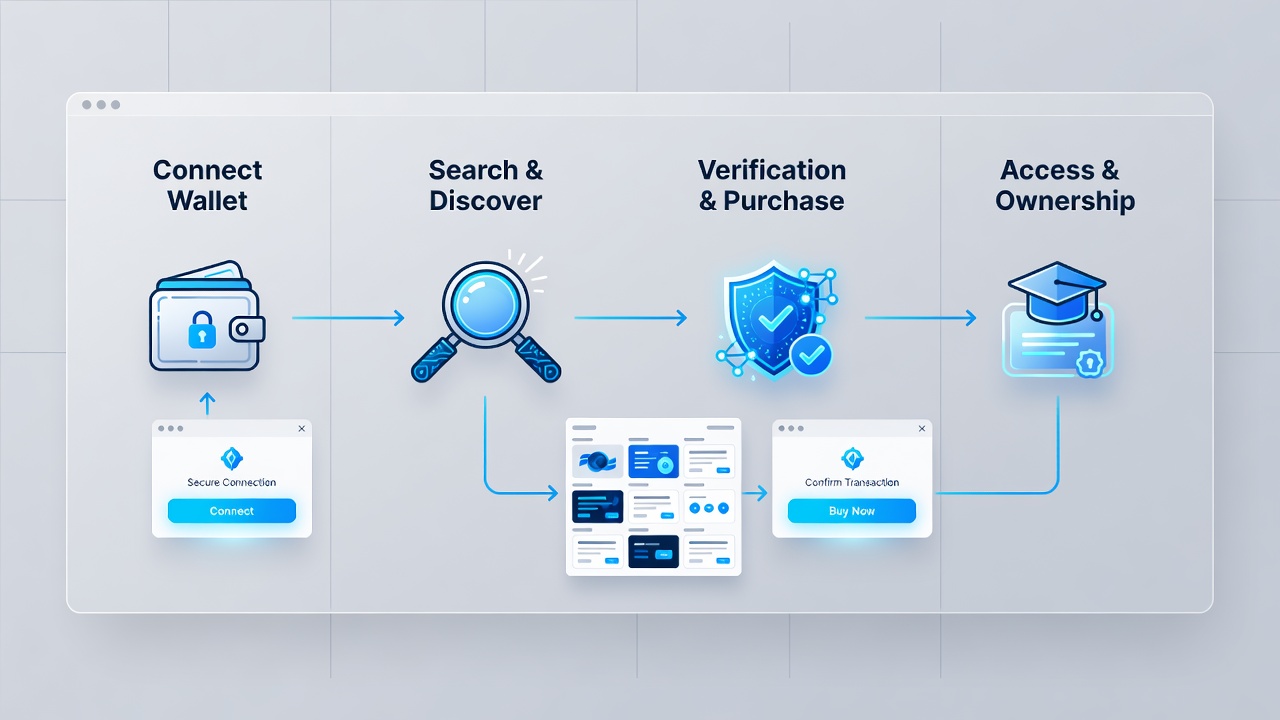
Follow these steps to purchase educational NFTs safely and maximize value. First, set up a compatible wallet such as MetaMask and fund it with the required cryptocurrency. Second, research the creator and verify authenticity through platform badges or third-party audits. Third, compare listings across multiple marketplaces to find the best utility-to-price ratio. Fourth, review the NFT metadata for included access rights and expiration details. Fifth, complete the transaction using supported cryptocurrencies while monitoring network fees. Finally, store the NFT securely in your wallet and immediately claim any associated learning access or community invitations. This methodical approach reduces risks and ensures the purchase aligns with personal learning goals.
Tips for Verifying Educational NFT Value
Always check the issuer’s credentials through linked institutional profiles or public records. Review community feedback on forums and social channels to gauge real user experiences. Assess utility beyond speculation by confirming ongoing access to materials or updates. Prioritize NFTs that include verifiable completion badges or integration with professional networks. Avoid impulse buys by cross-referencing similar offerings and evaluating the creator’s track record in delivering quality content.
Challenges: Content Authenticity and More
Ensuring content authenticity remains a key hurdle, as does navigating regulatory uncertainty around digital credentials. Buyers should prioritize platforms with robust verification processes to mitigate risks of counterfeit or low-quality materials. Additional challenges include platform-specific lock-in effects, where NFTs may not transfer easily between ecosystems, and fluctuating market sentiment that can affect perceived value. Educators face hurdles in creating engaging content that justifies the NFT premium while complying with data privacy regulations.
Future Trends in Skill-Based Collectibles
Expect deeper AI personalization and cross-platform interoperability by late 2026. Skill-based NFTs will likely expand into corporate training and credentialing ecosystems, further blurring lines between education and digital ownership. Additional insights are available via OpenSea. Emerging trends point toward greater adoption in developing regions where traditional education access is limited, as well as hybrid models combining NFTs with augmented reality learning experiences.
Conclusion
Educational NFTs in 2026 offer powerful tools for learners and creators seeking verifiable, portable skills. By understanding marketplaces, revenue models, and verification strategies, users can make informed decisions that enhance both knowledge and professional standing.
FAQ
How do I determine fair pricing for educational NFTs?
Focus on utility, creator reputation, and comparable sales rather than fixed dollar amounts, as values fluctuate with market conditions. Evaluate the depth of included content and any recurring benefits.
What utility do educational NFTs typically offer?
Most provide access to courses, certificates, or community resources that enhance skill development over time, often including lifetime updates or exclusive events.
Are there risks in buying educational NFTs?
Yes, including authenticity concerns, platform volatility, and potential regulatory changes; always conduct thorough due diligence before purchase and diversify acquisitions.
Can educational NFTs integrate with existing degrees?
Many platforms now support credential verification that complements traditional academic records, allowing seamless addition to portfolios or LinkedIn profiles.
What should first-time buyers know about wallets and security?
Choose reputable wallets, enable two-factor authentication, and never share private keys. Backup recovery phrases securely to prevent loss of assets.
No comments yet. Be the first!