 CryptoChain Blog

Introduction to AI in Smart Contract Security
As blockchain adoption grows, securing Solidity smart contracts remains critical for developers. AI tools now automate vulnerability detection, streamlining workflows while complementing traditional methods. This guide covers selecting tools, step-by-step integration, sample prompts, and real-world applications for contract security. Developers searching for smart contract tutorials will find actionable advice on using AI to strengthen contract security throughout the development lifecycle, from initial coding to final deployment on Ethereum networks.
Why AI Enhances Smart Contract Security
Manual audits are thorough but time-intensive. AI platforms analyze code patterns at scale, identifying issues like reentrancy or integer overflows faster. Combined with best practices from Solidity documentation, AI reduces risks in DeFi and NFT projects. In 2026, AI models trained on vast repositories of audited contracts can detect subtle patterns that human reviewers might overlook under time pressure, making them essential for high-velocity development teams focused on contract security.
Understanding Common Vulnerabilities in Solidity
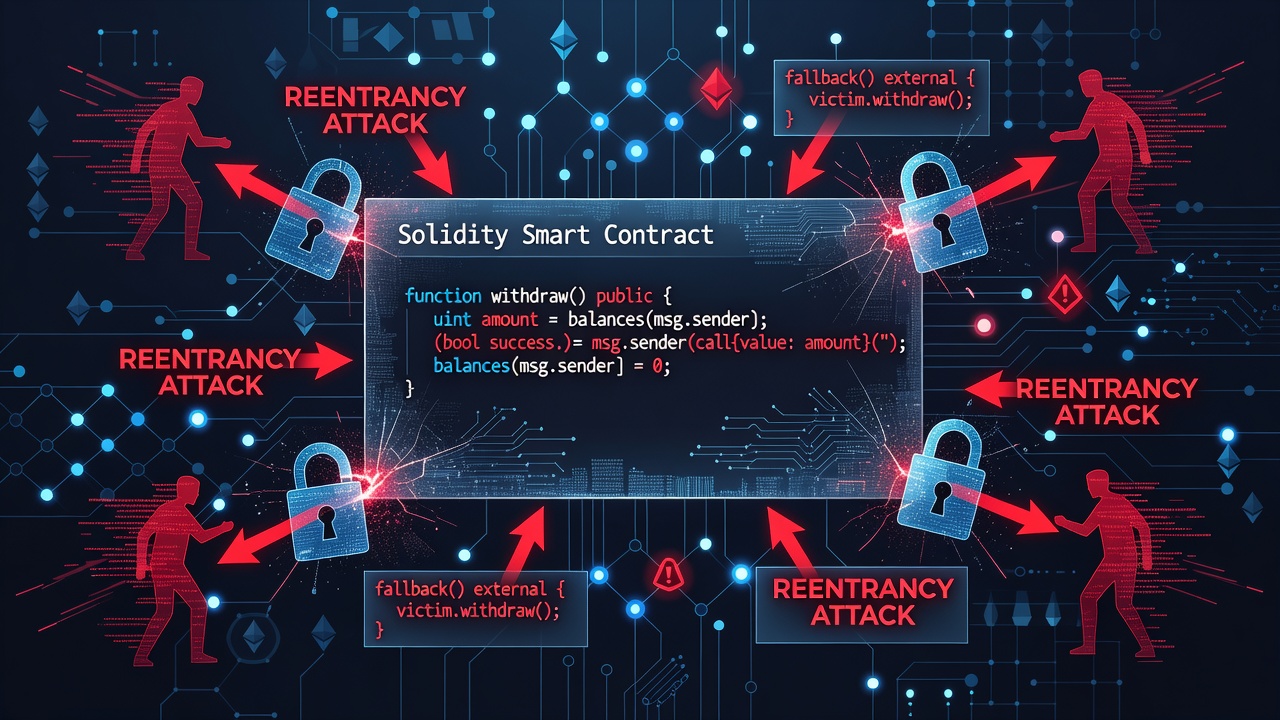
Before integrating AI, developers must recognize prevalent issues. Reentrancy attacks allow malicious contracts to recursively call functions before state updates complete. Integer overflows and underflows can manipulate balances when unchecked arithmetic occurs. Access control flaws enable unauthorized function execution. AI excels at flagging these by comparing code against known vulnerable patterns from historical exploits on Ethereum mainnet, helping teams prioritize fixes early in the smart contract development process.
Selecting AI Tools for Solidity
Focus on platforms supporting Solidity analysis. Key options include LLM-based analyzers and specialized scanners. Evaluate based on accuracy, integration with IDEs like Remix, and support for custom rules.
- AI-enhanced static analyzers for pattern recognition
- Dynamic testing tools with machine learning models
- Hybrid solutions combining formal verification and AI
- IDE plugins that provide real-time suggestions during coding
- Cloud-based services offering batch processing for large codebases
Choose tools that export results in standardized formats for easy comparison with manual findings and seamless incorporation into existing smart contract tutorials and workflows.
Step-by-Step Setup with Code Examples
Begin by installing an AI-compatible tool via npm or Python. For example, integrate an LLM prompt system with Slither:
npm install slither-analyzer
# Run initial scan
slither Contract.sol --ai-mode --report json
Next, configure API keys for advanced models and test on a sample contract. Create a configuration file that specifies vulnerability categories to prioritize, such as those related to ERC-20 token standards. Run the tool on a testnet deployment to validate outputs before mainnet use, ensuring the setup aligns with contract security best practices.
Sample Prompts for Vulnerability Detection
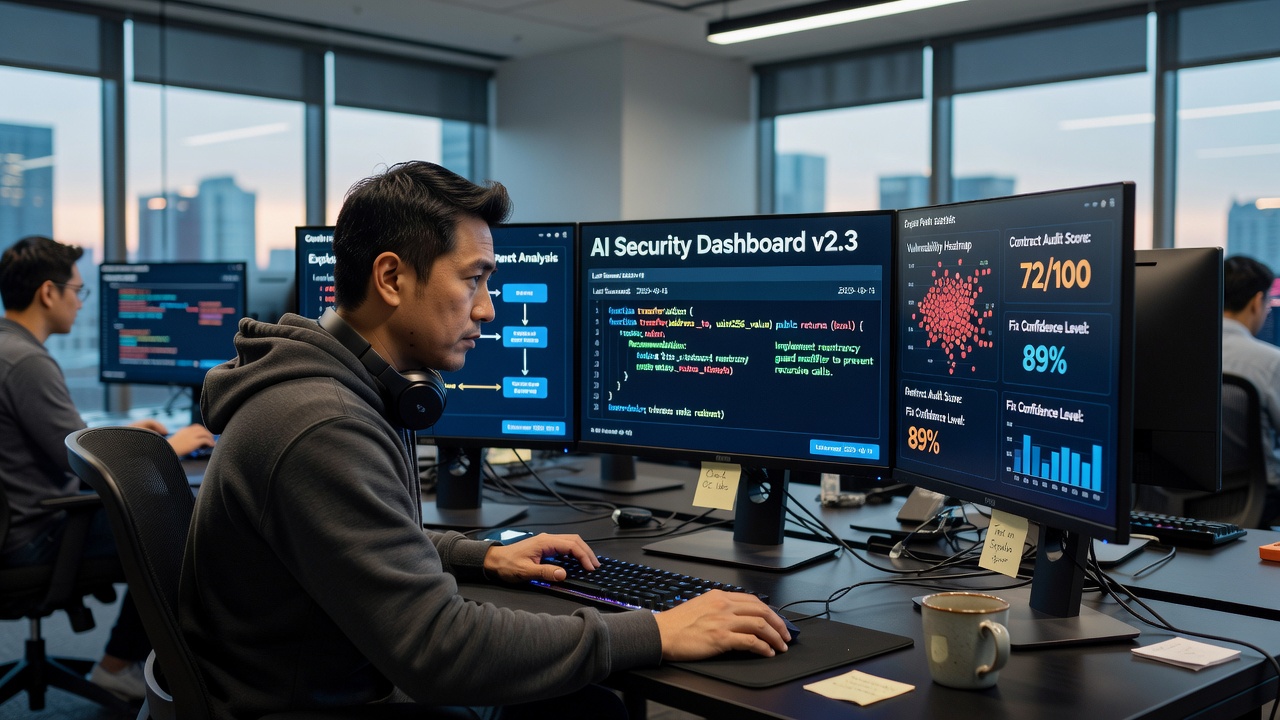
Use targeted prompts like: "Analyze this Solidity function for reentrancy risks and suggest fixes: [code snippet]". Iterate with follow-ups for gas optimization or access control checks. Another effective prompt: "Review the following contract for integer overflow vulnerabilities in arithmetic operations and provide patched code examples." Developers can chain prompts to simulate multi-stage audits, starting with surface-level scans and progressing to deep logic analysis tailored to specific Solidity constructs.
Integrating AI into CI/CD Pipelines
Embed AI scans into continuous integration workflows using GitHub Actions or similar. Add a step that triggers the analyzer on every pull request, automatically rejecting merges if critical vulnerabilities exceed a defined threshold. This ensures contract security remains consistent across team contributions and reduces the chance of deploying flawed code to production environments.
Comparing AI Outputs to Manual Audits
AI excels at speed and scale but may miss context-specific logic flaws. Cross-verify results manually, using resources from Ethereum security guides, to achieve comprehensive contract security. In practice, AI identifies 80 percent of common issues quickly, while manual reviews uncover the remaining edge cases tied to business logic and custom implementations in Solidity smart contracts.
Common Pitfalls to Avoid
Avoid over-reliance on AI without human review. Ensure prompts are precise, update models regularly, and test on mainnet forks. Common errors include ignoring false positives or neglecting edge cases in complex contracts. Another frequent mistake is failing to provide sufficient contract context in prompts, leading to generic or incomplete recommendations that undermine overall contract security efforts.
Real-World Case Snippets
In one deployment, AI flagged an unchecked call vulnerability in a token contract, preventing potential exploits before launch. Another team used AI to optimize a lending protocol, reducing gas costs by 15 percent while maintaining security invariants. These examples demonstrate how AI augments human expertise in live projects involving smart contracts and Solidity codebases.
Advanced Techniques and Best Practices
Combine multiple AI tools for layered analysis. Use one for static checks and another for fuzzing-based dynamic testing. Maintain a library of verified prompts tailored to your project’s architecture. Always document AI findings alongside manual notes for audit trails and future reference in smart contract tutorials.
Limitations of AI Tools in 2026
Current models still struggle with novel attack vectors not present in training data. They may produce overly conservative reports that flag safe code as risky. Regular fine-tuning on project-specific datasets helps mitigate these gaps, though teams should remain aware that AI serves as a powerful assistant rather than a complete replacement for expert judgment in contract security.
FAQ
How accurate are AI tools for smart contracts?
Accuracy reaches 85-95% for common issues but varies by model and contract complexity; always pair with audits.
Can AI replace manual security reviews?
No, AI augments but does not replace expert reviews for nuanced Solidity logic.
What are best practices for prompt engineering?
Provide full contract context, specify vulnerability types, and request remediation code.
How should teams handle conflicting AI and manual findings?
Prioritize issues flagged by both methods and escalate disagreements to senior auditors for final resolution.
Are there recommended open-source AI tools for beginners?
Yes, start with community-driven projects that integrate LLMs with established analyzers like Slither or Mythril for accessible entry points into automated contract security.
Conclusion
Integrating AI tools transforms Solidity development by accelerating contract security processes. Follow the outlined steps, experiment with prompts, and maintain rigorous testing for robust smart contracts. Explore further via OpenZeppelin resources and Consensys best practices.

No comments yet. Be the first!