 CryptoChain Blog
Introduction to Stablecoin Peg Defense in 2026
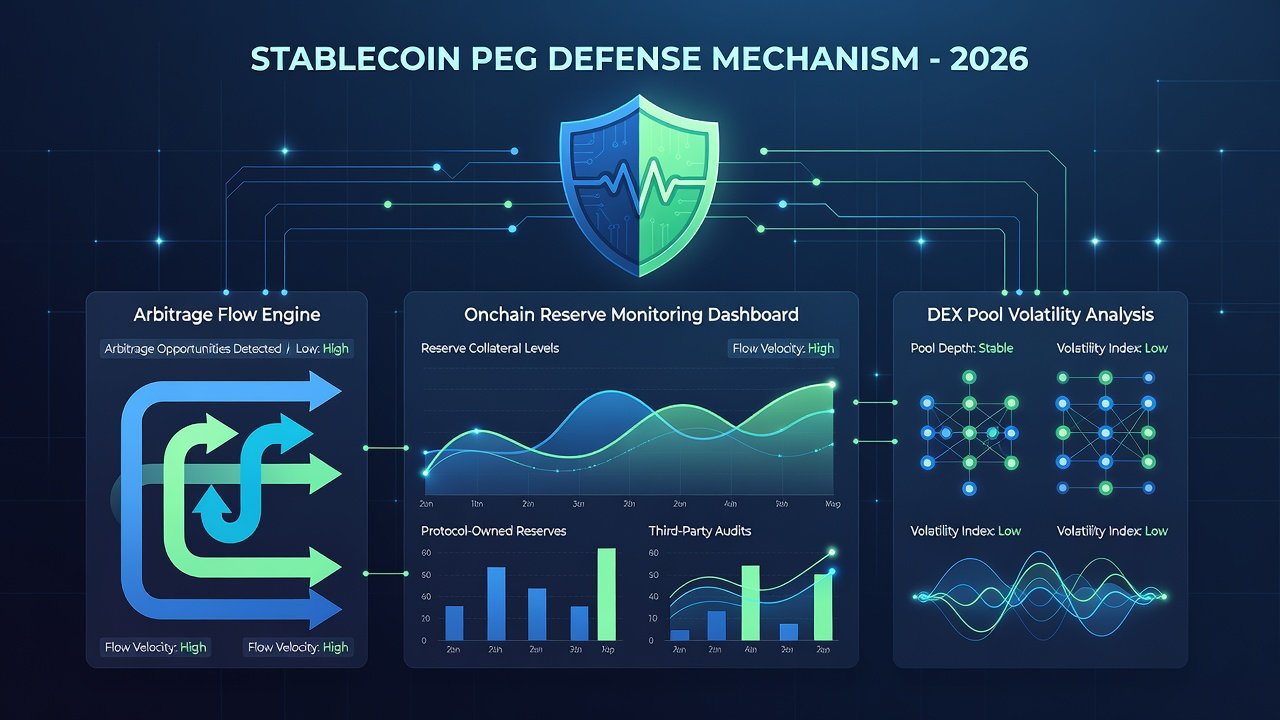
Stablecoins serve as the foundational layer for decentralized finance, enabling seamless transfers, lending, and trading without the volatility of native cryptocurrencies. Maintaining a precise peg to fiat currencies like the US dollar demands robust onchain tokenomics mechanisms that respond instantly to market pressures. In 2026, the landscape has evolved with advanced blockchain analytics that allow analysts and issuers to monitor reserves, track flows, and detect volatility in real time across multiple networks. This comprehensive playbook explores proven strategies for peg defense, drawing on 2026 onchain data to provide analysts with actionable frameworks that go beyond basic overviews.
Depegging events can erode trust rapidly, leading to cascading liquidations and reduced liquidity in DeFi protocols. Understanding the interplay between reserve composition, arbitrage incentives, and holder behavior is essential for proactive defense. Throughout this guide, we examine practical implementation steps, comparative analyses of stablecoin models, and real-world case studies that illustrate successful interventions.
Real-Time Reserve Monitoring Techniques
Reserve monitoring forms the cornerstone of any peg defense strategy. Modern onchain tools aggregate data from attestation providers, smart contract balances, and oracle feeds to deliver block-by-block visibility into collateral adequacy. Analysts now integrate multi-chain views that encompass Ethereum, Solana, and layer-2 networks where bridged assets reside. This holistic approach reveals discrepancies that single-chain monitoring might miss during cross-network stress events.
Building Automated Reserve Alerts
Analysts can establish reliable alert systems through a structured process. Begin by selecting reliable RPC endpoints for major issuers and configuring queries that poll reserve ratios at fixed intervals. Next, incorporate threshold logic that triggers notifications when collateral falls below 100 percent coverage or when attestation delays exceed expected windows. Add multi-oracle redundancy using feeds from established providers to cross-validate asset valuations. Finally, integrate dashboard visualizations that display historical trends alongside current metrics, allowing teams to spot gradual erosions before they become acute problems. These steps create a resilient monitoring layer that operates continuously without manual oversight.
Arbitrage Flow Tracking for Peg Stability
Arbitrage remains one of the most efficient natural stabilizers for stablecoin pegs. In 2026, sophisticated onchain tracking reveals detailed flow patterns between centralized exchanges, decentralized liquidity pools, and issuer reserve wallets. Large transfers from custodian addresses often precede corrective trades that restore equilibrium within minutes. Graph analytics now map these movements across protocols, highlighting potential bottlenecks or coordinated activities that could amplify rather than dampen volatility.
Key indicators include volume-weighted average deviations over rolling windows and net directional flows during high-activity periods. When arbitrage activity surges in response to temporary discounts, it typically signals healthy market mechanics at work. Conversely, suppressed arbitrage volumes during known stress periods may indicate liquidity fragmentation or external barriers that require issuer intervention.
Volatility Signals from DEX Pools
Decentralized exchange pools serve as sensitive barometers for emerging peg pressures. Metrics such as liquidity depth across fee tiers, concentration of positions, and volume-to-reserve ratios provide early signals that centralized data sources often overlook. 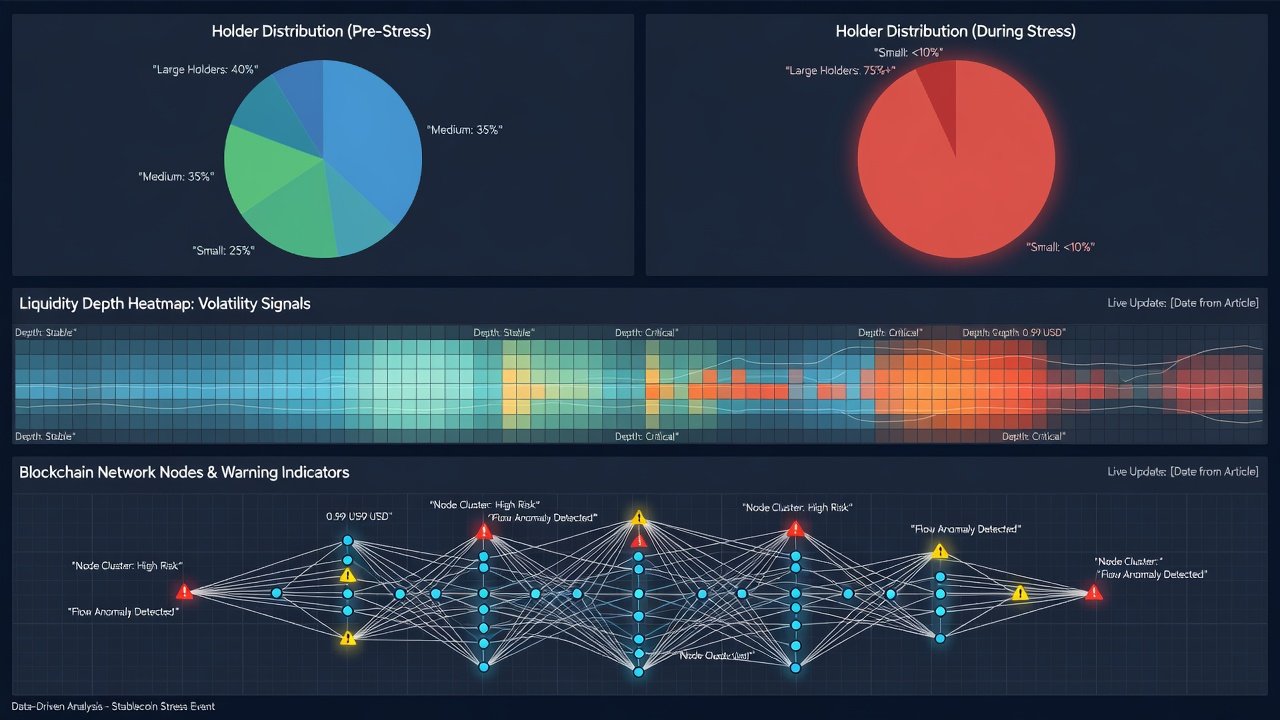
Interpreting Holder Distribution Shifts
Holder distribution analysis offers critical context during volatility spikes. Sudden migrations of large positions into cold storage or across exchanges can foreshadow reduced selling pressure or, conversely, coordinated exits. Metrics such as the Gini coefficient for wallet balances, changes in the percentage held by the top 100 addresses, and velocity of small-holder transfers provide quantitative lenses for interpretation. Comparing current distributions against baselines established during prior stress events helps distinguish routine rebalancing from systemic concerns.
Comparing Fiat-Backed and Crypto-Collateralized Models
Fiat-backed stablecoins depend on offchain reserves verified through periodic attestations, offering operational simplicity alongside exposure to banking and regulatory risks. Crypto-collateralized designs, by contrast, utilize overcollateralization ratios and automated liquidation engines to maintain solvency entirely onchain. In 2026 evaluations, fiat-backed variants demonstrate quicker recovery from brief depegs thanks to direct mint and burn authority, whereas crypto-collateralized systems provide superior transparency and resistance to single-entity failures through decentralized governance.
- Fiat-backed advantages include established compliance frameworks and broader institutional participation
- Crypto-collateralized strengths center on programmable safeguards and resistance to custodial interference
- Common vulnerabilities encompass oracle manipulation risks and liquidity fragmentation across fragmented pools
- Hybrid approaches emerging in 2026 combine elements of both for enhanced resilience
Case Studies from Leading Issuers
Circle's management of USDC illustrates effective reserve transparency practices, with frequent attestations integrated directly into public dashboards that allow real-time verification. During periods of market turbulence in late 2025, swift arbitrage responses restored parity rapidly through coordinated mint-burn operations. MakerDAO's DAI protocol showcased the power of automated vault liquidations that dynamically adjusted collateral requirements to contain depeg pressures without manual intervention. Additional lessons emerge from examining Tether's historical responses to liquidity events, where onchain flow analysis helped identify recovery patterns. Analysts frequently reference resources from Circle, MakerDAO, and DefiLlama to benchmark their own monitoring setups against industry standards.
Actionable Tips for Analysts
Effective peg defense requires layered data integration. Cross-reference onchain metrics with offchain signals from established analytics platforms. Implement backtesting routines that replay historical depeg scenarios to refine alert sensitivity. Prioritize oracle diversification and maintain fallback procedures for data source outages. Regularly audit smart contract permissions tied to reserve management to prevent unauthorized interventions. These practices collectively reduce response times and improve decision quality under pressure.
Short FAQ on Common Peg Risks
What primary factors trigger stablecoin depegs?
Depegs commonly arise from reserve shortfalls, sudden liquidity withdrawals, regulatory announcements, or technical issues affecting mint and redeem processes.
How do arbitrage participants contribute to peg restoration?
Arbitrageurs purchase discounted stablecoins for redemption against collateral or sell premiums in the opposite direction, naturally balancing supply and demand through profit-driven activity.
Do crypto-collateralized stablecoins exhibit greater volatility?
They may experience sharper immediate fluctuations but incorporate liquidation mechanisms that often contain damage more rapidly than models reliant on offchain processes during extreme conditions.
What insights do DEX pools provide regarding peg health?
They deliver real-time price discovery, liquidity depth measurements, and trading volume patterns that frequently surface imbalances ahead of broader market recognition.
How should analysts respond to sudden holder distribution changes?
Compare shifts against historical benchmarks, assess whether movements represent defensive positioning or panic exits, and correlate findings with reserve and flow data before escalating alerts.
Conclusion
Mastering onchain tokenomics for stablecoin peg defense in 2026 empowers analysts with precise, data-driven tools to anticipate threats and execute timely responses. Through disciplined reserve monitoring, arbitrage flow analysis, volatility signal interpretation, and thoughtful model comparisons, professionals can strengthen ecosystem stability. Continuous refinement of these practices, informed by ongoing case studies and evolving data sources, ensures sustained effectiveness in protecting the critical peg that underpins decentralized finance.

No comments yet. Be the first!