 CryptoChain Blog
Introduction to DAO Philanthropy in 2026
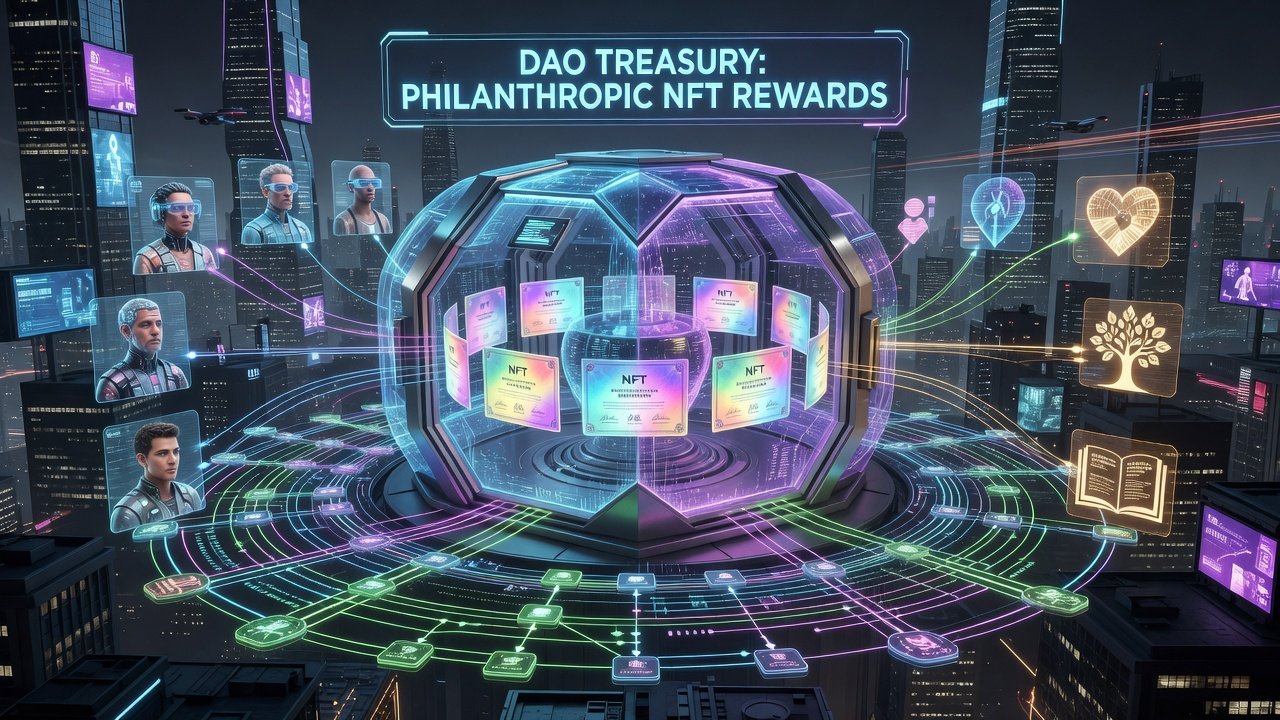
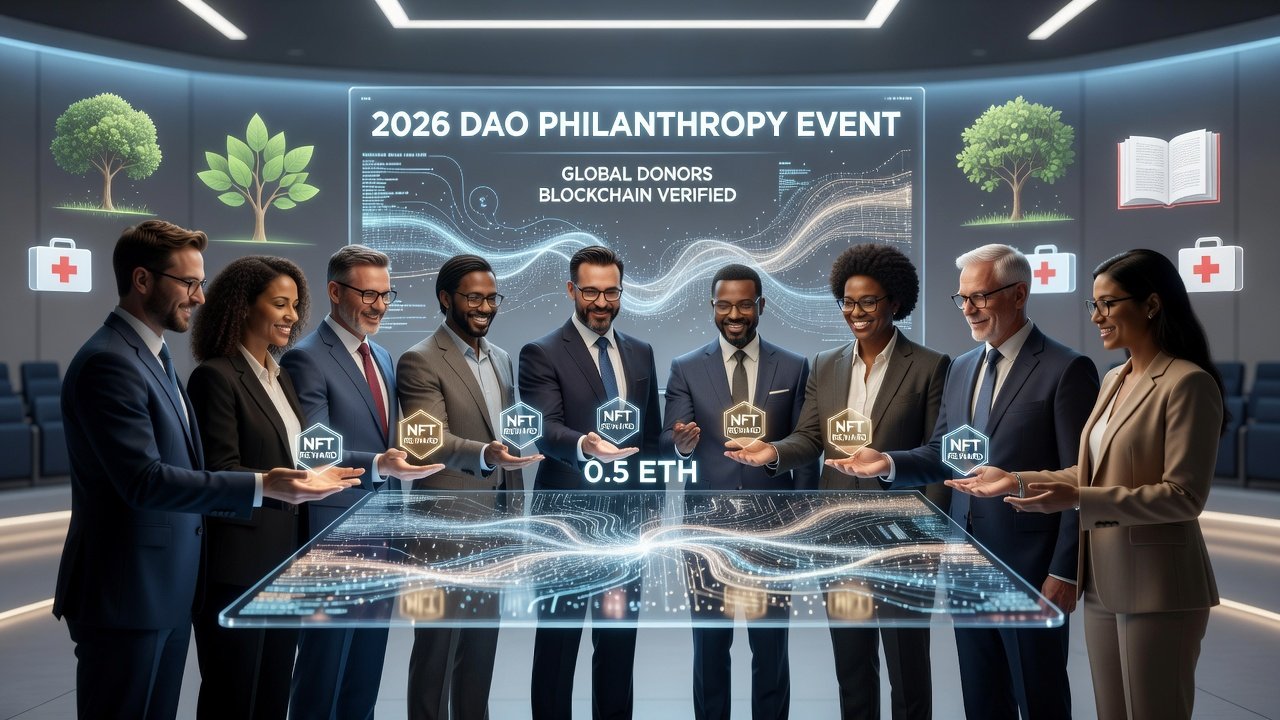
Decentralized autonomous organizations continue to transform charitable giving by leveraging blockchain transparency and community governance. By 2026, NFT rewards have become a primary incentive tool, allowing donors and volunteers to receive unique digital collectibles that certify their contributions. These NFTs often carry utility such as access to exclusive events or additional governance rights. This model blends tokenomics with verifiable social impact, encouraging long-term participation rather than one-time donations. Unlike traditional philanthropy, DAO structures enable real-time tracking of funds and outcomes through immutable ledgers, reducing overhead and increasing trust among global participants.
Token Mechanics in Leading DAO Philanthropy Projects
Effective DAOs utilize hybrid token systems where governance tokens confer voting power while separate NFTs serve as reward certificates. In one 2026 implementation, contributors stake governance tokens to unlock NFT minting rights upon verified milestones. These NFTs follow ERC-721 standards with embedded metadata linking to impact proofs stored on IPFS. Another project incorporates dynamic NFTs that evolve based on ongoing donations, updating visual traits to reflect cumulative contributions. Such mechanics create scarcity and emotional connection, boosting retention rates significantly compared to static rewards.
Governance Voting Processes
Quadratic voting remains the dominant method to balance influence and prevent large holders from dominating decisions. Participants allocate votes across proposals like fund allocation to specific causes or NFT design updates. A typical cycle involves proposal submission, discussion periods on forums, and on-chain voting lasting 72 hours. In a documented 2026 example, a DAO allocated 70 percent of its quarterly treasury to climate initiatives after 4,200 votes were cast, with outcomes automatically executed by smart contracts. This process ensures democratic input while maintaining efficiency.
Explore foundational concepts of decentralized governance at Ethereum.org.
Measurable Impact Metrics from 2026 Case Studies
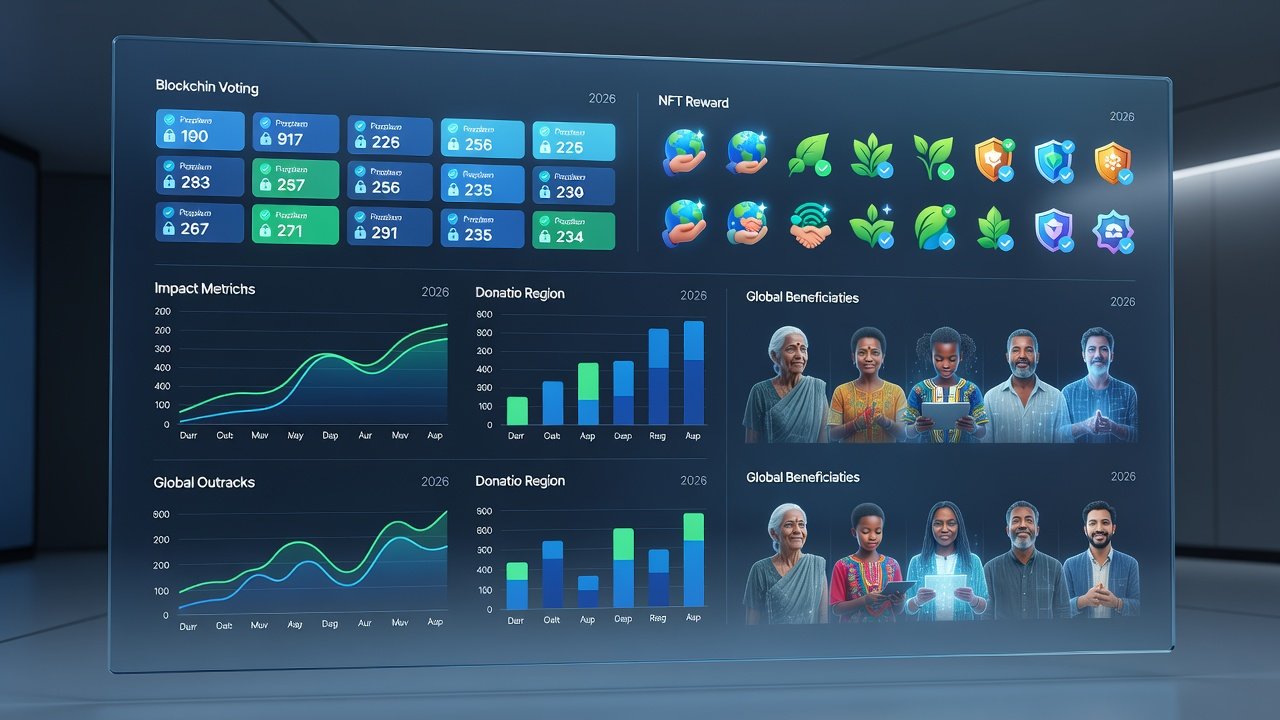
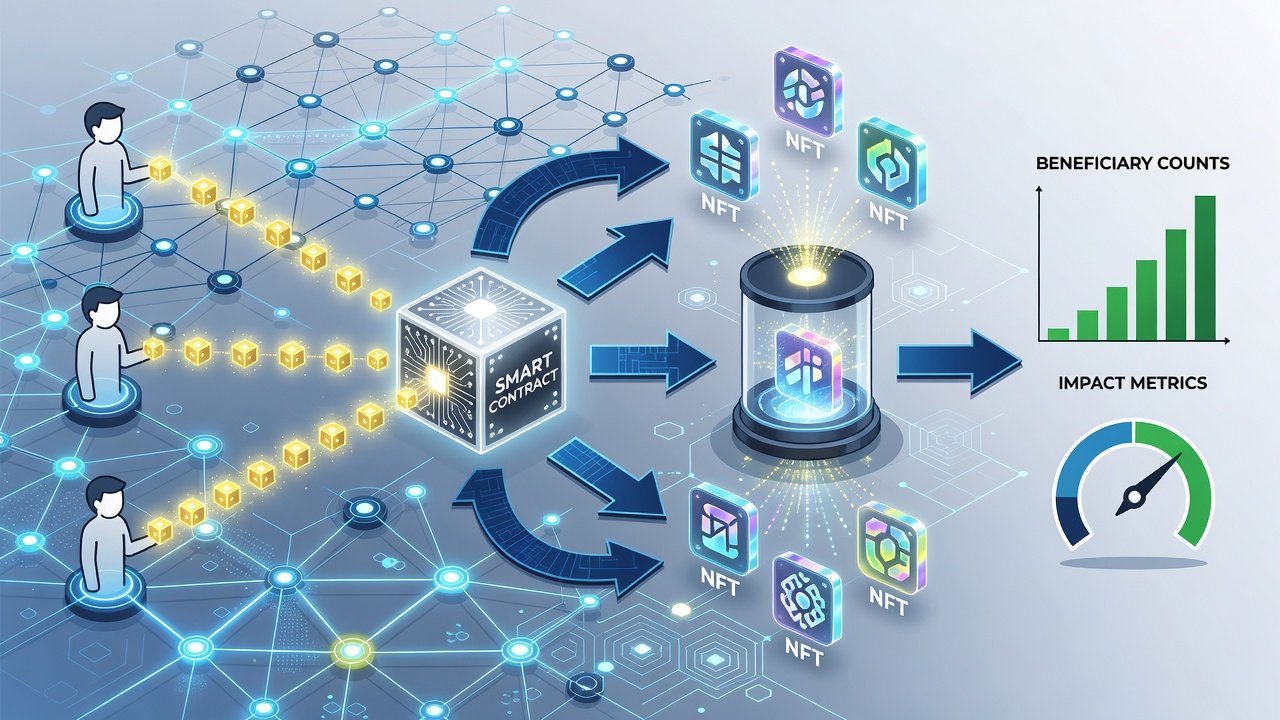
Impact is quantified through on-chain analytics and third-party audits. Common metrics include total value distributed, number of unique beneficiaries, NFT claim and redemption rates, and voter participation percentages. One case study tracked 15,000 NFTs minted across environmental projects, with 88 percent redeemed for follow-up actions like tree-planting verifications. Another DAO measured a 35 percent increase in recurring donations after introducing tiered NFT rewards. Data visualizations typically feature interactive dashboards showing treasury flows, beneficiary maps, and correlation graphs between reward tiers and engagement levels.
Detailed Case Studies of 2026 DAO Philanthropy Projects
Consider DAO Alpha, focused on global education. It employs a staking mechanism where users lock tokens for 30 days to earn education-themed NFTs. Governance votes in Q3 2026 directed funds to 12 schools in developing regions, reaching 8,500 students. Metrics showed a 95 percent on-time fund disbursement rate. DAO Beta targets healthcare access, using soulbound NFTs that cannot be traded to ensure rewards stay with original contributors. A key vote approved partnerships with local clinics, resulting in 22,000 vaccinations tracked via NFT metadata. DAO Gamma emphasizes wildlife conservation, with NFT rewards featuring generative art that changes based on species protection milestones. Voting outcomes led to 40 percent of treasury supporting anti-poaching efforts, with redemption rates at 82 percent.
Step-by-Step Setup Guides for New DAOs
Launching a DAO philanthropy initiative requires careful planning. First, define the core mission and select token standards that align with reward goals. Second, deploy audited smart contracts on Ethereum or compatible layer-2 networks, incorporating modules for NFT minting and voting. Third, design reward flows by mapping specific actions like donations above a threshold to NFT tiers with unique metadata. Fourth, establish governance portals using tools like Snapshot for off-chain signaling before on-chain execution. Fifth, integrate wallet connections and educational resources for users. Sixth, run pilot campaigns with small treasuries to test mechanics before scaling. Organizations should document all processes in a public wiki to build community trust.
Comparing Multiple DAOs
- DAO Alpha prioritizes education with redeemable NFTs and high redemption rates.
- DAO Beta focuses on healthcare using soulbound tokens for verified impact.
- DAO Gamma targets conservation with evolving generative NFTs tied to milestones.
- DAO Delta emphasizes disaster relief, featuring rapid-response voting and instant NFT drops.
Practical Pitfalls and How to Avoid Them
Technical vulnerabilities in smart contracts can lead to fund losses, so always engage multiple independent auditors. Low voter turnout often stems from complex interfaces; simplify with mobile-friendly apps and educational campaigns. Regulatory uncertainty around tokens and NFTs requires consulting legal experts early. Community disputes over fund allocation can be mitigated by clear proposal templates and transparent treasury dashboards. Revenue models combining 5-10 percent NFT royalties with yield-generating treasury assets provide sustainability without over-relying on donations.
Revenue Models and Integration Tips for Creators
Sustainable models include secondary market royalties on NFT sales and diversified treasury investments in stable DeFi protocols. Creators entering this space should start by collaborating with existing DAOs rather than building from scratch. Integrate via API connections for seamless wallet experiences and ensure metadata complies with accessibility standards. For organizations, partner with impact verifiers to maintain credibility. Test all flows in testnets and gather user feedback through surveys before full deployment. Additional global philanthropy insights are available at WHO.int and UNICEF.org.
Actionable Takeaways and Conclusion
2026 DAO philanthropy demonstrates how NFT rewards can drive measurable change when paired with robust token mechanics and inclusive governance. By studying concrete examples like those from DAO Alpha through Gamma, new entrants can avoid common pitfalls and design effective systems. Focus on transparent metrics, user-friendly integration, and diversified revenue to maximize impact. The future of decentralized giving lies in these hybrid models that reward participation while delivering verifiable results.
No comments yet. Be the first!