 CryptoChain Blog
Introduction to DAO Philanthropy in 2026
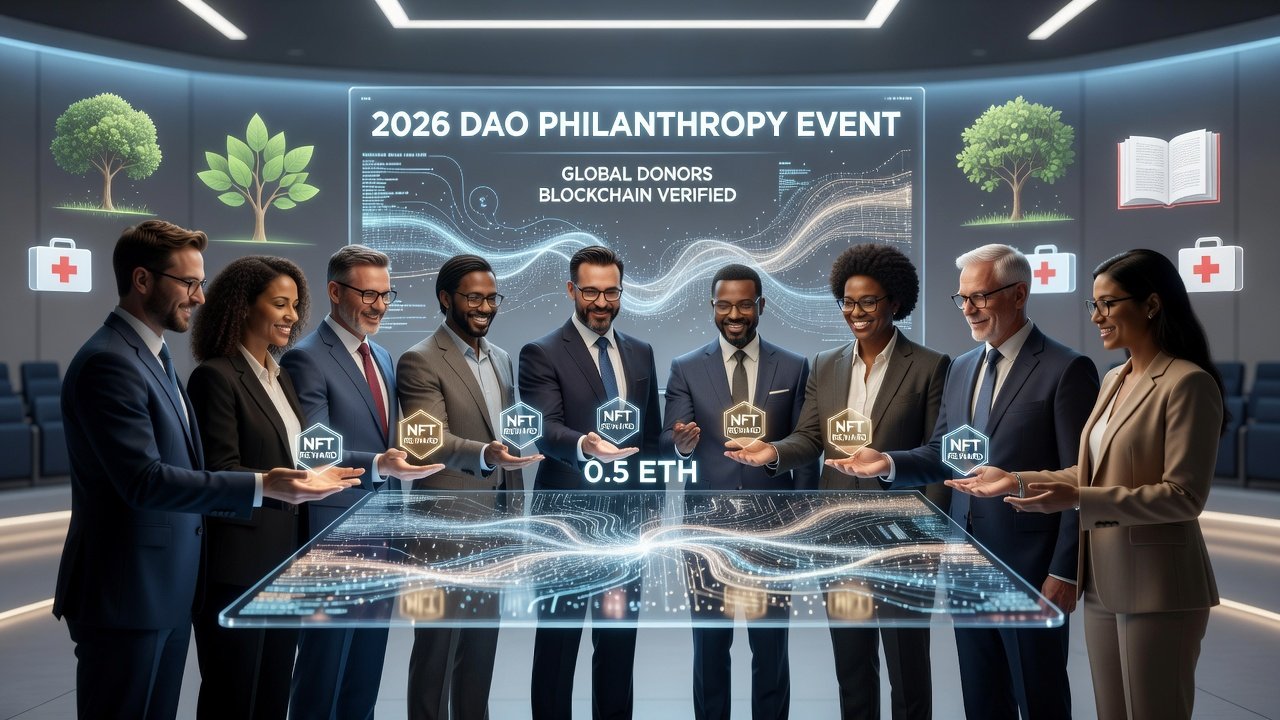
Decentralized Autonomous Organizations (DAOs) have transformed charitable giving by 2026, combining blockchain transparency with NFT incentives to boost donor retention. This approach allows global participants to contribute directly to causes while receiving verifiable digital rewards that foster ongoing engagement. Unlike traditional philanthropy, DAO models enable real-time governance and transparent fund allocation, reducing overhead and increasing trust. This article examines three successful DAO-funded projects that reward contributors with unique NFTs tied to real-world impact. Readers will learn token mechanics, voting processes, measurement tools, and actionable steps to replicate these models in their own initiatives.
The rise of Web3 philanthropy stems from broader adoption of blockchain tools that make giving more interactive. Donors no longer simply transfer funds; they become stakeholders with voting power and collectible assets. This shift has led to higher retention rates as participants feel connected through ongoing utility from their NFTs. Throughout this piece, practical examples illustrate how organizations can launch similar efforts while navigating challenges like regulatory compliance and technical setup.
Case Study 1: ClimateGuard DAO and Reforestation NFTs
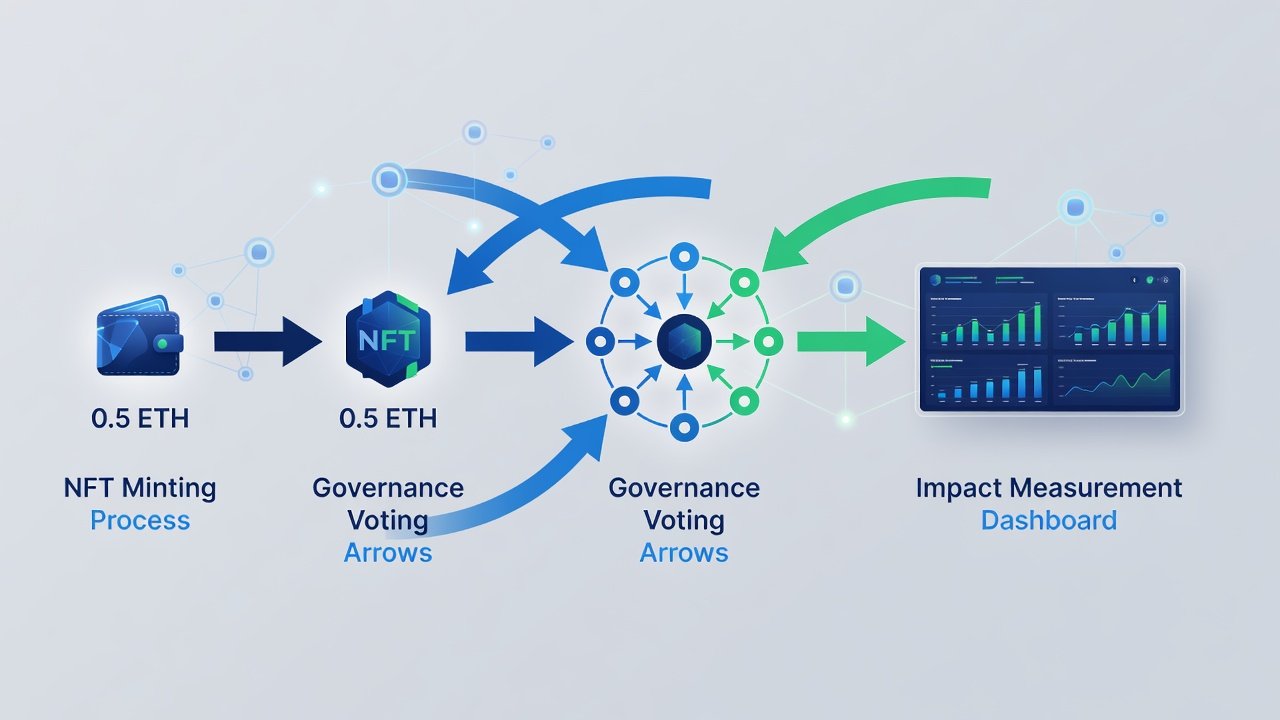
ClimateGuard DAO allocates treasury funds to global reforestation via NFT badges that represent planted trees. Donors mint NFTs upon contributing ETH, with each token unlocking governance votes on project selection. Token mechanics involve ERC-721 NFTs that accrue utility through staking rewards in the DAO's native token, allowing holders to earn additional governance tokens over time based on verified tree growth milestones. For instance, a donor who contributes the equivalent of 0.5 ETH receives an NFT that tracks specific GPS coordinates of planted trees, updated quarterly via oracle integrations.
Governance occurs through Snapshot voting where NFT holders propose and approve funding rounds quarterly. Proposals might include expanding to new regions or partnering with local NGOs, with voting power scaled by NFT rarity levels. Impact measurement uses satellite data verified on-chain, tracking tree survival rates with 95% accuracy as reported in recent audits. This framework has helped ClimateGuard plant over 2 million trees across three continents by late 2026, demonstrating scalable environmental impact through community-driven decisions.
Real-world examples from similar DAOs show that integrating NFT utility prevents one-time donations by encouraging long-term holding and participation. ClimateGuard's model emphasizes education, providing NFT holders with monthly impact reports and virtual tree-planting events to deepen engagement.
Case Study 2: EduChain DAO for Global Education Access
EduChain DAO supports scholarships in underserved regions by issuing achievement NFTs to donors and beneficiaries alike. These NFTs serve as credentials and engagement tools, with mechanics allowing fractional ownership and secondary market trading that funnels royalties back to the treasury. Donors can split their NFTs into fractions, enabling smaller contributors to participate while still earning governance rights proportional to their share.
Voting processes require NFT-weighted proposals on the Aragon platform, ensuring community input on curriculum focus. For example, a proposal to fund STEM programs in Southeast Asia might receive votes from holders based on their NFT tier, with results executed automatically through smart contracts. Frameworks for impact include on-chain attestations from partner schools and periodic third-party evaluations that verify student outcomes like graduation rates and job placements.
This case highlights how NFTs can bridge traditional education systems with blockchain, creating portable credentials that beneficiaries use for further opportunities. EduChain has awarded scholarships to 15,000 students since inception, with donor retention improved through exclusive NFT-gated mentorship sessions.
Case Study 3: HealthForward DAO and Medical Aid Rewards
HealthForward DAO funds vaccine distribution and health kits, rewarding donors with collectible NFTs that double as membership passes for exclusive webinars. Token design integrates soulbound elements to prevent resale while maintaining engagement through periodic airdrops of utility tokens. These airdrops reward consistent participation, such as voting in every governance cycle or referring new donors.
Impact is measured via verifiable credentials and supply chain tracking on Ethereum mainnet, providing transparent reports on funds deployed to specific clinics. HealthForward partners with established health organizations to ensure kits reach remote areas, with on-chain logs showing delivery confirmations. The project has distributed medical supplies to over 500,000 individuals in 2026 alone.
By focusing on soulbound NFTs, HealthForward prioritizes long-term community building over speculative trading, aligning incentives with sustained charitable outcomes.
Comparing Revenue Models Across the Projects
ClimateGuard relies on primary NFT sales plus staking yields from its treasury assets. This creates steady income while rewarding holders. EduChain blends royalties from secondary trades with grant matching from external foundations, diversifying revenue streams. HealthForward emphasizes recurring membership fees converted to NFTs, fostering predictable cash flow for ongoing programs. Each model balances short-term liquidity with long-term donor loyalty, differing in volatility exposure and scalability. ClimateGuard's staking approach suits environmental causes with long timelines, while EduChain's royalty model excels in high-engagement communities.
Pitfalls to Avoid in DAO Philanthropy
- Overly complex token mechanics that confuse new donors, leading to low participation rates
- Ignoring regulatory compliance in multiple jurisdictions, which can result in legal challenges
- Weak impact verification leading to trust erosion among both crypto and traditional donors
- Centralized control undermining DAO principles and causing community backlash
- Insufficient treasury diversification exposing projects to market crashes
- Failing to provide ongoing NFT utility, resulting in donor churn after initial mints
Practical Setup Guide for Launching Similar Initiatives
- Define clear charitable goals and identify measurable impact metrics before any technical development.
- Choose a governance framework like Snapshot or Aragon, testing it with a small community first.
- Design NFT smart contracts with utility features such as staking, voting rights, and airdrop eligibility.
- Integrate impact oracles for transparent reporting and partner with verified field organizations.
- Establish treasury management via multi-sig wallets and diversified asset allocation.
- Launch with a pilot round to test engagement, gathering feedback on NFT design and voting ease.
- Develop educational resources including video tutorials on wallet setup and proposal submission.
- Implement compliance checks by consulting legal experts familiar with securities and charity laws.
- Build marketing strategies focused on Web3 communities and traditional nonprofit networks.
- Monitor and iterate based on on-chain analytics and donor surveys after the first funding cycle.
Creators should audit contracts thoroughly and consult legal experts early. For deeper technical guidance, refer to ethereum.org.
Impact Measurement Frameworks
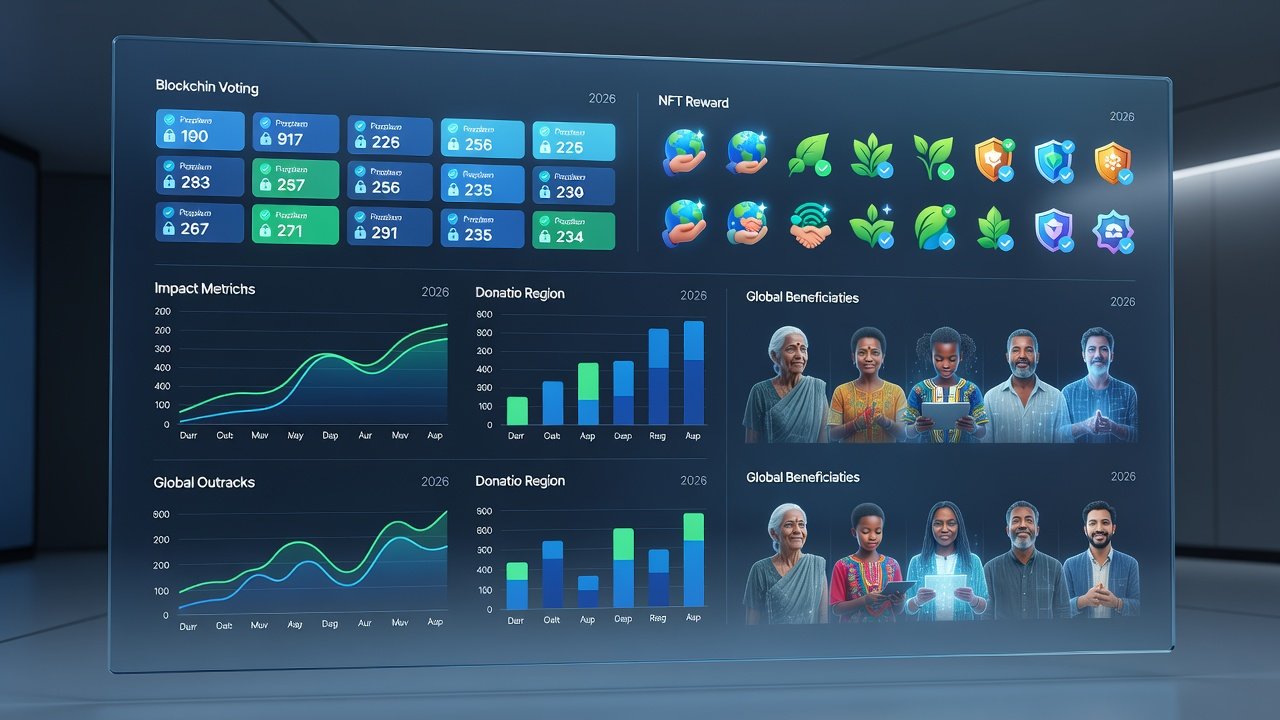
Successful projects combine on-chain metrics with off-chain data. Use tools like Dune Analytics for treasury flows and partner with established NGOs for field verification. This hybrid approach builds credibility with both crypto-native and traditional donors. Additional frameworks include quarterly impact dashboards shared publicly and third-party audits published on-chain for full transparency.
Donor Engagement and Retention Strategies
Beyond initial rewards, successful DAOs maintain momentum through regular updates, virtual events, and progressive NFT upgrades. For example, holders can level up their NFTs by participating in governance, unlocking new benefits like priority access to reports. These tactics turn one-time donors into advocates who promote the project within their networks.
Conclusion
DAO philanthropy with NFT rewards offers powerful engagement tools when executed thoughtfully. By studying these 2026 examples, organizations can design scalable, transparent initiatives that drive meaningful change while building lasting communities.
FAQs on Compliance and Scalability
How do DAOs handle tax compliance for NFT donations? Most register as foundations in friendly jurisdictions and issue donation receipts via on-chain attestations, ensuring donors can claim deductions where applicable.
Can these models scale beyond initial communities? Yes, through cross-DAO partnerships and standardized NFT standards that enable interoperability across platforms.
What legal risks exist with reward NFTs? Securities classification is a key concern; consult resources like sec.gov for guidance on avoiding unregistered offerings.
How can impact be verified at scale? Combining satellite imagery, IoT sensors, and partner attestations provides robust, multi-layered verification suitable for global operations.
What are best practices for treasury management in growing DAOs? Diversify holdings across stablecoins and blue-chip assets while maintaining reserves for operational continuity.
No comments yet. Be the first!