 CryptoChain Blog
Introduction to DAO Philanthropy in 2026
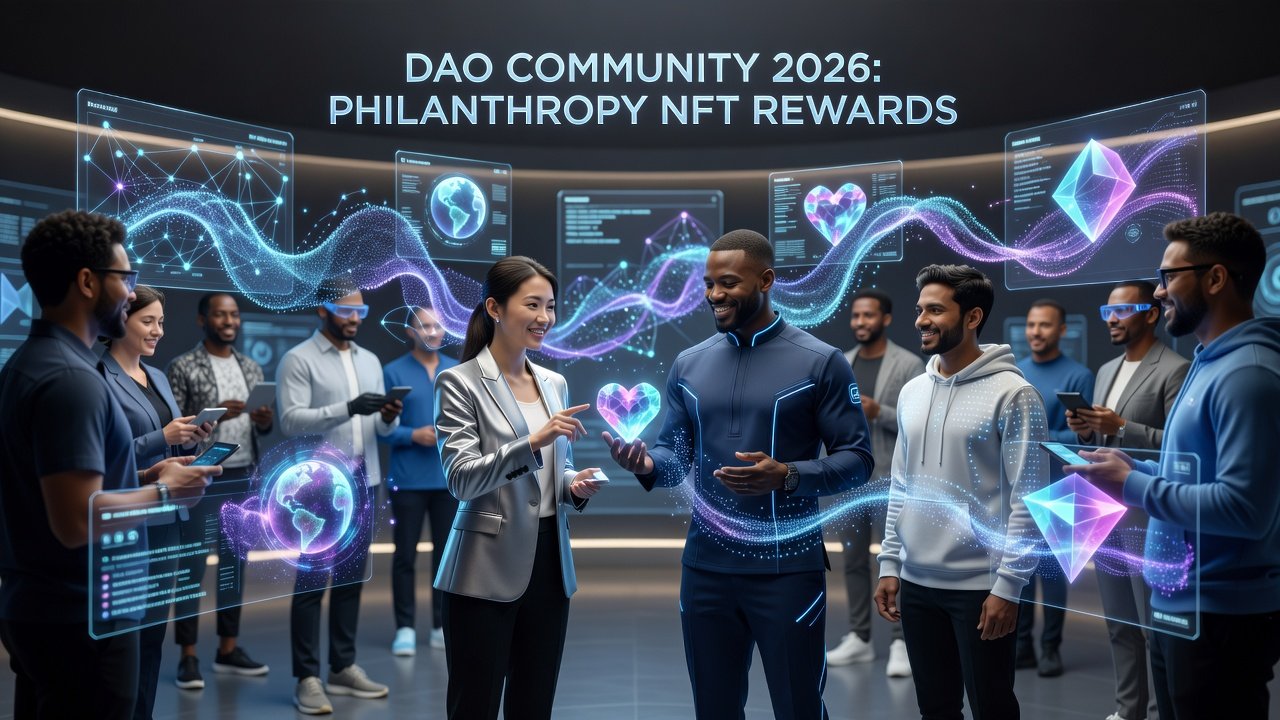
Decentralized Autonomous Organizations (DAOs) have transformed philanthropy by combining blockchain transparency with community-driven funding. In 2026, NFT rewards play a central role in boosting donor engagement, creating lasting connections between contributors and causes. This article explores fresh case studies, token mechanics, governance frameworks, and measurable impact strategies that help DAOs achieve higher completion rates. Traditional charity often struggles with donor retention and transparency issues, leading to lower trust and repeated giving. DAOs address these challenges through on-chain voting, automated distributions, and verifiable NFT incentives that reward participation at every level. By examining successful projects from the past year, readers gain actionable insights for implementation that go beyond surface-level overviews.
The evolution of DAO philanthropy reflects broader Web3 adoption, where communities pool resources without central intermediaries. NFT rewards add a layer of personalization and utility that static donation receipts cannot match. This shift encourages not only one-time gifts but sustained involvement through evolving digital assets.
Token Mechanics Behind NFT Rewards
NFT rewards in DAO philanthropy typically involve minting unique digital assets tied to donation tiers. These NFTs can grant access to exclusive governance votes, future project updates, or revenue shares from DAO treasuries. Smart contracts handle issuance automatically once a donation threshold is met, reducing administrative overhead and ensuring immediate delivery. Mechanics often include dynamic NFTs that evolve based on ongoing support, such as adding badges for repeated contributions or unlocking new visual layers when impact milestones are reached. This creates gamification that encourages sustained engagement across multiple funding rounds. Projects commonly integrate ERC-721 or ERC-1155 standards for scalability across multiple chains, allowing seamless transfers and integrations with popular wallets. Advanced implementations use soulbound tokens for non-transferable reputation NFTs that accumulate proof of impact, fostering long-term loyalty without speculative trading pressures.
Governance Models Driving Participation
Effective DAO governance blends token-weighted voting with quadratic mechanisms to prevent whale dominance and promote broader inclusion. In philanthropy DAOs, members propose causes, vote on fund allocation, and oversee NFT reward distribution through transparent proposal systems. Some models incorporate reputation scores earned through verified impact reports, giving experienced donors greater influence on complex decisions. Hybrid approaches combine on-chain proposals with off-chain deliberation forums hosted on platforms like Discord or dedicated governance portals. This ensures thoughtful discussion before votes are cast, reducing rushed or uninformed decisions. Governance tokens may also double as NFT reward multipliers, aligning incentives between donors and decision-makers while maintaining checks against centralization.
Real-World 2026 Case Studies
One prominent example involves a climate-focused DAO that issued evolving NFTs for tree-planting donations. Contributors received NFTs whose metadata updated with verified carbon sequestration data, driving repeat funding cycles and community storytelling around environmental milestones. Another case highlights an education DAO using NFT badges to reward micro-donations toward scholarships in developing regions. Governance votes allocated treasury funds based on completion metrics from partner schools, resulting in transparent tracking and higher donor trust through public dashboards. A health initiative DAO distributed utility NFTs granting access to research updates from funded medical projects, improving engagement rates by offering tangible ongoing value. Additionally, an animal welfare DAO implemented tiered NFTs that provided virtual adoption certificates evolving into real-world impact reports, achieving strong retention through emotional connection. Finally, a disaster relief DAO used time-limited NFTs that unlocked matching fund multipliers during emergency campaigns, demonstrating how urgency combined with digital rewards accelerates funding velocity.
Impact Measurement Frameworks
Successful projects use on-chain analytics combined with third-party oracles for verifiable outcomes. Key metrics include donation-to-impact ratios, donor retention over multiple cycles, and NFT redemption rates that indicate active engagement. Frameworks often integrate with tools like Dune Analytics for public dashboards accessible to all token holders. Regular reporting through governance proposals keeps communities informed and accountable. Benchmarks show that DAOs publishing quarterly impact reports see improved participation compared to those without structured measurement. These frameworks also track secondary effects such as social media amplification from NFT holders sharing their rewards.

Practical Setup Tutorial
Setting up an NFT reward system begins with selecting a DAO platform that supports minting and treasury management, such as those built on Ethereum or compatible layer-2 networks. Next, define donation tiers clearly in the smart contract code, specifying attributes like rarity, utility functions, and evolution triggers based on verified milestones. Integrate governance tokens so that holders can vote on fund releases while NFT rewards automatically distribute upon transaction confirmation. Set up impact tracking via oracles or verified data feeds from trusted partners to update NFT metadata in real time. Launch with a pilot cause to test user experience and gather community feedback through governance channels. Iterate based on metrics like completion rates and engagement levels, refining reward structures for better retention. Include educational resources such as video tutorials and FAQ documents to onboard new participants smoothly. Test all smart contracts on testnets before mainnet deployment to avoid costly errors.
Performance Benchmarks from Active Projects
Leading 2026 initiatives report measurable improvements in donor retention when NFT rewards are active and tied to meaningful utilities. Governance participation often rises when rewards include direct voting rights or proposal submission privileges. Projects emphasizing clear metrics achieve stronger transparency scores and attract institutional partners seeking accountable giving mechanisms. Community forums frequently highlight how visual NFT evolution correlates with higher lifetime contribution values across diverse cause areas.
Pitfalls to Avoid
- Overcomplicating token mechanics, which can confuse new donors and reduce initial participation rates.
- Ignoring regulatory compliance in different jurisdictions, potentially exposing the DAO to legal risks.
- Failing to update NFT metadata with real impact data, leading to diminished perceived value over time.
- Underestimating gas fees on high-traffic chains during launches, which can deter smaller donors.
- Neglecting community education on governance participation, resulting in low voting turnout and centralized control.
- Over-relying on speculative NFT value instead of utility features that provide consistent benefits regardless of market conditions.
FAQ on Compliance and Scaling
How do DAOs handle tax compliance for NFT rewards?
Projects consult legal experts to classify NFTs appropriately and provide donors with necessary documentation for reporting purposes. Many operate through registered entities in favorable jurisdictions while maintaining transparent on-chain records.
What strategies help scale DAO philanthropy effectively?
Start with focused causes to build momentum, leverage cross-chain bridges for broader reach, and automate reward distribution to handle growing volumes efficiently without manual intervention.
Are there risks with NFT valuation in rewards?
Volatility can affect perceived value, so many DAOs emphasize utility over speculation by tying NFTs to ongoing governance benefits and verifiable impact updates that retain relevance.
How can smaller DAOs compete with larger ones in reward appeal?
Focus on niche causes with passionate communities, partner with established impact verifiers, and offer unique storytelling elements within the NFT metadata to differentiate offerings.
Conclusion
DAO philanthropy enhanced by NFT rewards offers a transparent, engaging model for 2026 funding initiatives. By focusing on solid token mechanics, inclusive governance, and rigorous impact measurement, organizations can drive meaningful results while avoiding common pitfalls. Implementing the detailed steps outlined here positions new projects for success in this evolving space. For further reading on blockchain standards, visit ethereum.org, explore global development resources at worldbank.org, and review international aid frameworks at un.org.

No comments yet. Be the first!