 CryptoChain Blog
Introduction to Token Economics in 2026 Web3 Creator Platforms
The decentralized web has evolved significantly by 2026, with token economics serving as the backbone for how creators earn, engage audiences, and retain ownership. This comparison explores leading platforms' incentive structures, including dynamic royalties, staking rewards, and governance tokens, helping creators identify models that align with their goals. The Web3 creator economy now supports millions of independent artists, writers, musicians, and developers who leverage blockchain for direct monetization without intermediaries.
Understanding these systems is essential because revenue splits, NFT mechanics, and cross-platform benchmarks directly impact long-term earnings. Creators who master token design can build sustainable income streams beyond traditional ad revenue or subscriptions. In 2026, platforms differentiate through sophisticated token models that reward participation at every level, from initial content creation to community governance. This article provides in-depth analysis, real deployment examples, and actionable guidance for selecting the right ecosystem.
Core Token Incentive Models Driving Engagement
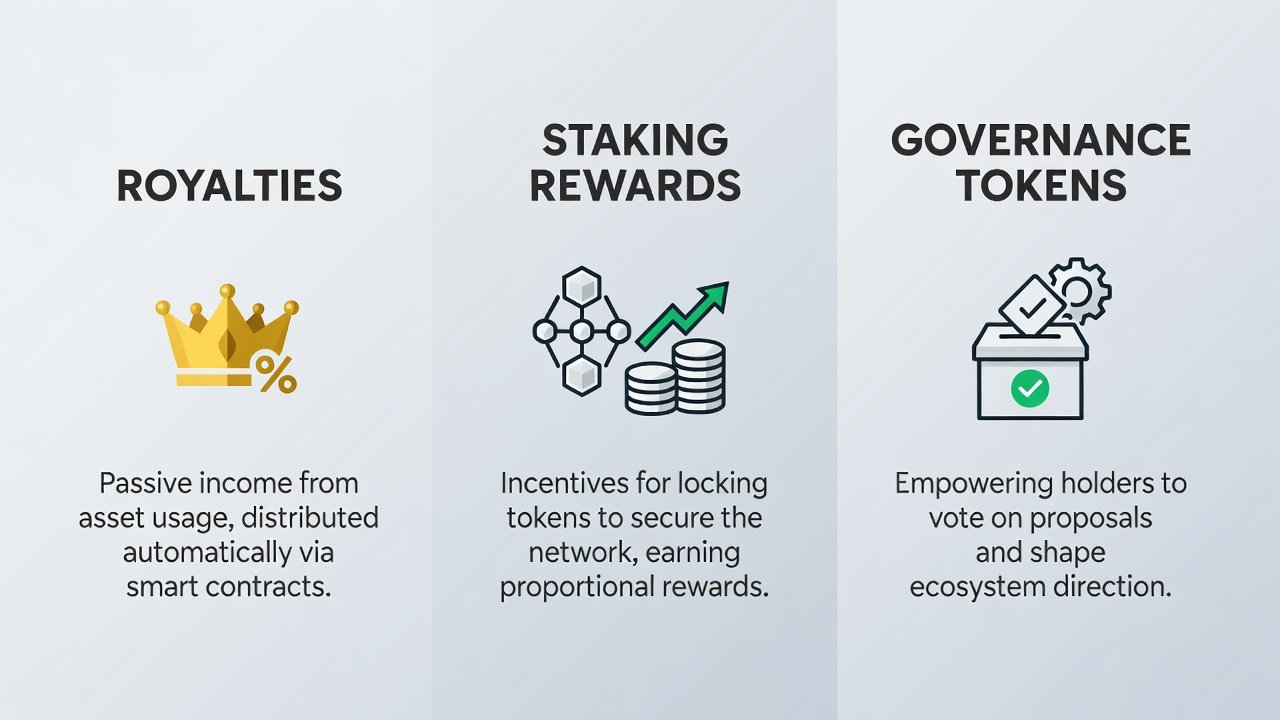
Dynamic royalties adjust automatically based on secondary sales volume and holder activity, rewarding creators with ongoing percentages that can increase with demand. Staking rewards allow token holders to lock assets for yields, fostering community loyalty through predictable returns. Governance tokens empower users to vote on platform upgrades, aligning incentives between creators and ecosystems by giving voice to those who contribute most.
These models create powerful flywheels: higher engagement boosts token value, which attracts more participants and liquidity. Benchmarks from 2026 deployments show platforms integrating multiple mechanisms outperform single-model approaches by encouraging sustained interaction over months or years. For instance, combining royalties with staking creates dual revenue paths where creators earn from sales and also from holding platform tokens.
Dynamic Royalties in Practice
Dynamic royalties represent an advancement over fixed rates. Smart contracts monitor marketplace activity and adjust percentages in real time, often favoring early supporters. This encourages long-term holding rather than quick flips, stabilizing creator income.
Staking Rewards and Yield Mechanisms
Staking pools distribute rewards from transaction fees or inflationary token schedules. Participants typically commit tokens for set periods, earning yields that compound when reinvested. Platforms with transparent on-chain staking data build higher trust among creators evaluating options.
Governance Tokens and Community Control
Governance tokens enable proposals for fee structures, feature additions, and treasury allocations. Active voting participation often unlocks bonus rewards, turning users into stakeholders with skin in the game.
NFT Integration Mechanics Across Platforms
NFTs remain central for ownership and monetization in 2026. Leading platforms enable seamless minting with built-in royalty enforcement via smart contracts that cannot be bypassed. Some support fractional NFTs, allowing creators to sell portions of high-value works while retaining governance rights over the whole asset.
Cross-platform benchmarks reveal differences in gas efficiency and interoperability. Platforms leveraging layer-2 solutions reduce costs and improve accessibility for emerging creators. Interoperability features let NFTs move between ecosystems, expanding audience reach and secondary market opportunities.
Revenue Split Examples from Real Deployments
Real-world examples illustrate effective splits. Top performers allocate the majority share to creators after platform fees, with additional boosts from staking pools and governance incentives. Revenue models often include creator funds distributed quarterly based on engagement metrics such as views, likes, and token holdings.
These examples demonstrate how thoughtful token design leads to higher retention. Creators benefit from diversified income: primary sales, secondary royalties, staking yields, and occasional airdrops tied to platform milestones.
Case Studies of Top-Performing Platforms
One standout platform uses a hybrid model combining dynamic royalties with staking, achieving substantially higher retention rates through consistent reward distribution. Performance metrics tracked over multiple quarters show increased creator activity and community growth. Another emphasizes governance tokens, leading to community-driven feature development that boosted overall ecosystem value and user satisfaction.
A third platform excels in cross-chain NFT support, allowing creators to deploy on multiple networks simultaneously. This approach has resulted in broader visibility and diversified revenue, with case studies highlighting successful campaigns that leveraged staking to build dedicated fan bases.
Practical Checklist for Evaluating Platforms
- Assess royalty flexibility and enforcement reliability through audited contracts
- Review staking APY stability and lock-up periods with historical performance data
- Evaluate governance token distribution fairness and voting power concentration
- Check NFT minting costs, metadata standards, and interoperability features
- Analyze historical creator payout transparency via on-chain dashboards
- Examine community size, activity levels, and support resources
- Consider multi-chain compatibility and future upgrade roadmaps
Setup Steps for Launching on Web3 Platforms
- Research platform documentation and token whitepapers thoroughly before committing
- Connect a secure wallet and complete any required verification processes
- Mint initial NFTs with configured royalties and test secondary sale flows
- Stake tokens strategically to activate rewards while monitoring market conditions
- Engage in governance proposals to influence platform direction and optimize personal returns
- Track performance metrics regularly and adjust strategies based on analytics
Common Pitfalls and How to Avoid Them
Overlooking smart contract audits leads to vulnerabilities that can compromise funds. Ignoring liquidity risks in staking can lock assets during periods of volatility, reducing flexibility. Failing to diversify across platforms exposes creators to single-point ecosystem failures or sudden policy changes.
Another frequent mistake involves neglecting community building alongside token mechanics. Even the best incentive structures require active engagement to thrive. Creators should also monitor regulatory developments in their jurisdictions to ensure compliance with evolving digital asset rules.
Optimization Tips Based on 2026 Trends
Focus on multi-chain strategies for broader reach and resilience against network congestion. Leverage advanced analytics tools for royalty tuning and audience segmentation. Prioritize community governance to adapt quickly to market shifts and emerging opportunities. Explore integrations with established protocols for enhanced security and visibility, such as those outlined on Ethereum's official resources and Web3 Foundation guidelines.
Additional best practices include experimenting with hybrid NFT and token bundles, participating in early platform betas for bonus allocations, and maintaining diversified token portfolios across several creator-focused ecosystems. Staying informed through reputable sources like IPFS documentation supports better decisions on storage and permanence of digital assets.
Conclusion
By comparing these token economics in depth, creators can select platforms that maximize earnings through balanced incentives. Continuous monitoring of trends, active participation in governance, and strategic diversification will ensure sustained success in the evolving Web3 landscape. The platforms that succeed in 2026 reward creators who treat token participation as an ongoing strategy rather than a one-time setup.
No comments yet. Be the first!