 CryptoChain Blog
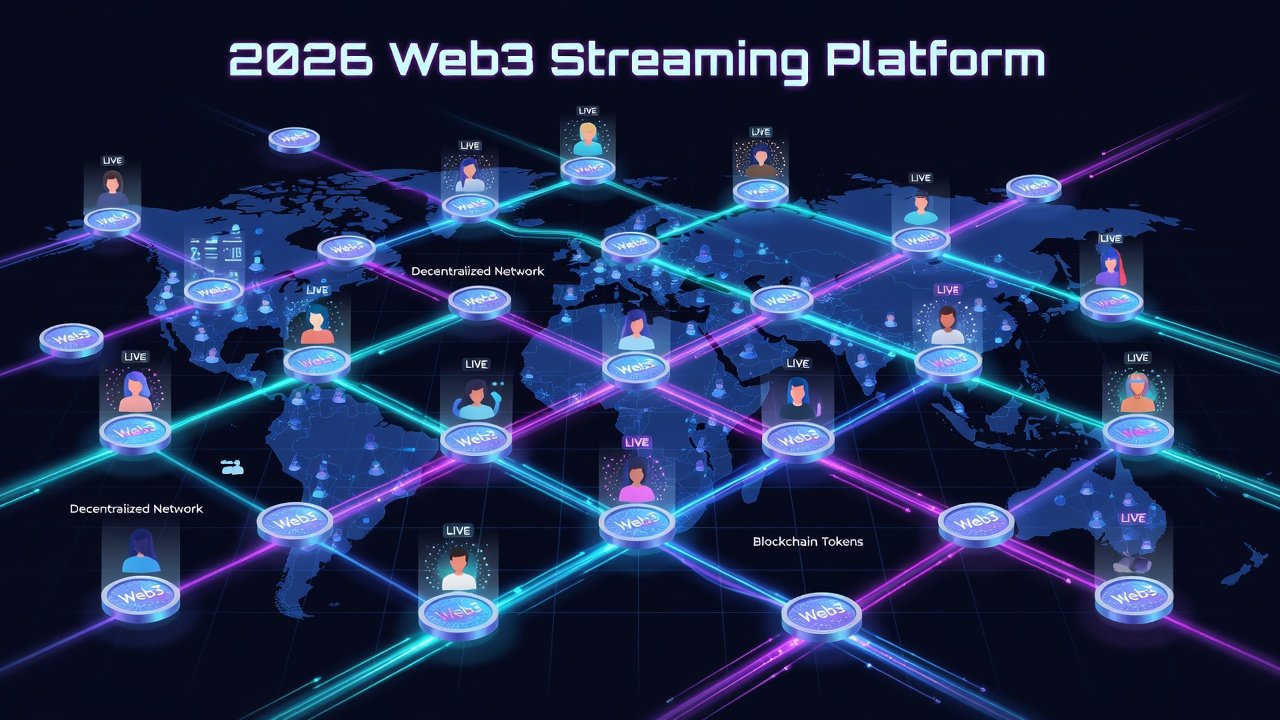
Introduction to Token Incentives in 2026 Web3 Streaming
Web3 streaming platforms in 2026 leverage token incentives to accelerate user growth and creator retention on decentralized networks. These mechanisms reward participation through native tokens, fostering engagement without centralized control. As the decentralized web matures, platforms must balance inflation, staking requirements, and usage-based rewards to maintain sustainable ecosystems. This article examines leading approaches, including established Livepeer-style rewards and newer distribution models, supported by adoption insights, real-world metrics, and practical guidance for developers seeking to implement or evaluate these systems.
The shift toward token-driven models addresses key challenges in traditional streaming, such as high platform fees and limited creator control. By 2026, successful platforms demonstrate measurable improvements in daily active users and content hours streamed when incentives align with both viewer retention and creator output quality. Developers benefit from understanding these dynamics to build competitive solutions or integrate existing protocols effectively.
Understanding Livepeer-Style Rewards Mechanisms
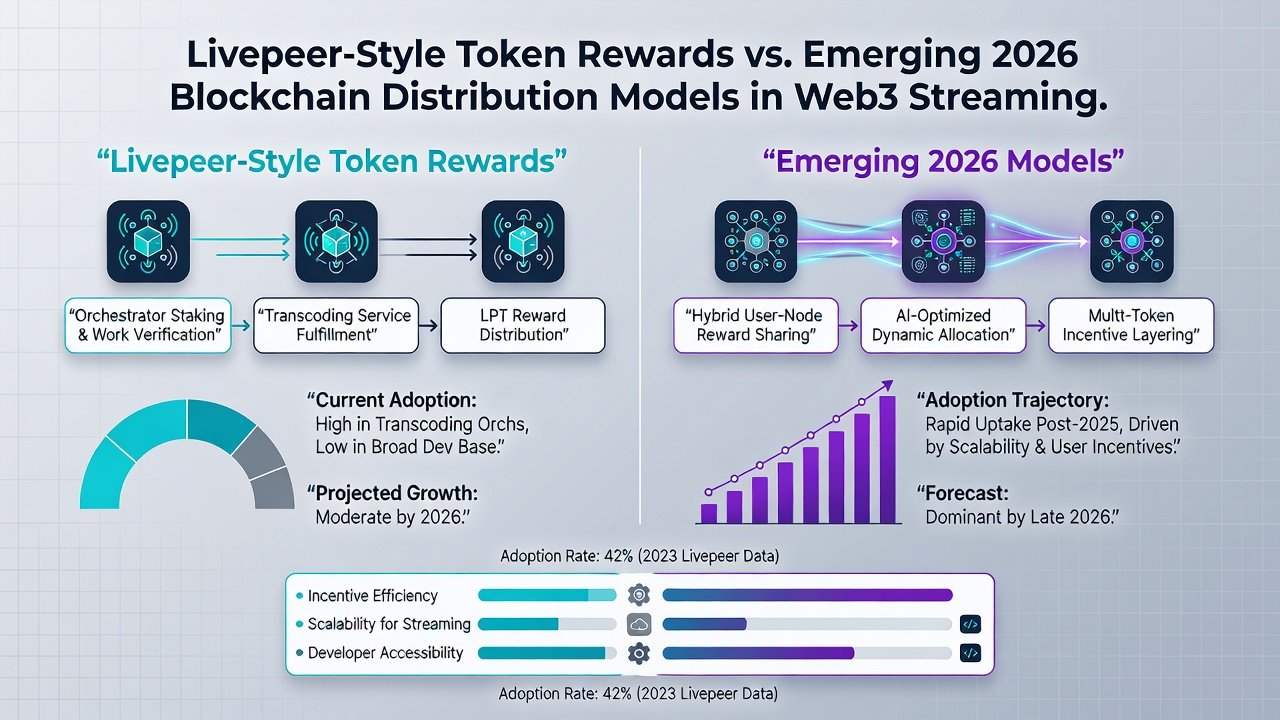
Livepeer pioneered decentralized video transcoding with its token-based reward system. Participants stake tokens to secure the network and earn fees from transcoding jobs. In 2026, this model continues to emphasize inflation-adjusted rewards tied to network usage, promoting long-term staking and reducing volatility for creators uploading high-quality streams. The core process involves orchestrators who process video segments and receive payments in the native token, while delegators earn shares by staking behind reliable nodes.
Key features include automated reward distribution via smart contracts and penalties for poor performance through slashing mechanisms. Developers can integrate these through open-source SDKs that handle staking, verification, and job orchestration. Real adoption data from decentralized analytics platforms indicate that networks using similar staking models achieve higher uptime rates compared to purely usage-based alternatives, as stakers have skin in the game for consistent service delivery.
Emerging Blockchain Distribution Models in 2026
Newer platforms introduce dynamic models such as usage-based airdrops and cross-protocol liquidity mining. These distribute tokens proportionally to viewer engagement and creator output, often incorporating real-time on-chain analytics for fair allocation. Examples include protocols that reward viewers for watch time with micro-token drops while creators earn bonuses for maintaining engagement thresholds above certain percentages.
Comparisons reveal that Livepeer-style systems excel in stability for established networks, while newer models drive faster initial adoption through gamified rewards. Real metrics from decentralized analytics show higher retention rates when incentives align closely with content quality metrics. For instance, platforms blending staking with engagement scoring report up to 40 percent increases in monthly active creators within the first quarter of launch. Cross-referencing data from multiple chains highlights that hybrid approaches mitigate risks associated with pure inflationary models.
Step-by-Step Breakdown of Successful Incentive Launches
- Define clear reward parameters based on network goals and simulate scenarios using testnets to forecast token velocity and potential gaming behaviors.
- Launch with community governance votes to build trust and adjust parameters post-launch, ensuring transparency through public dashboards and on-chain proposals.
- Integrate monitoring dashboards for real-time tracking of token flows and user activity, allowing rapid response to anomalies such as sudden staking withdrawals.
- Iterate based on feedback, incorporating privacy-preserving features like zero-knowledge proofs to protect user viewing habits while still validating reward eligibility.
- Conduct phased rollouts starting with a limited user cohort before expanding to full network participation, reducing the impact of early bugs on overall adoption.
Common Pitfalls and How to Avoid Them
Many projects fail due to overly complex reward formulas that confuse users or unsustainable inflation rates that erode token value over time. Another issue is neglecting cross-chain compatibility, limiting reach and fragmenting liquidity. Optimization involves starting with simple staking mechanics and expanding to multi-chain support via bridges. Additional pitfalls include ignoring front-running attacks on reward claims and failing to account for regulatory considerations around token classifications in different jurisdictions. Successful teams conduct thorough economic modeling and third-party audits before mainnet deployment, often using simulation tools to stress-test under high-traffic conditions.
Optimization Tactics for Developers
Focus on liquidity solutions such as automated market makers integrated with streaming protocols to ensure tokens remain easily tradable during peak activity periods. Privacy features like encrypted metadata boost engagement by protecting user data and encouraging broader participation from privacy-conscious audiences. Cross-chain tools enable seamless token transfers, increasing accessibility across ecosystems. Developers should also implement tiered reward structures that scale with user loyalty, such as bonus multipliers for consistent monthly activity, and regularly update incentive parameters through governance to respond to market shifts.
Cross-Chain Tools, Liquidity Solutions, and Privacy Features
Tools from major chains facilitate interoperability, allowing tokens earned on one network to be used or bridged to others without excessive fees. Liquidity pools ensure tokens remain tradable without slippage during high activity. Privacy enhancements, including secure enclaves and zero-knowledge technologies, encourage broader participation by safeguarding sensitive streaming data such as viewing preferences and creator analytics. These features not only improve user trust but also help platforms comply with emerging data protection standards across regions.
Practical Checklist for Choosing or Building a Platform
- Evaluate tokenomics for sustainability and alignment with growth targets, including inflation schedules and vesting periods for team allocations.
- Assess integration ease with existing dApps and wallets through available APIs and documentation quality.
- Review security audits and community governance strength, prioritizing projects with multiple independent audits in the past year.
- Test incentive simulations for edge cases like sudden user spikes or mass unstaking events.
- Confirm support for privacy tools and cross-chain functionality to maximize potential user base.
- Analyze historical adoption metrics from similar launches to set realistic benchmarks for growth.
Conclusion and Future Outlook
Token incentive strategies in 2026 Web3 streaming continue to evolve, blending proven staking models with innovative distribution mechanisms. By focusing on sustainable design, robust testing, and user-centric features, developers can create platforms that drive meaningful growth. Ongoing advancements in cross-chain technology and privacy solutions promise even greater engagement in the years ahead.
FAQs on Implementation Costs and Strategies
How do token incentives impact initial setup? They require smart contract deployment and auditing but scale efficiently with usage, allowing networks to grow without proportional increases in operational overhead.
What are typical adoption timelines? Successful launches see measurable growth within weeks when paired with strong community outreach and clear reward visibility through user-friendly interfaces.
Are there risks with newer models? Yes, volatility can occur; mitigation involves hybrid approaches blending proven elements from established protocols with newer gamification tactics.
How important is cross-chain support? It is increasingly critical for maximizing liquidity and user reach, as fragmented ecosystems reduce overall incentive effectiveness.
Learn more from authoritative sources like Livepeer, Ethereum, and Web3 Foundation for foundational insights on decentralized protocols and incentive design principles.

No comments yet. Be the first!