 CryptoChain Blog
Introduction to Token Incentives in Web3 Streaming
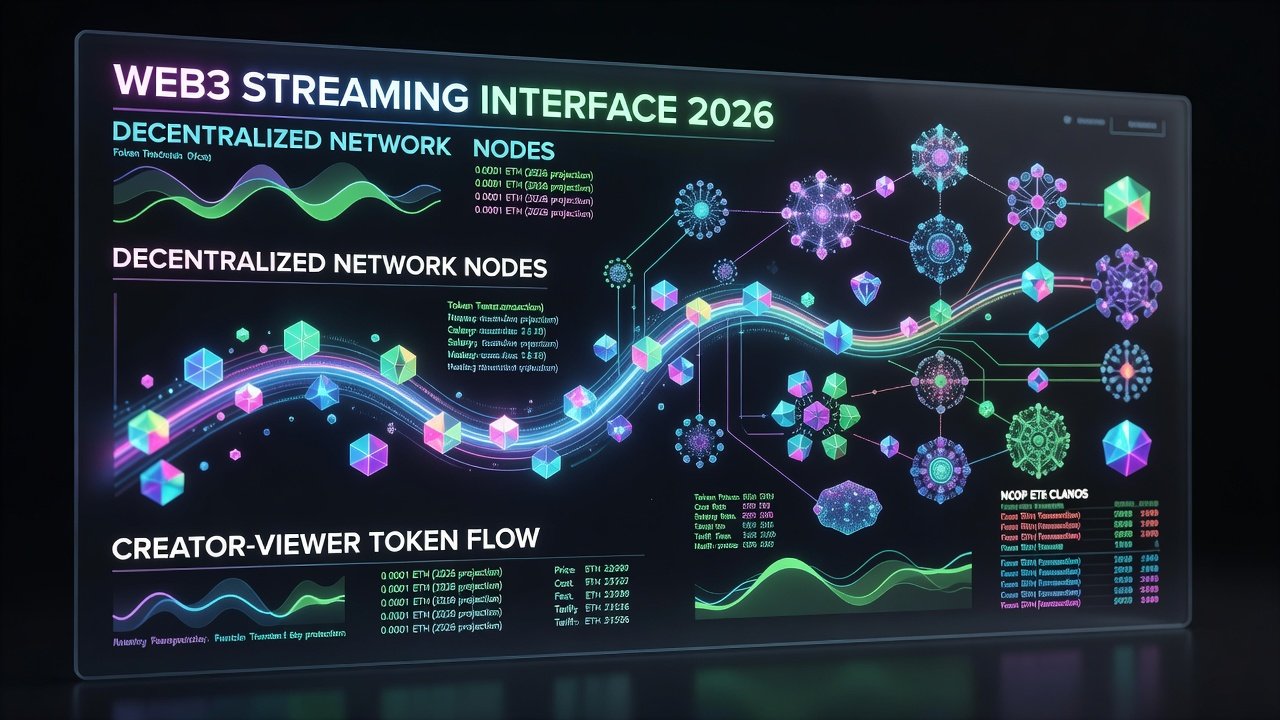
Web3 streaming platforms are transforming content distribution through decentralized networks where token incentives drive both creator retention and user acquisition. In 2026, these mechanisms enable direct monetization without intermediaries, fostering sustainable ecosystems that reward participation at every level. Token incentives align the interests of creators, viewers, and node operators by distributing value based on verifiable contributions recorded on the blockchain. This article explores proven strategies, compares leading platforms, and provides actionable steps for implementation, drawing from real-world deployments to help creators and platform builders achieve measurable growth.
The core appeal lies in bypassing traditional gatekeepers. Instead of relying on ad revenue shares that often favor platforms, token models let creators earn directly from engagement. Viewers gain utility through rewards that can be traded or used within the ecosystem, creating a flywheel effect that accelerates user acquisition. As networks mature, these systems incorporate governance features, allowing token holders to influence platform evolution and further boosting retention.
Understanding Blockchain Distribution Mechanics
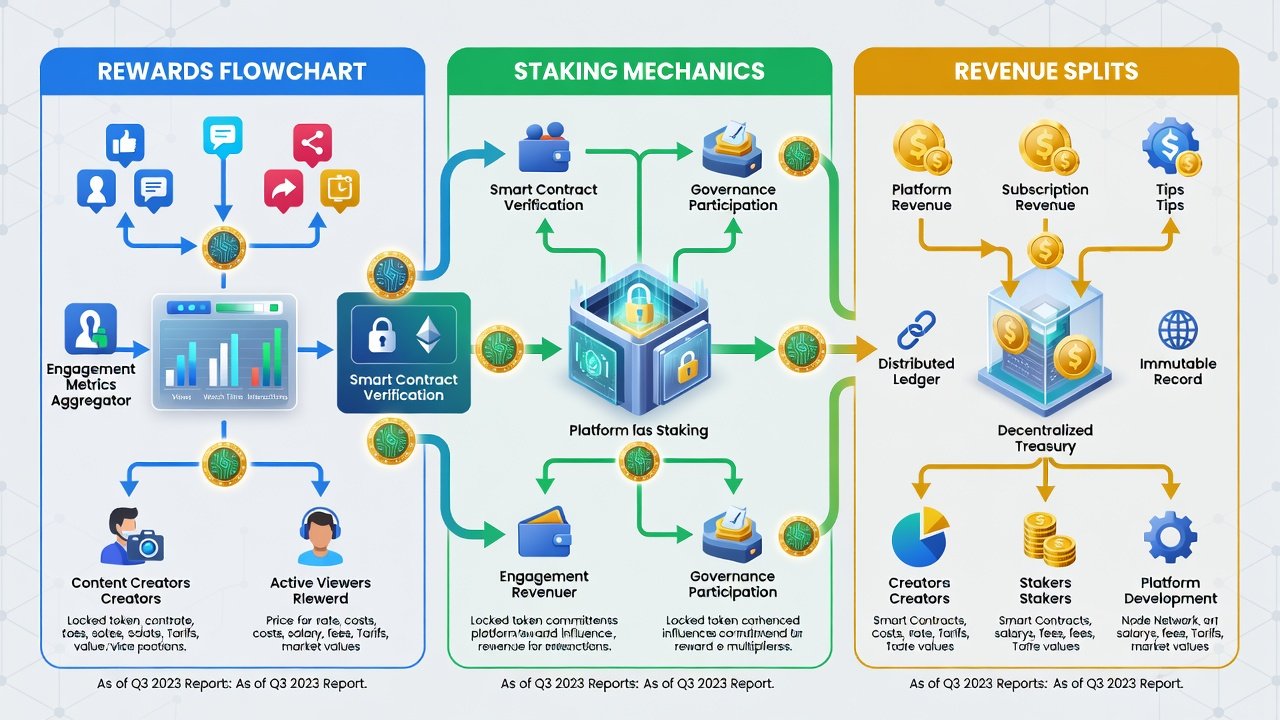
Decentralized video networks leverage blockchain for transparent content delivery and reward distribution. Tokens are allocated based on engagement metrics such as view time, shares, and subscriptions. Smart contracts automate payouts, ensuring creators receive revenue splits in real time. For example, networks distribute tokens proportionally to network contributions, reducing central control and minimizing disputes over earnings. Ethereum.org provides foundational resources on how smart contracts enable these automated, trustless distributions across multiple chains.
Key mechanics include staking requirements for validators who secure the network and liquidity pools that support token utility. These systems promote long-term participation by aligning incentives across stakeholders. Distribution often occurs in epochs, with on-chain oracles verifying video delivery and viewer activity to prevent fraud. Advanced implementations use layer-2 solutions for lower fees, allowing micro-rewards to accumulate efficiently without eroding value through gas costs. Participants can also delegate tokens to professional operators, earning passive yields while contributing to network capacity.
Comparing Models from Leading Decentralized Video Networks
Several platforms offer distinct approaches to token incentives. Livepeer uses its LPT token for transcoding services, rewarding node operators for processing video streams and maintaining quality. Alternatives like Theta Network emphasize viewer rewards through TFUEL tokens, boosting user acquisition via micro-payments for watching and sharing content. Another model from VideoCoin focuses on storage incentives, where participants earn tokens for hosting video files and ensuring redundancy across the decentralized network.
Monetization outcomes vary significantly. Livepeer alternatives often achieve higher creator retention through flexible staking rewards that scale with network demand. Theta-style systems excel in rapid user growth via gamified engagement that turns passive viewing into an earning opportunity. Hybrid models combining staking and viewing rewards deliver balanced results in 2026 deployments, with some networks reporting consistent month-over-month increases in active channels. When evaluating options, consider factors such as token velocity, governance participation rates, and integration ease with existing streaming tools.
Case Studies: Real Metrics from Token-Incentivized Channels
One prominent case involved a music streaming channel on a decentralized network that implemented viewer reward tokens. Within three months, engagement lifted by 45% as users earned tokens redeemable for exclusive content and merchandise. Revenue splits reached 70/30 in favor of creators, with total payouts exceeding prior centralized benchmarks by a substantial margin. The channel also saw a 30% rise in repeat viewers who returned specifically for the reward mechanics.
Another example from an educational video platform demonstrated creator retention improvements. By distributing governance tokens for consistent uploads and community moderation, monthly active creators increased by 60%, and liquidity issues were mitigated through timed vesting schedules. These outcomes highlight the power of targeted incentives when paired with transparent analytics dashboards that let creators track their earnings in real time.
A third case study from a live sports streaming initiative showed how combining staking with referral bonuses drove exponential user acquisition. New viewers received starter token packs for signing up, leading to a 2.5x growth in concurrent streams over four months while maintaining healthy token economics through controlled emission rates.
Step-by-Step Guide to Launching a Token-Incentivized Channel
- Research and select a compatible decentralized platform that aligns with your content niche and target audience size.
- Set up a non-custodial wallet integrated with the chosen network and acquire the necessary base tokens for initial operations.
- Define incentive parameters clearly, such as token rewards per view minute, staking thresholds for creators, and bonus multipliers for high-engagement content.
- Integrate smart contract templates for automated distribution, testing thoroughly on a testnet to identify edge cases before mainnet launch.
- Provision initial liquidity on decentralized exchanges to ensure smooth token trading and prevent early volatility that could deter participants.
- Develop a content calendar that incorporates community challenges and reward events to maintain momentum after launch.
- Promote via community channels, tracking metrics like engagement lifts through on-chain analytics tools and adjusting rewards based on performance data.
- Establish vesting schedules and performance-based cliffs to encourage sustained creator activity rather than short-term farming.
- Monitor regulatory compliance in key jurisdictions and consult specialists to structure incentives appropriately.
- Iterate continuously by gathering feedback from both creators and viewers, refining the model to optimize retention and acquisition over time.
Practical Tips for Avoiding Common Pitfalls
Liquidity issues often arise from low trading volume after launch. Counter this by partnering with established DEXes for initial token listings and providing modest liquidity incentives to early market makers. Regulatory hurdles require consulting legal experts familiar with securities laws in target jurisdictions, as token classifications can vary widely and change with evolving frameworks. Avoid over-incentivizing short-term behavior by incorporating vesting periods and performance-based cliffs that reward consistent contributions.
Monitor for Sybil attacks through layered identity verification and reputation systems that make fake accounts economically unattractive. Diversify reward pools across multiple engagement types to prevent concentration among a small group of power users. Regular audits of smart contracts by reputable firms help maintain trust and security, reducing the risk of exploits that could undermine the entire incentive structure. Finally, maintain open communication channels with the community to address concerns before they escalate into larger problems.
Monetization Outcomes and Supporting Tools
Successful implementations typically see creators earning diversified revenue streams that combine token rewards with direct fan support. Tools such as on-chain analytics platforms and no-code contract deployers lower the barrier for new entrants. Integration with popular wallets and social features further amplifies reach, turning each successful stream into organic marketing.
Conclusion
Token incentive strategies are essential for Web3 streaming success in 2026, balancing creator retention with scalable user acquisition. By studying successful models and following structured launch processes, platforms can achieve meaningful monetization while navigating challenges effectively.
FAQ
What is the typical timeline for implementing token incentives?
Implementation usually takes 4-8 weeks, including platform selection, contract deployment, and initial testing phases, though complex customizations may extend this period.
Which tools are recommended for token distribution?
Popular options include established blockchain explorers and analytics dashboards from major networks, along with open-source smart contract libraries for customization.
How do I measure success after launch?
Track on-chain metrics such as average session duration, token velocity, creator retention rates, and referral-driven signups using built-in platform dashboards.
What happens if token value fluctuates sharply?
Build stabilization mechanisms like treasury reserves or dynamic reward adjustments to cushion volatility and protect participant incentives during market swings.
No comments yet. Be the first!