 CryptoChain Blog
Introduction to Decentralized AI in Web3
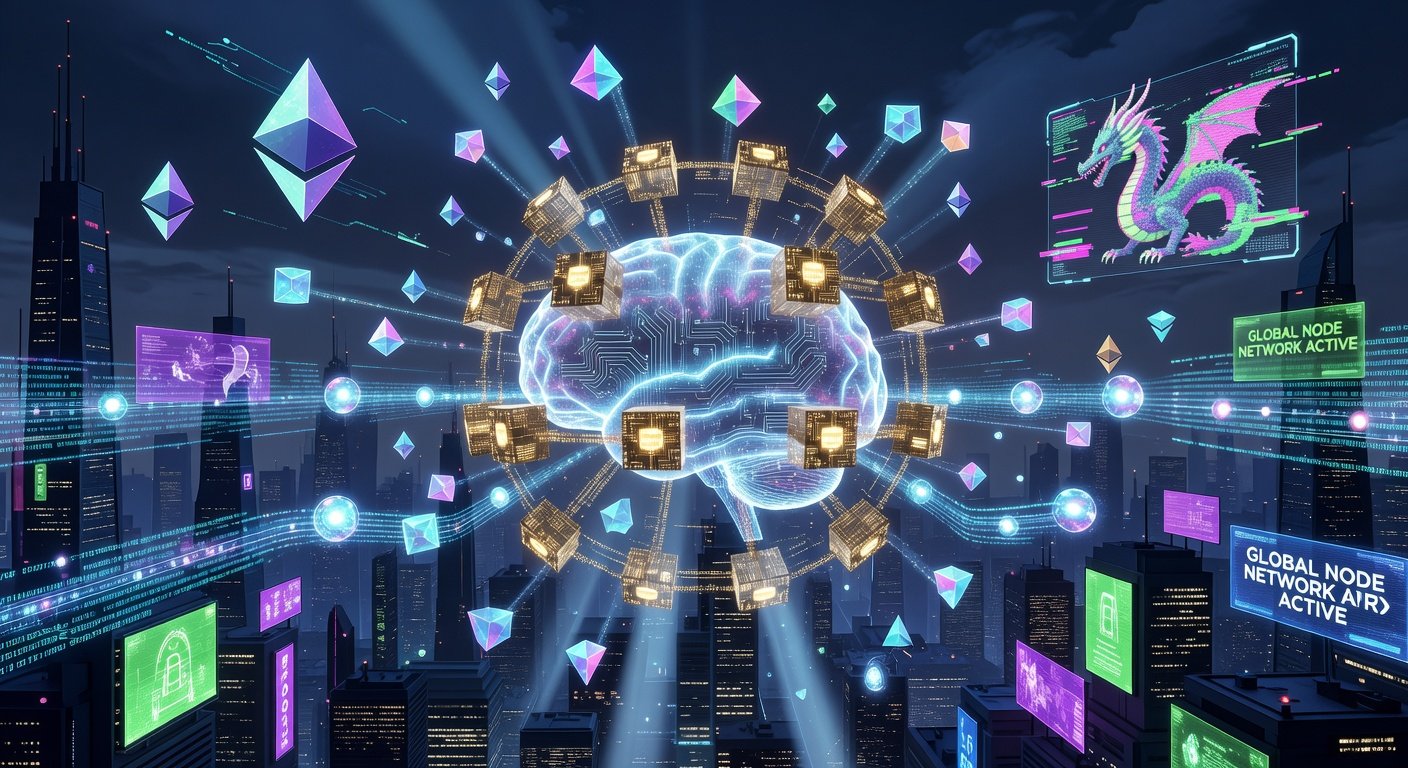
Decentralized AI is emerging as a game-changer in the web3 ecosystem, blending the power of machine learning (ML) with blockchain technology. Unlike centralized AI models controlled by big tech giants, decentralized AI distributes computation across networks, ensuring privacy, transparency, and censorship resistance. This fusion addresses key web3 trends like data sovereignty and trustless systems, paving the way for innovative applications by 2026.
In web3, where users own their data and interactions occur on decentralized ledgers, AI can now train on fragmented datasets without compromising user privacy. Projects are leveraging blockchain for secure model sharing and incentives via tokens, revolutionizing sectors like DeFi and NFTs.
What is Decentralized AI?
Decentralized AI refers to AI systems built on distributed networks, where models are trained, validated, and deployed without a single point of failure. Core components include:
- Federated Learning: Devices train local models and share only updates, not raw data.
- Blockchain Oracles: Feed real-world data into smart contracts for AI decision-making.
- Tokenized Incentives: Reward nodes for contributing compute power or data.
This approach counters centralized AI's pitfalls, such as data monopolies and biases. For instance, platforms like Ocean Protocol enable data marketplaces on blockchain.
Blockchain Meets Machine Learning: The Core Synergy
Blockchain provides immutability and verifiability, while ML excels at pattern recognition. Together, they create privacy-preserving models on the decentralized web. Key mechanisms include:
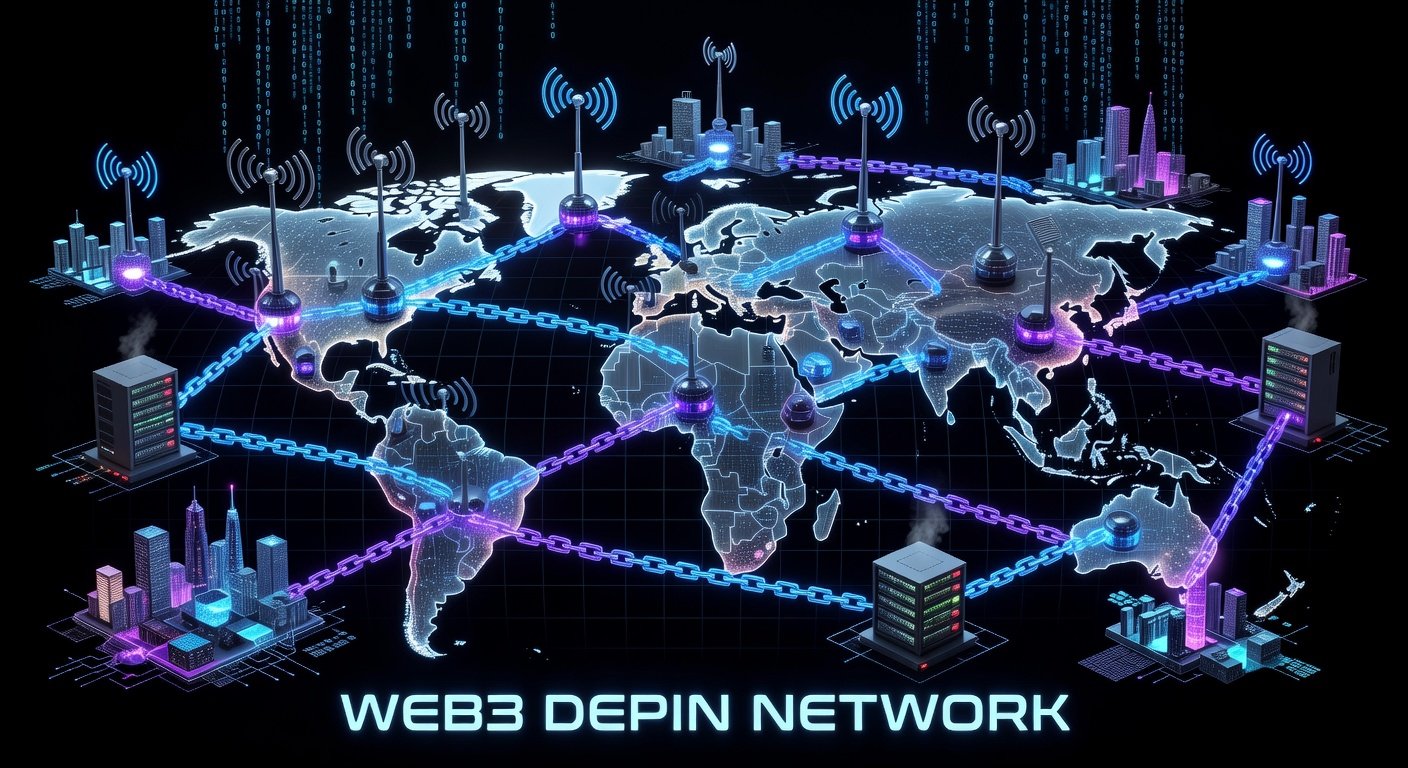
- Distributed Compute: Networks like Golem or Render split AI workloads across global nodes.
- Smart Contracts for Governance: Automate model updates and consensus on predictions.
- Interoperability: Protocols like Polkadot enable cross-chain AI services.
By 2026, expect seamless integration where AI agents autonomously execute web3 transactions.
Zero-Knowledge Proofs: The Privacy Powerhouse in AI Training
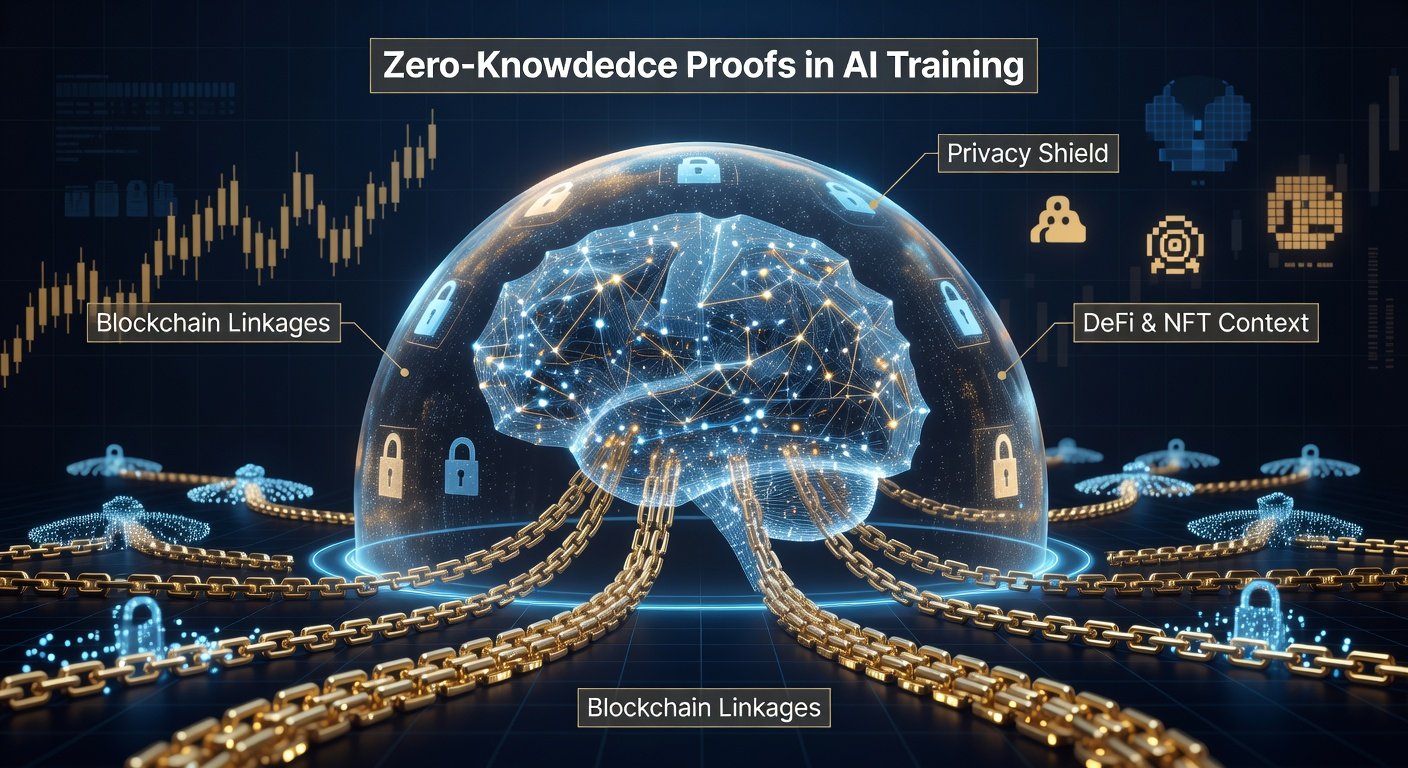
Zero-knowledge proofs (ZKPs) are cryptographic marvels allowing one party to prove knowledge without revealing it. In AI, ZKPs enable verifiable computation for training phases.
Traditional AI training exposes sensitive data; ZKPs change that. For example:
- Prove model accuracy without sharing weights.
- Validate inferences on-chain privately.
- Enable zkML (zero-knowledge machine learning) for trustless predictions.
Ethereum's ecosystem is leading here. Learn more about zero-knowledge proofs on Ethereum, which underpin scalable, private AI in web3.
In practice, projects like Worldcoin use ZKPs for identity verification in AI data labeling, ensuring anonymity.
Real-World Applications: DeFi and NFTs in 2026
By 2026, decentralized AI will transform DeFi and NFTs with predictive, privacy-focused tools.
DeFi Innovations
AI-driven risk assessment without exposing user positions:
- Dynamic Yield Optimization: Models predict APYs across protocols using on-chain data.
- Fraud Detection: ZKPs flag anomalies privately.
- Automated Market Making: AI adjusts liquidity pools in real-time.
Imagine DeFi platforms like Aave integrating AI oracles for personalized lending rates, secured by Chainlink.
NFT Evolution
NFTs go beyond art: AI generates dynamic metadata, evolving with market trends.
- Generative AI Collections: On-chain trained models create unique traits privately.
- Valuation Oracles: Predict floor prices using historical blockchain data.
- Metaverse Agents: Autonomous NFTs interacting in virtual worlds.
Projections show NFT marketplaces with AI curators boosting trading volumes by 300%.
Predictions: Impact on Web3 Landscape
Decentralized AI will democratize intelligence, with bold forecasts:
- Market Growth: $10B+ in tokenized AI compute by 2026.
- Adoption Surge: 50% of DeFi protocols using AI models.
- Regulatory Wins: ZKPs easing compliance for privacy regs like GDPR.
- Challenges: Scalability hurdles, but layer-2 solutions like zkSync will prevail.
Overall, it shifts power from VCs to communities, fostering a truly decentralized web.
Steps for Developers to Build on Decentralized AI Trends
Ready to dive in? Here's a roadmap:
- Learn Fundamentals: Master Solidity, Rust for Substrate, and PyTorch for ML.
- Choose a Stack: Use Hugging Face for models, IPFS for storage. Check IPFS for decentralized file systems.
- Implement ZKML: Libraries like ezkl for zk-proof generation.
- Build a Prototype: Train a simple predictor on Polygon testnet.
- Tokenize & Launch: Create governance tokens; deploy on Uniswap.
- Test & Iterate: Use tools like Foundry for audits.
Start small: Fork a repo from Gitcoin bounties focused on AI-web3 hacks.
Conclusion
Decentralized AI isn't just a trend—it's the future of web3, unlocking privacy-preserving intelligence at scale. As 2026 approaches, DeFi and NFTs will lead, driven by ZKPs and blockchain synergies. Developers, seize this moment to innovate and shape the decentralized web.

No comments yet. Be the first!