 CryptoChain Blog
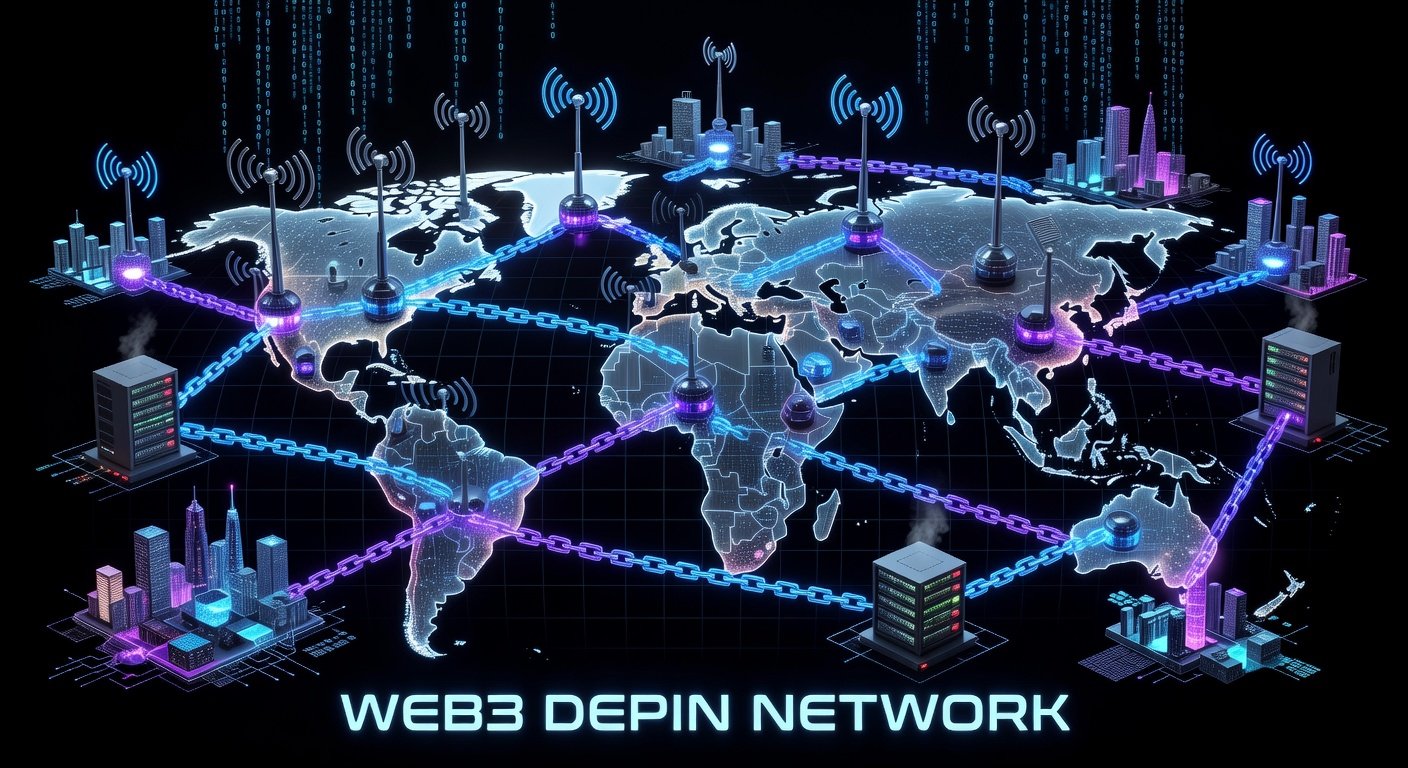
What Are Decentralized Physical Infrastructure Networks (DePIN)?
Decentralized Physical Infrastructure Networks, or DePIN, represent a revolutionary shift in Web3. Unlike traditional cloud services controlled by centralized giants like AWS or Google, DePIN leverages blockchain to crowdsource and decentralize real-world hardware infrastructure. Think wireless networks, data storage, computing power, and even mapping services—all powered by distributed nodes run by everyday users.
In 2026, DePIN is poised to explode as a breakout trend. Projections show the sector surpassing $3.5 billion in market cap, driven by token incentives that reward participants for contributing hardware. This model solves key Web3 pain points: scalability, high costs, and centralization risks. By tokenizing physical resources, DePIN creates self-sustaining ecosystems where supply and demand balance via smart contracts.
Why DePIN is the Web3 Trend to Watch in 2026
The appeal of DePIN lies in its tangible utility. Web3 has long promised decentralization, but most projects operate in the digital realm. DePIN bridges the gap to the physical world, enabling applications like decentralized 5G networks, AI compute grids, and secure storage alternatives to Dropbox or iCloud.
Key drivers include:
- Token Incentives: Users earn native tokens by providing hardware uptime, bandwidth, or storage. This gamifies participation, bootstrapping networks without venture capital.
- Scalability: Peer-to-peer models scale organically as more nodes join, reducing reliance on expensive data centers.
- Cost Efficiency: Crowdsourced infrastructure undercuts centralized providers by 50-80% in many cases.
- Resilience: No single point of failure—networks thrive even if nodes go offline.
Analysts predict DePIN will power the next wave of IoT, edge computing, and metaverse infrastructure, making it a must-watch for 2026.
Real-World Case Studies: Helium and Filecoin
DePIN isn't theory—it's live and growing. Let's examine two flagships: Helium and Filecoin.
Helium: Decentralizing Wireless Connectivity
Launched in 2019, Helium is the OG DePIN project. It creates a global, decentralized wireless network for IoT devices using low-power hotspots. Anyone can buy a $500 hotspot, plug it in, and earn HNT tokens for providing coverage.
By 2026, Helium boasts over 1 million hotspots worldwide, rivaling traditional carriers in urban areas. Recent expansions include 5G support via partnerships, proving DePIN's evolution. Users mine tokens based on data transferred through their hotspots, with proof-of-coverage mechanisms ensuring legitimacy.
Impact: Helium has onboarded brands like Lime scooters and T-Mobile, showing real enterprise adoption.
Filecoin: The Decentralized Storage Powerhouse
Filecoin, built on IPFS, decentralizes file storage. Miners compete to store data long-term, earning FIL tokens. It's like Airbnb for hard drives—rent out unused space securely via blockchain.
Filecoin's expansions in 2025-2026 focus on AI data lakes and video streaming. Storage deals now exceed 20 EiB, with retrieval speeds matching AWS S3. Tokenomics include slashing for downtime, ensuring reliability.
These cases highlight DePIN's maturity: Helium for connectivity, Filecoin for storage, both with billions in TVL.
Web3 Innovations Driving DePIN Adoption
DePIN thrives on cutting-edge Web3 tech:
- Zero-Knowledge Proofs (ZKPs): Verify hardware contributions without revealing locations, enhancing privacy.
- Layer-2 Scaling: Projects like Render (GPU compute) use Polygon or Optimism for cheap, fast transactions.
- Cross-Chain Bridges: Interoperability via Wormhole or LayerZero connects DePIN to Ethereum, Solana, etc.
- AI Integration: Oracles like Chainlink feed real-world data (e.g., GPS proofs) to smart contracts.
These innovations address early hurdles like oracle reliability and high gas fees, paving the way for mass adoption.
Step-by-Step Guide for Investors
Ready to invest in DePIN? Here's how:
- Research Projects: Use CoinMarketCap to track market caps, tokenomics, and TVL. Focus on teams with proven traction (e.g., Helium's 1M+ nodes).
- Diversify: Allocate 10-20% of your portfolio to top DePINs like HNT, FIL, RNDR, or AKT (Akash compute).
- Stake for Yield: Many offer 5-15% APY via staking or liquidity provision.
- Monitor Metrics: Track active nodes, data throughput, and token velocity on Dune Analytics dashboards.
- Enter Early: Watch IDOs on Launchpads like Polkastarter for new DePIN gems.
Risks include hardware depreciation and regulatory scrutiny—DYOR and start small.
Step-by-Step Guide for Builders and Contributors
Builders can participate hands-on:
- Choose a Niche: Wireless (Helium), storage (Filecoin), compute (Akash), or mapping (Hivemapper).
- Acquire Hardware: Buy official miners/hotspots from project stores—expect $200-2000 upfront.
- Set Up Node: Follow docs: install software, connect to internet, register on-chain.
- Optimize Earnings: Place in high-demand areas; use dashboards for uptime monitoring.
- Scale: Reinvest tokens into more nodes or delegate to pools.
For developers: Build dApps on DePIN protocols using SDKs. Grants from ecosystems like Filecoin's $100M fund abound.
The Future of DePIN in 2026 and Beyond
By 2026, DePIN could underpin 10% of global edge infrastructure, per Messari forecasts. Expect integrations with DePIN x AI (e.g., Bittensor) and RWA tokenization of telco towers. Challenges like energy consumption persist, but L2s and green mining mitigate them.
DePIN isn't just hype—it's the infrastructure layer Web3 needs to go mainstream. Whether investing or building, now's the time to join this transformative trend.


No comments yet. Be the first!