 CryptoChain Blog
Introduction to Web3 Streaming Trends in 2026
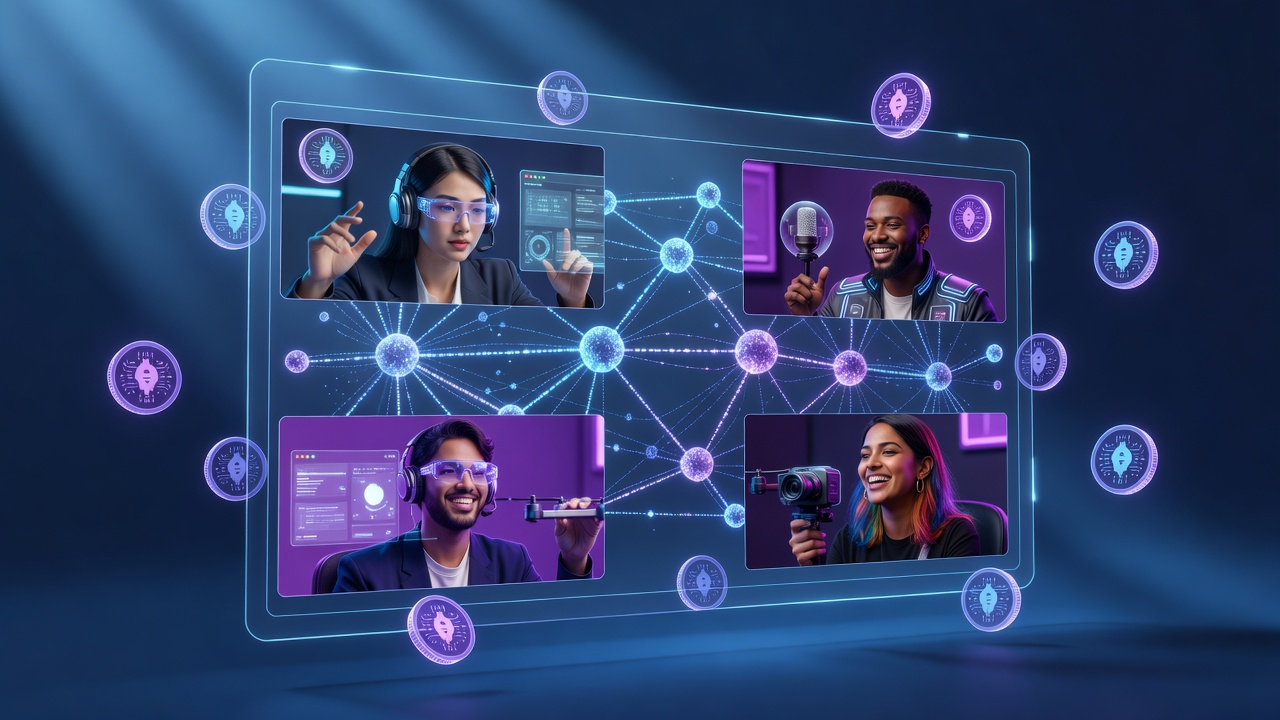
The decentralized web is reshaping how video content is created, distributed, and monetized. In 2026, Web3 streaming platforms leverage blockchain technology to eliminate intermediaries, empower creators with true ownership, and use token incentives to build sustainable ecosystems. This shift addresses long-standing issues with centralized services like content demonetization and data control. Users searching for web3 trends and web3 innovations will find that decentralized video goes beyond social media or gaming applications, offering robust solutions for live events, educational content, and entertainment. As blockchain infrastructure matures, more creators are exploring these platforms to reach global audiences without relying on traditional gatekeepers.
The growth of decentralized video reflects broader movements toward user sovereignty in digital spaces. Viewers benefit from transparent algorithms and direct support mechanisms, while platforms experiment with hybrid models that blend on-chain payments with off-chain delivery for optimal performance.
The Shift from Centralized Platforms to Blockchain-Powered Video Distribution
Traditional streaming giants rely on centralized servers that control distribution and revenue. Blockchain-powered alternatives distribute content across peer-to-peer networks, reducing costs and censorship risks. Token incentives reward participants for hosting and relaying video streams, creating a self-sustaining economy where creators retain ownership through smart contracts. This model fosters direct creator-audience relationships, with payments settled transparently on-chain. Over time, the migration reduces single points of failure that have plagued legacy systems during peak traffic events.
Decentralized distribution also enhances data privacy by fragmenting storage across nodes, making mass surveillance or unauthorized access far more difficult. Creators gain immutable records of their work via distributed ledgers, supporting provenance tracking that centralized databases cannot match.
Live Streaming Protocols Powering Decentralized Networks
Live streaming protocols form the backbone of Web3 video. They enable real-time broadcasting with low latency by incentivizing node operators via cryptocurrency rewards. Protocols handle encoding, transcoding, and delivery in a distributed manner, ensuring resilience against outages common in centralized setups. Developers integrate these protocols into dApps for seamless user experiences across devices. Advanced features now include adaptive bitrate streaming that adjusts dynamically based on viewer connection quality without centralized orchestration.
Network participants earn tokens for contributing bandwidth and computational resources, aligning economic interests with platform growth. This incentive structure has proven effective in maintaining high availability even during large-scale live events such as conferences or sports broadcasts.
NFT-Based Content Monetization Strategies
NFTs allow creators to tokenize individual videos or access passes, granting exclusive rights and royalties on secondary sales. This approach provides ongoing revenue streams beyond initial views, with smart contracts automating splits among collaborators. Creators can bundle NFTs with streaming access, enhancing fan engagement in the decentralized economy. Additional tactics include fractional ownership of popular content, enabling micro-investments from supporters worldwide.
Integration with decentralized identity solutions further strengthens NFT utility by verifying authenticity and preventing duplication. Educational creators particularly benefit, issuing verifiable certificates as NFTs that learners can showcase across platforms.
Livepeer Versus Traditional Streaming Services: A Detailed Comparison
Livepeer stands out as a leading decentralized protocol for video transcoding and delivery. Unlike traditional services that charge high fees for bandwidth, Livepeer uses Ethereum-based incentives for network participants. Key differences include greater censorship resistance, lower operational costs for high-volume streams, and built-in support for tokenized monetization. Traditional platforms offer polished UIs but limit creator control, while decentralized options prioritize transparency and ownership.
- Cost efficiency: Decentralized networks often achieve substantial savings through crowdsourced resources rather than dedicated data centers.
- Ownership and control: Creators maintain full rights via smart contracts instead of platform terms of service.
- Monetization flexibility: Token rewards and NFT integrations open new revenue channels unavailable on legacy services.
- Scalability trade-offs: While improving rapidly, decentralized systems may require additional optimization for ultra-low latency in certain regions.
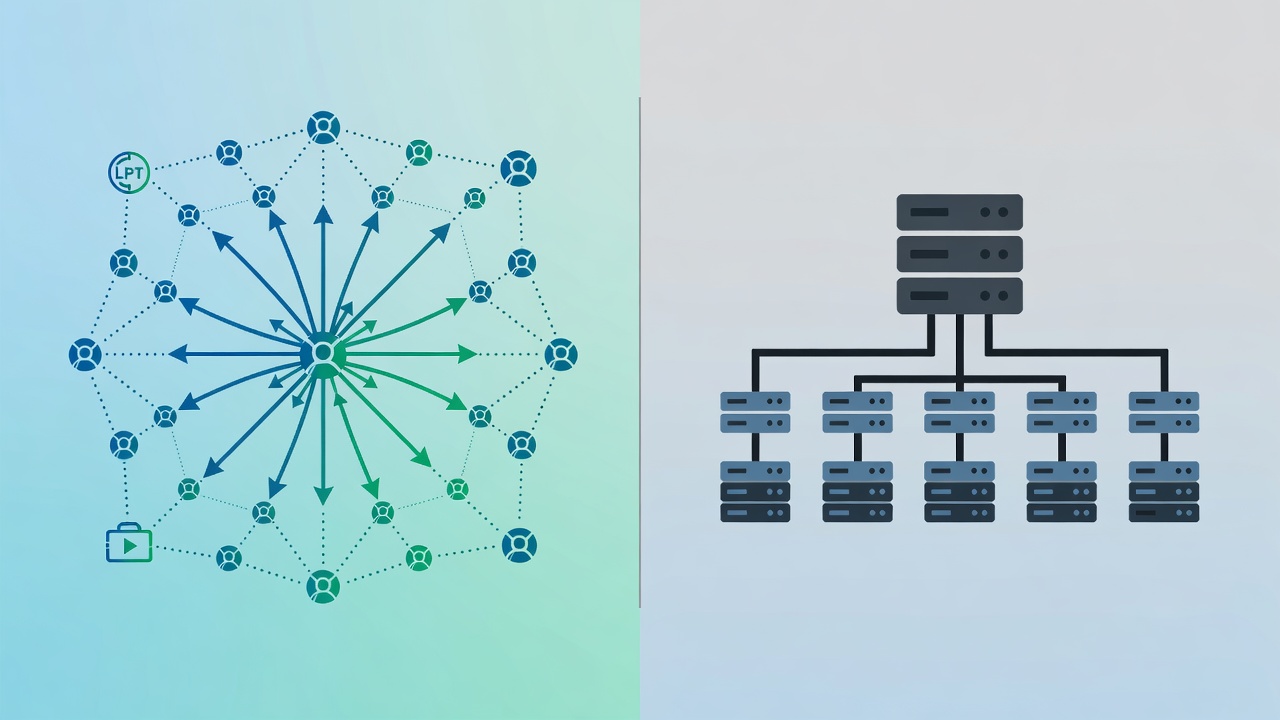
Many analysts view this comparison as pivotal for 2026 decision-making, especially for creators evaluating long-term platform independence. Ethereum's documentation provides foundational insights into the smart contract mechanisms underpinning such protocols.
Practical Steps for Creators to Launch a Decentralized Stream
- Choose a Web3-compatible streaming protocol and set up a wallet for token management, ensuring compatibility with major browsers and mobile devices.
- Connect your content management system to the network via APIs for encoding and distribution, testing thoroughly on sample content before going live.
- Mint NFTs for your streams to enable premium access and royalties, selecting appropriate metadata standards for maximum interoperability.
- Promote your channel using token-gated communities to build an initial audience, leveraging social channels and cross-platform announcements.
- Monitor on-chain analytics and adjust incentives based on viewer engagement, iterating quickly to optimize retention and revenue.
Each step benefits from community resources and developer documentation that accelerate onboarding for newcomers. Testing with small audiences first helps identify integration issues early.
Real-World 2026 Case Studies in Decentralized Video
Independent filmmakers have used decentralized platforms to release full-length features with direct NFT sales, bypassing traditional distributors. Music artists have hosted live concerts where fans purchase tokenized tickets that unlock replay access. Educational creators have built token-rewarded communities, distributing courses with verifiable ownership on blockchain ledgers. Sports organizations have experimented with fan-owned highlight reels, distributing revenue shares automatically to participants and viewers alike.
These examples highlight scalable adoption across industries in 2026, demonstrating how diverse sectors leverage the same underlying infrastructure for unique value propositions. One notable project involved a global music festival that streamed exclusively on decentralized nodes, achieving record engagement through integrated token rewards.
Addressing Scalability and User Adoption Challenges: FAQ
How does Web3 streaming handle scalability issues?
Layer-2 solutions and optimized consensus mechanisms improve throughput, allowing networks to support millions of concurrent viewers without compromising speed. Ongoing research into sharding and parallel processing continues to push these boundaries.
What barriers remain for mainstream user adoption?
Wallet onboarding and gas fees present hurdles, but simplified interfaces and gasless transactions are accelerating accessibility for non-technical audiences. Education campaigns and seamless wallet integrations are key focus areas for developers.
Are decentralized platforms secure for live events?
Yes, cryptographic verification and redundant node distribution provide robust protection against tampering and downtime. Regular audits and community governance further strengthen defenses.
Can creators migrate existing audiences from centralized platforms?
Yes, many tools support gradual transitions by mirroring content across ecosystems while introducing token incentives to encourage migration over time.
Future Outlook and Emerging Innovations
Looking ahead, integration with augmented reality and spatial computing promises immersive decentralized viewing experiences. Cross-chain compatibility will likely expand options for creators seeking optimal token economics. Regulatory developments around digital assets may also influence platform design, favoring those with strong compliance features. Overall, the trajectory points toward greater mainstream viability as user experience improves.
Conclusion
Web3 streaming trends in 2026 signal a fundamental evolution toward creator-centric video ecosystems. By embracing blockchain distribution, token incentives, and NFT monetization, platforms like Livepeer are redefining possibilities for ownership and innovation. Creators ready to experiment with these tools will lead the next wave of decentralized media, supported by growing infrastructure and real-world proof points.
No comments yet. Be the first!