 CryptoChain Blog
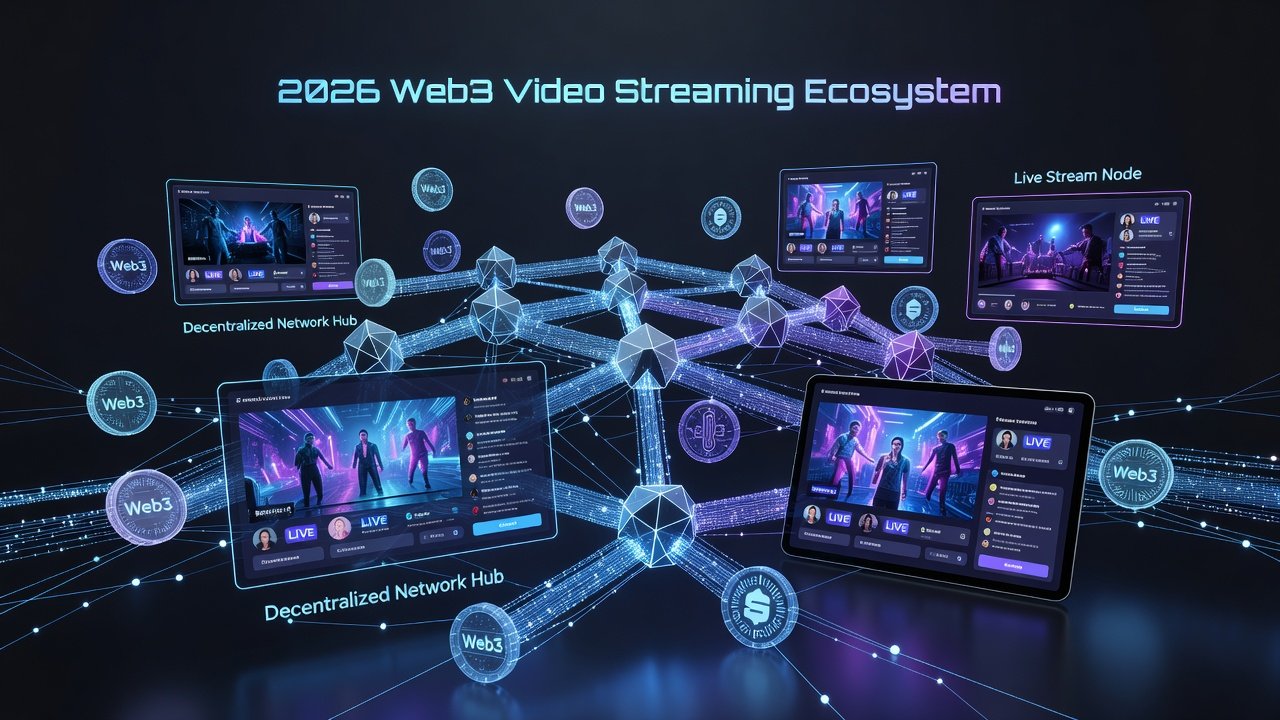
Introduction to Decentralized Video Streaming in 2026
The Web3 ecosystem continues to reshape video distribution by leveraging blockchain technology for greater transparency, reduced censorship, and direct creator control. While Livepeer pioneered decentralized transcoding, many creators and developers now seek robust alternatives that better handle scalability demands, offer varied token incentive structures, and integrate seamlessly with trends such as peer-to-peer networks and NFT-gated content. This comprehensive guide explores the leading Livepeer alternatives available in 2026, delivering in-depth feature comparisons, performance benchmarks, real-world case studies, and actionable integration advice for developers aiming to build future-proof streaming solutions.
Why Explore Livepeer Alternatives?
Livepeer remains influential for its focus on efficient video encoding, yet growing network congestion and limited flexibility in monetization models drive interest in competitors. Alternatives frequently emphasize cross-chain compatibility, enhanced P2P delivery for lower latency, and innovative creator revenue streams through staking, rewards, and tokenized access. These platforms directly address user search intent around options beyond the market leader by providing concrete performance data and developer resources that support everything from small independent streams to enterprise-scale broadcasts.
Top Livepeer Alternatives in 2026
Theta Network: Hybrid Blockchain for Scalable Streaming
Theta Network utilizes a hybrid architecture combining proof-of-stake with edge node caching to deliver high-volume video content efficiently. Its standout features include bandwidth-sharing rewards for viewers via native tokens and deep integration with Ethereum smart contracts for automated payouts. Performance benchmarks from 2026 deployments reveal reduced latency in global P2P scenarios, often outperforming centralized CDNs during peak events. Developers can integrate Theta by first installing the official SDK, establishing node connections through provided configuration files, and deploying custom smart contracts to manage incentive distributions. A notable 2025 case study involved an independent esports platform that migrated to Theta, achieving a 40 percent increase in viewer retention through tokenized rewards while maintaining consistent stream quality across continents. This example underscores Theta's strength in community-driven scalability.
VideoCoin: Dedicated Blockchain with Strong NFT Focus
VideoCoin operates on its own blockchain optimized specifically for video encoding, storage, and distribution. Key advantages include native support for NFT-based content gating, allowing creators to monetize exclusive streams through token-gated access. The platform excels in enterprise scalability, with benchmarks demonstrating reliable handling of thousands of concurrent viewers without degradation. Integration begins with API key generation and SDK installation, followed by embedding VideoCoin nodes into existing decentralized applications for seamless reward automation. Real-world applications include a 2026 documentary series launch where producers used VideoCoin's NFT features to generate ongoing revenue from limited-edition access passes, illustrating practical monetization beyond traditional ads.
Streamr: Real-Time Data Streams with Blockchain Incentives
Streamr specializes in real-time data and video streams powered by decentralized networks, making it particularly suited for live events and interactive Web3 experiences. Its P2P architecture supports low-cost distribution while enabling NFT-gated premium tiers for creators. Benchmarks highlight exceptional performance in dynamic environments like virtual conferences, where latency remains minimal even under variable network loads. Developers integrate Streamr through JavaScript libraries that connect directly to nodes, with examples including quick setup for automated subscription billing. A compelling case study features a music streaming collective that launched successfully on Streamr in late 2025, leveraging token incentives to build a sustainable creator economy that rewarded both artists and active listeners.
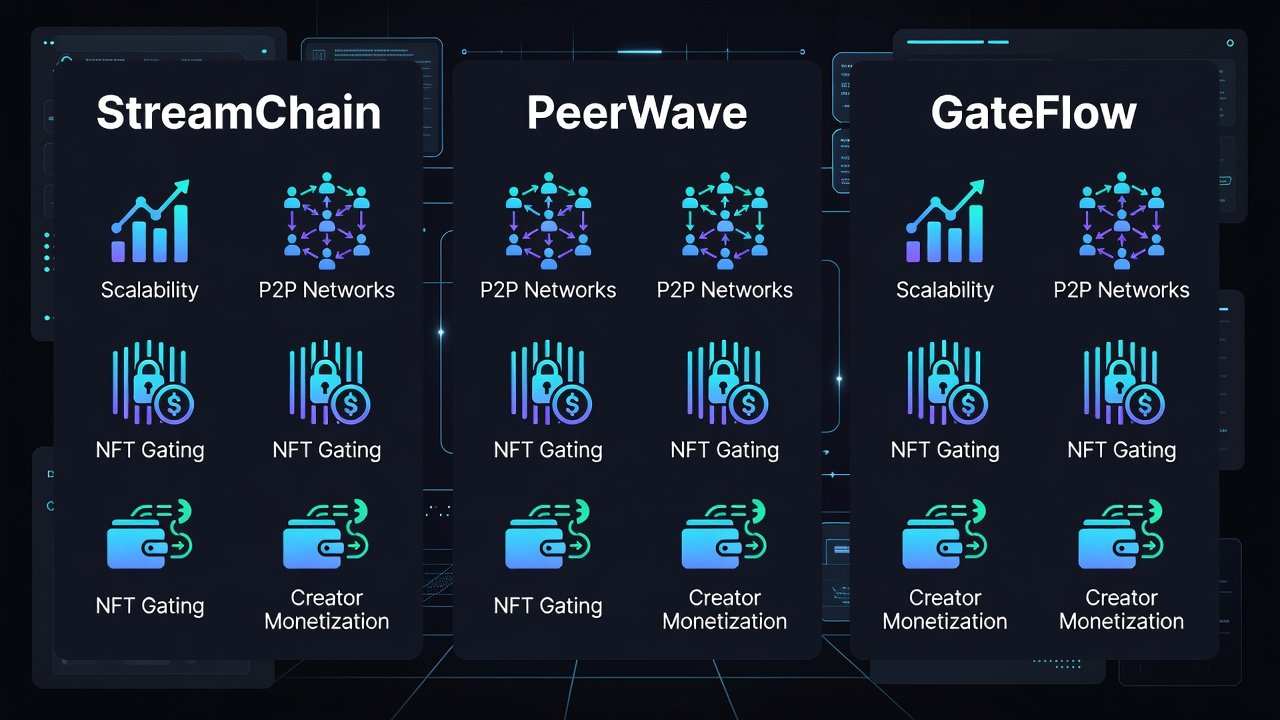
Additional Considerations Across Platforms
Beyond the primary three, emerging solutions often combine elements from IPFS for decentralized storage, enhancing overall resilience. Each alternative brings unique strengths in token economics and network participation, allowing teams to match tools to specific project requirements such as audience size or content type.
Performance Benchmarks and Detailed Comparisons
Evaluating these platforms requires examining throughput, end-to-end latency, and incentive alignment. Theta consistently leads in viewer engagement metrics due to its reward system, while VideoCoin provides superior tools for NFT integration. Streamr excels in real-time scenarios. Qualitative assessments of scalability favor platforms with mature P2P layers, as they adapt more fluidly to growing user bases without proportional cost increases. Developers should run controlled tests using sandbox environments to validate these benchmarks against their own workloads.
Practical Integration Steps for Developers
Successful implementation starts with selecting a platform aligned to your technical stack. Begin by reviewing official documentation, setting up a test wallet, and configuring API endpoints. Next, implement core streaming logic using provided SDKs, followed by testing token flows and NFT gating features. Finally, deploy to mainnet after thorough audits. Common examples include embedding these tools into React-based frontends or Unity applications for immersive experiences. Always prioritize security best practices such as multi-signature wallets for reward contracts.
Tips for Selecting the Right Tool Based on Scalability and Costs
- Map your audience reach: Global projects benefit most from strong P2P networks like those in Theta or Streamr.
- Align monetization models: NFT gating works well for premium content, whereas staking rewards suit community platforms.
- Conduct pilot tests: Measure actual performance metrics before full commitment to avoid migration headaches later.
- Factor in ecosystem support: Platforms with active developer communities accelerate troubleshooting and feature expansion.
- Review long-term interoperability: Choose solutions compatible with major blockchains to future-proof your application.
Mistakes to Avoid When Transitioning
One frequent error is underestimating integration complexity, leading to delayed launches. Another involves ignoring token volatility in monetization planning. Teams should also avoid neglecting user education on wallet interactions, which can reduce adoption rates. Thorough documentation review and phased rollouts help mitigate these risks effectively.
Future Outlook for 2027 Innovations
Web3 streaming is poised for significant evolution by 2027, with anticipated improvements in AI-assisted transcoding, deeper cross-chain P2P interoperability, and expanded support for immersive formats like volumetric video. These advancements will further empower creators through more sophisticated incentive mechanisms and enhanced content protection via NFTs.
FAQ Section
How do I set up a decentralized stream on an alternative platform?
Installation begins with SDK setup from the chosen provider, followed by wallet connection and parameter configuration for transcoding and incentives. Testing in a development environment ensures smooth mainnet deployment.
What are common monetization pitfalls in Web3 streaming?
Over-dependence on single token mechanisms can expose creators to market swings. Diversifying across NFTs, staking, and subscriptions provides more stable revenue streams.
Are these platforms compatible with Ethereum?
Yes, many leverage Ethereum for smart contract functionality and payment processing, enabling broad ecosystem connectivity.
Can I migrate existing Livepeer content easily?
Most alternatives supply migration utilities and API compatibility layers that simplify content and contract transfers with minimal downtime.
How do P2P networks improve streaming performance?
Peer-to-peer delivery distributes load across user nodes, reducing central bottlenecks and lowering latency for viewers worldwide.
Further exploration benefits from resources like IPFS for content addressing and Filecoin for persistent decentralized storage solutions that complement streaming platforms.
Conclusion
Selecting the right Livepeer alternative in 2026 requires balancing technical capabilities with monetization goals and scalability needs. By thoroughly evaluating platforms like Theta Network, VideoCoin, and Streamr through benchmarks, case studies, and integration testing, developers and creators can build resilient, incentive-aligned streaming experiences that capitalize on Web3's full potential.

No comments yet. Be the first!