 CryptoChain Blog
Introduction to Web3 Streaming in 2026
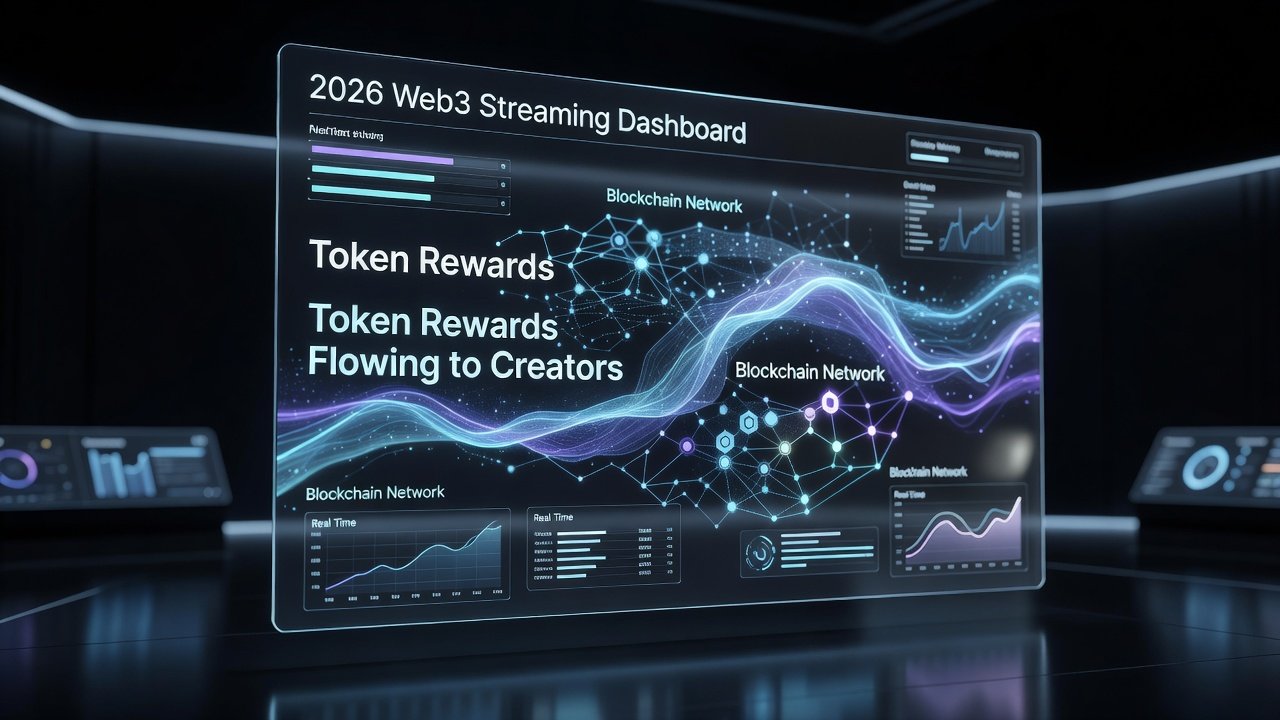
The landscape of online video has shifted dramatically with the rise of decentralized technologies. In 2026, token incentives are playing a pivotal role in accelerating Web3 video streaming adoption, enabling creators to bypass traditional platforms and earn directly through blockchain mechanisms. This evolution focuses on transparent distribution models and innovative monetization that reward both creators and viewers for their participation. Unlike centralized platforms that control revenue streams through ads or subscriptions, Web3 streaming leverages blockchain to create open ecosystems where value flows directly between participants. Blockchain distribution allows content to be hosted across peer-to-peer networks rather than centralized servers, reducing costs and censorship risks while improving global accessibility. Creators benefit from direct token rewards tied to engagement metrics such as watch time, shares, and community interactions, fostering sustainable ecosystems beyond ad revenue alone. This model also empowers developers to build custom tools and overlays that integrate seamlessly with token economies, opening new avenues for innovation in live events, educational content, and entertainment series.
As adoption grows, the focus remains on user-friendly interfaces that hide the complexities of underlying blockchain technology while highlighting the financial upsides for everyday creators.
Decentralized Protocols and Livepeer-Style Comparisons
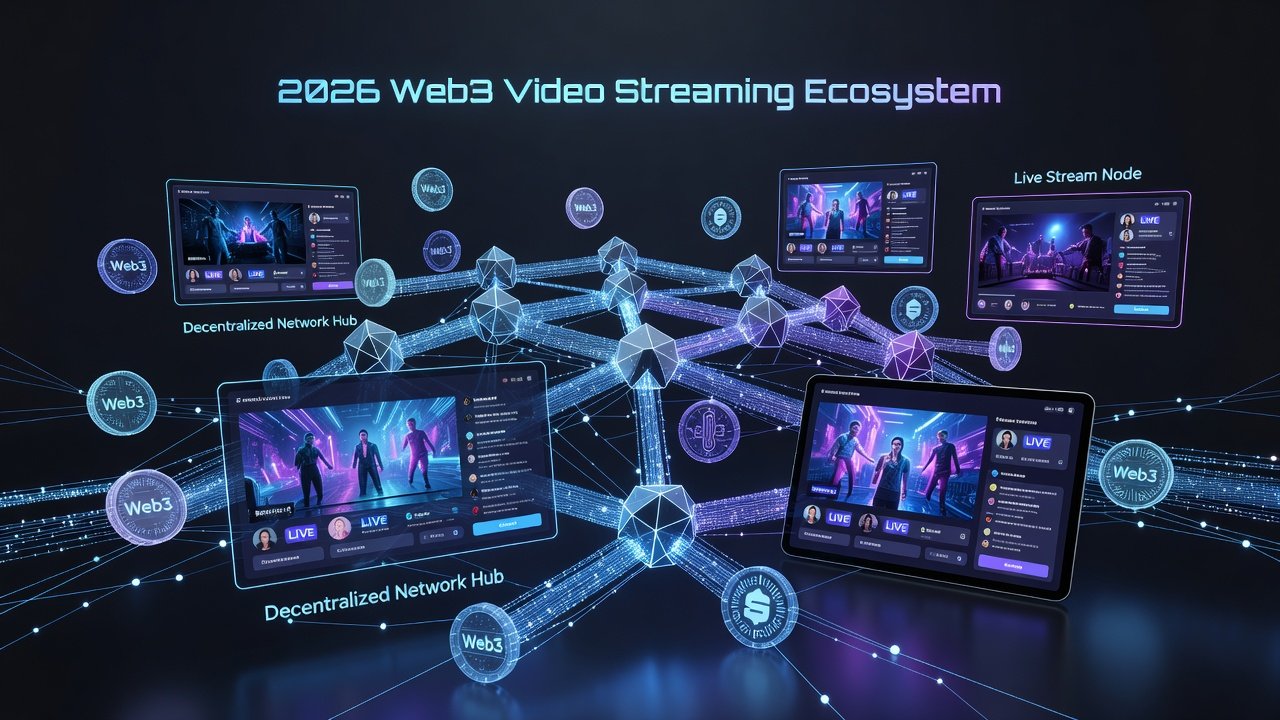
Decentralized protocols form the backbone of Web3 streaming. Livepeer, a leading example, uses Ethereum-based infrastructure to provide scalable video transcoding. Compared to centralized services, these protocols leverage node operators who earn tokens for processing streams and ensuring uptime. Similar platforms emphasize open-source elements and community governance, allowing anyone with hardware to contribute to the network and receive compensation. For instance, while traditional CDNs rely on corporate data centers with fixed pricing and potential single points of failure, Web3 alternatives distribute workloads globally, improving resilience and lowering barriers for new entrants from emerging markets.
Key differences include incentive alignment where token rewards encourage participation and honest behavior, unlike fixed-fee models in legacy systems that can lead to vendor lock-in. Developers often integrate these protocols via APIs for seamless video delivery, with options for custom smart contracts that automate payments based on performance. Additional protocols in the space focus on zero-knowledge proofs for privacy-preserving streams or layer-two scaling solutions to handle high-volume live broadcasts without congestion. This comparative advantage makes Web3 setups particularly attractive for independent filmmakers and educators seeking uncensorable distribution channels that also generate ongoing passive income through staking and delegation features.
Livepeer official resources provide deeper protocol insights for builders exploring these options in detail.
Real-World Tokenomics Examples from Emerging Platforms
Emerging platforms showcase diverse tokenomics designed to sustain long-term growth. Some distribute governance tokens to active creators based on viewership and retention, creating virtuous loops where engagement drives value appreciation and additional utility. Others use staking mechanisms where users lock tokens to access premium features, vote on platform upgrades, or unlock exclusive content tiers that further incentivize loyalty. These models draw from broader blockchain principles, ensuring transparency through on-chain data that anyone can audit in real time. Case studies from 2026 launches reveal how platforms that balanced inflation with real utility saw higher retention rates among creators, as participants felt their contributions were fairly valued and protected against dilution.
Examples include hybrid models combining revenue sharing from premium subscriptions with NFT-based access passes, allowing creators to build personal economies around their channels. Such approaches have proven effective in niche communities like gaming and music, where fans actively participate in reward pools.
Step-by-Step Guide to Launching a Creator Channel
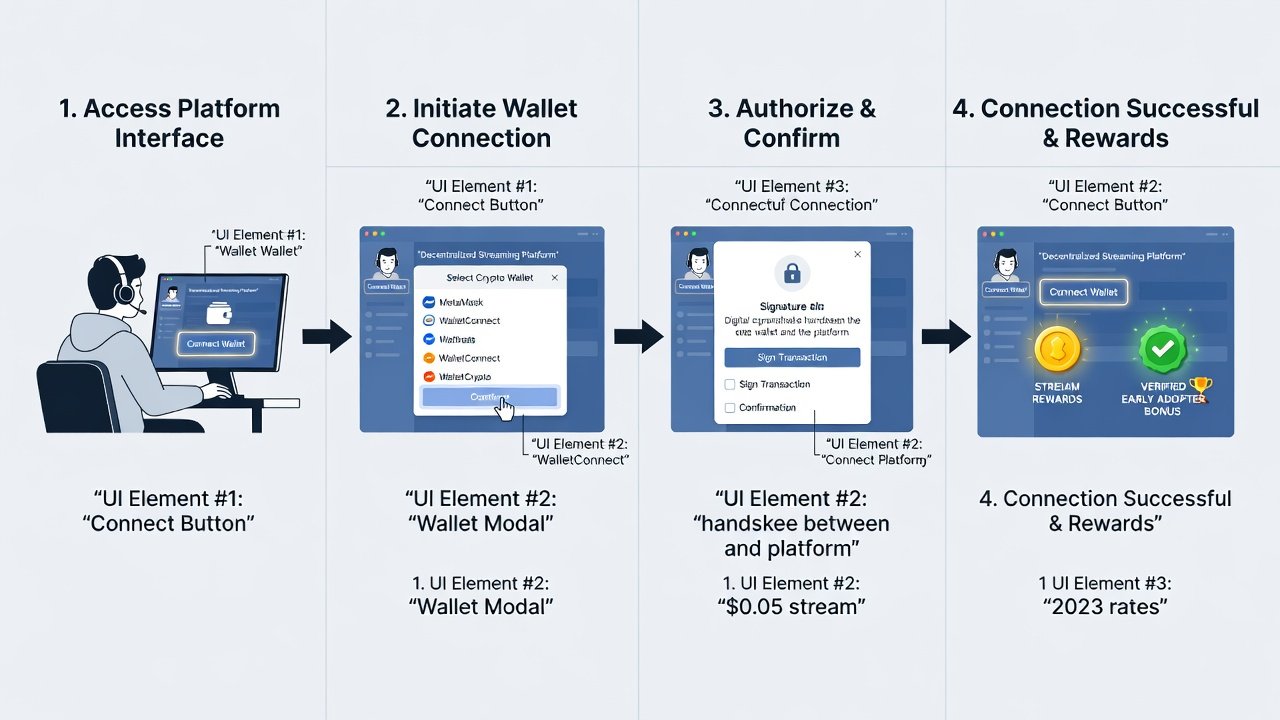
Launching a Web3 streaming channel involves careful wallet integration and reward setup. Follow these detailed steps for a successful start:
- Choose a compatible decentralized protocol and create an account using a Web3 wallet like MetaMask or a hardware alternative for added security. Research gas fees on your chosen network beforehand.
- Connect your wallet to the platform dashboard to enable token-based transactions and verify ownership through signature requests.
- Upload your first video stream, configuring encoding settings, bitrate, and resolution for optimal quality across devices while testing playback on multiple browsers.
- Set up reward mechanisms by defining token distribution rules, such as percentages for viewers who engage, stake, or refer new users, and deploy associated smart contracts if customization is needed.
- Test the channel with a live session, monitoring on-chain metrics for rewards accrual and adjusting parameters based on initial feedback.
- Promote your channel across social channels and decentralized forums to bootstrap initial audience, then iterate based on analytics dashboards.
This process typically takes under an hour once the wallet is funded, but thorough testing ensures smooth operations from day one. Additional considerations include setting up backup nodes and integrating analytics tools for deeper insights into viewer behavior.
Practical Tips for Audience Growth
Growing an audience in Web3 streaming requires targeted strategies that leverage both on-chain and off-chain channels. Cross-promote on decentralized social networks and participate in token-gated communities where members already understand the value of incentives. Offer exclusive token airdrops to early followers to build loyalty and encourage word-of-mouth sharing within crypto-native circles.
- Collaborate with other creators for joint streams that share reward pools and expose each channel to new demographics.
- Optimize content for discoverability using on-chain metadata tags and searchable keywords that align with trending topics in the space.
- Analyze engagement data from blockchain explorers to refine posting schedules and content formats that maximize retention.
- Leverage NFT drops tied to channel subscriptions for viral potential and long-term holder engagement.
- Host regular AMAs and reward viewers with micro-payments for quality questions to foster interactive communities.
Consistency and genuine community involvement remain essential for long-term success beyond initial hype cycles.
Case Studies of Successful 2026 Launches
Several platforms launched successfully in 2026 by prioritizing token incentives and user experience. One notable example integrated multi-chain support, allowing creators from various ecosystems to earn unified rewards through bridged assets and unified dashboards. Another focused on live events with real-time tipping, resulting in rapid user growth as audiences enjoyed immediate feedback loops and visible on-chain recognition. These cases highlight the importance of user-friendly interfaces combined with robust token utility that goes beyond speculation. Developers learned that transparent tokenomics documentation builds trust and attracts institutional interest from funds looking to support decentralized media infrastructure.
Additional lessons included the value of mobile-first design and seamless fiat on-ramps for non-crypto users transitioning into the ecosystem.
Ethereum foundation documentation offers foundational knowledge for similar implementations across networks.
FAQ: Addressing Common Setup Challenges
How do I handle wallet security during integration?
Use hardware wallets and enable multi-signature options whenever possible. Always verify contract addresses before approving transactions and consider using browser extensions with built-in phishing protection.
What if reward mechanisms fail to distribute tokens?
Check smart contract parameters and ensure sufficient liquidity in reward pools. Community forums often provide troubleshooting templates and audit reports that help diagnose issues quickly.
Are there regulatory considerations for token earnings?
Consult local guidelines on digital assets, as classifications vary by jurisdiction. Platforms increasingly offer compliance tools and educational resources to help creators navigate tax reporting and licensing requirements.
Can traditional creators transition easily?
Yes, many start by mirroring existing content on Web3 platforms while gradually shifting focus to token-driven monetization. Hybrid strategies often yield the best results during the early phases of adoption.
How do I choose the right protocol for my content type?
Evaluate based on latency needs, supported resolutions, and community size. Live events may favor protocols with strong real-time capabilities, while on-demand libraries benefit from robust storage integrations.
Conclusion
Token incentives are reshaping creator platforms in 2026 by aligning economic rewards with decentralized infrastructure. By understanding protocols, following structured launch steps, and applying growth tactics, creators and developers can capitalize on this shift. Explore resources like IPFS for complementary storage solutions to enhance your Web3 streaming strategy and future-proof your content distribution.
No comments yet. Be the first!