 CryptoChain Blog
Introduction to NFT 2.0 in 2026
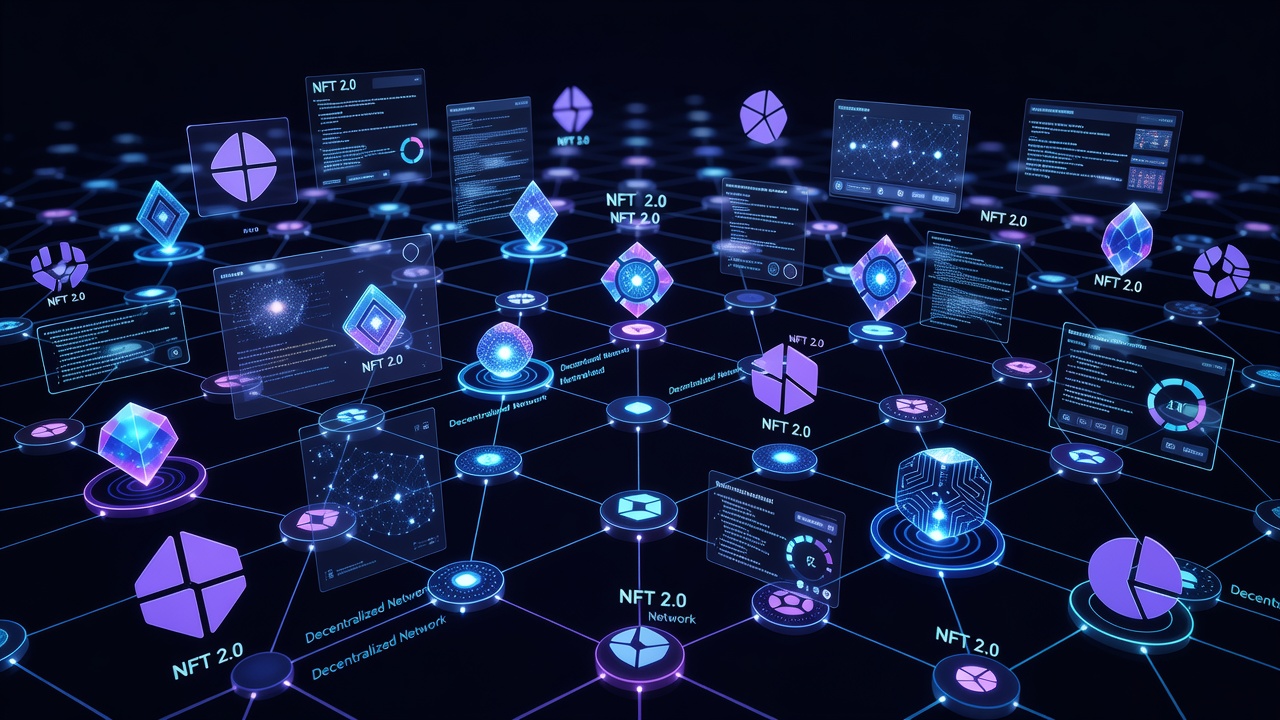
The decentralized web continues to mature in 2026, moving far beyond the initial hype of simple tokenization. NFT 2.0 emerges as a sophisticated evolution that embeds real utility, adaptability, and interoperability into digital assets. Users searching for forward-looking developments now focus on innovations that support mass adoption, such as dynamic behaviors, shared ownership, and intelligent automation. This comprehensive guide explores these trends with depth, offering comparisons, real-world examples from platforms like Blur, and step-by-step guidance for creators aiming to build compliant, impactful projects on the decentralized web.
Programmable NFTs: Dynamic Functionality for Web3
Programmable NFTs introduce executable logic directly into token standards, allowing assets to respond to triggers like time, user interactions, or external data feeds. Unlike static tokens, these NFTs can update metadata, unlock tiers, or execute transfers autonomously through embedded smart contracts. In 2026, platforms like Blur are advancing new protocols that integrate with layer-2 solutions for faster execution and lower costs. For instance, a programmable NFT in a gaming ecosystem might evolve its appearance based on player achievements recorded on-chain. This functionality extends to digital art where pieces react to market conditions or community votes. Creators benefit from increased engagement, while collectors enjoy assets that retain relevance over years. The shift toward programmability addresses previous limitations of immutability, fostering deeper integration across decentralized applications.
Fractional Ownership Models Explained
Fractional ownership models divide high-value NFTs into tradable shares, enabling broader participation without requiring full purchase price. These models rely on wrapper contracts that tokenize portions while preserving the original asset's provenance and rights. In 2026, emerging protocols emphasize regulatory-compliant splitting mechanisms that include governance rights for fractional holders. Real-world applications appear in real estate tokenization and rare collectibles, where investors pool resources to own portions of iconic digital works. Benefits include enhanced liquidity and reduced barriers for new entrants into the decentralized web. However, projects must carefully structure voting mechanisms to avoid disputes. Examples from Blur-integrated marketplaces demonstrate how fractional shares trade seamlessly alongside whole NFTs, creating hybrid marketplaces that appeal to both retail and institutional participants.
AI-Driven Assets and Integration
AI integration elevates NFTs into responsive entities capable of personalization and predictive behaviors. By connecting machine learning models to blockchain oracles, assets can generate content variations, optimize pricing strategies, or adapt narratives based on user preferences. 2026 protocols showcase examples where AI analyzes on-chain activity to evolve NFT traits dynamically. This creates personalized experiences in metaverses and virtual fashion, where an AI-driven NFT might redesign itself according to trending styles pulled from decentralized data sources. Integration challenges include ensuring model transparency and data privacy, yet the potential for mass adoption is significant as assets become living parts of the decentralized web ecosystem. Platforms combining AI with programmable layers demonstrate higher retention rates, proving the value of this convergence.
ERC-721 vs. Dynamic NFTs: A Clear Comparison
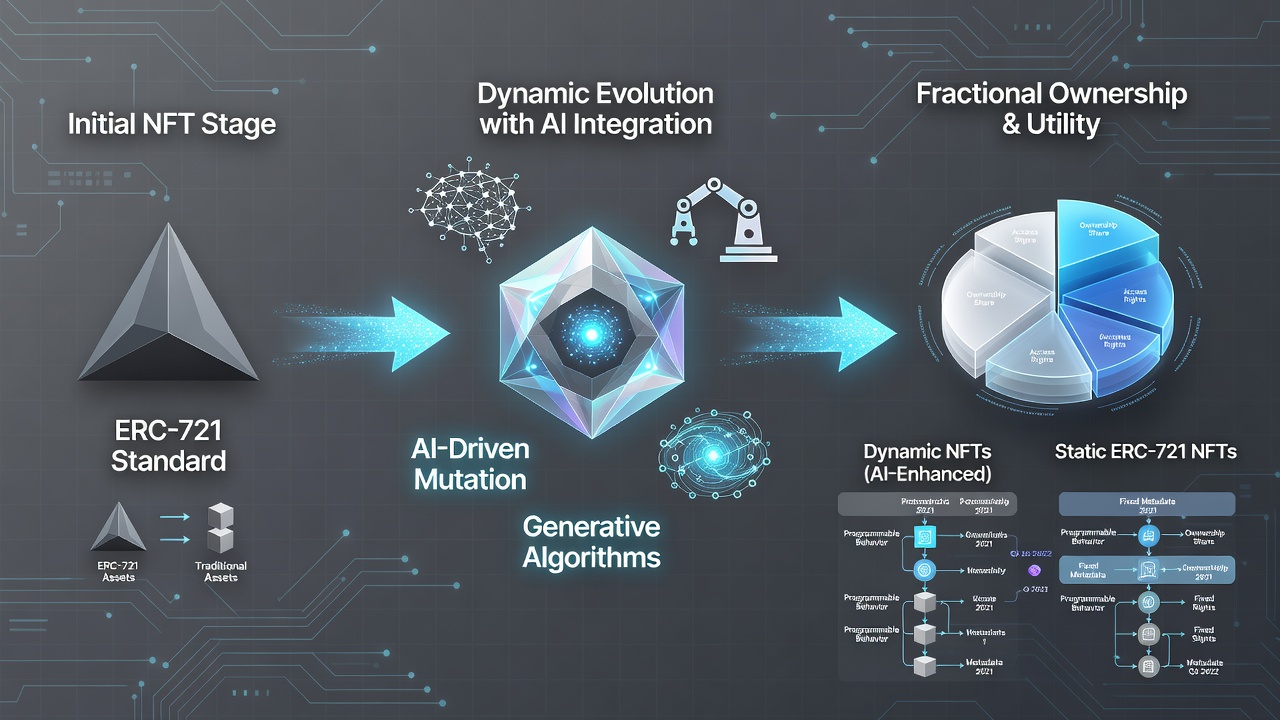
Understanding the differences between standards helps creators choose the right foundation for their projects.
- ERC-721 provides immutable ownership records suited for basic collectibles and certificates of authenticity, offering simplicity and broad wallet compatibility.
- Dynamic NFTs extend this base with mutable metadata and conditional logic, enabling features like upgradability and event-driven changes.
- 2026 standards often build upon ERC-721 by adding modular extensions for enhanced programmability while maintaining backward compatibility.
- Dynamic versions excel in utility-driven use cases such as evolving game items, whereas ERC-721 remains preferable for pure provenance tracking.
Choosing between them depends on project goals, with many 2026 initiatives adopting hybrid approaches for flexibility.
Practical Steps for Creators to Launch Compliant Projects
Launching a successful NFT 2.0 project requires careful planning across technical, legal, and marketing dimensions. Follow these expanded steps for compliance and impact:
- Research current regulatory frameworks in target jurisdictions by consulting official government resources and legal experts familiar with digital assets to identify securities or consumer protection requirements.
- Choose platforms like Blur that support 2026 protocol upgrades, ensuring the marketplace offers tools for programmable features and fractional models with built-in compliance checks.
- Implement programmable features using audited smart contracts from reputable developers, testing thoroughly on testnets before mainnet deployment to prevent vulnerabilities.
- Test fractional models with small user groups before scaling, gathering feedback on governance interfaces and liquidity mechanisms to refine the experience.
- Integrate AI tools responsibly to ensure data privacy by selecting privacy-preserving algorithms and obtaining necessary consents from users whose data influences asset behavior.
- Develop comprehensive documentation and community guidelines that explain asset mechanics transparently, building trust essential for mass adoption in the decentralized web.
Legal Considerations: FAQ Section
Q: What legal issues arise with programmable NFTs? A: Compliance with securities laws and intellectual property rights becomes essential when assets change dynamically, potentially triggering new classifications under evolving regulations.
Q: How do fractional ownership models affect taxation? A: Tax implications vary significantly by region; creators should consult specialists for jurisdiction-specific advice on shared digital assets and capital gains reporting.
Q: Are there specific licensing requirements for AI-integrated NFTs? A: Yes, projects must address data usage rights and model ownership, often requiring clear terms of service that outline how AI influences asset evolution.
SEO Tips for Web3 Trends Visibility
To rank effectively for terms like NFT 2.0 trends and decentralized web innovations, optimize content with natural keyword placement in headings and body text. Build authoritative backlinks from industry sites, update articles regularly with fresh 2026 examples, and create scannable lists that match user search intent. Incorporate practical comparisons and actionable steps to increase dwell time and shareability. Monitor analytics for emerging queries related to programmable features or fractional models, adjusting content accordingly to maintain relevance.
Challenges and Solutions for Mass Adoption
Despite promise, NFT 2.0 faces hurdles including scalability concerns, user education gaps, and interoperability issues across blockchains. Solutions involve adopting layer-2 networks for cost efficiency and creating intuitive onboarding flows that abstract technical complexity. Real-world examples from 2026 protocols highlight successful navigation of these challenges through community governance and transparent roadmaps, paving the way for wider decentralized web participation.
Future Outlook and Conclusion
NFT 2.0 stands poised to accelerate mass adoption through its blend of programmability, fractional access, and AI intelligence. By following best practices outlined here and studying platforms like Blur, creators can develop projects that thrive in the evolving decentralized web landscape. For foundational knowledge, explore resources from Ethereum Foundation, Web3 Foundation, and Consensys. The future belongs to those who embrace these innovations with compliance and creativity at the forefront.
No comments yet. Be the first!