 CryptoChain Blog

Introduction to Web3 in 2026
The decentralized web, commonly known as Web3, continues to evolve rapidly in 2026, offering users greater control over their data and interactions online. This beginner's guide breaks down emerging trends without diving into complex areas like DeFi or AI. Instead, it focuses on foundational concepts, practical entry points, and forward-looking innovations that make the decentralized web more accessible than ever. Web3 represents a fundamental shift from the centralized internet of the past, where large corporations controlled user information, toward a model where individuals retain ownership through cryptographic tools and distributed networks.
As adoption grows, individuals and small teams can participate through simple tools and platforms designed for newcomers. The year 2026 brings enhanced user interfaces, broader device compatibility, and educational resources that lower barriers for those new to the space. Whether you are an individual creator seeking independence or a small team exploring collaborative tools, understanding these trends provides a solid starting point for meaningful participation.
Understanding Blockchain Evolution
Blockchain serves as the backbone of Web3, providing a transparent and immutable ledger for transactions and data. In 2026, the technology has advanced with improved scalability and energy efficiency compared to earlier versions. Early blockchains focused on basic peer-to-peer transfers, but today's networks support broader applications while maintaining decentralization. The evolution includes faster block times, reduced energy consumption through proof-of-stake mechanisms, and better interoperability between different chains.
These improvements stem from years of iterative development by global communities. For beginners, the key takeaway is that modern blockchains handle more users simultaneously without sacrificing security. Resources from established projects explain these concepts in accessible language. Bitcoin.org offers foundational reading on how blockchains originated and matured. This evolution makes Web3 more practical for everyday use, allowing smoother experiences for new users exploring the decentralized web.
User-Owned Data Models Explained
One of the most compelling aspects of Web3 is the shift toward user-owned data. Traditional web models centralize information with large companies, but decentralized approaches let individuals control their digital identities and assets through cryptographic keys. In 2026, these models have matured with standardized protocols that simplify data portability across services.
This model empowers users to grant or revoke access as needed. For small teams, it means collaborative projects can proceed without relying on single providers, fostering innovation in areas like content creation and community governance. Imagine storing your personal documents or project files on a distributed network where only you decide who views them. Such models reduce risks associated with data breaches at central servers and promote transparency in how information is handled.
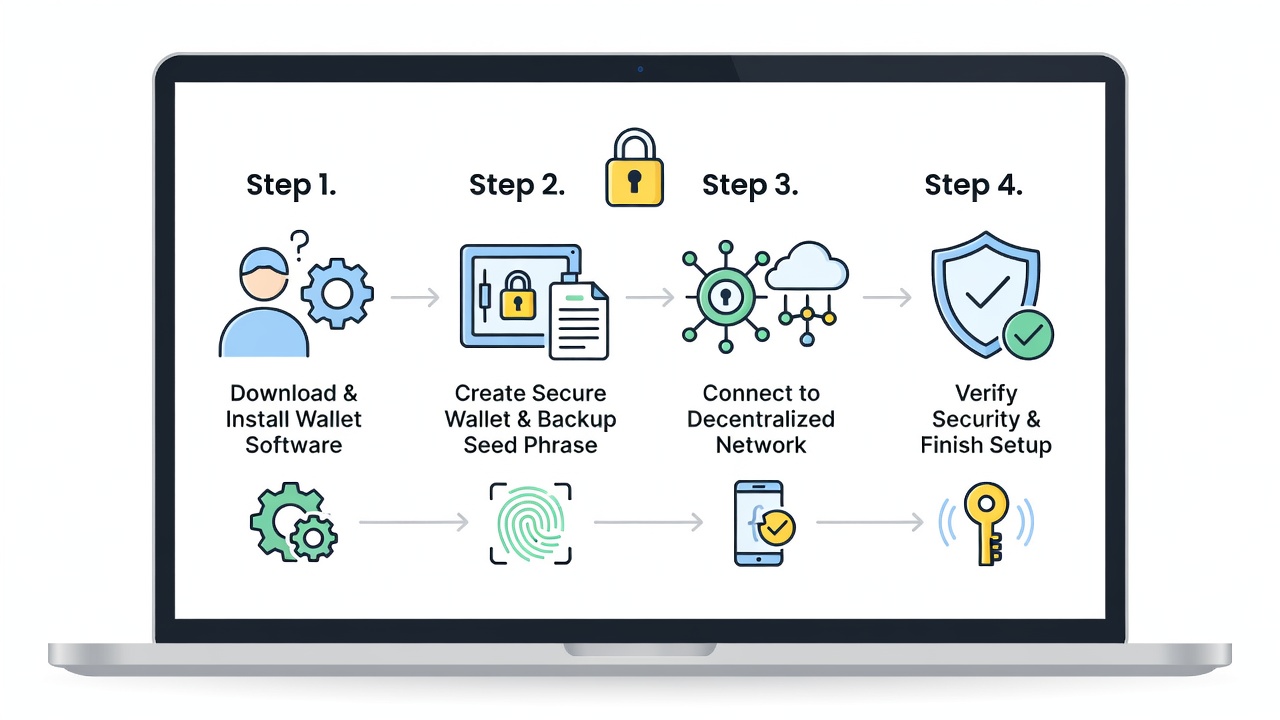
Step-by-Step Setup for Your First Decentralized Wallet
Getting started with Web3 often begins with a decentralized wallet. Follow these steps to set up your first one safely and understand each action's purpose:
- Research and select a non-custodial wallet known for strong security features and multi-chain support. Read recent user reviews to confirm reliability.
- Visit the official website or app store listing to download the software, ensuring the URL matches exactly to avoid fake versions.
- Launch the application and choose the option to create a new wallet. The software will generate a unique seed phrase consisting of 12 or 24 words.
- Write the seed phrase on paper and store it in a secure, offline location such as a locked drawer. Never store it digitally or share it with anyone.
- Set a strong password for the wallet interface itself and enable any available biometric or two-factor options on your device.
- Connect to a test network first, which allows practice transactions using simulated assets at no cost.
- Perform a test transfer of a minimal amount once comfortable, then monitor the transaction history to verify everything functions correctly.
Always enable two-factor authentication where available and avoid sharing your private keys. This process opens doors to exploring the decentralized web confidently. Taking time with each step prevents common errors that could lead to lost access later.
Comparing Popular Web3 Platforms
Several platforms stand out for beginners in 2026. Ethereum remains a leading choice due to its robust ecosystem and developer tools. Ethereum Foundation provides extensive resources for newcomers. Solana offers high-speed transactions suitable for quick interactions, while additional networks like Polygon deliver cost-effective scaling solutions that keep fees low.
When comparing, consider factors like transaction speed, community support, and ease of integration with everyday tools. Ethereum excels in security and widespread adoption, making it ideal for first-time users who value stability. Solana appeals to those prioritizing speed for frequent small actions. Evaluate each based on your specific needs before committing, and test connectivity through a wallet before transferring any value. This thoughtful approach helps match the right platform to individual or team goals.
Real-World Examples of Early Adopters
Early adopters demonstrate Web3's practical value across diverse scenarios. Independent creators use decentralized platforms to distribute content directly to audiences, bypassing traditional gatekeepers and retaining full rights to their work. A freelance writer might publish articles on a distributed network, allowing readers to tip or access premium sections through simple wallet connections.
Small teams in creative industries have adopted user-owned data models to manage collaborative projects securely. For instance, a group of graphic designers could share files and version history without a central server, using cryptographic permissions to control edits. Communities focused on open-source development leverage these tools for transparent decision-making, voting on project directions through distributed governance features. These examples highlight how accessible Web3 has become for individuals seeking alternatives to centralized services while maintaining control.
Accessibility and Risk Mitigation Tips
Accessibility remains a priority in 2026 Web3 trends. Many platforms now feature intuitive interfaces and educational resources tailored to new users. Start with free test environments, use hardware wallets for added security when handling larger amounts, and stay informed through official documentation from trusted sources.
To mitigate risks, follow these actionable practices:
- Always double-check website URLs and bookmark official pages to avoid phishing sites.
- Begin with tiny transactions to learn the process before scaling up activity.
- Regularly update wallet software and device operating systems to patch vulnerabilities.
- Participate in community forums hosted by the platforms themselves to learn from experienced users.
- Keep detailed but private records of your setup steps for future reference.
These steps reduce exposure while building confidence. Regular backups and cautious sharing practices help protect your assets in the decentralized web over the long term.
Frequently Asked Questions
What is the main benefit of Web3 for beginners?
Web3 gives users ownership of their data and assets, reducing reliance on centralized entities and increasing personal control.
How long does it take to set up a wallet?
Most users complete the basic setup in under 15 minutes following official guides, though practicing on test networks may extend the learning phase.
Are there free ways to explore Web3?
Yes, test networks and educational platforms allow free experimentation before using real assets, letting beginners gain experience safely.
What should I watch out for as a newcomer?
Focus on security practices like seed phrase protection and verifying platform legitimacy to avoid common pitfalls such as phishing or accidental data loss.
Can small teams benefit from Web3 tools right away?
Absolutely. Decentralized storage and identity solutions enable teams to collaborate without depending on single corporate providers, improving resilience.
Is technical knowledge required to get started?
Basic computer literacy suffices for initial steps, with many platforms offering guided tutorials that explain concepts progressively.
Conclusion
Web3 trends in 2026 emphasize accessibility and user empowerment through the decentralized web. By understanding blockchain foundations, setting up wallets, and exploring platforms thoughtfully, beginners can participate meaningfully. Use the tips, comparisons, and examples here to start your journey safely and effectively while building lasting confidence in this evolving space.

No comments yet. Be the first!