 CryptoChain Blog

Introduction to Prediction Markets in Web3
Prediction markets in Web3 represent a transformative evolution in decentralized forecasting, allowing participants to bet on future events using blockchain technology and cryptocurrencies. Unlike traditional betting platforms, these markets leverage smart contracts for transparency and immutability, fostering greater accuracy through crowd wisdom. As we approach 2026, innovations are driving broader integration beyond conventional gambling into areas like political outcomes, economic indicators, and scientific breakthroughs. The core appeal lies in their ability to aggregate collective intelligence. Users buy shares in outcomes, with prices reflecting market probabilities. This setup has proven more accurate than polls in many cases, as seen in past election forecasts. In 2026, expect enhanced user participation through seamless wallet integrations and cross-chain capabilities that allow seamless movement of assets across multiple blockchains without intermediaries. These platforms empower individuals to monetize their knowledge on everything from election results to climate events, creating financial incentives for accurate information sharing. The decentralized nature eliminates single points of failure common in centralized exchanges, making the entire process more resilient to censorship or manipulation attempts by powerful entities.
Key 2026 Trends Shaping Decentralized Forecasting
DeFi Integrations for Enhanced Utility
DeFi protocols are merging with prediction markets to offer yield-bearing positions on forecasts. Participants can stake assets in liquidity pools tied to market resolutions, earning returns while engaging in predictions. This integration expands access, allowing users to leverage positions without selling underlying holdings. For example, a user could provide liquidity to a market on Ethereum price movements and simultaneously earn trading fees plus potential rewards from the protocol's governance token. Such synergies turn passive forecasting into active yield generation, attracting institutional interest and retail traders alike.
AI-Enhanced Resolution Mechanisms
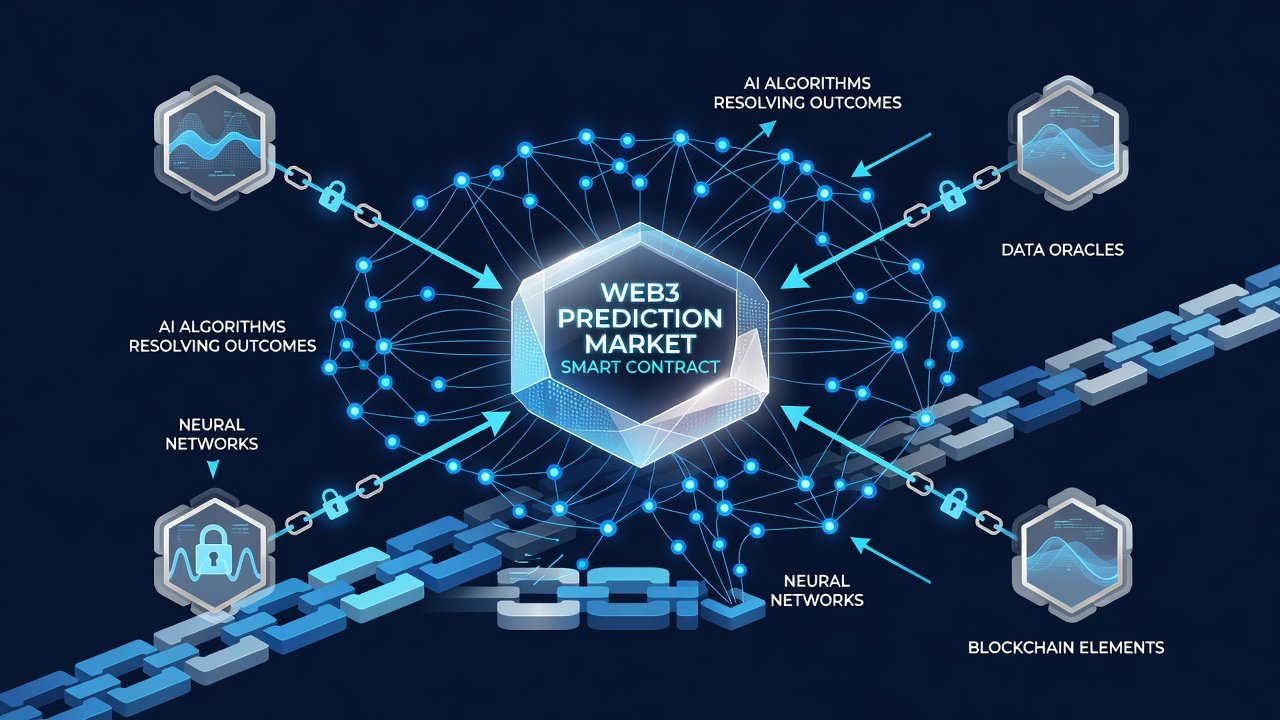
Artificial intelligence is revolutionizing outcome verification. Oracles powered by machine learning analyze data from multiple sources to settle markets autonomously, reducing human bias. For instance, AI models can cross-reference news APIs and on-chain data for real-time resolutions in sports or weather events. This advancement minimizes disputes and speeds up payouts, making markets more attractive for high-frequency traders. AI systems also detect anomalies in trading patterns that might indicate coordinated manipulation attempts, adding an extra layer of security.
Liquidity Solutions and Market Depth
Advanced automated market makers (AMMs) tailored for prediction shares are addressing thin liquidity issues. These solutions use concentrated liquidity strategies to ensure tight spreads even in niche markets, encouraging higher trading volumes. New bonding curve designs dynamically adjust prices based on volume, preventing drastic swings from small trades. Cross-chain bridges further enhance liquidity by allowing assets from various networks to participate in the same market, creating deeper order books overall.
Regulatory Navigation Strategies
Platforms are adopting compliance-first approaches, such as geo-fencing and KYC-optional tiers, to operate within evolving global frameworks. This includes partnerships with legal entities to classify markets as information tools rather than derivatives in certain jurisdictions. Developers are also implementing on-chain compliance modules that can adapt to new laws without requiring full protocol upgrades, ensuring long-term viability.
Comparisons of Leading Protocols
Several protocols dominate the space. Polymarket emphasizes user-friendly interfaces for political and cultural events, with strong emphasis on US election markets and easy onboarding via credit cards. Augur focuses on fully decentralized resolutions via token-holder voting, offering maximum censorship resistance but requiring more technical knowledge from users. Newer entrants like PredictIt-inspired Web3 forks offer hybrid models with improved scalability through layer-2 solutions. Beginners may prefer platforms with fiat on-ramps and mobile apps, while advanced users value those supporting complex conditional markets and custom oracle integrations. When comparing, consider factors like dispute resolution speed, fee structures, and supported asset types to match your experience level and goals.
Step-by-Step Guide for Safe Participation
- Choose a reputable platform with audited smart contracts and strong community governance by reviewing on-chain activity and community forums.
- Set up a non-custodial wallet like MetaMask and acquire stablecoins for low-volatility trading to avoid unnecessary price exposure.
- Research market rules thoroughly, including resolution sources and dispute periods, before committing funds to any position.
- Start with small positions to test liquidity and interface functionality across different market types.
- Monitor positions regularly and use limit orders for exits to lock in profits or cut losses efficiently.
- Participate in governance if available to influence future platform improvements and stay ahead of changes.
Risk Mitigation Tips
- Diversify across multiple unrelated markets to avoid correlated losses from single event clusters.
- Stay informed on oracle reliability to prevent resolution disputes by following official documentation and community updates.
- Use hardware wallets for large holdings and enable two-factor authentication on all connected accounts.
- Understand impermanent loss in liquidity provision roles and calculate potential impacts before providing capital.
- Track regulatory updates from official sources to anticipate platform changes and avoid restricted regions.
- Always verify contract addresses through official channels to prevent phishing or fake platform risks.
Real-World Case Studies
In the 2024 U.S. elections, decentralized markets demonstrated superior accuracy over traditional polls by incorporating real-time trading data that reflected shifting voter sentiments more dynamically. Another example involves crypto price predictions where AI-oracle hybrids resolved markets within minutes of on-chain confirmations, boosting user trust and increasing overall trading volume. A third case from climate forecasting showed how prediction markets accurately anticipated extreme weather patterns months in advance, providing valuable data for insurance companies and agricultural planners who used the insights for risk management.
FAQs on Manipulation Concerns
How do prediction markets prevent manipulation?
Decentralized designs use economic incentives where large bets move prices, signaling potential manipulation and attracting counter-trades from informed participants. Combined with AI monitoring, this maintains integrity across the ecosystem.
Can markets be influenced by whales?
While possible in low-liquidity scenarios, 2026 platforms employ bonding curves and dynamic fees to deter whale dominance, promoting fairer outcomes for all participants regardless of position size.
What happens in disputed resolutions?
Community governance or escalation to decentralized courts like Kleros ensures fair adjudication, with appeals processes built into most protocols to protect user interests.
Are there protections against oracle failures?
Many platforms now use redundant oracle networks and fallback mechanisms that trigger manual reviews only when consensus cannot be reached automatically, minimizing downtime.
Conclusion
Prediction markets in Web3 are poised for significant growth in 2026, blending forecasting precision with decentralized innovation. By understanding integrations, adopting safe practices, and navigating regulations, both beginners and experts can participate effectively. These platforms extend far beyond betting, offering powerful tools for informed decision-making across industries. For further reading on blockchain foundations, explore Ethereum and regulatory insights at SEC.gov.


No comments yet. Be the first!