 CryptoChain Blog
Introduction to Web3 Insurance in 2026
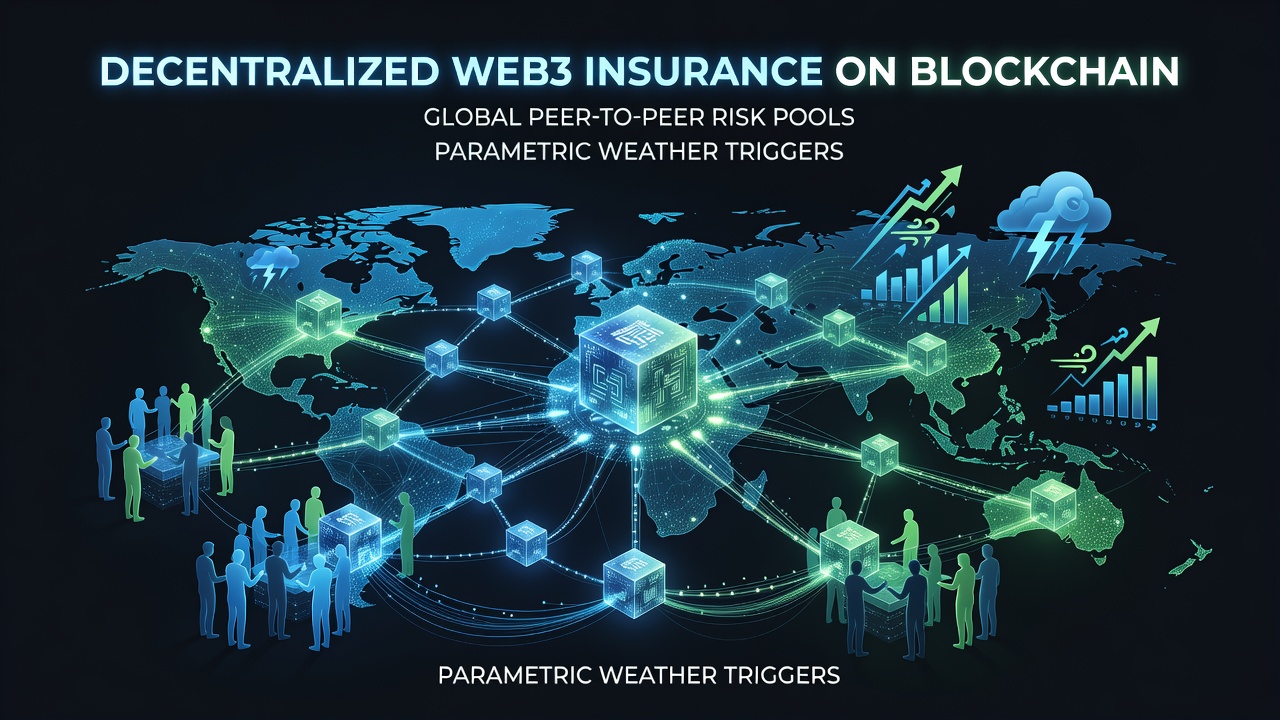
The decentralized web is reshaping risk management through Web3 insurance protocols that leverage blockchain for transparency and efficiency. As adoption grows, users seek practical comparisons between legacy systems and innovative on-chain solutions, including real-world examples like parametric contracts that trigger automatic payouts based on predefined data feeds. This shift addresses long-standing inefficiencies in traditional insurance, such as high premiums driven by intermediary fees and slow claims handling that can take weeks or months. In 2026, decentralized models are gaining traction among DeFi users, small businesses, and individuals in emerging markets who previously lacked access to affordable coverage.
Traditional insurance relies on centralized intermediaries, lengthy claims processes, and high administrative costs. In contrast, Web3 models use smart contracts to automate verification and distribution, reducing friction while enabling peer-to-peer risk pooling across global participants. The result is faster, more inclusive protection that aligns incentives through token-based governance rather than corporate profit motives.
Traditional Insurance vs. Web3 Models
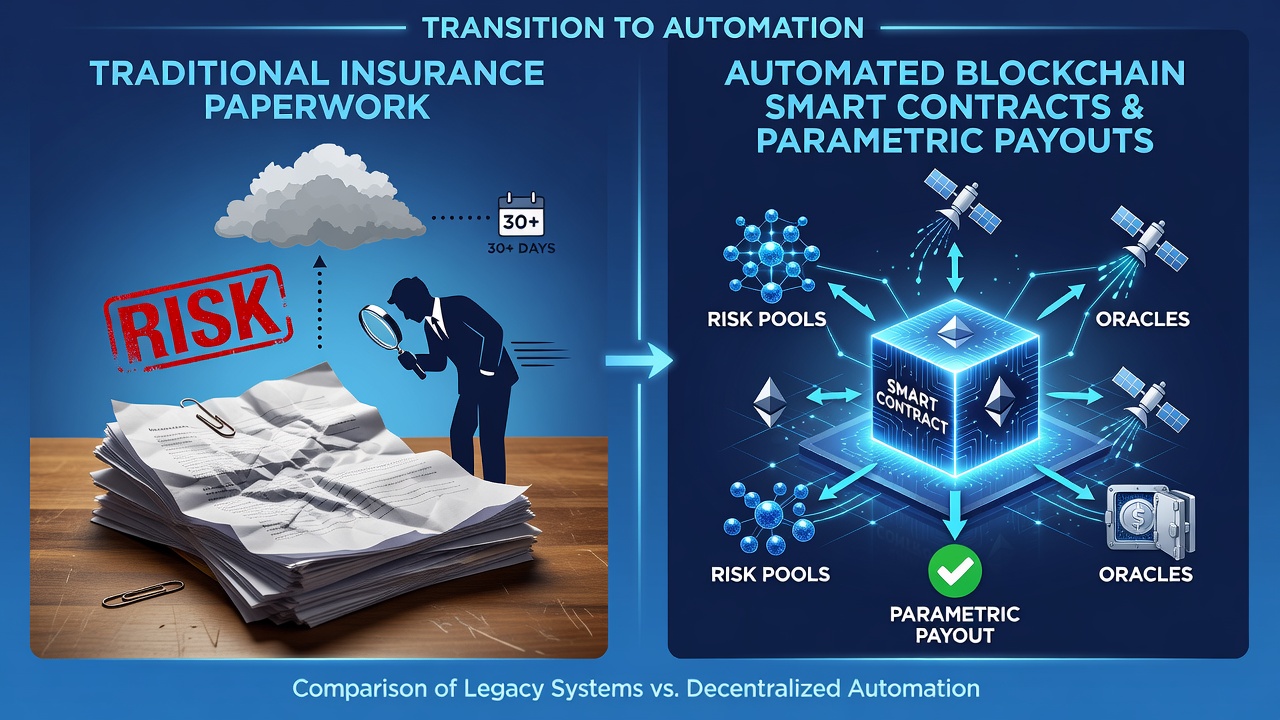
Legacy insurers depend on manual underwriting and centralized databases, often leading to delays and disputes. Policyholders must submit extensive documentation, wait for adjusters, and navigate complex appeals processes. Web3 insurance platforms operate on public ledgers, providing immutable records and instant settlements. Parametric contracts exemplify this shift: instead of assessing individual losses, they release funds when external oracles confirm events like weather thresholds or flight delays. This approach enhances accessibility in underserved regions and lowers barriers for micro-insurance products. Real-world deployments show faster resolution times and reduced overhead compared to conventional policies. For instance, a farmer in a developing region can receive automatic compensation for drought conditions without filing paperwork, a stark improvement over traditional agricultural insurance that often excludes smallholders due to high costs.
Another key difference lies in customization. Traditional products follow rigid templates set by large companies, while Web3 protocols allow community-voted parameters that evolve with market needs. This flexibility supports niche risks like crypto volatility or supply-chain disruptions that legacy carriers rarely cover.
Key Innovations Driving Decentralized Risk Management
Smart Contract Automation
Smart contracts execute claims automatically when conditions are met, eliminating human intervention. Platforms integrate oracles for reliable external data, ensuring payouts occur without paperwork. This automation is central to 2026 trends, supporting complex products like crop or event-based coverage. Developers build these contracts on established networks, drawing from resources such as the Ethereum Foundation for secure coding practices. Automation also reduces fraud by removing subjective assessments and enforcing predefined rules coded directly into the protocol.
Peer-to-Peer Risk Pooling
Users contribute to decentralized pools governed by token holders who vote on parameters and risk assessments. This model democratizes insurance by aligning incentives and allowing fractional participation, fostering community-driven resilience against systemic risks. Participants can join multiple pools to diversify exposure, similar to how traditional reinsurance works but without centralized gatekeepers. In practice, a user might allocate tokens to aviation delay pools during peak travel seasons and shift to weather pools during monsoon periods, optimizing returns while providing real coverage to others.
Leading Platforms Comparison
Several protocols stand out in the 2026 landscape. Nexus Mutual focuses on DeFi protocol coverage with mutualized risk pools and governance via tokens, offering protection against smart contract exploits. Arbol specializes in parametric weather derivatives using blockchain for transparent triggers, popular among agricultural and energy sectors. InsurAce provides multi-chain portfolio protection with diversified pools and yield-generating features, appealing to crypto investors seeking comprehensive shields. Each platform emphasizes different strengths, from DeFi-specific protections to cross-chain scalability, helping users match solutions to their needs. When evaluating options, consider factors like audit history, pool liquidity, and governance transparency to ensure long-term viability.
Regulatory Hurdles in 2026
Despite rapid innovation, Web3 insurance faces evolving oversight from bodies worldwide. Jurisdictions are developing frameworks for smart contract enforceability and consumer protections. Platforms must navigate licensing, data privacy, and anti-money laundering rules while maintaining decentralization. Ongoing dialogue with regulators is essential for sustainable growth. In the United States, agencies like the U.S. Securities and Exchange Commission continue to clarify how tokenized insurance products fit within existing securities laws. European regulators emphasize consumer safeguards, requiring clear disclosure of oracle dependencies and governance mechanisms. These hurdles slow mainstream adoption but also encourage more robust protocol designs that prioritize compliance from the outset.
Real-World Examples of Parametric Contracts
Parametric contracts have moved beyond theory into practical use. One deployment covers flight cancellations by monitoring airline APIs and releasing stablecoin payments within hours of a delay threshold being crossed. Another example involves hurricane protection in coastal communities, where satellite data triggers payouts to homeowners without needing individual damage assessments. These cases demonstrate how Web3 insurance reduces administrative burdens and delivers funds precisely when needed most, improving financial resilience for participants.
Steps to Get Started with Web3 Insurance
- Research platforms and review their smart contract audits on public explorers to verify security practices and historical performance.
- Set up a compatible wallet and acquire necessary tokens for participation, ensuring you understand gas fees and network choices.
- Connect to the protocol interface and select coverage parameters that match your risk profile, such as coverage amount and duration.
- Fund your position in a risk pool and monitor claims via on-chain dashboards that display real-time pool health and payout history.
- Stay informed on regulatory updates through official channels and participate in governance votes to influence future protocol directions.
- Start small with test transactions on supported testnets before committing larger amounts to live pools.
FAQ
How are claims processed in Web3 insurance?
Claims trigger automatically through oracle-verified data and smart contract logic, often settling within minutes rather than weeks. Users receive notifications and can track the entire transaction on the blockchain explorer.
What security measures protect Web3 insurance protocols?
Leading platforms undergo multiple audits, implement bug bounties, and use decentralized governance to mitigate vulnerabilities. Regular code reviews and community oversight help maintain high security standards.
Can traditional insurers integrate Web3 solutions?
Yes, hybrid models are emerging where established firms partner with blockchain protocols for parametric layers or reinsurance. This allows legacy carriers to test decentralized features without fully migrating their operations.
What risks should users consider before joining a pool?
Key considerations include smart contract vulnerabilities, oracle failures, and liquidity risks if many participants exit simultaneously. Diversification across multiple protocols helps manage these exposures.
How does pricing compare between traditional and Web3 insurance?
Web3 products often feature lower overhead due to automation, though premiums vary based on risk assessment models and pool utilization. Users should compare quotes directly on protocol dashboards for the most accurate view.
Conclusion
Web3 insurance trends in 2026 highlight a shift toward efficient, inclusive risk management. By understanding comparisons, innovations, and adoption steps, users can engage confidently with decentralized protocols while monitoring regulatory developments. Continued growth will depend on balancing technological advances with thoughtful oversight that protects participants without stifling innovation.


No comments yet. Be the first!