 CryptoChain Blog
Introduction to Web3 Metaverse Integration in 2026
The fusion of Web3 and the metaverse is reshaping digital experiences by emphasizing decentralization, user ownership, and interoperability. In 2026, this integration allows users to own virtual assets securely through blockchain while participating in immersive worlds that transcend single platforms. This guide provides practical insights for beginners seeking entry points into these trends, covering everything from foundational concepts to actionable steps for getting started in decentralized virtual environments. As blockchain infrastructure matures, metaverse platforms are evolving beyond centralized control. Users now benefit from true digital scarcity, transparent economic systems, and cross-platform compatibility that was previously impossible. Whether you are a creator, investor, or casual explorer, understanding these integrations opens doors to new forms of digital interaction and value creation. The decentralized web empowers individuals to build communities and economies that operate independently of traditional tech giants, fostering innovation in social, gaming, and commercial spaces.
Beginners often start by exploring how blockchain underpins these experiences, providing immutable records of ownership and transactions. This foundation supports everything from virtual real estate to digital identities that persist across multiple universes. With growing adoption, 2026 sees enhanced tools for seamless entry, including simplified wallet integrations and educational onboarding programs from major platforms.
Understanding Blockchain-Based Virtual Land Ownership
Virtual land in decentralized metaverses is tokenized as NFTs on blockchains like Ethereum, granting true ownership and scarcity. Projects enable users to buy, develop, and monetize parcels without central authority interference. This model contrasts with traditional virtual worlds where platforms retain control over all assets and can alter rules unilaterally. Ownership is recorded permanently on the ledger, allowing resale or leasing with full transparency. Beginners should research parcel utility, such as proximity to high-traffic areas or event zones, before purchasing. Mistakes to avoid include overlooking gas fees during peak network times or failing to verify smart contract security through established auditing services.
Real-world examples include Decentraland, where users govern districts through DAOs, and The Sandbox, which supports user-generated content on blockchain-secured plots. Land development often involves building experiences using tools like Unity or platform-specific editors, then deploying them as interactive NFTs. This creates revenue streams through ticketed events, advertising, or virtual goods sales. Additional projects like Somnium Space offer expansive worlds with similar ownership models, allowing for custom builds and social hubs. Practical steps involve using marketplaces to browse listings, checking historical sales data for valuation insights, and understanding zoning rules enforced by community votes.
Interoperable Avatars Using NFTs
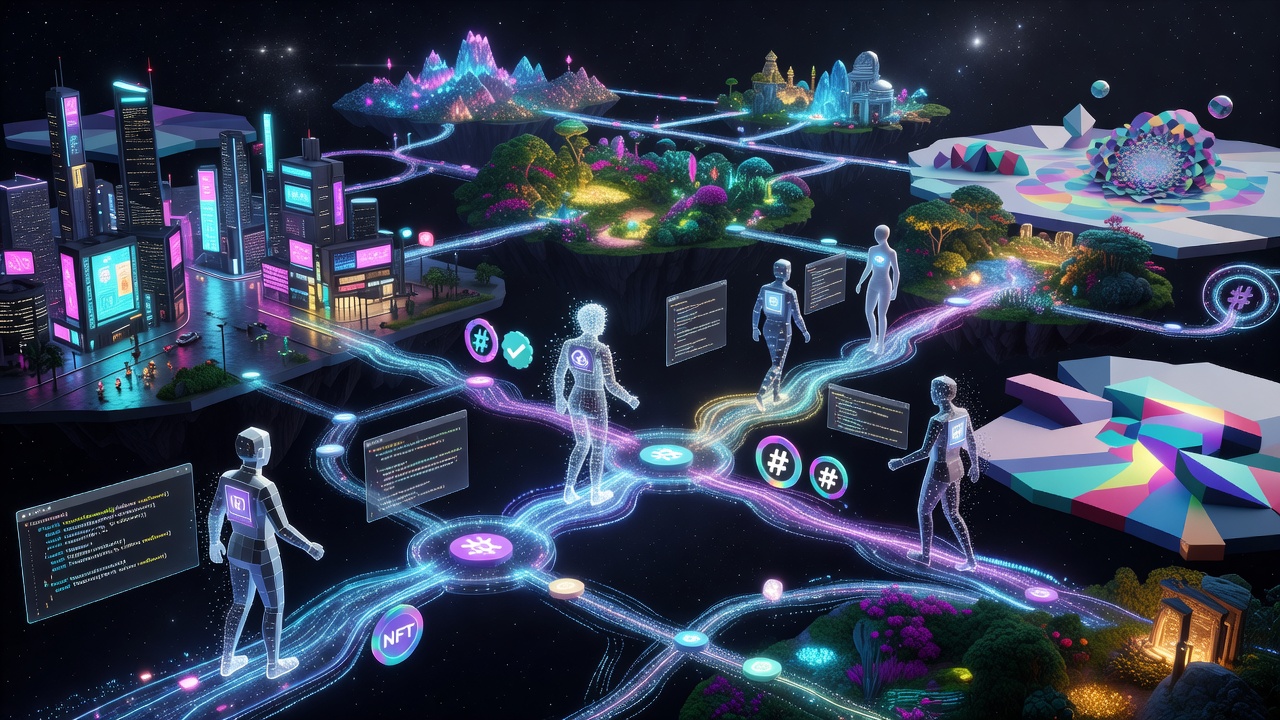
NFT avatars enable seamless movement across metaverses. Standards like ERC-721 facilitate this by allowing avatars to carry traits, wearables, and histories between environments. Users can customize once and deploy everywhere, enhancing immersion and reducing repetitive creation efforts. Practical considerations include ensuring compatibility with multiple chains via bridges and selecting avatars with proven utility in social and gaming scenarios. Interoperability reduces fragmentation, letting creators focus on high-quality designs rather than platform-specific versions.
Emerging in 2026, projects integrate AI-driven customization tools that let users generate unique traits stored as NFTs. This allows avatars to evolve based on in-world achievements, carrying reputation across ecosystems. For example, an avatar earned in one metaverse can display badges in another, boosting social status and access to exclusive areas.
Decentralized Governance of Virtual Economies
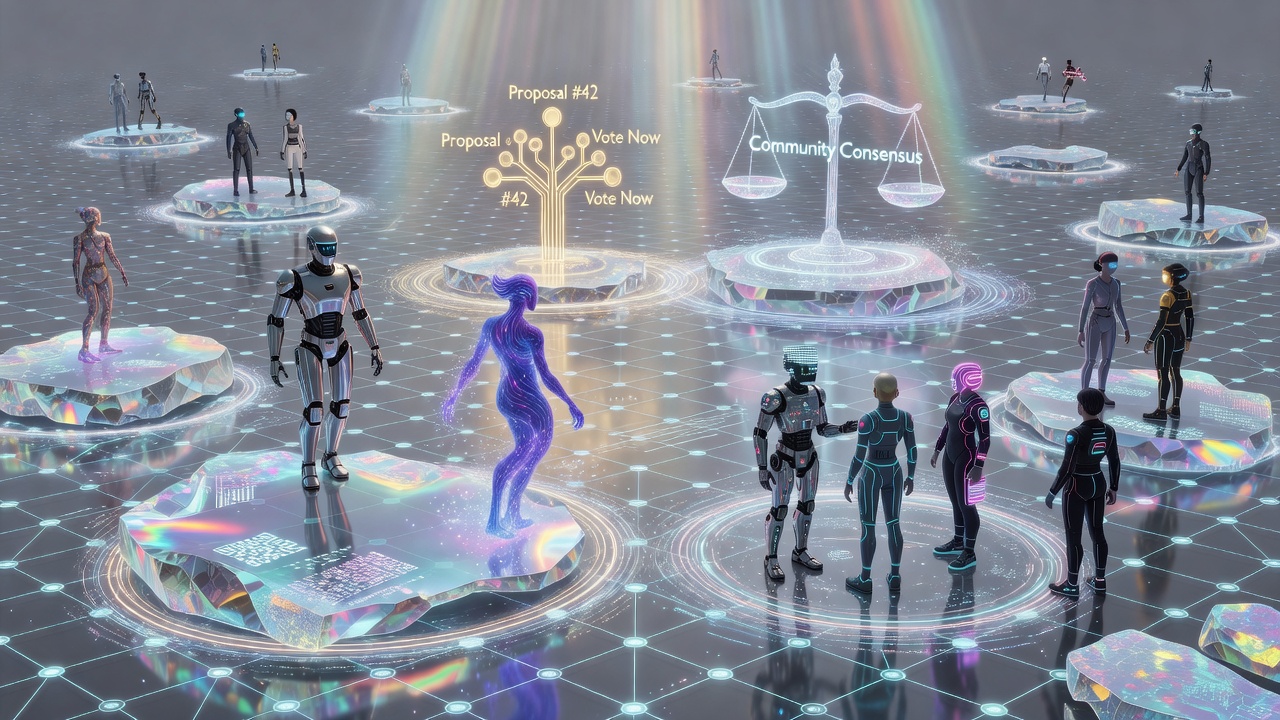
DAOs manage virtual economies through token-based voting. Participants propose changes to rules, fees, or developments, ensuring community-driven evolution. This fosters transparency and aligns incentives between users and platform growth. Key elements include proposal submission, voting periods, and treasury management. New users can start by holding governance tokens and participating in discussions on official forums. Effective governance leads to sustainable economies where token holders influence everything from land zoning to event calendars. Tokenomics play a crucial role, with mechanisms like staking rewards encouraging long-term holding and active participation rather than speculative trading.
Comparison: Centralized vs Decentralized Metaverses
- Centralized: Platforms like traditional social VR retain full control, limiting user ownership and risking data monopolies or sudden shutdowns.
- Decentralized: Web3 versions offer asset portability, censorship resistance, and economic participation via tokens, though they may require more technical knowledge initially.
- Scalability: Centralized systems handle high traffic easily but at the cost of user sovereignty; decentralized ones improve through layer-2 solutions and sharding.
- Monetization: Centralized takes large cuts; decentralized allows direct peer-to-peer transactions with lower fees.
- Security: Centralized relies on company safeguards; decentralized uses cryptography and community audits for resilience.
Step-by-Step Setup Instructions
- Create a wallet using MetaMask or similar browser extension, securely backing up your seed phrase offline.
- Acquire cryptocurrency for transactions by purchasing on reputable exchanges and transferring to your wallet.
- Visit a marketplace to purchase land or avatars as NFTs, always double-checking contract addresses to avoid scams.
- Connect your wallet to the metaverse platform and explore tutorials for navigation and basic interactions.
- Join DAOs for governance participation by staking tokens and engaging in proposal voting.
- Experiment with cross-platform bridges to test avatar interoperability before committing significant resources.
- Monitor community channels for updates on new features and security patches.
Real-World Examples and Trends
Leading projects in 2026 highlight scalable integrations, with Decentraland focusing on community events and The Sandbox emphasizing creator economies. Other initiatives explore cross-chain compatibility using bridges built on Ethereum standards. Trends point toward increased focus on mobile accessibility and AI-assisted world building, making entry easier for non-technical users. Ethereum continues to serve as the backbone for many of these innovations through its robust ecosystem of tools and standards.
Challenges and How to Overcome Them
Scalability remains a concern in crowded virtual spaces, but solutions like optimistic rollups continue to reduce latency. User adoption barriers such as wallet setup complexity are mitigated by improved onboarding flows and educational resources from established communities. Always prioritize security by enabling two-factor authentication and verifying all links. Environmental impact of blockchain operations is another consideration, with many projects shifting to proof-of-stake models for sustainability. Hardware requirements for immersive experiences are dropping as affordable VR headsets become more widely available, broadening access beyond early adopters.
Conclusion
Web3 metaverse integration in 2026 represents a shift toward user-empowered digital worlds. By following the steps outlined and engaging with leading projects, beginners can confidently explore these innovations while contributing to decentralized ecosystems.
FAQ
How does scalability affect Web3 metaverses?
Layer-2 solutions and new consensus mechanisms address transaction speeds, improving user experiences in crowded virtual spaces while maintaining decentralization.
What barriers exist for user adoption?
Technical complexity and hardware requirements are easing with better interfaces and accessible devices, driving broader participation across demographics.
Are there risks in virtual land ownership?
Market volatility and smart contract vulnerabilities exist, so thorough research and diversified portfolios are recommended for risk management.
How do interoperable NFTs work in practice?
Through standardized token formats and cross-platform protocols, NFTs transfer traits and value seamlessly, though testing on testnets first is advised.
What role does AI play in 2026 metaverses?
AI enhances avatar creation, world generation, and moderation, making experiences more dynamic and personalized for users at all skill levels.


No comments yet. Be the first!