 CryptoChain Blog
Introduction to Web3 Philanthropy in 2026
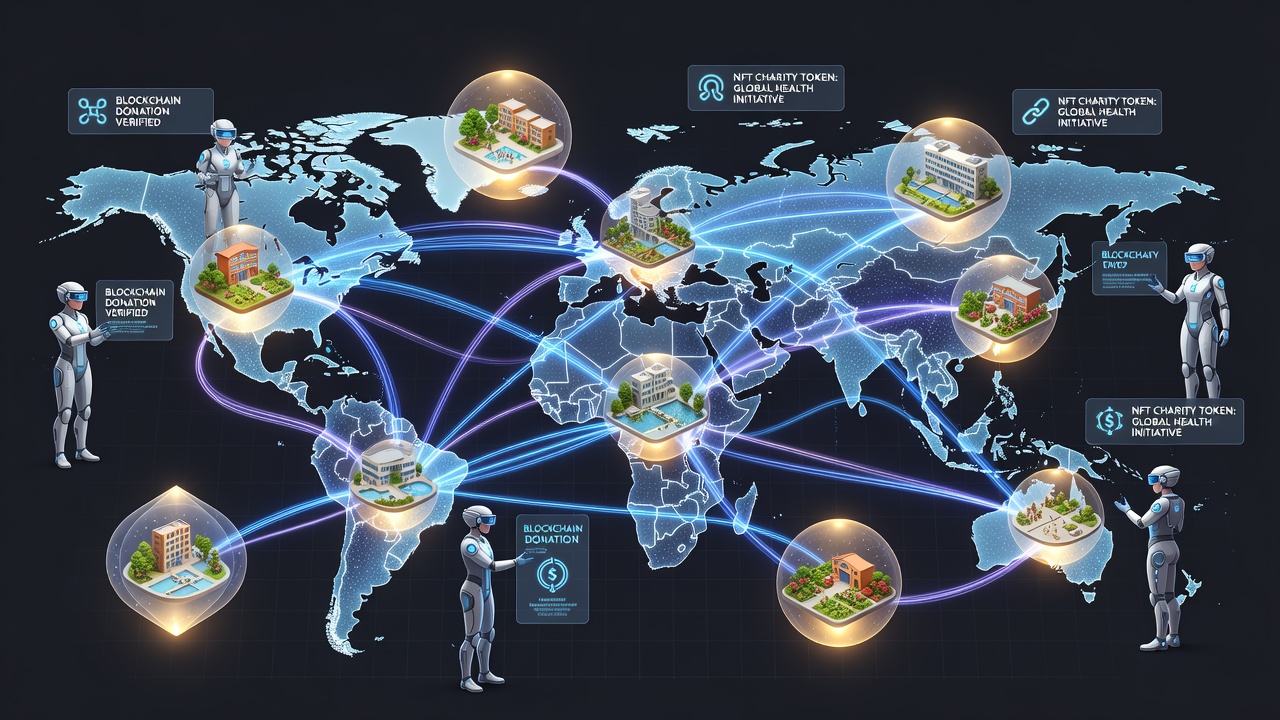
Decentralized philanthropy is transforming charitable giving by removing traditional gatekeepers and enabling direct, verifiable support for causes worldwide. Blockchain technology underpins this shift, offering immutable records that build donor trust and allow funds to flow seamlessly across borders. In 2026, innovations in token economies, community governance, and digital collectibles are accelerating adoption among individuals, nonprofits, and impact investors seeking greater accountability. Readers exploring social impact in the decentralized web will discover how these tools reduce overhead, enhance transparency, and foster ongoing engagement. This comprehensive overview covers core models, real-world implementations, and actionable steps for launching campaigns while addressing regulatory nuances that global participants must navigate.
Token-Based Donation Models
Token-based donation systems let contributors send cryptocurrencies or purpose-specific tokens straight to beneficiaries or pooled funds. Every transfer is timestamped and publicly auditable on the ledger, eliminating doubts about whether donations reach their intended recipients. These models support micro-donations as small as fractions of a cent, making philanthropy accessible to a broader audience. Recurring contributions become automated through smart contracts that execute on schedule without manual intervention. Platforms also integrate stablecoins to shield donors from volatility, ensuring the value delivered remains predictable. Real-world use shows how token models streamline reporting for tax purposes and enable conditional giving where funds release only upon verified milestones.
DAO-Led Funding Mechanisms
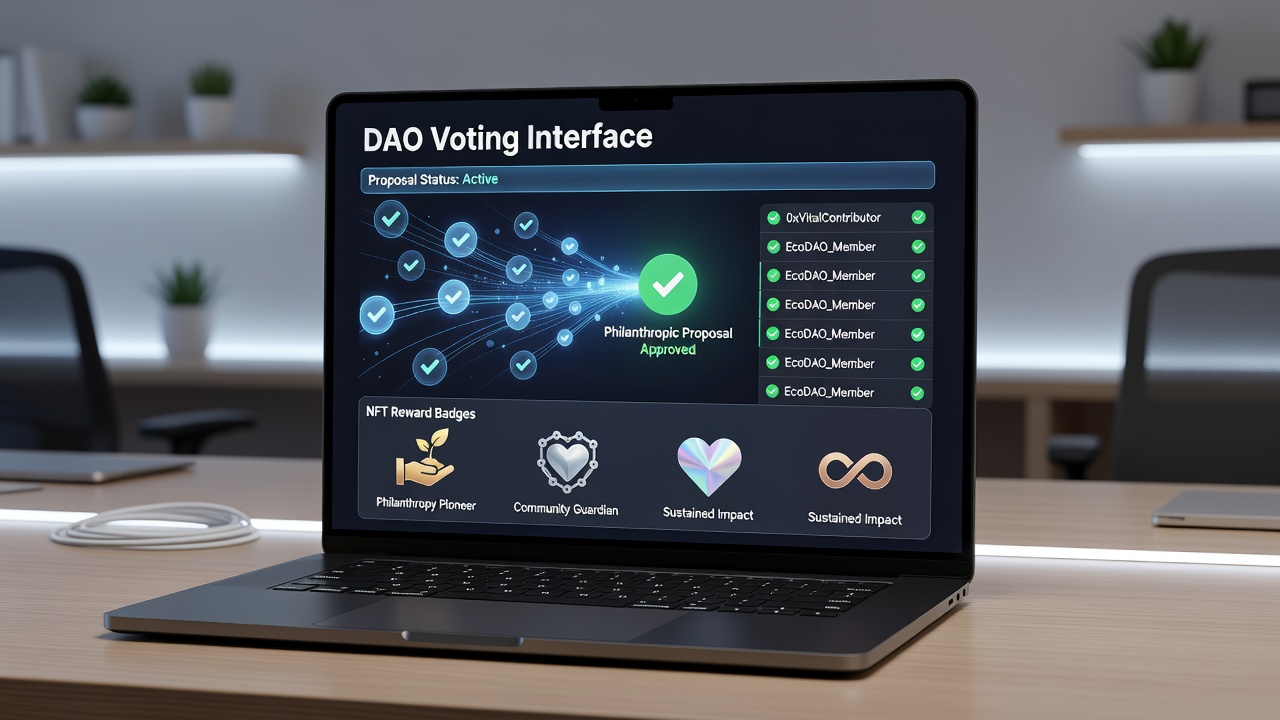
Decentralized Autonomous Organizations empower communities to propose, debate, and vote on philanthropic allocations using governance tokens. This democratic process replaces centralized boards with transparent on-chain voting, often weighted by contribution history or quadratic formulas that prevent whale dominance. In 2026, DAOs are funding education initiatives, climate projects, and humanitarian relief with rapid response times unmatched by traditional charities. Participants earn reputation scores for consistent involvement, creating incentives for thoughtful stewardship. Examples include grant programs that match community pledges to amplify impact, demonstrating how collective intelligence outperforms siloed decision-making.
Integration with NFTs for Donor Rewards
NFTs function as unique proofs of contribution, granting donors access to virtual events, physical merchandise, or ongoing governance rights within the supported cause. This approach turns one-time gifts into lasting relationships by offering tiered rewards that scale with donation size or frequency. Collectors can trade or display these digital badges, extending the reach of the charity through secondary markets. Integration with loyalty systems further encourages repeat engagement while preserving a permanent, tamper-proof history of generosity on the blockchain.
2026 Real-World Examples from Platforms Like Gitcoin
Gitcoin continues to lead with quadratic funding rounds that democratically allocate resources to open-source and public-good projects, having supported thousands of developers and social initiatives. Emerging protocols leverage zero-knowledge proofs to verify impact without exposing sensitive donor data, enhancing privacy while maintaining auditability. Other platforms experiment with cross-chain bridges that let users donate from multiple networks in a single transaction. For deeper exploration of decentralized governance tools, consult Gitcoin, Ethereum.org, and World Bank resources on digital public goods. These examples illustrate scalable models that combine technology with measurable outcomes.
Step-by-Step Guide to Launching a Web3 Charity Campaign
Begin by clarifying your mission and identifying measurable impact metrics that can be tracked on-chain. Next, choose a gas-efficient blockchain aligned with your target audience and technical requirements. Establish a multisig wallet requiring multiple approvals for any fund movement, thereby distributing control and reducing single points of failure. Form a DAO structure or join an existing one to enable community voting on proposals. Design and mint NFT rewards that reflect donor tiers while ensuring metadata remains permanently linked to the blockchain. Integrate donation widgets on your campaign site that accept multiple tokens and automatically convert to stable value where needed. Promote through decentralized social platforms and forums to reach crypto-native supporters. Finally, publish regular impact reports using on-chain analytics dashboards so donors can verify progress independently. Each phase benefits from testing with small pilot donations before scaling.
Comparisons of Gas-Efficient Chains
Selecting the right network directly affects campaign reach and cost. Ethereum provides unmatched security and developer tooling yet can incur higher fees during peak activity. Polygon offers near-instant finality and minimal costs while maintaining full EVM compatibility, making it ideal for frequent small donations. Arbitrum and Optimism deliver layer-2 efficiency with strong Ethereum security guarantees, suiting campaigns that require complex smart contract interactions. Base network has gained popularity for its low barriers and growing ecosystem. When evaluating options, review current throughput, average transaction costs, and bridge liquidity to ensure seamless user experiences across regions.
Benefits, Challenges, and Mitigation Strategies
Decentralized giving delivers lower administrative overhead, real-time transparency, and global accessibility that traditional systems struggle to match. However, volatility, regulatory uncertainty, and user education gaps remain hurdles. Mitigation includes stablecoin adoption, compliance modules in smart contracts, and educational resources embedded in donation interfaces. Hybrid models that combine on-chain execution with off-chain legal wrappers help organizations operate confidently across jurisdictions.
FAQ on Regulatory Considerations for Global Donors
What tax implications arise from crypto donations?
Jurisdictions treat appreciated crypto as property, so donors may realize capital gains. Always review current guidance from local revenue authorities and consider timing donations strategically.
Are there KYC requirements for Web3 giving?
Many platforms add optional KYC layers to build trust and unlock larger contribution limits, though purely on-chain methods can preserve pseudonymity depending on the protocol design.
How do cross-border transfers comply with sanctions?
Smart contracts can embed sanctions screening, yet users remain responsible for checking official lists published by national and international bodies before transacting.
What happens if a recipient wallet is compromised?
Multisig setups and timelocks provide recovery windows, while insurance protocols emerging in 2026 offer additional protection for larger pooled funds.
Conclusion
Web3 philanthropy in 2026 empowers donors with unprecedented control, visibility, and reach. By mastering token models, DAO governance, and NFT incentives while selecting efficient chains, individuals and organizations can drive measurable social change. Continued attention to regulatory landscapes ensures sustainable growth. For broader context on global development initiatives, explore WHO.int to identify intersections with decentralized funding opportunities.
No comments yet. Be the first!