 CryptoChain Blog
Introduction: Web3's Role in Bridging the Financial Gap
In 2026, Web3 technologies are transforming financial inclusion by offering decentralized alternatives to traditional banking systems. With over 1.4 billion adults still unbanked globally, according to recent World Bank data, mobile-first solutions are reaching remote communities. This article examines key trends including accessible DeFi tools, stablecoin usage in emerging markets, and micro-lending protocols, backed by real-world examples from Africa and Southeast Asia. The focus remains on practical strategies that deliver measurable impact, such as increased transaction volumes and broader user acquisition in underserved regions.
Web3 enables peer-to-peer interactions through blockchain networks, eliminating the need for centralized intermediaries that often exclude low-income populations. This shift empowers individuals to access savings, lending, and payment services directly from their devices. As adoption grows, stakeholders must understand both the opportunities and the implementation steps required for success.
Mobile-First DeFi Apps: Accessibility at Scale
Mobile-first decentralized finance applications prioritize low-data usage and smartphone compatibility to serve users in regions with limited infrastructure. These apps enable peer-to-peer transactions without intermediaries, reducing costs and increasing speed. Developers design them with intuitive navigation that accommodates users new to digital finance, often incorporating voice commands or icon-based menus for broader accessibility.
Key Features Driving Adoption
- Simplified interfaces with local language support and region-specific currency displays
- Integration with basic feature phones via SMS gateways for those without smartphones
- Offline transaction queuing for areas with spotty connectivity, allowing later synchronization
- Built-in educational modules that explain concepts like wallets and yields in simple terms
- Partnerships with local telecom providers to offer zero-rated data access for app usage
Platforms like those built on Ethereum and Solana are leading this shift by optimizing for emerging market needs. Users benefit from real-time balance updates and instant confirmations, fostering trust in the technology. Challenges such as device compatibility are addressed through lightweight app versions that consume minimal storage space.
Stablecoin Adoption in Emerging Markets
Stablecoins pegged to fiat currencies provide a hedge against local inflation and volatility. In 2026, adoption has surged in countries facing currency crises, allowing users to store value and conduct cross-border payments seamlessly. These digital assets maintain steady value, making them ideal for daily transactions and remittances where traditional banking fees are prohibitive.
Leading examples include USDC and USDT usage in Nigeria and Indonesia, where transaction volumes have grown substantially. Merchants accept them for goods and services, creating local economies that operate independently of national banking systems. For authoritative insights on global economic stability, refer to International Monetary Fund resources. Regulatory developments in these regions are gradually providing clearer frameworks that encourage responsible innovation while protecting users.
Micro-Lending Protocols: Democratizing Credit Access
Decentralized micro-lending protocols use smart contracts to assess creditworthiness through on-chain data rather than traditional credit scores. This opens doors for small business owners and farmers previously excluded from formal lending. Borrowers can access funds quickly by providing collateral in the form of digital assets or by participating in reputation-based systems built on transaction history.
Comparison of Leading Platforms
- Aave: Focuses on collateralized loans with high liquidity pools; strong in Southeast Asia due to its robust risk management tools and support for multiple stablecoin pairs.
- Compound: Emphasizes algorithmic interest rates suitable for micro-loans in Africa, offering transparent yield calculations that help users plan repayments effectively.
- Morpho: Offers optimized peer-to-peer matching for lower fees in emerging economies, with features tailored to small-scale agricultural financing.
These platforms demonstrate measurable outcomes, including increased user acquisition by significant margins year-over-year in targeted regions. Users should evaluate each option based on supported assets, security audits, and community governance participation before committing funds.
Case Studies: Impact in Africa and Southeast Asia
In Kenya, Web3 micro-lending has empowered women entrepreneurs through community-based DAOs, leading to higher transaction volumes and sustainable business growth. Groups pool resources via decentralized autonomous organizations to fund ventures in agriculture and retail, bypassing traditional loan requirements. Similarly, in Vietnam, stablecoin remittances have reduced fees compared to traditional services, enabling families to receive more of their earnings from overseas workers. 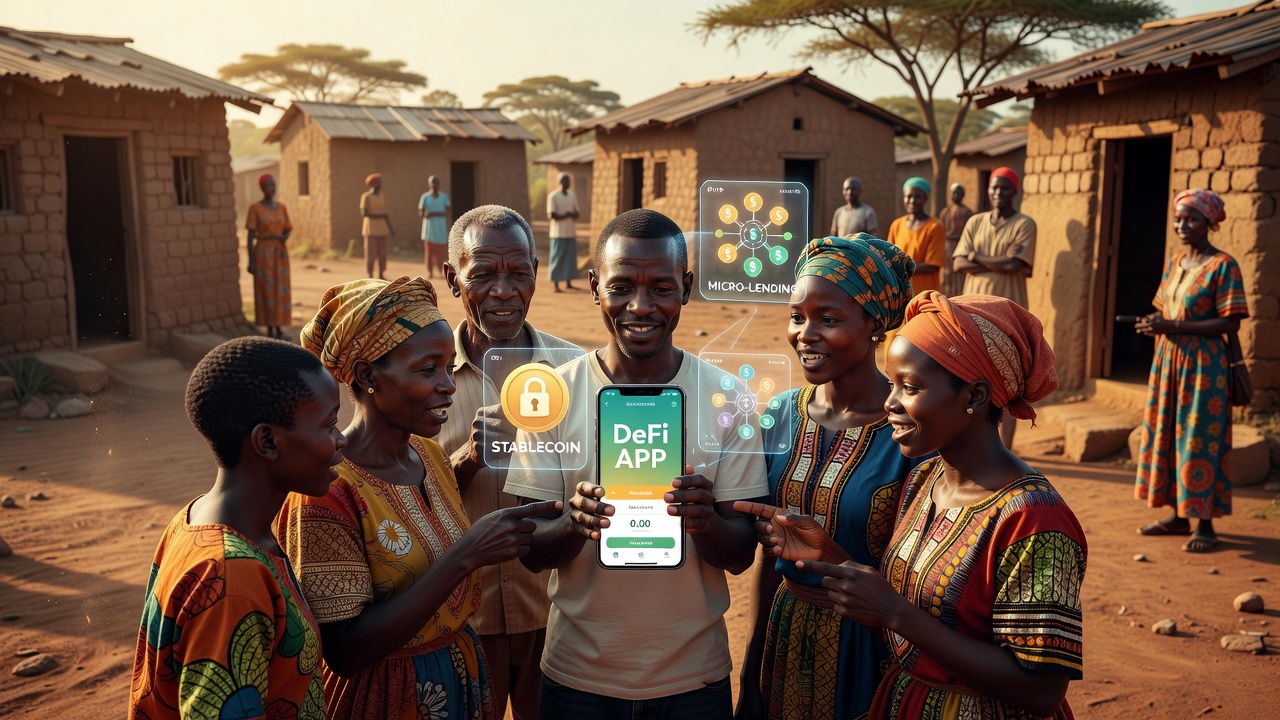
These examples highlight practical strategies for scaling inclusion efforts, such as combining local agent networks with digital tools to build trust and provide onboarding assistance. Outcomes include improved financial literacy and expanded economic participation across demographics.
Step-by-Step Guide to Onboarding New Users
Follow these steps to help unbanked individuals access Web3 tools safely and effectively:
- Download a mobile wallet app supporting local currencies from official app stores or trusted websites.
- Complete basic KYC via biometric verification where required, using government-issued IDs where available.
- Acquire stablecoins through peer-to-peer exchanges or local agents who facilitate cash-to-digital conversions.
- Explore DeFi apps for savings or lending with small test amounts to understand interfaces and risks.
- Join community forums and local support groups for ongoing education and troubleshooting assistance.
- Monitor transactions regularly and enable security features like two-factor authentication.
- Scale usage gradually as confidence and understanding increase, always starting with education on best practices.
Measurable Outcomes and Future Outlook
Recent metrics show DeFi transaction volumes in emerging markets rising sharply in 2026, driven by improved mobile penetration and user-friendly designs. User growth metrics indicate sustained adoption when education and mobile access improve alongside supportive regulations. For further reading on blockchain standards, explore Ethereum Foundation documentation. Looking ahead, integration with central bank digital currencies could further accelerate inclusion by creating hybrid systems that combine the best of decentralized and traditional finance.
FAQ: Addressing Common Barriers
What are the main obstacles to Web3 adoption?
Connectivity issues, regulatory uncertainty, and digital literacy remain challenges, but initiatives are addressing them through partnerships with governments, NGOs, and telecom companies that provide training and infrastructure support.
How secure are these decentralized tools?
Smart contract audits and multi-signature wallets enhance security, though users should start with education on best practices such as verifying contract addresses and avoiding phishing attempts common in digital spaces.
Can Web3 replace traditional banks entirely?
It complements rather than replaces, offering alternatives where banking infrastructure is absent while coexisting with existing systems in more developed areas.
What role does education play in successful adoption?
Comprehensive education programs reduce hesitation and misuse, leading to higher retention rates and more positive outcomes for participants in financial inclusion programs.
Conclusion
Web3 trends in 2026 are proving instrumental in advancing global financial inclusion through innovative, accessible tools. By focusing on practical implementation and learning from regional successes, stakeholders can drive meaningful impact. Additional resources are available via World Bank financial inclusion reports and United Nations development pages.
No comments yet. Be the first!