 CryptoChain Blog
Introduction to Web3 Streaming in 2026
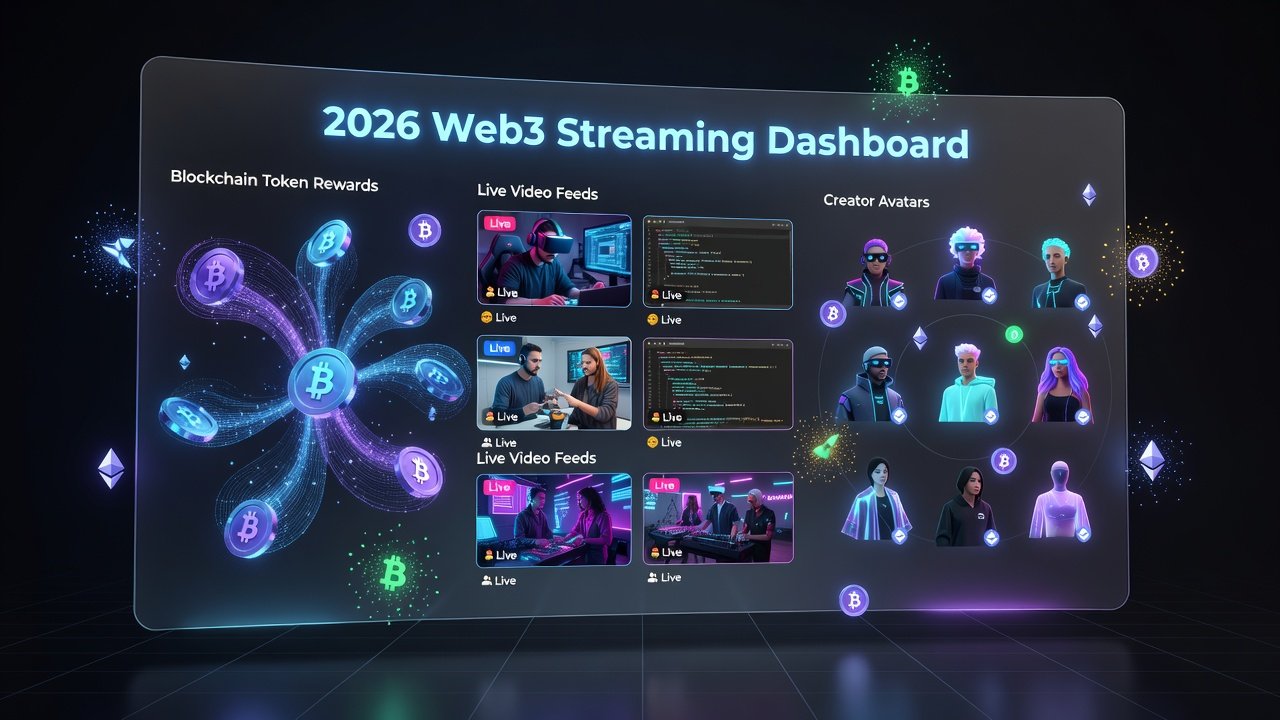
The streaming industry is undergoing a profound shift as Web3 technologies integrate token incentives to empower creators and users alike. In 2026, platforms leveraging blockchain for content distribution are redefining engagement through decentralized models that reward participation directly. This article examines real-world case studies of successful creator platforms, highlighting how token incentives drive sustainable growth while comparing them to legacy systems. Web3 streaming goes beyond simple video delivery by incorporating smart contracts that automate rewards, ownership verification, and community governance. As adoption grows, these platforms address long-standing issues in traditional media such as unfair revenue splits and centralized control over algorithms.
Case Studies of Successful Web3 Streaming Platforms
One prominent example involves platforms built on decentralized video protocols that distribute content via peer-to-peer networks. These systems use native tokens to incentivize both creators uploading videos and viewers who share or curate content. A leading case from 2026 shows a platform achieving exponential growth after implementing a dual-token model where one token handles governance and another rewards daily engagement. In another case, emerging services have demonstrated rapid user acquisition by offering staking rewards for consistent engagement, leading to higher retention rates than centralized alternatives. A third case study features a music-focused streaming service that combined live video with tokenized fan clubs, resulting in creators earning directly from micro-payments triggered by real-time interactions. These examples illustrate how token mechanics create self-sustaining ecosystems rather than relying on external advertising revenue.
How Token Incentives Drive User Growth
Token incentives function by aligning economic interests between platforms and participants. Creators earn tokens for high-quality uploads, while fans receive rewards for watching, commenting, or promoting streams. This creates viral loops where early adopters benefit from network effects, accelerating adoption far beyond traditional subscription models. Detailed analysis of 2026 data reveals that platforms with tiered incentive structures see up to threefold increases in monthly active users compared to those without. Incentives often include liquidity provision rewards and referral bonuses that encourage organic spread. The psychological impact of earning tangible digital assets keeps users returning, fostering habits that traditional platforms struggle to replicate through free tiers alone.
Content Distribution via Blockchain
Blockchain enables immutable records of content ownership and transparent royalty splits. Platforms distribute video segments across nodes, reducing reliance on central servers and lowering costs. Integration with protocols like Livepeer allows real-time transcoding powered by decentralized GPUs, ensuring scalable live streams without single points of failure. This architecture also supports censorship resistance, allowing creators in restrictive regions to maintain access. Data stored on-chain provides verifiable proof of viewership, which underpins fair reward calculations and builds trust among all stakeholders.
Comparisons to Traditional Streaming Models
Traditional platforms rely on advertising revenue and subscriptions controlled by intermediaries, often resulting in low creator payouts. Web3 alternatives flip this by granting direct token ownership, enabling dynamic monetization. However, they face challenges in user onboarding due to wallet complexities, though improvements in 2026 UX have narrowed this gap. Traditional services offer polished interfaces and vast libraries but extract high fees, whereas Web3 models prioritize community ownership at the expense of initial learning curves. Long-term projections indicate Web3 platforms may capture significant market share as regulatory clarity improves and wallet integrations become seamless.
Practical Steps for Launching a Web3 Streaming Platform
- Choose a blockchain framework supporting smart contracts for tokenomics, starting with Ethereum-compatible chains for broad tooling support.
- Integrate video infrastructure such as Livepeer for decentralized encoding and ensure compatibility with multiple content formats.
- Design incentive mechanisms like staking pools and royalty curves that scale with user activity levels.
- Conduct security audits and ensure compliance testing with third-party firms specializing in smart contract vulnerabilities.
- Launch with a minimum viable product focused on niche creators to gather feedback before expanding features.
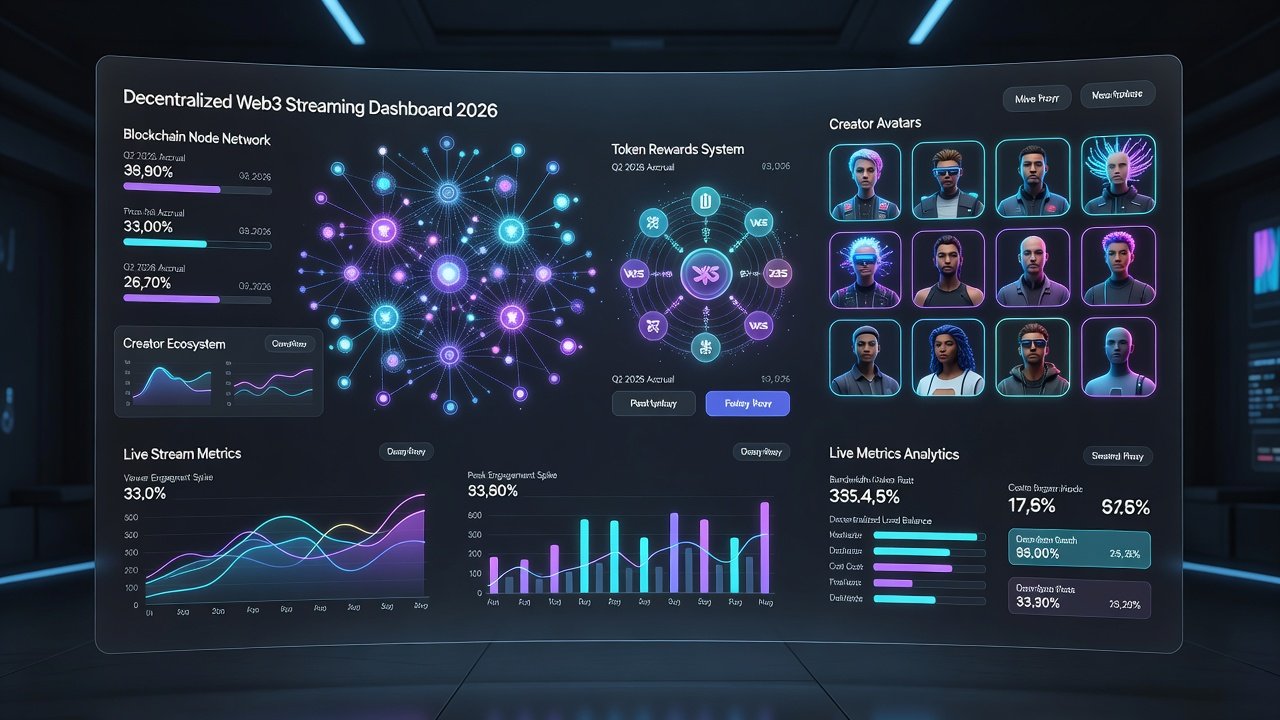
- Implement analytics dashboards that track on-chain metrics for ongoing optimization of reward distribution.
Integration Examples with Protocols Like Livepeer
Developers can connect their platforms to Livepeer’s oracle network for automated payments triggered by viewership metrics. This setup allows seamless token rewards during live events, with smart contracts handling splits automatically. Additional integrations include combining Livepeer with decentralized storage solutions to archive streams permanently. Teams have reported smoother scaling during high-traffic events by leveraging the protocol’s distributed compute resources, which adapt dynamically to demand without manual intervention.
Audience Monetization Tactics
Effective tactics include dynamic royalties that adjust based on engagement levels, fan token sales for exclusive access, and NFT drops tied to popular streams. These methods foster community ownership and recurring revenue streams for creators. Additional approaches involve subscription tiers paid in tokens with bonus utility features and prediction markets where fans stake on content performance. Successful platforms layer multiple tactics to diversify income sources and reduce dependency on any single mechanism.
Dynamic Royalties and Fan Engagement Metrics
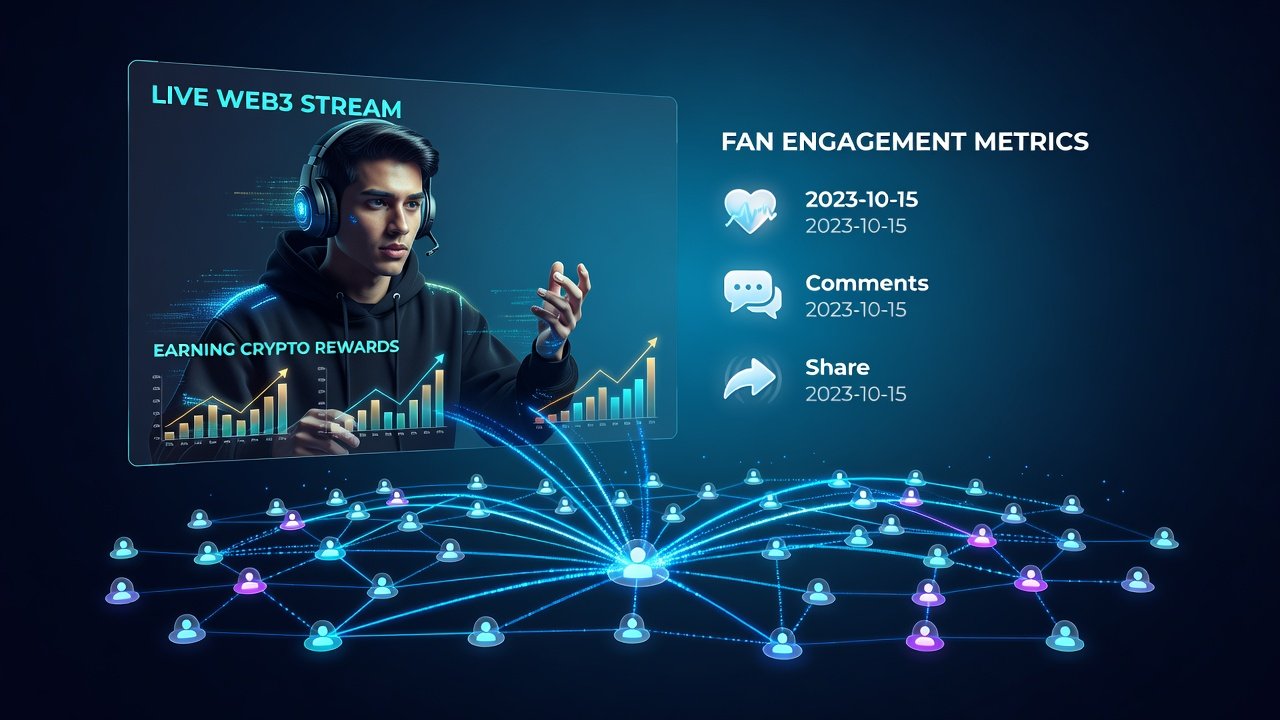
Dynamic royalties use on-chain data to allocate higher percentages to top-performing content. Metrics such as watch time, shares, and token holdings provide quantifiable signals for reward distribution, optimizing retention through personalized incentives. Platforms track these metrics in real time to adjust royalty rates weekly, creating responsive systems that reward consistent quality. Fan engagement improves when metrics are transparent, allowing users to see exactly how their actions translate into earnings.
Regulatory Considerations
Navigating securities laws and data privacy remains critical. Platforms must consult legal frameworks in target jurisdictions to classify tokens appropriately and implement KYC where required. Resources from Ethereum Foundation offer guidance on compliant decentralized applications, while SEC resources provide updates on evolving digital asset regulations. Proactive compliance strategies include building modular smart contracts that can adapt to new rules without full redeployment.
Mistakes to Avoid When Building Token Incentives
- Avoid overcomplicating reward formulas that confuse new users and lead to low participation.
- Do not neglect security audits, as vulnerabilities can result in token drains and loss of community trust.
- Steer clear of unsustainable inflation models that dilute token value over time.
- Ensure mobile-first design from the start, since many users access streams on handheld devices.
Conclusion
Web3 streaming platforms in 2026 showcase the power of token incentives to transform content ecosystems. By focusing on blockchain distribution and user-centric monetization, these platforms outperform traditional models in engagement and fairness. Creators and developers who invest in thoughtful incentive design and regulatory awareness position themselves for long-term success in this evolving space.
FAQs on Common Pitfalls and Optimization Tips
What are common pitfalls in token incentive design?
Overly complex reward structures can confuse users; simplify with clear vesting schedules and transparent dashboards. Another frequent error is ignoring liquidity needs, which can trap users in illiquid positions and reduce overall activity.
How to optimize for maximum retention?
Monitor on-chain analytics closely and iterate on incentive tiers based on real-time feedback loops. Personalization through segmented rewards for different user cohorts has proven effective in sustaining long-term engagement.
Which protocols integrate most easily with new platforms?
Livepeer stands out for its mature developer documentation and active community support, making initial integration straightforward for teams new to decentralized video.
No comments yet. Be the first!