 CryptoChain Blog
Introduction: The Rise of Token-Driven Creator Economies
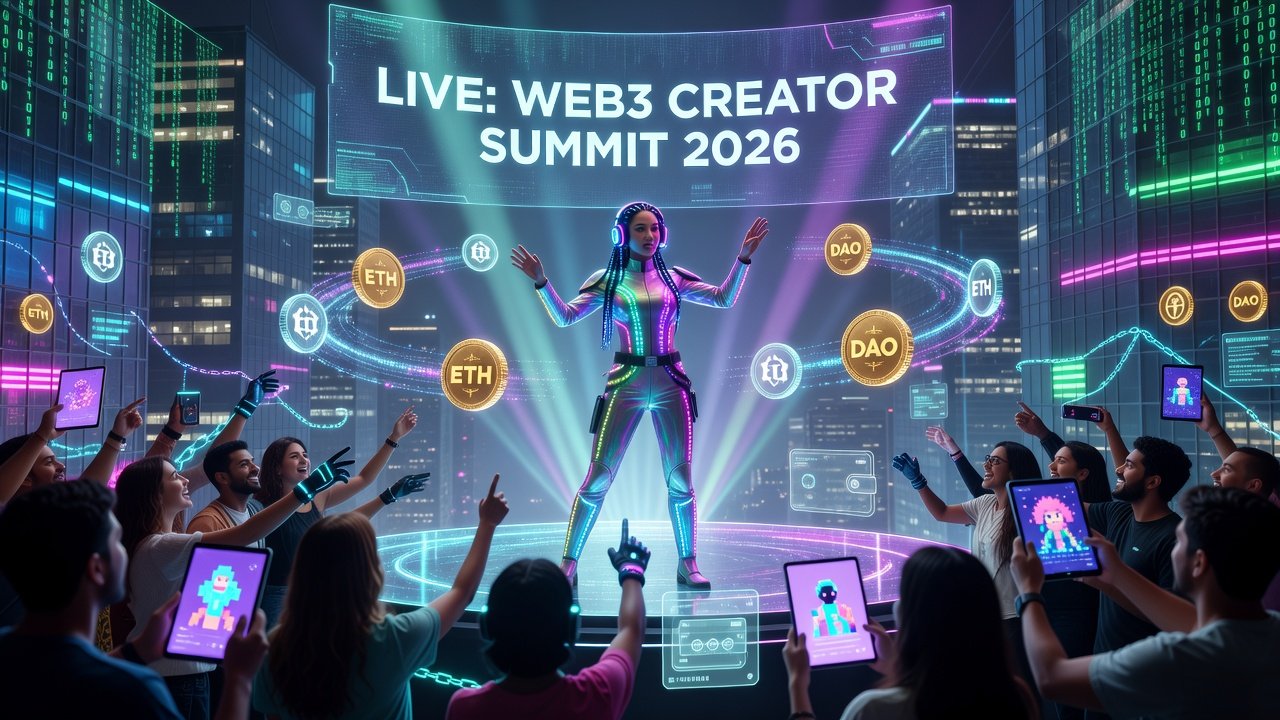
The Web3 creator economy in 2026 continues to evolve at a rapid pace, powered by innovative token incentives that enable creators to establish sustainable and truly decentralized revenue streams. Traditional platforms often impose substantial cuts on earnings, but blockchain technologies now facilitate direct connections between creators and their audiences through native tokens, NFTs, and programmable smart contracts. This evolution builds upon proven streaming and content creation models while introducing ownership, governance, and long-term alignment that centralized systems struggle to match.
Creators today are moving beyond reliance on advertisements and simple subscriptions. Instead, they harness token incentives to foster communities where every participant can benefit from collective growth. These mechanisms create ecosystems in which holding, using, or promoting tokens directly supports the creator's success and generates mutual value.
Understanding Token Incentives in the 2026 Web3 Landscape
Token incentives involve distributing cryptocurrencies or specialized utility tokens to encourage specific actions such as content production, audience sharing, moderation, and ongoing participation. In 2026 these tools sit at the core of decentralized platforms, allowing creators to launch their own tokens that grant holders access privileges, voting power in community decisions, or shares of future revenues. The approach borrows heavily from decentralized finance yet tailors the mechanics specifically to creative fields, turning passive fans into active stakeholders who share in upside potential.
Real-world examples illustrate the power of this model. A musician might release a token that increases in utility as album streams grow, while a video essayist could reward early supporters with tokens redeemable for behind-the-scenes input. Such structures promote holding over speculation and build resilient communities less susceptible to fleeting trends.
Key Advantages Compared with Centralized Platforms
- Direct peer-to-peer payments that bypass intermediary fees
- Transparent, on-chain tracking of all revenue flows
- Programmable rewards that adapt automatically to engagement levels
- Cross-platform portability of tokens and reputation
Token-Gated Communities: Building Exclusive Access
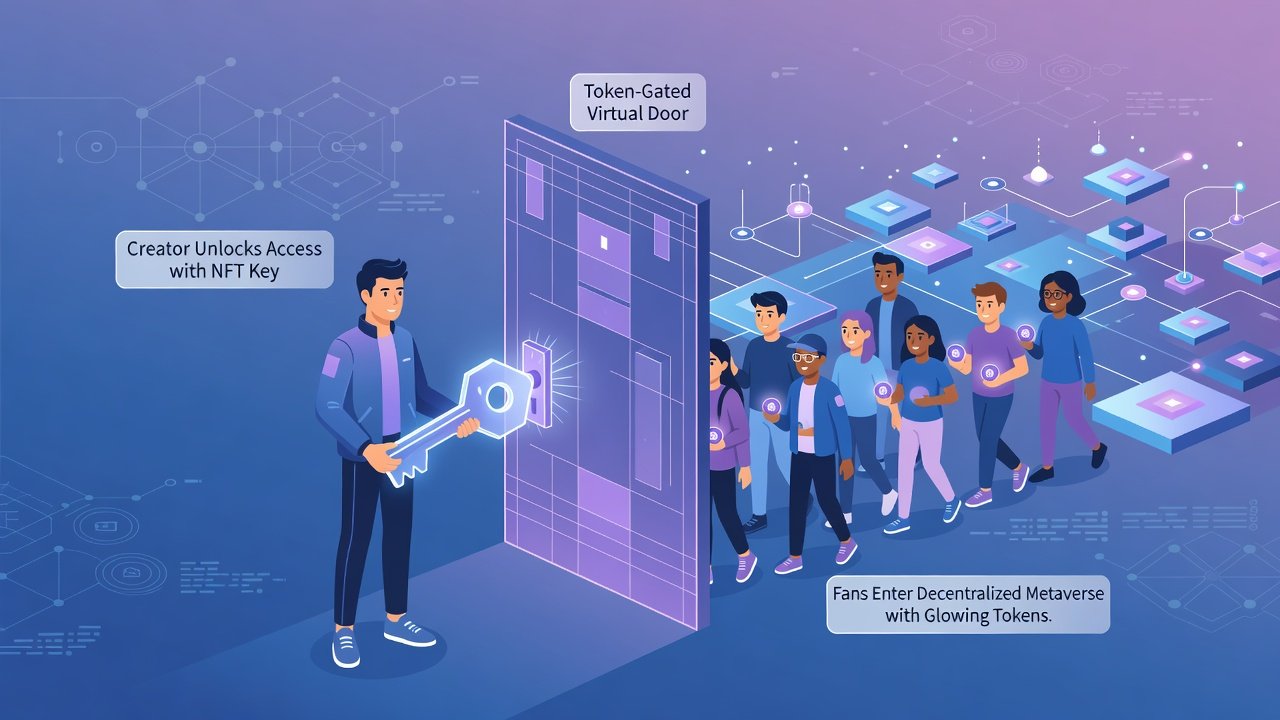
Token-gated communities have become a staple feature in 2026, requiring holders of specific NFTs or tokens to unlock private channels, premium content libraries, or live interactive sessions. Modern integrations with popular wallets and layer-2 scaling solutions have reduced friction, making entry seamless even for newcomers. Creators can implement tiered access where higher token balances unlock additional perks, creating natural scarcity that rewards loyal early supporters and encourages sustained holding.
Practical setups often combine these gates with automated renewal checks, ensuring members maintain minimum balances to retain privileges. This dynamic approach strengthens community quality and prevents free-rider problems common in traditional membership models.
Dynamic Royalties via NFTs
Programmable royalties represent one of the most impactful innovations for long-term creator income. Smart contracts now allow royalties to scale based on secondary market volume, milestone achievements, or even fan participation metrics. Once configured, these royalties distribute automatically on every resale, delivering ongoing compensation without manual intervention.
This mechanism effectively extends the economics of streaming services into the NFT realm, converting one-time releases into recurring revenue engines. Fans gain tradable assets whose value can appreciate alongside the creator's rising profile, aligning incentives across the entire ecosystem.
Blockchain-Based Fan Engagement Tools
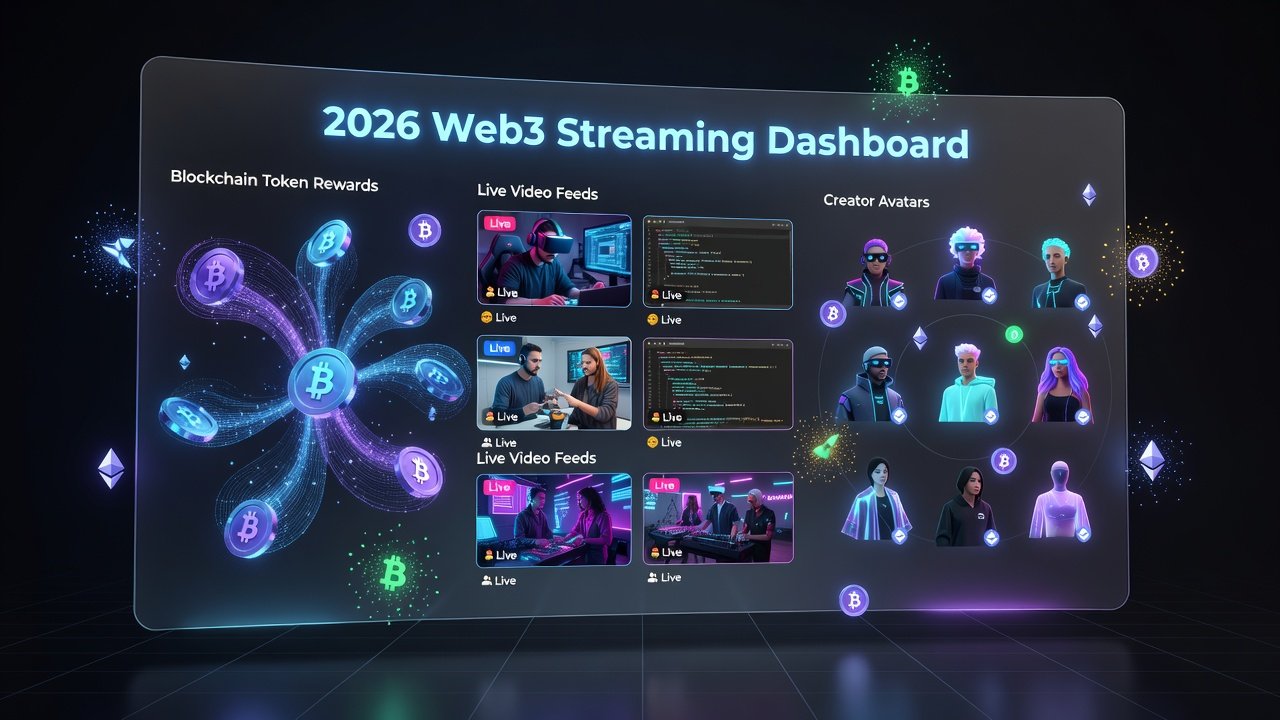
Beyond gating and royalties, creators leverage on-chain tools for deeper interaction. These include tokenized polls for content direction, instant tipping systems, and collaborative funding rounds where fans co-own upcoming projects. Integration with live streaming protocols allows real-time rewards, turning passive viewers into active participants who earn tokens for meaningful contributions such as questions, shares, or feedback.
Many platforms now offer no-code interfaces so creators without technical backgrounds can deploy these tools quickly, focusing energy on content rather than infrastructure.
Leading Platform Comparisons
Several platforms stand out in 2026 for their token incentive capabilities. Ethereum-based ecosystems provide broad interoperability and mature tooling, while newer chains emphasize lower costs and faster transactions. Differentiators include the flexibility of royalty parameters, depth of governance features, and ease of streaming integrations. Web3-native platforms excel at composability, letting creators move tokens and communities between applications without losing accumulated value or history.
Step-by-Step Setup Guide for Creators
- Select a compatible blockchain network such as Ethereum and create a secure non-custodial wallet, backing up seed phrases carefully.
- Use established no-code platforms to mint initial NFTs or utility tokens, defining supply, utility, and metadata that clearly communicate benefits.
- Configure token-gated access by connecting community software to your token contract, setting balance thresholds and renewal rules.
- Enable dynamic royalty settings within NFT marketplaces so secondary sales automatically benefit the original creator.
- Launch with targeted airdrops to existing followers, accompanied by clear explanations of token utility and governance rights.
- Monitor on-chain analytics dashboards to track engagement, adjust incentive parameters, and iterate based on real performance data.
Common Mistakes to Avoid
New creators often overlook wallet security education for their audience or set overly complex token utilities that confuse participants. Another frequent issue is neglecting to communicate long-term token value, which can lead to rapid sell-offs. Testing smart contract parameters on testnets before mainnet deployment helps prevent costly errors. Finally, ignoring cross-chain compatibility limits future growth opportunities.
Case Studies Showing Revenue Growth
Independent musicians who introduced token incentives have diversified income through fan-owned stakes and ongoing royalty streams, reducing dependence on traditional label advances. Video creators operating on decentralized platforms report higher engagement when rewards are tokenized, resulting in sustained audience growth and multiple revenue layers. These examples demonstrate how thoughtful incentive design translates into measurable financial resilience and creative freedom.
Implementation Challenges and Future Outlook
Barriers to wider adoption include the learning curve around wallet management and the need for clearer regulatory frameworks governing digital assets. Interfaces continue to improve, abstracting technical details and making participation intuitive for mainstream users. Mass adoption appears increasingly likely as more tools prioritize user experience and regulatory clarity advances in key jurisdictions.
FAQs
How can creators manage token price volatility? Pairing incentives with stablecoin mechanisms or implementing vesting schedules helps stabilize value for participants.
What regulatory considerations apply? Creators should consult specialists familiar with digital asset regulations in their operating regions to ensure compliance.
Can token incentives fully replace traditional platforms? Most experts anticipate hybrid approaches that combine Web2 discoverability with Web3 ownership features.
How long does initial setup typically take? With modern no-code tools, basic token launches and community gating can be completed within days, though ongoing optimization requires continuous attention.
What metrics should creators track? Focus on token holder retention, engagement rates, and secondary market activity rather than short-term price alone.
Looking ahead, token incentives are poised to become foundational elements of creator sustainability across the decentralized web. Resources from the Ethereum Foundation offer in-depth smart contract guidance, while CoinDesk provides regular analysis of evolving market dynamics. The Web3 Foundation also publishes valuable research on decentralized governance models that creators can adapt for their communities.
No comments yet. Be the first!