 CryptoChain Blog
Introduction to Memecoin Launches on Solana and AVAX in 2026
Memecoins continue to dominate altcoin activity, offering creators fast paths to community-driven projects. This guide focuses on Solana and AVAX Layer 1 blockchains, which stand out for low costs and high throughput. Crypto creators targeting quick launches will find actionable steps here for token deployment, liquidity setup, and differentiated marketing. Both chains support vibrant memecoin ecosystems. Solana excels in speed while AVAX offers strong subnet customization. The emphasis remains on low-cost execution with practical checklists throughout. Understanding the unique strengths of each L1 helps creators select the right environment for their vision and audience.
Success in the memecoin space often hinges on timing, community momentum, and technical reliability. By following structured processes on Solana or AVAX, creators can minimize barriers and focus on viral growth. This article expands on every phase with concrete examples drawn from recent launches.
Why Choose Solana or AVAX for Your 2026 Memecoin
Solana delivers sub-second finality and minimal fees, ideal for viral token launches. Its high transaction capacity supports thousands of trades per second without congestion. AVAX provides flexible subnets that allow projects to tailor environments for specific communities, enabling custom rules and isolated performance. These L1s differentiate from Ethereum by prioritizing accessibility for new creators. Visit the official Solana website to explore current developer resources and ecosystem updates. Similarly, the AVAX network homepage details subnet capabilities that can give projects a competitive edge.
Key advantages include rapid transaction processing and developer-friendly tooling. Many successful projects have used these chains to build momentum through targeted community campaigns. Choosing between them depends on whether your priority is raw speed or customizable infrastructure.
Fee Comparisons Between Solana and AVAX
Transaction costs remain a primary factor for memecoin creators. Solana fees typically stay under a fraction of a cent per transaction, enabling frequent trading without friction. AVAX maintains similarly competitive rates, often comparable or slightly variable depending on subnet activity. Both ecosystems keep overall launch expenses low compared to congested networks. Creators should evaluate total deployment expenses including token creation and liquidity provisioning. Qualitative analysis shows that Solana generally offers more predictable micro-costs during peak periods, while AVAX subnets can sometimes provide even lower fees for dedicated use cases.
Step-by-Step Token Deployment on Solana
Deploying on Solana begins with wallet preparation. Set up a Solana wallet such as Phantom and fund it with SOL. Next, choose between the Solana CLI for advanced users or web-based token creation interfaces for simplicity. Configure metadata including name, symbol, supply parameters, and optional features like mint authority revocation. After minting, verify the token on explorers and test basic transfers. Follow security practices by auditing contracts and avoiding unverified tools. Real-world examples demonstrate that projects which spent extra time on metadata optimization achieved better initial visibility on aggregators.
- Fund wallet and confirm network connection.
- Generate token program with precise decimals and supply.
- Upload image and social links for metadata.
- Verify on Solana explorer before liquidity steps.
Additional detail: Always double-check authority settings to prevent accidental minting later.
Step-by-Step Token Deployment on AVAX
AVAX deployment leverages the C-Chain for EVM compatibility. Install MetaMask or Core wallet and connect to the AVAX C-Chain. Deploy via Remix IDE or Avalanche-specific deployment scripts. Set token parameters and ensure compliance with AVAX standards. Test on Fuji testnet prior to mainnet deployment. Subnet projects can extend this process by creating isolated environments. Visit AVAX documentation for detailed subnet tutorials that many creators reference during planning.
- Connect wallet to C-Chain or desired subnet.
- Compile and deploy ERC-20 style contract.
- Configure initial distribution and ownership.
- Verify contract on Snowtrace explorer.
Projects that utilized testnet extensively reported fewer mainnet issues during liquidity addition.
Creating Liquidity Pools on Each Chain
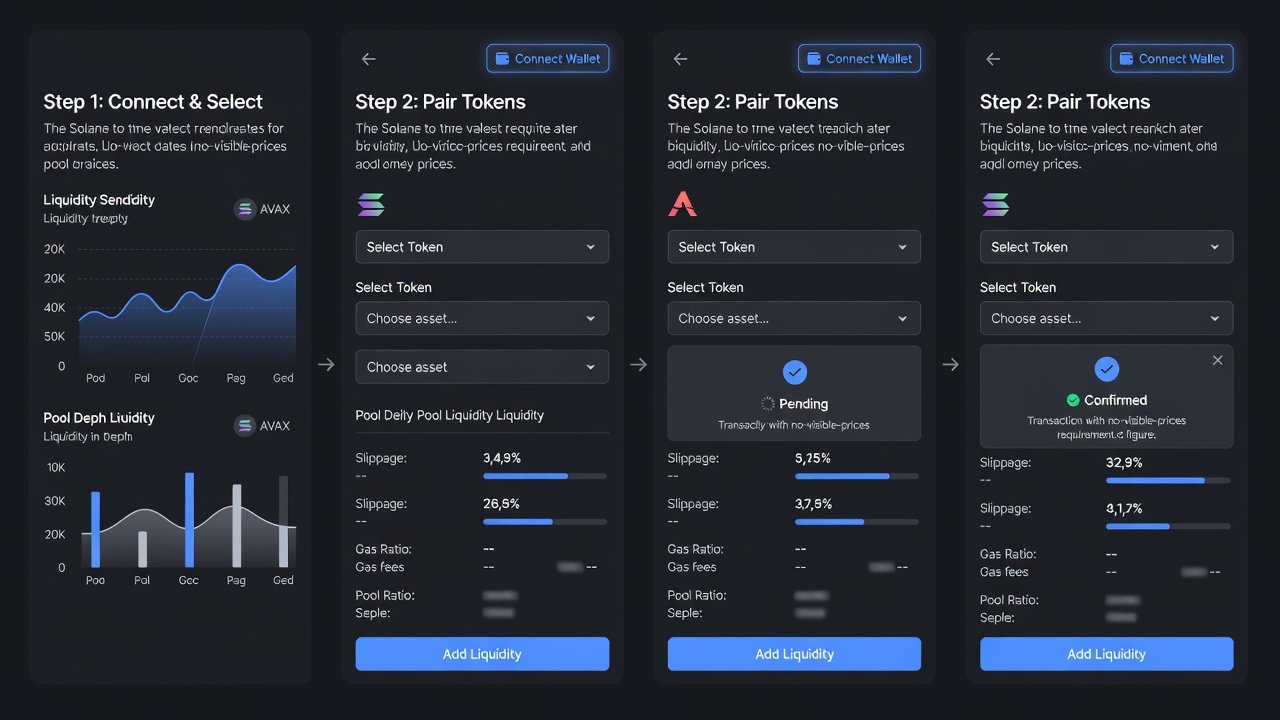
On Solana, integrate with decentralized exchanges such as Raydium to seed liquidity. Add paired assets and set initial pricing curves carefully. Monitor for impermanent loss during early trading phases. On AVAX, use Trader Joe or similar platforms. Establish pools with AVAX or stablecoin pairs and implement gradual liquidity additions. Always lock liquidity where possible to build trust. Detailed walkthroughs show that phased liquidity releases help stabilize price discovery and reduce early volatility.
Marketing Tactics Unique to Solana and AVAX Communities
Solana memecoins thrive on rapid social media cycles and meme contests. Leverage platforms like X for real-time engagement and partner with influencers active in the ecosystem. AVAX projects benefit from focused Discord communities and subnet-specific events that highlight technical differentiation. Successful examples include community airdrops timed with launch announcements and cross-promotions with established altcoin groups. Track engagement metrics to refine approaches quickly. Additional tactics involve Telegram raids, meme templates tailored to each chain’s culture, and collaborations with NFT projects on the same L1.
Security Best Practices and Common Pitfalls
Always conduct contract audits through reputable firms. Use multisig wallets for treasury management and enable renounced ownership where appropriate. Case studies show that rushed launches without verification often lead to rug pulls or loss of community confidence. Common pitfalls include mismatched tokenomics, failure to lock liquidity, and inadequate testing of transfer functions. Real examples from prior years illustrate how transparency at launch prevents later issues. Implement ongoing monitoring tools to detect unusual wallet activity post-launch.
Community Building with Practical Examples
- Host regular AMAs and meme contests to foster belonging.
- Integrate on-chain voting for governance decisions early.
- Collaborate with complementary projects for mutual growth.
- Share transparent wallet dashboards to build credibility.
Projects that prioritized organic growth over paid hype achieved more sustainable results on both chains. One Solana memecoin grew to significant holders by running weekly community challenges that rewarded active participants with small token distributions.
Tokenomics Considerations for Long-Term Viability
Beyond launch mechanics, thoughtful tokenomics separate fleeting hype from enduring communities. Allocate portions for liquidity, team vesting, community rewards, and marketing reserves. Avoid excessive developer allocations that can erode trust. Examples from AVAX subnets show that vesting schedules combined with transparent unlocks helped maintain holder confidence during market fluctuations. Balance supply mechanics with utility hooks such as staking or governance to encourage holding.
Conclusion
Launching a memecoin on Solana or AVAX in 2026 requires attention to technical setup, cost management, and authentic community engagement. Use the checklists provided to navigate each step confidently while prioritizing security and differentiation. Both chains offer powerful platforms for altcoin creators ready to execute with precision.
FAQ: Regulatory Considerations for Memecoin Launches
What regulations apply to memecoins? Projects must monitor securities laws in target jurisdictions, as certain token features may trigger classification requirements. Early legal consultation is recommended.
Are there reporting obligations? Depending on location, creators may need to file disclosures with financial authorities. Consult legal experts familiar with crypto frameworks.
How do Solana and AVAX differ in compliance? Both chains operate permissionlessly, yet teams should implement voluntary transparency measures to reduce risks. Resources like official blockchain documentation provide foundational guidance for ongoing compliance.
What steps reduce regulatory exposure? Clear disclaimers, no promises of returns, and documented community governance help maintain a decentralized profile that regulators often view more favorably.

No comments yet. Be the first!