 CryptoChain Blog
Introduction to 2026 SOL and AVAX Tokenomics
As blockchain networks mature into 2026, tokenomics have become central to evaluating long-term holder value in layer-1 ecosystems. Solana (SOL) and Avalanche (AVAX) stand out for their innovative approaches to supply management through burn mechanisms and carefully calibrated inflation schedules. These elements directly influence scarcity, staking participation, and utility in decentralized finance. This comprehensive analysis examines the latest developments in both networks, providing investors with concrete examples, comparative data, and practical strategies to navigate evolving models. Understanding these dynamics helps holders make informed decisions amid shifting market conditions and technological upgrades.
Solana Tokenomics Overview
Solana maintains a high-performance architecture that processes thousands of transactions per second, generating substantial fee burns with each activity. The network's burn mechanism serves as a core deflationary tool, removing SOL from circulation proportionally to usage. This creates a direct link between network adoption and token scarcity. In 2026, Solana's inflation schedule continues its gradual decline, designed to reach a sustainable terminal rate that covers validator incentives without excessive dilution. The model prioritizes security while rewarding long-term holders through reduced supply pressure during high-throughput periods.
Key Components of SOL Inflation and Burns
The inflation rate adjusts annually based on network parameters, ensuring rewards remain competitive yet controlled. Burns from priority fees and base transaction costs accelerate during DeFi surges or NFT mints, offering real-time supply reduction. For example, periods of elevated smart contract interactions demonstrate how burns can offset a meaningful portion of new issuance, preserving holder value over multi-year horizons.
Avalanche Tokenomics Overview
Avalanche's token economy emphasizes flexibility through its primary chain and customizable subnets. AVAX burns occur via transaction fees and additional costs associated with launching or operating subnets. This dual burn pathway provides diversified deflationary pressure. The inflation schedule in 2026 features predictable reductions that align staking rewards with overall ecosystem growth, supporting a balanced approach to supply management.
Real Burn Rate Impacts on AVAX
AVAX burns intensify during subnet deployments and cross-chain activities, leading to measurable supply contraction. Data from recent network activity shows how these mechanisms contribute to scarcity, particularly when DeFi protocols on Avalanche experience increased volume. This dynamic enhances value accrual for holders who stake consistently across validator sets.
Comparative Analysis: SOL vs AVAX Burn Mechanisms and Supply Reductions
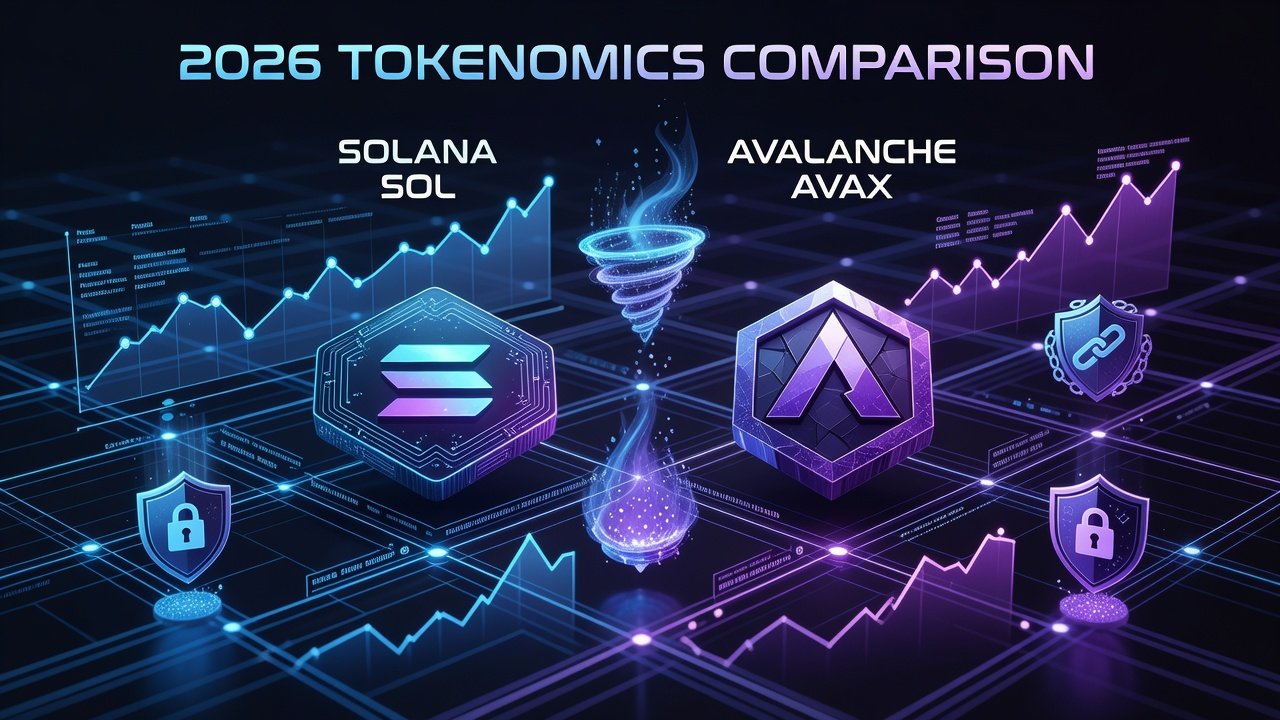
Both networks employ burns to counteract inflation, yet their implementations differ in scale and triggers. Solana's fee-based burns scale with raw transaction volume, benefiting from its speed advantage. Avalanche's burns gain from subnet economics, offering broader utility-driven demand. Staking dynamics also vary: SOL staking emphasizes high participation rates for network security, while AVAX staking supports multiple chains simultaneously.
- Supply reductions: SOL achieves consistent daily burns from base fees; AVAX adds episodic burns from subnet fees.
- Inflation schedules: Both taper over time, but Solana targets a lower long-term rate tied to usage.
- Staking yields: SOL provides yields influenced by total staked percentage; AVAX yields reflect validator performance across primary and subnet layers.
- DeFi utility: SOL excels in high-speed trading pairs; AVAX offers enhanced interoperability for complex applications.
These differences allow investors to diversify exposure based on risk tolerance and preferred use cases. Learn more about Solana's core technology. Explore Avalanche's ecosystem documentation.
Staking Dynamics and Yield Sustainability in 2026
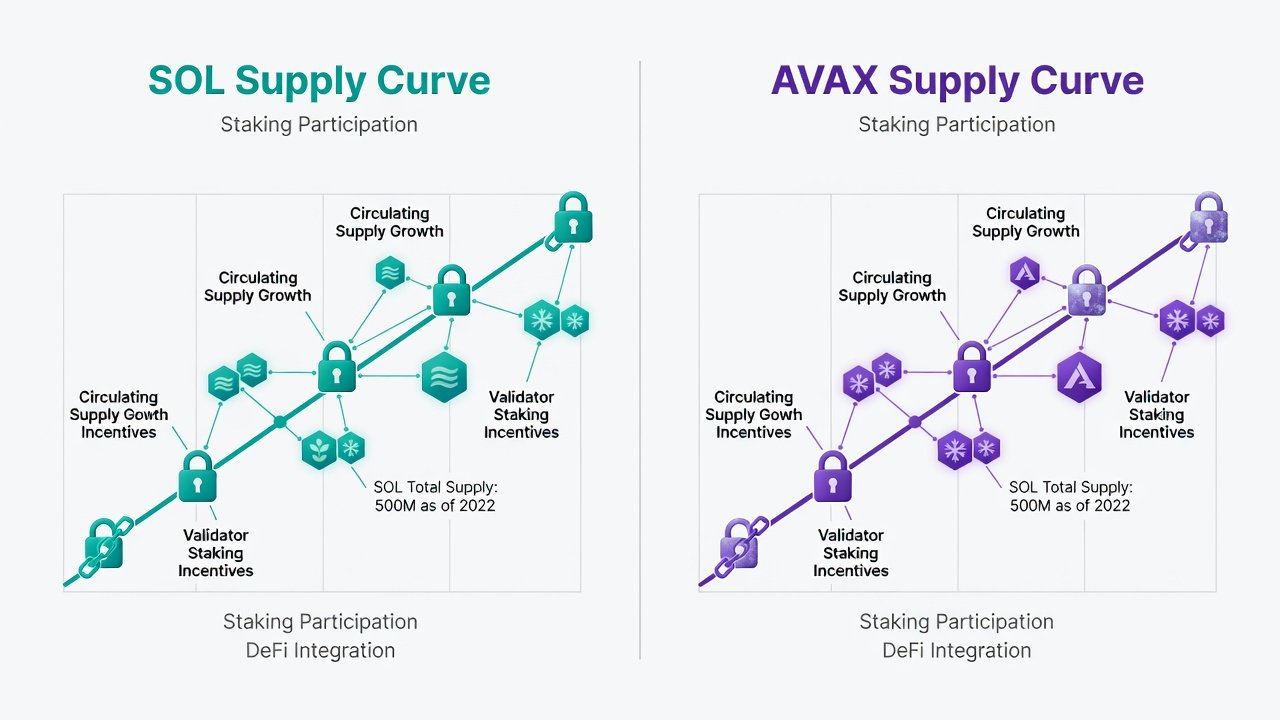
Yield sustainability remains a critical factor for both tokens. Solana's staking model distributes rewards from inflation while burns provide a counterbalance that can enhance real returns during active periods. Avalanche's approach incorporates delegation to multiple validators, promoting decentralization and potentially more stable yields. Practical examples include compounding rewards through liquid staking tokens, which maintain liquidity while earning yields. Investors should monitor participation rates, as higher staking ratios often signal strong holder confidence and sustainable economics.
DeFi Utility and Holder Value Growth
DeFi integrations amplify token utility for both SOL and AVAX. On Solana, protocols leverage low fees for frequent interactions that drive burns. Avalanche supports advanced lending and derivatives across subnets, increasing demand for AVAX in governance and collateral roles. Holders benefit when utility growth outpaces inflation, creating net positive value accrual. Case studies from 2025-2026 activity illustrate how spikes in decentralized exchange volume correlate with accelerated burns and improved holder metrics.
Practical Investor Strategies for Maximizing Returns
Successful strategies begin with regular monitoring of on-chain metrics such as burn rates and staking participation. Start by allocating positions gradually through dollar-cost averaging to mitigate volatility. Rebalance every quarter by assessing changes in inflation schedules and DeFi total value locked. Use hardware wallets for secure staking and consider liquid staking options to retain flexibility. For advanced users, combining both assets in a portfolio allows hedging across different burn triggers and utility profiles. Always verify network proposals that could alter economic parameters before committing larger amounts.
Step-by-Step Portfolio Allocation Tips
- Assess risk profile and set target percentages, such as 55% SOL and 45% AVAX for balanced exposure.
- Stake a portion of holdings on official or reputable validators to earn yields.
- Track DeFi activity on each chain to identify opportunities for additional utility-based returns.
- Review quarterly reports or dashboards for burn volume trends and adjust allocations accordingly.
- Diversify within the ecosystem by exploring subnet-specific opportunities on Avalanche or high-throughput applications on Solana.
Mistakes to Avoid in Tokenomics-Driven Investing
Common pitfalls include ignoring long-term inflation trends or over-relying on short-term yield spikes without considering burn sustainability. Avoid concentrating holdings in a single network without understanding its unique burn mechanics. New investors should steer clear of unverified staking platforms that could compromise security. Instead, prioritize education on official documentation and gradual position building.
Conclusion
The 2026 tokenomics landscape for SOL and AVAX highlights the importance of burn mechanisms and adaptive inflation in driving holder value. By applying the strategies outlined and focusing on sustainable yields, investors can position portfolios for meaningful growth amid evolving blockchain economics.
FAQ
How do burn mechanisms affect SOL and AVAX prices?
Burns reduce circulating supply over time, which can create upward price pressure when paired with steady or growing demand from staking and DeFi activity.
Are staking yields sustainable long-term on both networks?
Both Solana and Avalanche design schedules to balance security needs with dilution control, making yields more sustainable as networks mature and usage increases burns.
What allocation works best for new investors?
A diversified split between SOL and AVAX, starting small and increasing based on performance monitoring, supports balanced risk management and growth potential.
How often should investors review tokenomics changes?
Quarterly reviews aligned with network upgrades or governance votes provide timely insights without excessive trading activity.
Can DeFi utility directly boost holder value?
Yes, increased DeFi usage drives transaction volume and burns, enhancing scarcity while expanding practical applications for both tokens.
No comments yet. Be the first!