 CryptoChain Blog

Introduction to 2026 Layer 1 Tokenomics
The blockchain landscape in 2026 continues to evolve rapidly, with Layer 1 networks like Solana (SOL) and Avalanche (AVAX) demonstrating how carefully designed economic models can drive sustained growth. Tokenomics—the study of token supply, distribution, utility, and incentives—plays a pivotal role in attracting developers, users, and capital to these ecosystems. As competition among Layer 1 blockchains intensifies, the underlying economic designs determine which networks can maintain validator participation, encourage decentralized applications, and deliver value to long-term holders. This comprehensive analysis explores how Solana and Avalanche structure their economies to support expansion across payments, DeFi, and governance, providing data-driven insights into supply dynamics and practical recommendations for investors.
Solana Tokenomics Overview
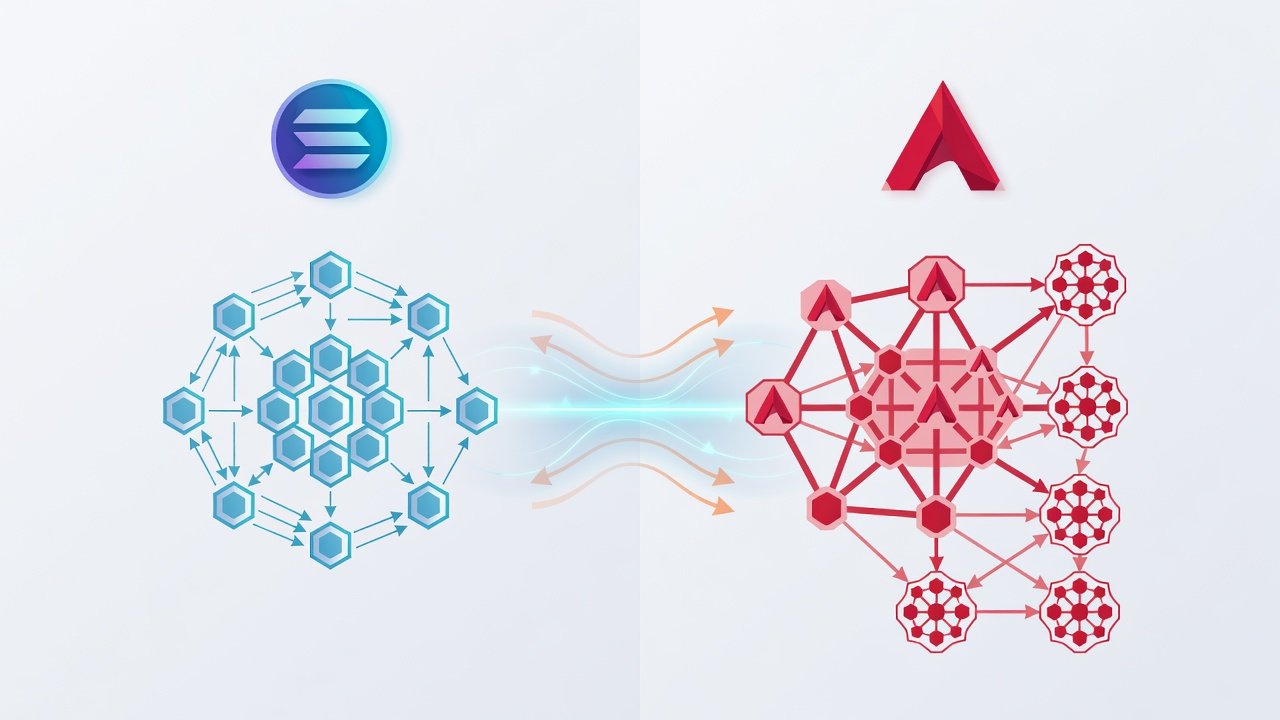
Solana's design emphasizes high throughput and low costs, supported by an inflationary yet deflationary-leaning model that adapts to network activity. The network issues new SOL through staking rewards while implementing fee burns that reduce circulating supply over time. This balance aims to reward validators and delegators for securing the chain while creating long-term scarcity as usage scales. Inflation starts at a higher rate and gradually declines, but the key deflationary pressure comes from the burn mechanism where a portion of transaction fees is permanently removed from circulation.
Staking mechanisms encourage holders to secure the network, with rewards distributed proportionally to stake size and uptime performance. Validators must maintain high reliability to earn maximum returns, fostering a robust and decentralized validator set. Real-world examples include protocols like Jupiter for optimized trading routes and Raydium for automated market making, which leverage Solana's speed for seamless DeFi experiences. These applications increase transaction volume, amplifying fee burns and reinforcing token demand through genuine utility in payments and decentralized finance. Governance participation further ties holders to network decisions, allowing token-weighted votes on upgrades that could influence future economics.
Avalanche Tokenomics Overview
Avalanche employs a multi-subnet architecture where AVAX serves as the primary token for fees, staking, and governance across its Primary Network and custom chains. Issuance follows a capped schedule that transitions toward lower inflation rates, paired with dynamic fee mechanisms that can burn tokens during periods of elevated usage on subnets. This structure allows for flexible scaling while maintaining economic incentives aligned with network security and adoption.
Staking on Avalanche requires validators to lock AVAX for a minimum period, contributing to consensus across multiple chains while earning yields based on uptime and delegation. The subnet model enables projects to launch tailored environments with their own rules, yet all still rely on AVAX for core functions like cross-subnet communication and security. Top protocols such as Trader Joe for liquidity provision and Aave deployments on Avalanche highlight its utility in DeFi lending and decentralized exchanges, driving consistent token activity. Governance proposals often focus on optimizing fee distribution or subnet incentives, giving holders direct influence over economic parameters.
Side-by-Side Comparison of Economic Models
| Aspect | Solana | Avalanche |
|---|---|---|
| Supply Issuance | Inflationary with gradual decline and burns | Capped total supply with phased reduction |
| Fee Burn Dynamics | Fixed percentage of fees burned per transaction | Variable burns influenced by subnet activity |
| Staking Mechanism | Delegated proof-of-stake with performance rewards | Proof-of-stake across Primary Network and subnets |
| Primary Utilities | Payments, DeFi trading, governance voting | Transaction fees, staking security, governance |
| Network Scalability Impact | High TPS reduces per-transaction costs | Subnets enable parallel customized chains |
Utility in DeFi, Payments, and Governance
Both networks excel in real-world applications that extend beyond basic transfers. Solana powers fast and inexpensive payments through integrations with stablecoin issuers and merchant solutions, enabling everyday use cases like remittances and point-of-sale transactions. In DeFi, the low latency supports complex strategies such as flash loans and yield farming at scale. Governance tokens built on Solana allow communities to propose and vote on treasury allocations or protocol changes, creating a feedback loop where token holders directly shape economic policies.
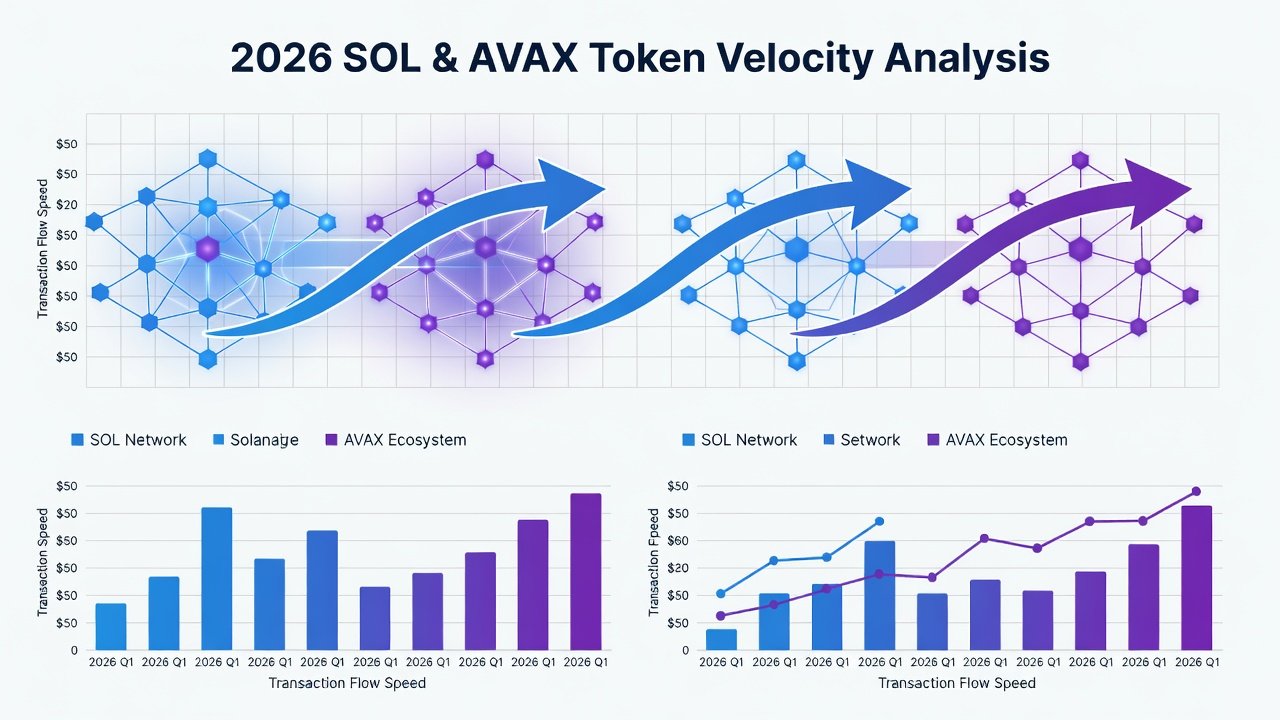
Avalanche's subnet flexibility shines in institutional settings, where custom chains can implement specialized governance for sectors like supply chain or gaming. AVAX utility in cross-chain bridging and fee payments ensures consistent demand regardless of which subnet sees the highest activity. DeFi examples include perpetual futures platforms and lending markets that benefit from Avalanche's near-instant finality, reducing risks associated with delayed settlements. These use cases collectively strengthen the economic flywheel by increasing token velocity in productive ways rather than speculative trading alone.
Data-Driven Projections on Holder Value and Inflation
Long-term projections indicate that effective burn mechanisms could meaningfully offset issuance, enhancing holder value as adoption scales across both networks. On Solana, rising transaction counts from DeFi and payments directly correlate with accelerated burns, potentially leading to periods of net deflation during peak activity. Inflation impacts are mitigated by high staking participation rates, which historically stabilize token velocity and reduce immediate sell pressure from newly issued rewards.
For Avalanche, the capped supply model combined with subnet growth creates scenarios where AVAX demand outpaces issuance, supporting value accrual for stakers and holders. Qualitative analysis of past cycles shows that networks with strong utility and burn features tend to reward patient investors during maturation phases. Factors such as developer migration to high-performance chains and institutional subnet deployments could amplify these effects, though outcomes depend on sustained user engagement and competition from other Layer 1s.
Actionable Strategies for Investors Seeking Resilient Altcoin Exposure
- Monitor staking participation rates and fee burn volumes through official network explorers to identify periods of strengthening fundamentals before broader market recognition.
- Diversify holdings across both Solana and Avalanche ecosystems to capture complementary strengths in high-speed DeFi versus customizable subnet applications.
- Evaluate governance proposals carefully, focusing on those that enhance burn rates, adjust reward structures, or introduce new utility features that increase token demand.
- Focus on established protocols building on these L1s that demonstrate proven product-market fit, such as leading decentralized exchanges or lending platforms, rather than chasing untested launches.
- Consider dollar-cost averaging into staked positions to benefit from compounding rewards while maintaining exposure during potential volatility from inflation adjustments.
- Stay informed on ecosystem developments via developer forums and on-chain analytics to anticipate shifts in tokenomics that could affect long-term holder value.
Conclusion
Solana and Avalanche showcase distinct yet effective approaches to tokenomics that fuel Layer 1 expansion in 2026. By balancing measured issuance with utility-driven burns and staking incentives, both networks position themselves for resilient growth. Investors who understand these mechanics can make informed decisions that align with sustained network success rather than short-term speculation.
FAQ
How do fee burns affect SOL and AVAX value over time?
Fee burns reduce overall supply when network usage increases, creating scarcity that can support value appreciation for holders who maintain positions through market cycles.
Which network offers more predictable staking yields?
Both provide competitive returns, but Solana's delegated model and Avalanche's subnet options lead to varying yields depending on validator performance and total staked amounts across the ecosystem.
Are there risks from ongoing inflation in these economic models?
Yes, unchecked issuance without corresponding burns or demand can pressure prices, yet both networks incorporate mechanisms designed to counteract inflation as activity grows.
How important is governance participation for token holders?
Governance allows direct influence over parameters like fees and rewards, making active participation valuable for those seeking to shape the economic future of the networks they support.
What role do real-world DeFi protocols play in tokenomics success?
Protocols that drive consistent transaction volume and token utility create the activity needed for burns and staking demand, forming the foundation for sustainable economic models.

No comments yet. Be the first!