 CryptoChain Blog
NFT Marketplaces Thriving on Solana & AVAX L1 Altcoins 2026
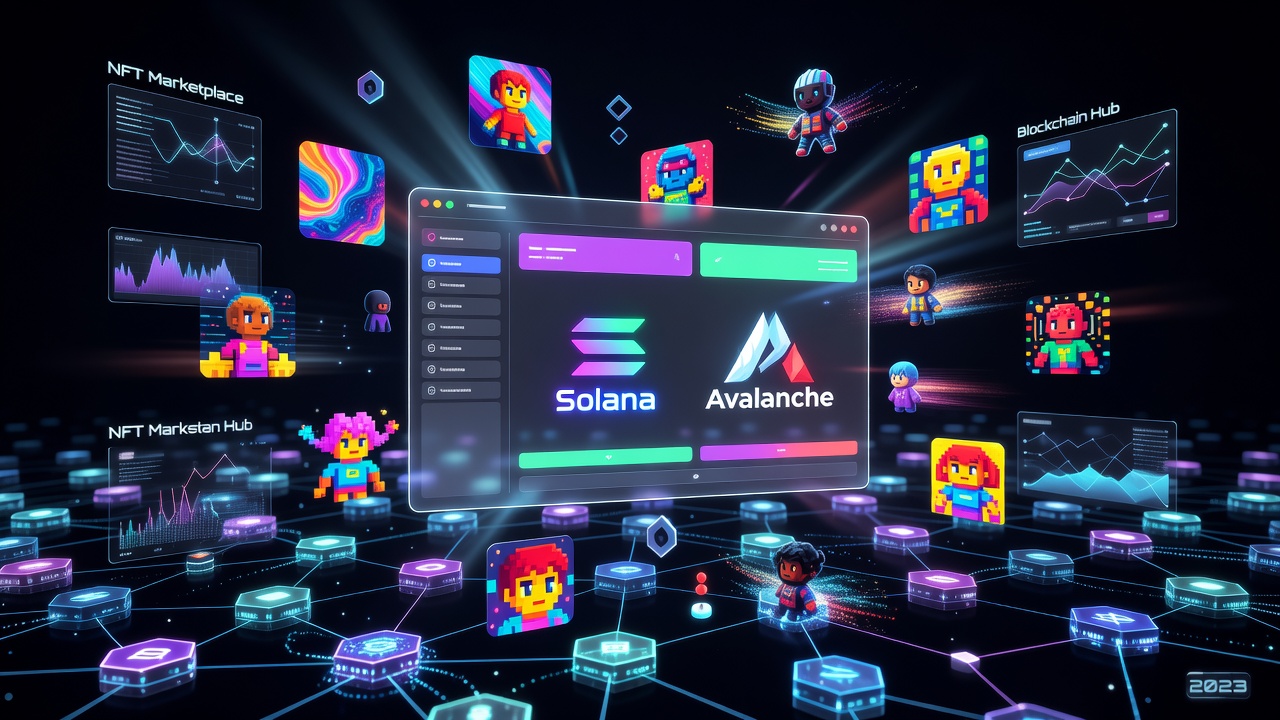
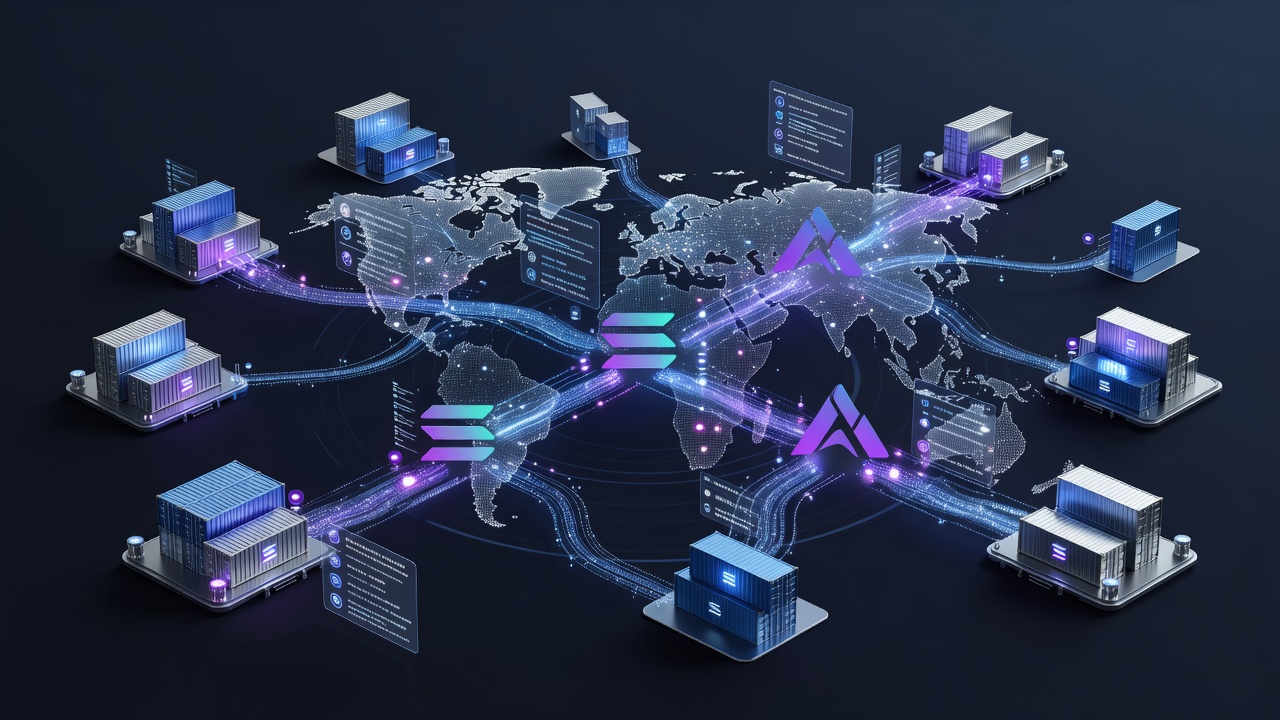
The NFT sector continues to evolve rapidly in 2026, with Solana and Avalanche (AVAX) emerging as dominant Layer 1 altcoins powering efficient, scalable marketplaces. These blockchains offer low transaction costs and exceptional throughput, drawing creators and collectors away from higher-fee networks. This article examines current trends, compares leading platforms, analyzes user growth, highlights DeFi integrations, and provides actionable guidance for artists and buyers. As the ecosystem matures, understanding the unique strengths of each chain helps participants make informed decisions about where to build, trade, and invest.
Why Solana and AVAX Dominate NFT Activity
Solana's architecture delivers sub-second finality and high transactions per second, while AVAX uses a unique subnet model for customizable chains. Both prioritize speed and affordability, making them ideal for frequent NFT minting and trading. Marketplaces built on these chains benefit from seamless user experiences that support mass adoption. Solana achieves this through its proof-of-history consensus combined with parallel processing, allowing thousands of transactions to occur simultaneously without bottlenecks. Avalanche, on the other hand, leverages its primary network and customizable subnets to create isolated environments optimized for specific NFT use cases such as gaming or digital collectibles. These technical foundations reduce friction for everyday users and enable complex interactions that were previously limited to more expensive networks.
Top NFT Marketplaces Compared
Leading platforms on Solana include Magic Eden and Tensor, known for robust liquidity and advanced trading tools. On AVAX, Kalao and Joepegs stand out for their focus on community-driven collections and cross-platform compatibility. Key differentiators include fee structures, supported standards, and additional utilities like royalty enforcement mechanisms. Magic Eden offers comprehensive analytics and launchpad features tailored for new collections, allowing creators to set up minting campaigns with built-in marketing tools. Tensor emphasizes professional trading interfaces with real-time data, appealing to experienced traders who require advanced order types and portfolio tracking. Kalao integrates multi-chain viewing options for broader accessibility, enabling users to browse collections across ecosystems in one dashboard. Joepegs provides strong DeFi synergies through its parent ecosystem, letting traders combine NFT purchases with liquidity provision strategies. When choosing a platform, consider factors like supported wallet integrations, ease of mobile access, and the presence of active community forums that foster ongoing engagement.
- Magic Eden offers comprehensive analytics and launchpad features tailored for new collections.
- Tensor emphasizes professional trading interfaces with real-time data.
- Kalao integrates multi-chain viewing options for broader accessibility.
- Joepegs provides strong DeFi synergies through its parent ecosystem.
User Growth Metrics and Market Momentum
Adoption metrics reveal sustained expansion across both ecosystems. Daily active wallets interacting with NFTs on these chains have increased steadily, fueled by improved onboarding and institutional interest. High throughput enables viral moments without network congestion, supporting everything from digital art drops to gaming assets. Emerging trends show increased participation from international creators who appreciate the predictable performance during peak hours. Marketplaces are also introducing educational resources and simplified interfaces that lower the barrier for newcomers, leading to broader demographic reach beyond early crypto enthusiasts.
DeFi Integration Opportunities
Many marketplaces now blend NFT trading with decentralized finance. Users can collateralize NFTs for loans, participate in liquidity pools tied to collections, or earn yields through staking mechanisms. This convergence creates new revenue streams and increases overall utility for digital assets. For deeper insights into blockchain fundamentals, refer to Solana's official resources and Avalanche documentation. Advanced integrations allow collectors to borrow against high-value pieces while retaining ownership rights, or to farm rewards by locking NFTs in protocol-specific vaults. These features transform static holdings into productive assets and encourage longer-term participation in the ecosystem.
Practical Steps for Artists to Launch Collections
Artists seeking to enter these marketplaces should follow a structured process to maximize success. First, research audience preferences and chain-specific trends to select between Solana's speed advantages or AVAX's customization options. Second, prepare high-quality metadata using established standards and ensure all assets are properly hosted on decentralized storage solutions. Third, configure royalty percentages and verify enforcement policies on the chosen platform before deployment. Fourth, develop a pre-launch marketing strategy that includes teaser content, collaborations with influencers, and community building on social platforms. Fifth, conduct test mints to identify any technical issues and gather early feedback from trusted community members. Finally, monitor post-launch performance through analytics dashboards and plan iterative improvements for subsequent drops based on collector behavior and sales patterns.
- Choose the right chain based on target audience and technical requirements—Solana for speed-focused drops or AVAX for subnet customization.
- Prepare metadata and assets using standard formats like PNG or MP4 with proper IPFS pinning.
- Select a launchpad platform and configure royalty settings to ensure ongoing creator compensation.
- Build community engagement through social channels and teaser campaigns ahead of mint.
- Monitor post-launch performance and iterate on future releases based on collector feedback.
Security Tips for NFT Buyers
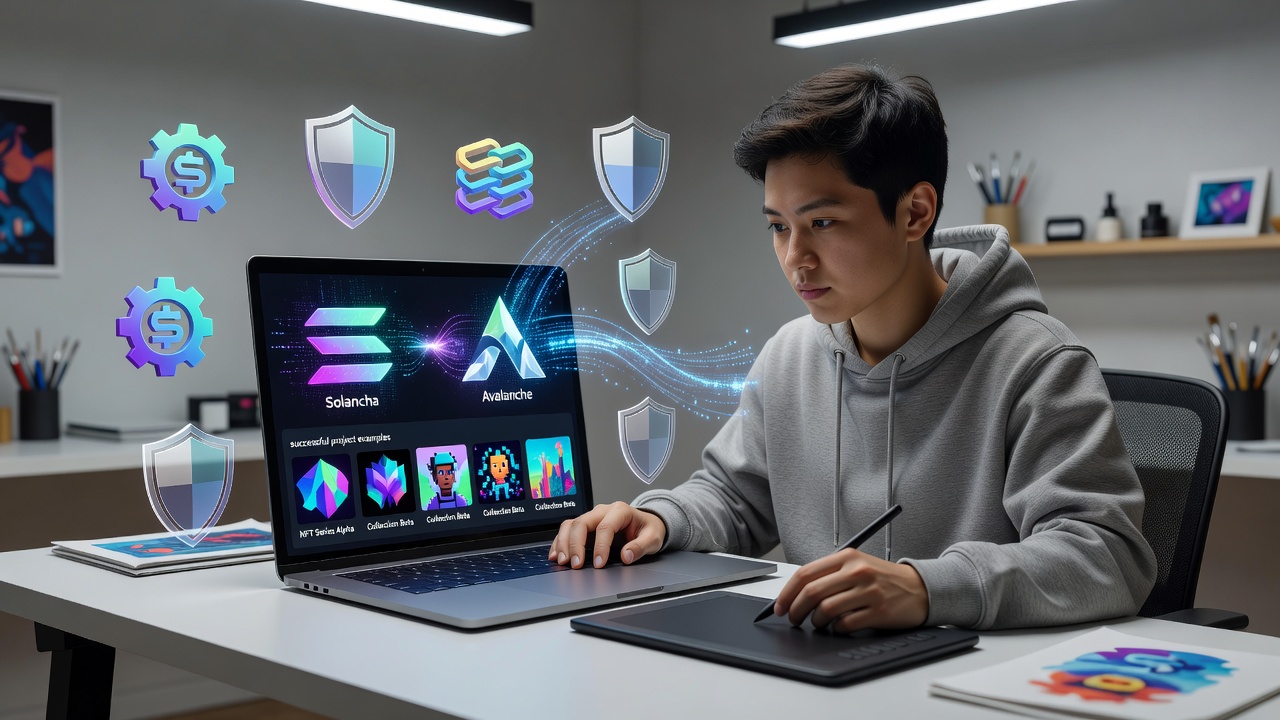
Protecting investments requires vigilance against common threats. Always verify smart contract addresses through official channels, enable wallet security features like transaction simulations, and avoid clicking suspicious links. Use hardware wallets for high-value holdings and regularly audit connected dApps. Understanding wallet permissions helps prevent unauthorized access to funds or assets. Additional best practices include enabling two-factor authentication where available, reviewing transaction previews carefully before signing, and maintaining separate wallets for high-risk activities versus long-term storage. Buyers should also stay informed about emerging phishing tactics specific to NFT communities and participate in educational webinars hosted by reputable marketplaces.
Real Examples of Successful Projects
Projects like Degods on Solana have demonstrated resilience through community governance and evolving utilities. On AVAX, collections such as those launched via Kalao have achieved notable secondary market volumes by incorporating real-world asset ties. These cases illustrate how thoughtful design combined with chain advantages leads to sustained engagement. Another example is the growth of play-to-earn gaming NFTs on Solana that leverage high-speed transactions for seamless in-game economies. On AVAX, subnet-based projects have enabled specialized marketplaces for niche verticals like music royalties and virtual real estate, showcasing the flexibility of the network.
Common Mistakes to Avoid
New participants often overlook the importance of verifying marketplace policies on royalty enforcement or fail to diversify across multiple platforms. Rushing into mints without community validation can lead to low engagement, while ignoring security audits exposes users to smart contract vulnerabilities. Taking time to review documentation and test small transactions first mitigates these risks effectively.
FAQ: Royalties and Cross-Chain Transfers
How do royalty payments work on these marketplaces?
Most platforms enforce royalties at the smart contract level, automatically distributing percentages to creators on secondary sales. Enforcement varies, so artists should review each marketplace's policy before launching.
Can NFTs move between Solana and AVAX?
Direct transfers require bridging solutions that wrap assets for compatibility. While possible, users must account for potential fees and risks associated with bridge security. Always research current bridge options through trusted ecosystem resources.
What factors influence royalty compliance across platforms?
Compliance depends on whether the marketplace implements on-chain enforcement or relies on voluntary adherence. Some platforms offer optional toggles, requiring creators to communicate expectations clearly to collectors.
Are there tools for tracking cross-chain NFT activity?
Third-party explorers and portfolio trackers provide aggregated views, but users should cross-reference data from official chain explorers for accuracy.
Conclusion
Solana and AVAX continue to reshape the NFT landscape in 2026 by prioritizing performance and accessibility. By understanding marketplace features, following launch best practices, and prioritizing security, participants can thrive in this dynamic environment. Explore these chains further via established developer hubs for ongoing developments and emerging opportunities that blend creativity with decentralized technology.
No comments yet. Be the first!