 CryptoChain Blog
Introduction to Layer 1 UX Evolution in 2026
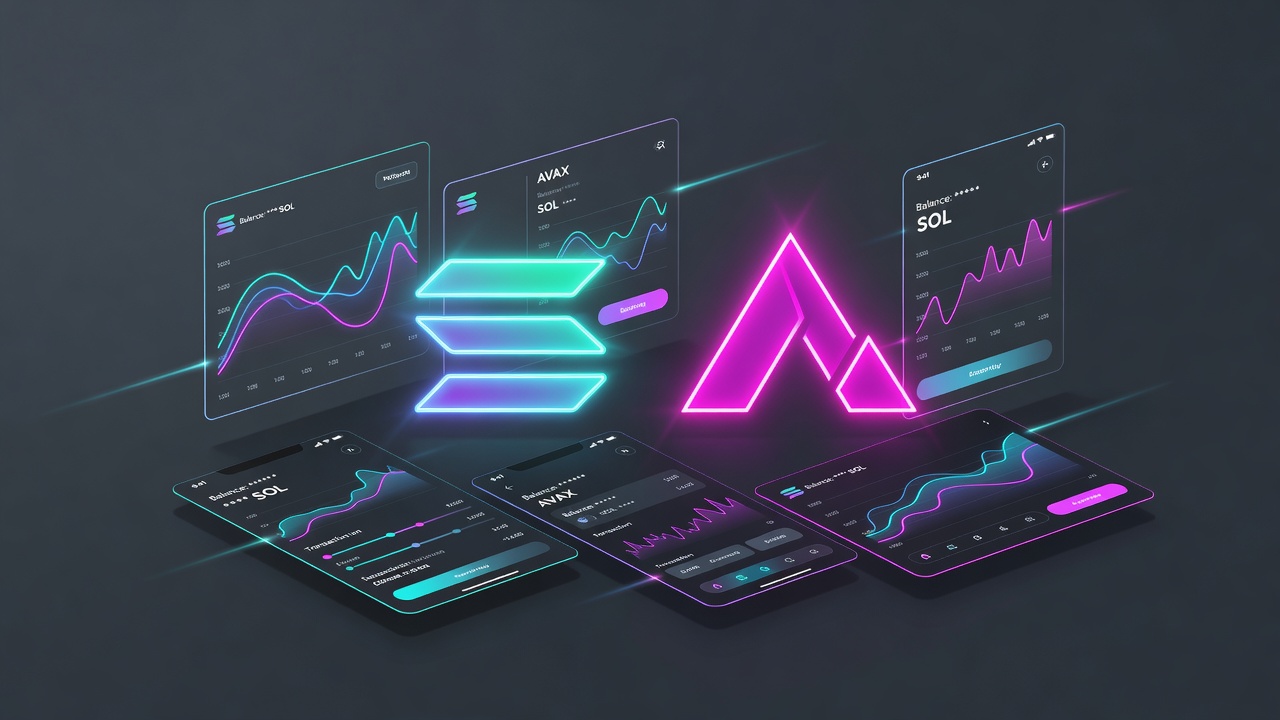
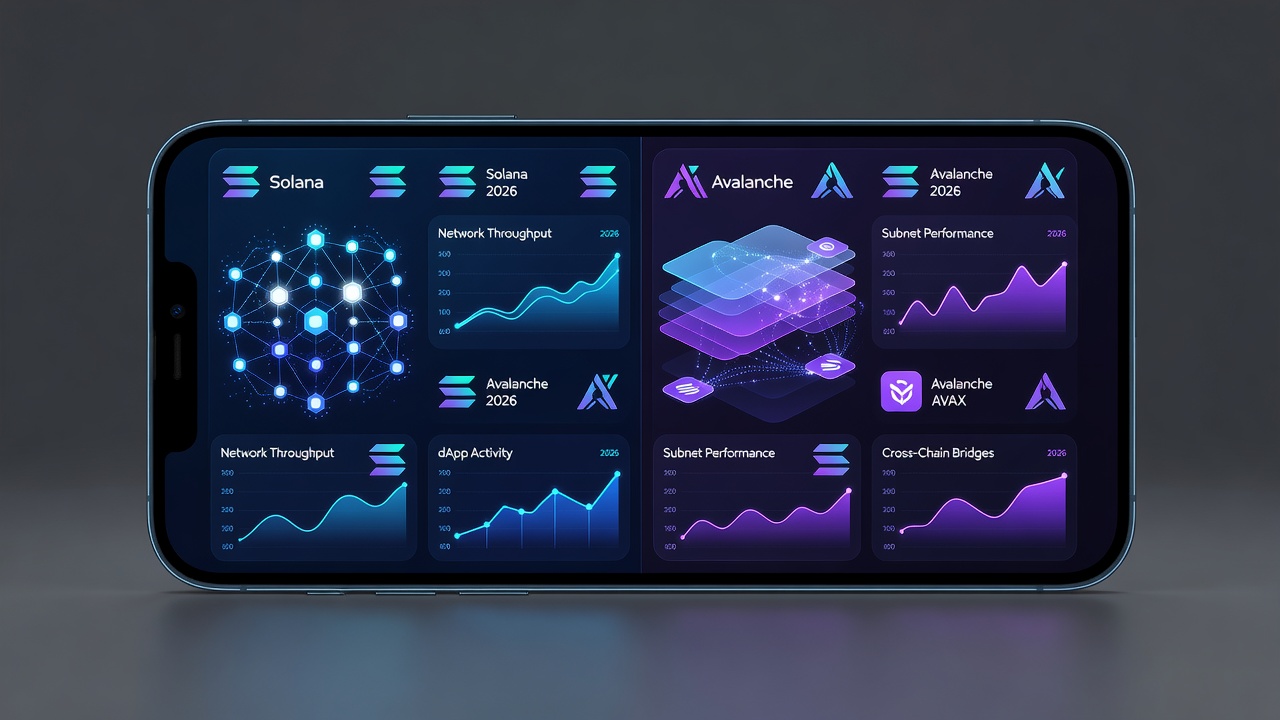
Altcoin ecosystems continue to prioritize seamless user experiences as adoption grows. Solana and Avalanche stand out for targeted improvements in onboarding, interface clarity, and cross-device performance. This guide examines practical 2026 innovations that address real friction points for both end users and developers building decentralized applications. The focus remains on concrete enhancements that reduce drop-off rates during wallet connections, improve transaction clarity, and deliver responsive mobile experiences that match user expectations from traditional fintech apps.
Developers seeking better onboarding flows will find actionable patterns here, drawn from recent ecosystem updates. Users benefit from reduced cognitive load when interacting with dApps, while teams gain tools to measure and iterate on interface performance. Throughout this article we compare specific implementations across the two chains and provide step-by-step guidance that can be applied immediately in test environments.
Wallet Interface Upgrades
Modern wallets on these chains now feature context-aware dashboards that surface relevant transaction history and asset performance without overwhelming users. Solana wallets integrate real-time fee estimators directly into the send flow, while Avalanche wallets emphasize multi-chain account unification through improved key management. Developers can leverage updated SDKs to embed these interfaces into custom dApps, reducing the need for external redirects.
Practical examples include adding customizable quick-action buttons that adapt based on user behavior. For instance, a Solana-based NFT marketplace wallet might surface a one-tap “list for sale” option after detecting recent mint activity. Avalanche implementations allow seamless switching between primary and subnet accounts within the same view, cutting navigation steps by half in many reported cases. Testing these features involves connecting to devnet endpoints and simulating common user journeys such as first-time deposits or cross-wallet transfers.
Transaction Visualization Tools
Clear visual representations of transaction states help users understand confirmations and potential failures. Both chains have rolled out enhanced explorers with interactive timelines that highlight gas usage breakdowns and smart contract call sequences. These tools integrate directly with wallet extensions for instant previews before signing.
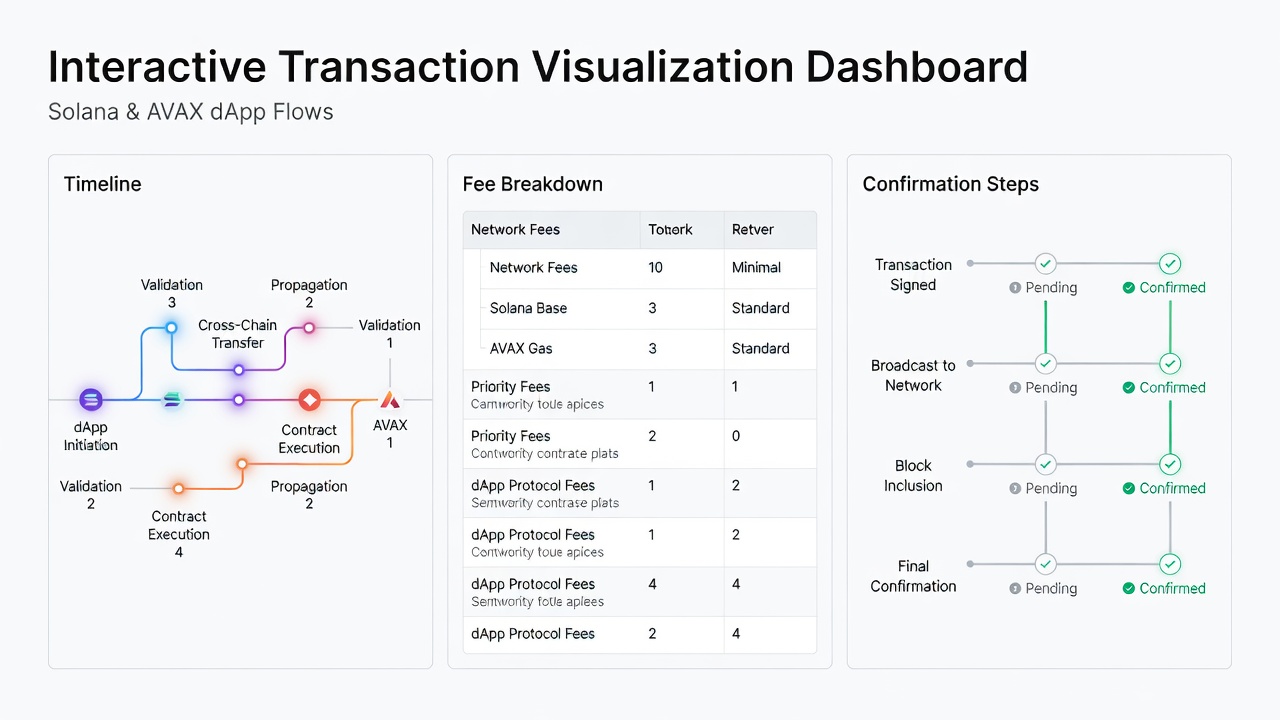
Expanded capabilities include color-coded risk indicators that flag unusual contract interactions and estimated completion times based on current network load. On Solana, the visualization layer now includes slot-level detail for high-frequency traders, while Avalanche offers subnet-specific views that separate activity across its multiple chains. Developers integrating these tools should map their dApp’s common transaction types to the available preview components to ensure consistency.
Mobile-First Design Patterns
With mobile traffic dominating crypto interactions, both ecosystems emphasize responsive layouts and biometric authentication flows. Solana applications prioritize low-latency RPC endpoints optimized for cellular networks, while Avalanche focuses on progressive web app capabilities that allow offline queueing of signed transactions. Implementing these patterns involves using framework-specific components that adapt to screen size and network conditions automatically.
Additional mobile considerations include touch-target sizing for confirmation buttons and gesture-based navigation for history screens. Teams building on Solana often use React Native libraries tuned for the chain’s high throughput, whereas Avalanche developers frequently incorporate Flutter modules for cross-platform consistency. Real-world testing on mid-tier devices reveals that both approaches maintain sub-two-second load times when RPC selection is optimized.
Step-by-Step Examples of Seamless dApp Flows
Consider a token swap dApp on Solana: first, connect via a mobile-optimized wallet adapter; second, preview the transaction with built-in simulation that displays expected slippage; third, approve with a single biometric tap. Error states surface clear recovery options such as retry with adjusted slippage tolerance. On Avalanche, similar flows incorporate cross-subnet bridging previews that visualize asset movement across chains before execution. Developers should test these sequences using official testnets to verify error handling and fallback messaging.
Another example involves a lending protocol onboarding flow. The user lands on a landing page, connects a wallet with one click, views a simulated borrow position including interest accrual projections, and confirms via hardware wallet if desired. Both chains now support embedded simulation libraries that mirror mainnet conditions, allowing developers to surface accurate previews without exposing users to live funds risk during the learning phase.
UX Metrics Comparison Between Solana and Avalanche
- Time to first successful transaction: Solana averages under 3 seconds in optimized setups, while Avalanche achieves consistent sub-5-second results across subnets.
- Wallet connection success rate: Both exceed 95 percent when using latest SDK versions, but Avalanche edges ahead in multi-wallet environments.
- Mobile session retention: Solana sees higher repeat usage due to streamlined fee displays, whereas Avalanche benefits from stronger offline resilience features.
- Transaction preview accuracy: Recent internal benchmarks show Solana previews matching final outcomes 98 percent of the time, with Avalanche at 96 percent when subnet latency is factored in.
- Accessibility compliance scores: Both chains’ reference implementations now pass WCAG 2.1 AA checks when teams follow provided component libraries.
These metrics highlight trade-offs developers must weigh when choosing a chain for user-facing applications. Regular monitoring through analytics integrations helps teams track improvements after each interface update.
Common Pitfalls to Avoid
Overloading initial screens with too many options remains a frequent issue. Always prioritize core actions like connect and swap. Another mistake involves neglecting accessibility standards, which can exclude users relying on screen readers. Regular audits against WCAG guidelines prevent these problems. Teams should also avoid hard-coded network assumptions that break when users switch between mainnet and test environments.
FAQ
How do these UX changes affect existing dApp users?
Upgrades are designed to be backward compatible, with optional opt-in interfaces that maintain familiar workflows while introducing new tools.
What hardware is recommended for testing mobile patterns?
Recent mid-range Android and iOS devices suffice, as optimizations target broad compatibility rather than flagship performance.
Can developers migrate UX components between chains?
Core patterns such as transaction previews are portable, though chain-specific RPC integrations require adjustments.
Are there recommended resources for deeper implementation details?
Official documentation at solana.com and avax.network provides starter templates and SDK references.
How frequently should teams audit their mobile flows?
Quarterly reviews aligned with ecosystem releases help maintain performance as new wallet features appear.
Conclusion
Solana and Avalanche deliver measurable UX gains in 2026 through focused wallet, visualization, and mobile advancements. By adopting the outlined practices, developers can create more intuitive experiences that lower barriers for new altcoin participants. Explore official resources at solana.com and avax.network to begin implementation and join community discussions for the latest pattern refinements.
No comments yet. Be the first!