 CryptoChain Blog
Introduction to the Web3 Gaming Surge in 2026
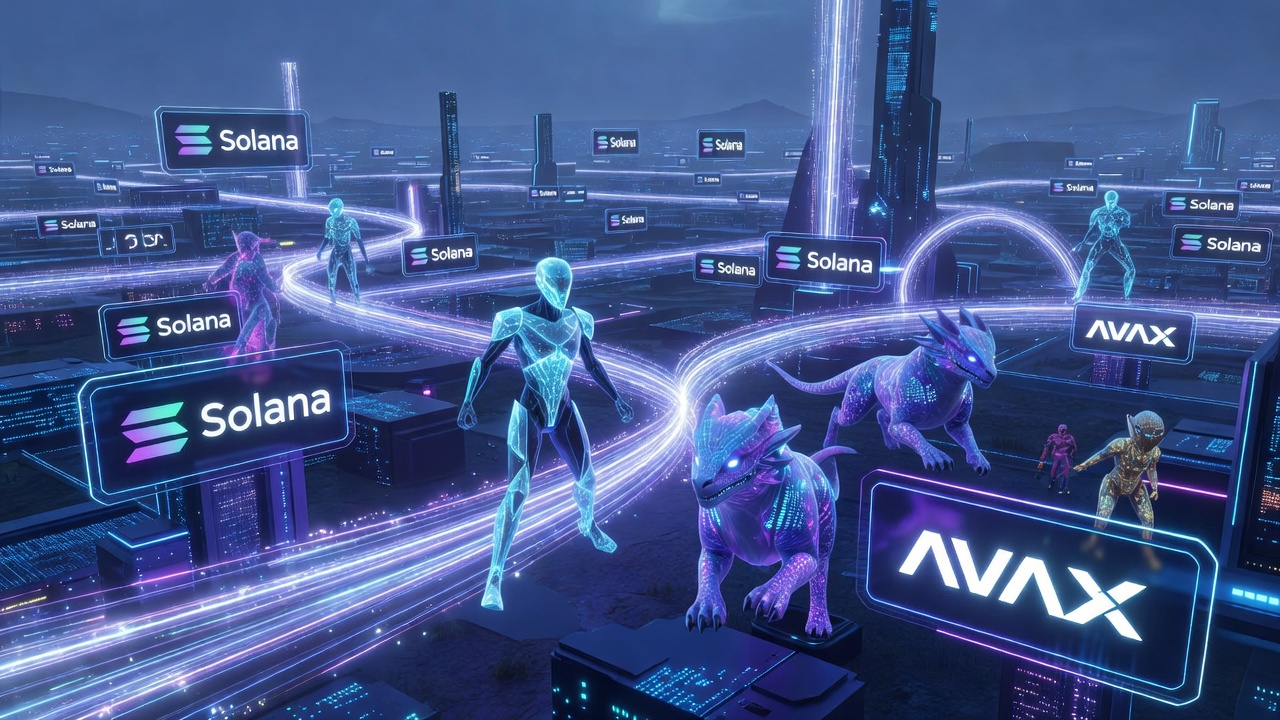
The Web3 gaming sector is experiencing explosive growth in 2026, with Solana and Avalanche (AVAX) emerging as dominant layer-1 blockchains for altcoin-powered ecosystems. These platforms attract developers through exceptional speed and affordability, enabling seamless player experiences that traditional gaming cannot match. This comprehensive guide examines the factors driving adoption, highlights standout projects across multiple genres, compares the two chains in detail, and provides actionable guidance for newcomers exploring gaming altcoins while addressing investment search intent and associated risks.
Why Solana and Avalanche Lead in Web3 Gaming
Solana and Avalanche stand out due to their high throughput and minimal transaction costs. Solana processes thousands of transactions per second with near-instant finality, while Avalanche offers sub-second confirmations through its unique consensus mechanism. These features make them ideal for real-time gameplay involving frequent asset transfers and in-game economies. Developers benefit from scalable infrastructure that supports complex NFT mechanics without network congestion, allowing games to handle thousands of concurrent users smoothly.
Both chains integrate native tokens that power play-to-earn models, allowing players to earn altcoins through gameplay. This creates sustainable economic loops where in-game assets hold real value across marketplaces. The combination of technical performance and economic incentives has positioned these L1s ahead of competitors for Web3 game development in 2026.
Key Advantages Driving Developer Adoption
High throughput ensures lag-free multiplayer sessions, while low fees keep microtransactions viable for global audiences. Solana’s parallel processing and Avalanche’s subnet architecture further differentiate them from slower alternatives. These technical edges support mass adoption of Web3 titles by reducing barriers for both studios and players. Additionally, robust developer tooling, active communities, and growing ecosystem grants make it easier for new studios to launch and scale projects quickly.
Popular Titles and Real Project Examples
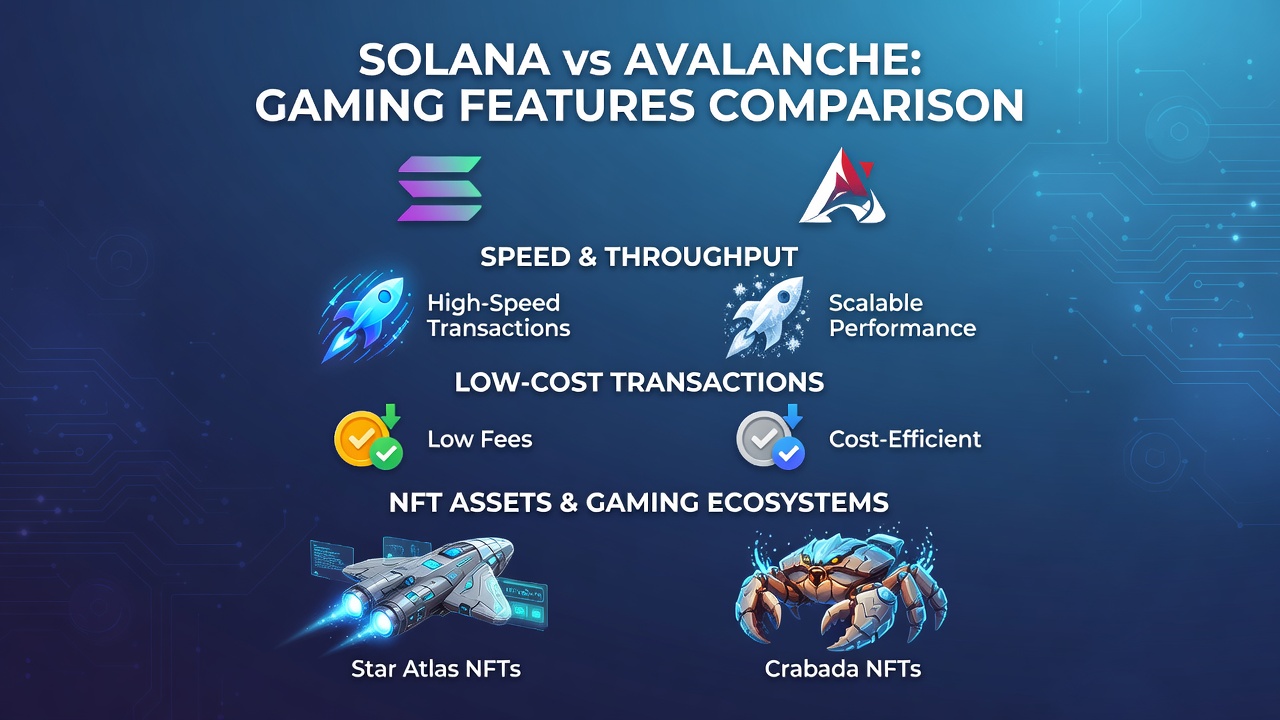
Standout games on Solana include Star Atlas, a space-themed metaverse with detailed NFT spacecraft and economies driven by its native token. On Avalanche, Crabada offers a play-to-earn idle game featuring NFT crabs that battle and breed for rewards. Other notable projects include Aurory on Solana, blending RPG elements with strategic combat and token rewards, and DeFi Kingdoms on Avalanche, which merges blockchain gaming with decentralized finance mechanics through hero NFTs and quest systems.
These examples demonstrate how NFTs serve as unique in-game items with verifiable ownership, while play-to-earn rewards distribute altcoins directly to active participants. Additional titles such as Genopets on Solana incorporate fitness tracking with evolving creature NFTs, showcasing innovative mechanics that blend real-world activity with blockchain assets.
Comparing Gaming Features on Solana vs Avalanche
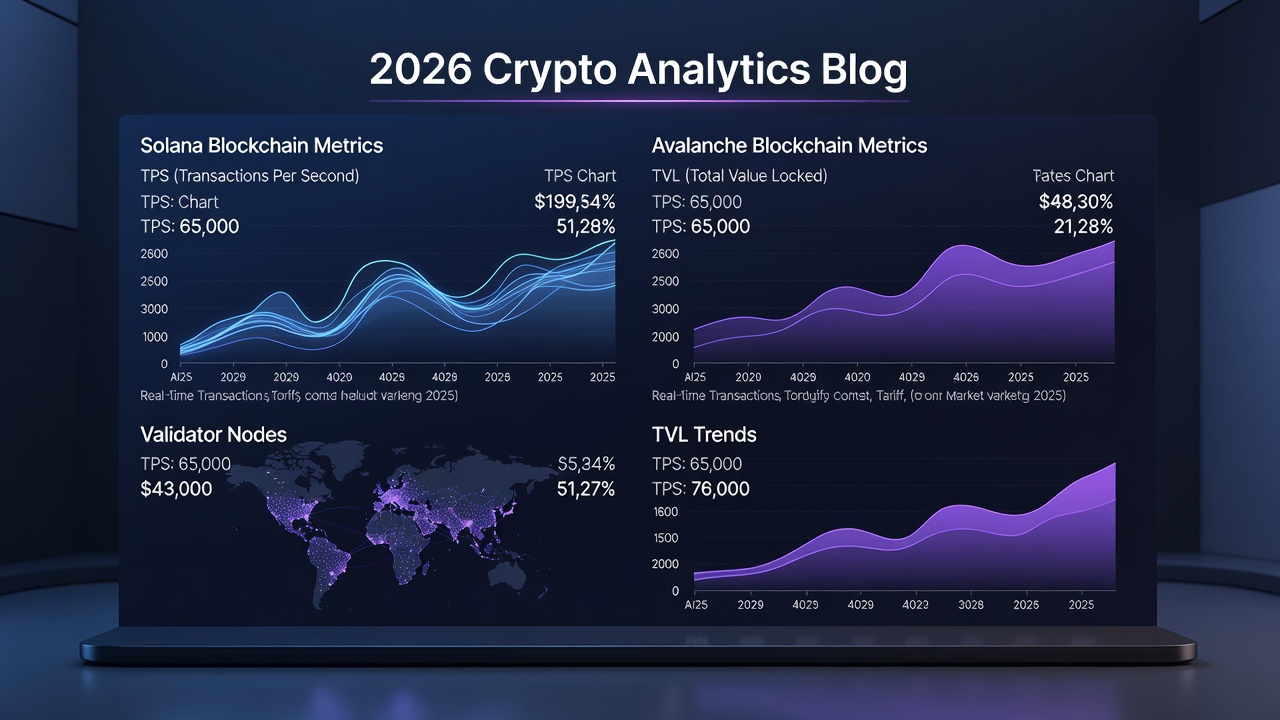
When evaluating the two chains for game development, several dimensions stand out. Solana excels with over 65,000 theoretical TPS, suiting high-frequency trading games, whereas Avalanche prioritizes customizable subnets for tailored gaming environments. Transaction costs remain extremely low on both, though Solana often edges out in consistency during peak activity periods.
- Throughput and Speed: Solana’s architecture supports massive concurrent actions ideal for battle royales or trading simulations, while Avalanche subnets allow isolated performance tuning for specific titles.
- Transaction Costs: Both maintain minimal fees that support frequent in-game purchases without friction.
- Developer Tools: Solana provides robust Rust-based SDKs and comprehensive documentation; Avalanche offers strong EVM compatibility for easier porting from Ethereum ecosystems.
- NFT Standards: Solana uses Metaplex for streamlined minting and metadata management; Avalanche leverages ERC-721 equivalents with enhanced subnet isolation for security.
- Community and Ecosystem Support: Both benefit from active grant programs and hackathons that accelerate game launches and player onboarding.
Integrating NFTs and Play-to-Earn Mechanics
NFTs represent ownership of characters, items, and land within these games. Play-to-earn systems reward consistent play with altcoin distributions, creating incentives that blend entertainment with potential earnings. Successful titles balance tokenomics to prevent inflation while encouraging long-term engagement through staking, breeding, and marketplace trading. Integration often involves smart contracts that automatically distribute rewards based on player performance metrics tracked on-chain.
Steps for Users to Get Started with In-Game Assets
- Set up a compatible wallet such as Phantom for Solana or Core for Avalanche, ensuring you enable all necessary network connections and backup your seed phrase securely.
- Acquire SOL or AVAX tokens via reputable exchanges and transfer them to your wallet, starting with small amounts to familiarize yourself with gas fees and confirmation times.
- Connect the wallet to supported game marketplaces or launchers, verifying the official domain to avoid phishing attempts common in the space.
- Purchase or earn initial NFTs through gameplay or secondary markets, beginning with lower-value assets to learn mechanics before scaling up.
- Monitor asset performance and participate in community governance where available, using on-chain analytics tools to track token utility and project updates.
Investment Opportunities in Gaming Altcoins
Search intent around this topic often centers on identifying promising altcoins tied to successful games. Projects with strong communities and innovative mechanics present opportunities for portfolio diversification. Evaluating token utility, team transparency, and roadmap execution helps investors distinguish sustainable projects from short-lived hype cycles. Many gamers combine play-to-earn participation with strategic token holdings to maximize exposure.
Addressing Risks Such as Volatility
Altcoin markets remain highly volatile. Price swings can occur rapidly due to game updates, regulatory news, or broader crypto trends. Diversification, ongoing education, and only investing what one can afford to lose are essential practices. Always verify project roadmaps and audit reports from trusted sources. Additional risks include smart contract vulnerabilities, liquidity issues in smaller NFT marketplaces, and potential regulatory shifts affecting play-to-earn models globally.
Common Mistakes to Avoid
Beginners often overlook wallet security or chase high-APY tokens without understanding underlying economics. Another frequent error is neglecting to research team backgrounds and token distribution schedules, which can lead to unexpected dumps. Always cross-reference multiple data sources before committing significant capital.
FAQ
What makes Solana suitable for Web3 games?
Its high speed and low costs enable fluid gameplay and affordable asset trading at scale, supporting complex interactions that feel responsive even during peak hours.
How does Avalanche support gaming subnets?
Developers can launch dedicated subnets optimized for specific game requirements while maintaining security through the primary network, allowing customization without compromising overall ecosystem integrity.
Are play-to-earn rewards guaranteed?
No, earnings depend on game economics, player skill, and market conditions; treat them as variable and always approach with realistic expectations rather than guaranteed income.
Where can I learn more about these blockchains?
Visit Solana and Avalanche for official documentation and ecosystem updates.
What should I consider before investing in gaming altcoins?
Focus on token utility within the game, community engagement levels, and long-term development plans rather than short-term price speculation alone.
Conclusion
The Web3 gaming boom on Solana and Avalanche continues to reshape digital entertainment in 2026. By understanding chain strengths, exploring real projects, and following prudent steps, enthusiasts can participate meaningfully while navigating inherent risks and capitalizing on emerging opportunities in this dynamic niche.
No comments yet. Be the first!