 CryptoChain Blog

Introduction to Bitcoin Halving Cycles and 2026 Indicators
The Bitcoin halving remains one of the most anticipated events in cryptocurrency markets, with the next one scheduled for 2028. As traders prepare, 2026 serves as a critical window to monitor supply dynamics and on-chain signals that historically precede major price movements. This article explores historical patterns, current UTXO age distributions, long-term holder behavior, and projected supply shocks while providing actionable steps for custom dashboards. Understanding these metrics helps traders anticipate reduced selling pressure and potential demand surges. Historical data shows that halvings typically lead to supply shocks, where new Bitcoin issuance drops significantly, tightening available liquidity and creating conditions for volatility followed by upward trends. In 2026, early signals from on-chain data can offer a competitive edge for those building positions ahead of the halving event.
Historical Halving Patterns and Their Relevance to 2026
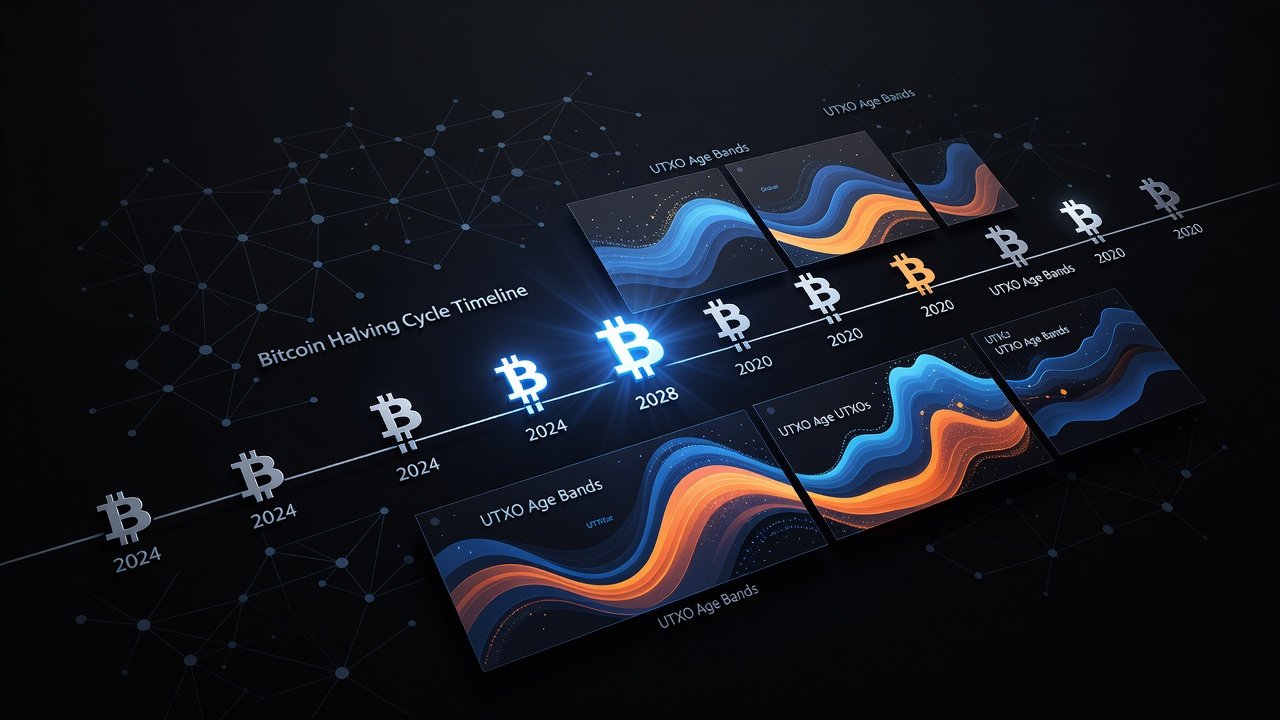
Bitcoin has undergone four halvings since its inception, each reducing the block reward by half. The 2012 halving cut rewards from 50 to 25 BTC, the 2016 event from 25 to 12.5 BTC, the 2020 halving from 12.5 to 6.25 BTC, and the 2024 event from 6.25 to 3.125 BTC. Each cycle demonstrated similar phases: accumulation before the halving, a supply shock post-event, and eventual bull runs lasting 12 to 18 months afterward. For 2026 preparation, analysts examine how prior cycles' on-chain data aligned with price action. Reduced issuance combined with steady demand often creates scarcity. The 2016 halving saw long-term holders increase their share of supply dramatically in the preceding year, a pattern repeated in 2020. By studying these repetitions, 2026 traders can identify similar accumulation phases through metrics like dormant coin ratios. Learn more about Bitcoin's core protocol at bitcoin.org. These historical parallels provide a roadmap, but 2026 adds layers such as institutional participation and ETF flows that amplify traditional patterns.
Current UTXO Age Distributions and Supply Dynamics
Unspent Transaction Outputs (UTXOs) represent Bitcoin holdings that have not been spent. Age bands categorize these by dormancy periods, revealing holder conviction. In 2026, rising percentages of UTXOs older than one year or five years signal strong long-term holding, reducing liquid supply. Supply shock indicators include a shrinking percentage of young UTXOs (less than 30 days old) alongside growth in older cohorts. This distribution suggests coins are moving off exchanges into cold storage, tightening available float for trading. Traders should track bands such as 1-3 months, 3-6 months, and over 1 year to spot shifts. For instance, when the over-1-year band exceeds 65 percent of total supply, historical correlations point to reduced selling pressure. Advanced analysis involves comparing these distributions against exchange reserve levels to confirm whether coins are truly illiquid or merely repositioned. 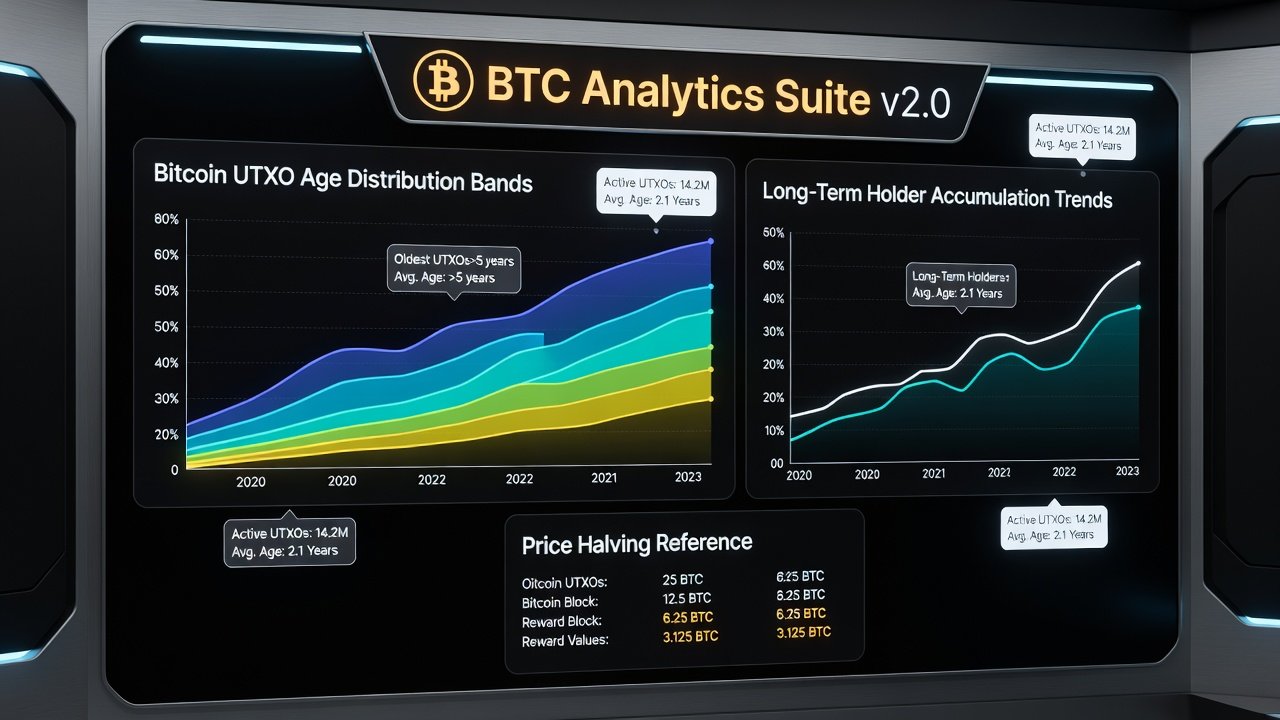
Long-Term Holder Behavior Analysis
Long-term holders (LTHs), defined as entities holding Bitcoin for over 155 days, play a pivotal role in supply shocks. Their behavior in 2026 shows accumulation phases where spending slows dramatically. On-chain metrics track LTH supply as a percentage of total supply, with increases often correlating to reduced volatility and upward price pressure. Examples from recent cycles demonstrate that when LTH supply reaches historical highs relative to circulating supply, it precedes rallies. Traders monitor this alongside exchange inflows to gauge selling intent. In 2026, LTHs may represent over 70 percent of supply, mirroring patterns seen before previous bull markets. This cohort typically includes early adopters and institutions who rarely sell during minor corrections, creating a floor for prices. To quantify behavior, analysts use metrics like the LTH spent output profit ratio, which reveals whether these holders are realizing gains or holding through volatility.
Projected Supply Shocks for 2026-2028
With the 2024 halving already in effect, 2026 projections point to accelerating scarcity as daily issuance remains low at 3.125 BTC per block. Combined with potential ETF inflows and institutional adoption, supply shocks could intensify. On-chain models project that if LTH accumulation continues, effective circulating supply could drop below critical thresholds, leading to sharper price responses on any demand increase. Key variables include global regulatory developments and macroeconomic factors that influence Bitcoin's appeal as a store of value. Traders preparing for 2028 should model scenarios where supply shocks coincide with reduced miner selling, further tightening the market.
Step-by-Step Guide to Building Custom On-Chain Dashboards
Follow these steps to create dashboards tracking key metrics using tools like Glassnode or custom scripts. First, identify core metrics including UTXO age bands, LTH supply ratio, exchange reserves, realized price, and dormant circulation. Second, set up data sources via public APIs from reliable platforms and import historical data spanning at least two full halving cycles for context. Third, use visualization libraries such as Python's Matplotlib, Plotly, or Tableau to plot time-series data with multiple overlays for easy comparison. Fourth, configure alerts for threshold breaches, such as LTH supply exceeding 70 percent of total supply or young UTXO percentages falling below 15 percent. Fifth, backtest against historical halving data to validate correlations with price action, adjusting parameters based on accuracy rates. Sixth, integrate additional layers like miner reserve changes and whale transaction clustering for a holistic view. Real 2026 examples include dashboards showing UTXO age shifts correlating with sustained price increases during accumulation periods, allowing users to time entries more precisely than relying on price charts alone.
Practical Trading Strategies Based on 2026 Signals
Traders can implement strategies like accumulating during periods of high LTH supply growth and exiting on young UTXO spikes indicating distribution. Diversify across spot holdings and derivatives while monitoring multiple timeframes. Combine signals with broader market sentiment from sources like mempool.space. One effective approach involves scaling into positions when the 1-year UTXO band grows by more than 2 percent month-over-month, while setting stop-losses based on realized price deviations. Another strategy uses LTH supply ratio crossovers with exchange inflow rates to confirm trend reversals. In 2026, avoid over-reliance on single metrics by creating a weighted scoring system across five key indicators. Risk management includes position sizing limited to 5-10 percent of portfolio per signal and regular rebalancing every quarter. These methods turn raw on-chain data into actionable trading plans.
Comparison Table of Key Metrics
| Metric | 2020 Cycle | 2024 Cycle | 2026 Projection |
|---|---|---|---|
| UTXO >1 Year (%) | 55% | 62% | 68-72% |
| LTH Supply Ratio | 65% | 71% | 75%+ |
| Exchange Reserves (BTC) | 2.8M | 2.4M | 2.1M |
FAQ: Avoiding Common Pitfalls in Halving Prep
Q: How do I avoid false signals from short-term UTXO fluctuations? A: Focus on multi-month trends rather than daily noise and combine with volume data for confirmation. Q: What if on-chain metrics contradict price action? A: Prioritize on-chain conviction over short-term charts and wait for confirmation across multiple indicators before acting. Q: Are custom dashboards too complex for beginners? A: Start with free public explorers before building advanced versions, then gradually add custom scripts. Q: How often should metrics be reviewed in 2026? A: Weekly reviews suffice for most traders, with deeper analysis during high-volatility periods. Q: Can external events override these supply signals? A: Yes, always layer macroeconomic context and regulatory news on top of on-chain data. By mastering these 2026 supply shock indicators, traders position themselves effectively for the 2028 halving cycle with greater confidence and precision.
No comments yet. Be the first!