 CryptoChain Blog

Introduction to Bitcoin's Role in Emerging Economies
Bitcoin continues to reshape financial landscapes in developing regions throughout 2026. As traditional banking systems face limitations such as high fees, slow processing times, and limited access in rural areas, digital assets provide viable alternatives for payments, savings, and cross-border transfers. This comprehensive article examines adoption trends in Africa and Southeast Asia using transaction volumes, merchant integration data, and remittance patterns. Readers will gain insights into how Bitcoin serves as both a store of value and a medium of exchange in economies where local currencies often experience instability. The focus remains on practical applications rather than speculation, highlighting how individuals and businesses leverage the network for everyday needs.
Key Adoption Metrics Across Regions
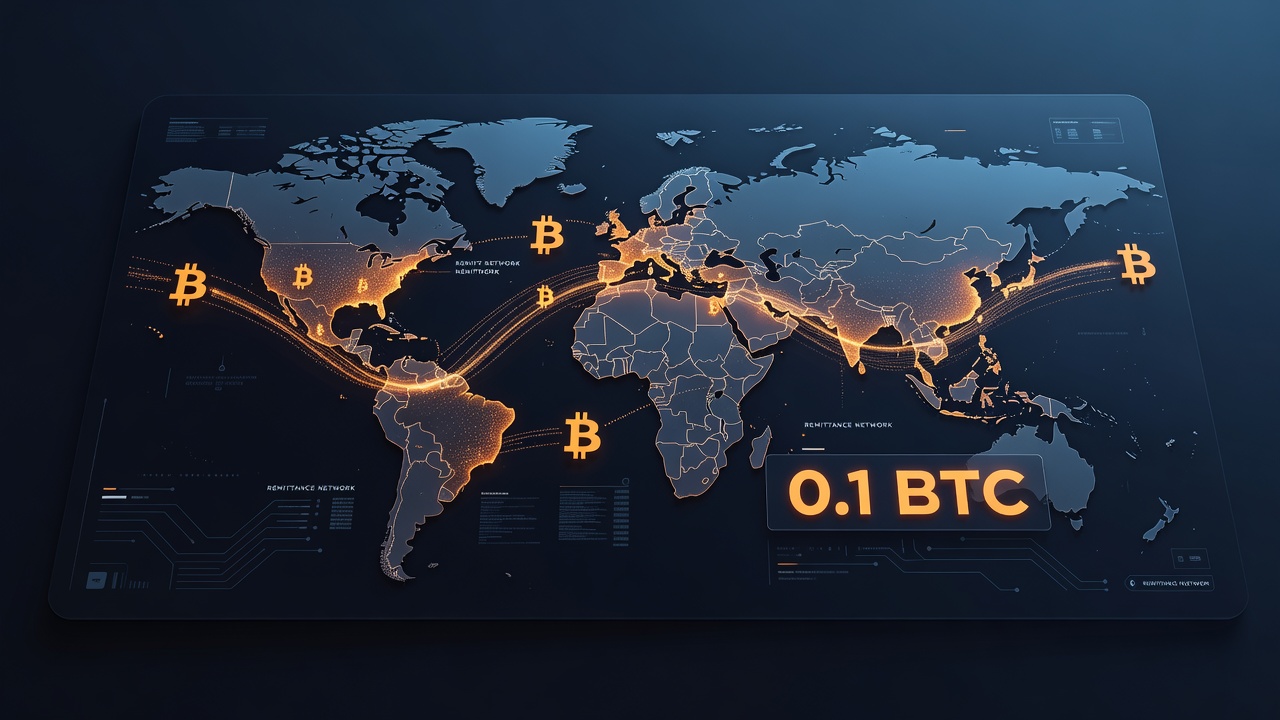
Transaction volumes in emerging markets have shown consistent growth driven by increased smartphone penetration and improved internet infrastructure. On-chain data reveals rising activity in peer-to-peer exchanges and decentralized applications, with more addresses actively participating in transfers. Merchant integration has accelerated, allowing local businesses to accept Bitcoin directly through point-of-sale systems that convert holdings to local currency instantly to mitigate volatility. Remittance flows represent another major driver, as migrants send value home with lower costs compared to traditional services. These metrics collectively indicate that Bitcoin is moving from niche use to mainstream utility in several countries.
Africa: Focus on Nigeria and Kenya
In Nigeria, Bitcoin serves as a hedge against currency fluctuations and inflation pressures. Traders monitor wallet activity and exchange inflows to gauge sentiment, often using public dashboards to spot accumulation phases. Small-scale traders and freelancers benefit from receiving payments in Bitcoin, which they can hold or convert quickly. Kenya benefits from mobile money synergies, where Bitcoin complements existing platforms for faster settlements between urban and rural users. The country's established digital payment culture makes integration smoother, with many users viewing Bitcoin as an extension of familiar mobile wallet experiences.
Southeast Asia: Vietnam and Indonesia
Vietnam leads in peer-to-peer trading volumes, supported by a young population comfortable with technology and a strong freelance economy. Indonesia shows rising merchant adoption in e-commerce sectors, where platforms now offer Bitcoin checkout options alongside local payment methods. Remittance flows into these countries often bypass traditional banks, reducing fees and delays for families relying on overseas workers. Additional growth appears in the Philippines, where overseas workers use Bitcoin to send funds efficiently to relatives managing daily expenses.

Regulatory Hurdles and Market Comparisons
Governments in these regions balance innovation with oversight, creating a patchwork of rules that traders must navigate carefully. Some impose licensing requirements on exchanges, while others explore central bank digital currencies as complements rather than competitors. Compared to local currencies, Bitcoin offers borderless transfer capabilities and resistance to capital controls, but it introduces volatility considerations that users address through hedging techniques or quick conversions. Regulatory clarity in certain jurisdictions has encouraged more institutional participation, while ambiguity in others pushes activity toward decentralized channels. Businesses often compare Bitcoin's finality of settlement against the reversibility risks in traditional banking systems.
Practical Case Studies from Specific Countries
Real-world examples illustrate Bitcoin's impact. In Nigeria, small businesses integrate Bitcoin for supplier payments, improving cash flow by avoiding multi-day bank delays and high wire fees. One Lagos-based importer now settles weekly orders directly on the blockchain, cutting processing time from five days to under an hour. In Kenya, remittance recipients use Bitcoin to access global markets quickly, converting portions into mobile money for groceries or school fees. Vietnam's freelancers leverage Bitcoin for international client settlements, bypassing local bank restrictions that previously delayed payments for weeks. Indonesia's tourism operators accept Bitcoin to attract digital-native visitors, with several Bali resorts reporting increased bookings after adding crypto options. These cases demonstrate practical benefits across different sectors and highlight replicable strategies for other emerging markets.
Step-by-Step Analysis Methods Using Public Tools
Traders and analysts can follow structured approaches to evaluate adoption signals. First, access blockchain explorers to review transaction trends by filtering for addresses associated with emerging market exchanges. Second, track exchange volumes through public APIs from major platforms to compare daily and weekly activity levels. Third, analyze wallet growth metrics for adoption signals by observing the creation of new addresses and their activity frequency. Fourth, compare remittance data from sources like the World Bank to understand how Bitcoin volumes correlate with traditional flows. Fifth, review regulatory updates via official government portals and compare policy changes across neighboring countries. Sixth, monitor social sentiment indicators from local forums to anticipate shifts before they appear in on-chain data. These methods combine quantitative and qualitative inputs for a complete picture.
On-Chain Signals Indicating Growth
Active addresses and transaction counts provide reliable indicators of network usage. Rising hash rate contributions from emerging regions also signal network participation as more miners join from areas with affordable electricity. These metrics help traders identify momentum before mainstream recognition occurs. Additional signals include increased Lightning Network capacity in regions with high mobile usage, which enables faster and cheaper micro-transactions. Analysts watch for clustering of transactions around known exchange wallets and spikes in small-value transfers that often represent everyday commerce rather than large speculative moves.
Trader Opportunities and Entry Strategies
Opportunities exist in arbitrage between local and global markets, particularly during periods of local currency stress. Strategies include dollar-cost averaging during dips and monitoring regulatory announcements for potential market reactions. Risk management involves diversifying holdings across multiple wallets and using hardware wallets for security. Practical steps for new participants start with education on wallet types, followed by testing small transfers on testnets before committing real value. Experienced traders often set alerts for specific on-chain thresholds and maintain relationships with local liquidity providers to execute larger trades without excessive slippage.
Mistakes to Avoid When Engaging with Bitcoin in Emerging Markets
- Ignoring local tax reporting requirements, which can lead to compliance issues later.
- Overexposing portfolios to single assets without considering currency correlation risks.
- Using unregulated platforms that lack proper security measures or customer protections.
- Failing to verify recipient addresses carefully, resulting in irreversible losses.
- Neglecting to monitor regulatory changes that could affect withdrawal options.
FAQ: Addressing Volatility Risks and Entry Strategies for 2026
How volatile is Bitcoin in emerging markets?
Volatility remains a factor, though adoption often stabilizes local usage patterns over time as more merchants hold small reserves and convert only what is needed.
What tools help analyze on-chain data?
Free explorers and analytics dashboards from established providers offer accessible insights without requiring advanced technical skills.
Are there risks with regulations?
Policy shifts can impact accessibility, so monitoring sources like the IMF is recommended for early awareness of potential changes.
How to start trading safely?
Begin with verified exchanges, enable two-factor authentication, and start with small positions while learning the ecosystem.
Can Bitcoin replace local currencies entirely?
Most adoption occurs alongside local systems rather than as a full replacement, providing complementary utility for specific use cases like international transfers.
Conclusion
Bitcoin's integration into emerging markets during 2026 highlights its utility beyond speculation. By studying case studies and metrics, traders and businesses can navigate opportunities while mitigating risks. Continued monitoring of on-chain and regulatory developments will shape future growth, offering valuable lessons for participants worldwide.

No comments yet. Be the first!