 CryptoChain Blog
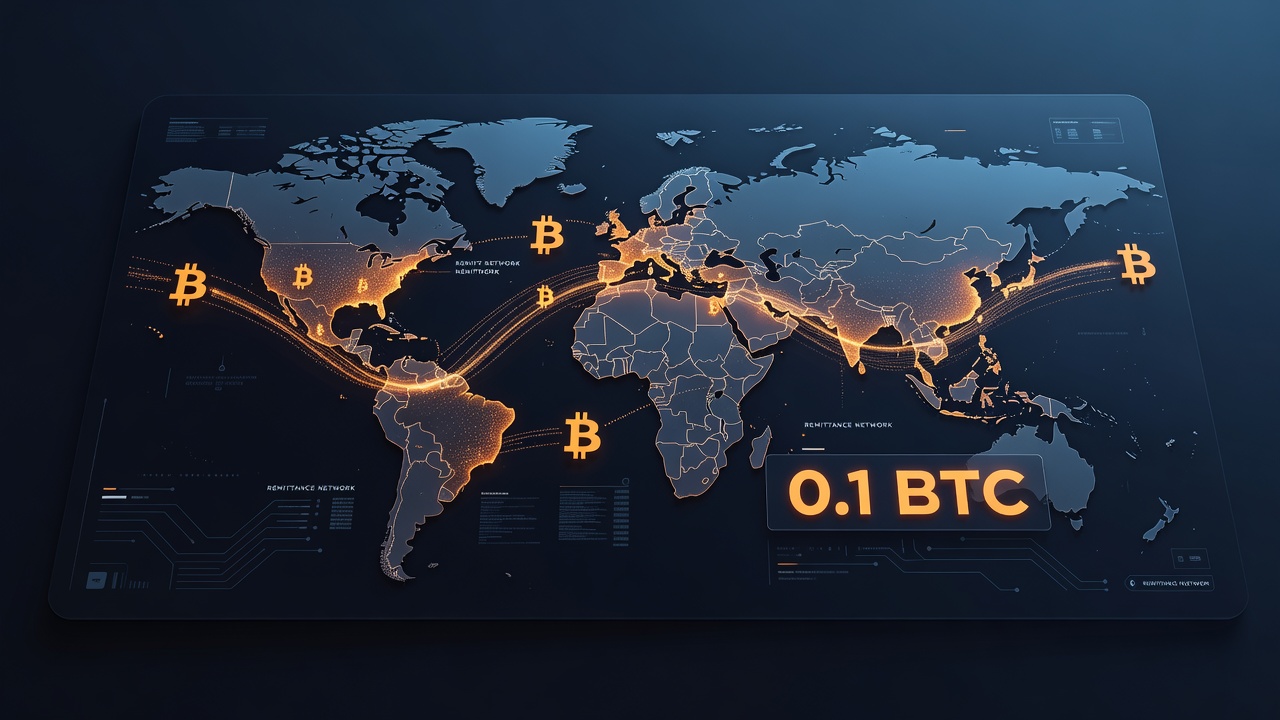
Introduction: Bitcoin's Expanding Footprint in Global Remittances
As digital assets mature, Bitcoin continues to reshape how value moves across borders. In 2026, remittances represent one of the clearest real-world use cases, driven by lower costs, faster settlement, and growing accessibility in regions with limited banking infrastructure. This article dives deep into transaction volumes, network metrics, and practical insights for traders seeking signals from remittance flows. Understanding these dynamics helps both everyday users and market participants make informed decisions in an evolving financial landscape.
Current Volume Trends and Key On-Chain Metrics
Bitcoin's remittance activity has shown consistent growth through 2026. Analysts track average transfer sizes, daily transaction counts, and congestion indicators via public explorers. Larger average transfers often signal institutional or corridor-specific flows, while smaller, frequent transactions point to retail migrant use. Network congestion can temporarily increase fees, influencing user behavior toward layer-2 solutions or alternative timing. For example, during periods of high activity in emerging markets, the median transaction value may rise as families send larger sums to cover education or medical expenses back home.
Public blockchain explorers allow anyone to monitor these metrics in real time. Key indicators include median transaction value, fee rates per vByte, and the ratio of remittance-like outputs versus exchange activity. Traders frequently observe patterns where remittance volumes spike ahead of major holidays or after local currency devaluations, providing early clues about demand shifts. By studying historical on-chain data, it becomes possible to distinguish between speculative trading and genuine remittance-driven movement.
Fee Efficiencies Compared to Traditional Services
Traditional providers like Western Union typically charge high flat fees plus exchange rate markups. Bitcoin offers a more efficient alternative when network conditions are favorable. Users benefit from direct peer-to-peer transfers without intermediaries, though they must account for on-chain fees and volatility. In many corridors, total costs remain significantly lower than legacy systems, especially for amounts above a few hundred dollars. The absence of intermediary banks also reduces delays, allowing funds to arrive in minutes rather than days.
Bitcoin.org provides foundational resources on wallet selection and best practices for secure transfers. Compared to traditional services, Bitcoin's fee structure is transparent and determined by network demand rather than hidden margins. However, users must still factor in potential volatility when converting between local currencies and BTC at both ends of the transaction.
Case Studies: Latin America and Southeast Asia
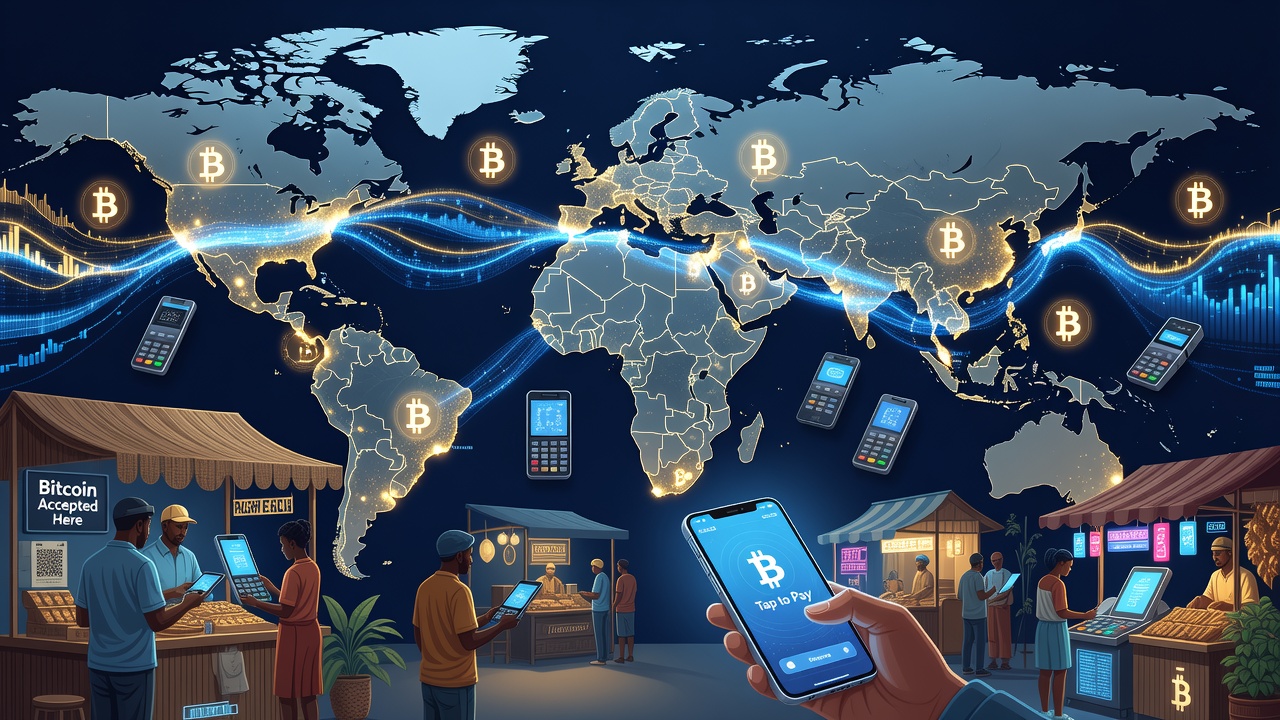
In Latin America, countries with high outbound migration see steady Bitcoin usage for family support. Users often convert local currency to Bitcoin, send it quickly, and have recipients sell for local stablecoins or cash. For instance, in Mexico and Colombia, small business owners and gig workers rely on Bitcoin to bypass slow banking hours and high wire fees. Southeast Asian corridors show similar patterns, with adoption accelerating in the Philippines and Vietnam due to large diaspora communities and improving mobile wallet integration. In the Philippines, overseas workers frequently use Bitcoin to send funds home during typhoon seasons when traditional channels experience outages.
These regions demonstrate how Bitcoin bridges gaps where traditional banking rails are slow or expensive. Real-world examples include small business owners using Bitcoin to pay suppliers across borders within minutes rather than days. In Vietnam, tech-savvy freelancers have adopted Bitcoin remittances to receive payments from international clients without the lengthy verification processes required by local banks. Such cases highlight the practical advantages and the growing ecosystem of supporting tools like mobile apps that simplify the conversion process.
Step-by-Step Workflow: Analyzing Remittance Flows with Explorers
- Choose a reliable public explorer such as Blockchain.com or Mempool.space and set up basic filters for transaction size and time ranges.
- Filter for transactions in the 0.001–0.1 BTC range, typical of retail remittances, while excluding large exchange deposits.
- Monitor fee rate spikes during peak hours and correlate with news events such as policy announcements or economic reports from source countries.
- Track address clustering patterns to identify repeated corridor activity and recurring senders or receivers.
- Export data for further analysis in spreadsheets or visualization tools, then compare weekly or monthly trends against macroeconomic indicators.
- Cross-reference findings with social media sentiment in target regions to validate whether volume increases align with real user behavior.
This workflow helps traders spot emerging trends before they appear in mainstream reports. Regular practice with these steps builds intuition for distinguishing noise from meaningful signals.

Trader Insights: Reading Price Signals from Remittance Data
Remittance-driven volume often correlates with local economic events, regulatory announcements, and currency devaluations. Traders monitor spikes in certain regions as potential leading indicators of broader adoption or short-term demand pressure. Combining on-chain data with macroeconomic calendars improves signal accuracy. For example, a sudden increase in small-value transfers from a specific country may precede local media coverage of banking restrictions, giving attentive traders time to adjust positions.
Practical tips include setting alerts for unusual transaction clusters, watching fee market dynamics during known remittance payout days, and cross-referencing with social sentiment in target corridors. Maintaining a personal dashboard that overlays on-chain metrics with news feeds can surface opportunities faster than relying on delayed official statistics. Traders should also consider how layer-2 solutions affect visibility of these flows and adjust their monitoring accordingly.
Correlations with News Events and Market Impact
Major policy changes, inflation reports, or banking restrictions frequently trigger measurable increases in Bitcoin remittance activity. Traders who overlay news timelines with on-chain metrics gain an edge in anticipating volatility. Historical patterns show that positive regulatory developments in key markets tend to boost both volume and price sentiment. Conversely, negative headlines can cause temporary dips as users pause activity while assessing risks. By maintaining a timeline of events alongside volume charts, analysts can identify repeatable cause-and-effect relationships that inform trading strategies.
Risks, Regulatory Hurdles, and Projections Beyond 2026
Despite advantages, Bitcoin remittances carry risks including volatility, regulatory uncertainty, and potential network congestion. Governments continue to refine frameworks around virtual asset service providers, which may introduce new compliance requirements for exchanges and wallet services. Looking ahead, integration with stablecoins and improved layer-2 scalability are expected to further enhance efficiency. Projections suggest continued growth in adoption as infrastructure matures, although competition from central bank digital currencies could reshape the competitive landscape. Users and traders should remain vigilant about evolving rules in both sending and receiving countries.
Frequently Asked Questions
What are the main risks of using Bitcoin for remittances?
Price volatility, regulatory shifts, and the need for reliable internet access remain primary concerns. Users should employ volatility-hedging strategies where possible and choose reputable wallets with strong security features.
How do regulations affect Bitcoin remittances in 2026?
Rules vary widely by jurisdiction. Some countries encourage innovation while others impose strict licensing on exchanges and wallet providers. Staying updated on local compliance is essential for avoiding disruptions.
What does the future hold for Bitcoin in remittances beyond 2026?
Continued infrastructure improvements and growing institutional participation are likely to expand use cases, though competition from central bank digital currencies will intensify. Scalability upgrades could make Bitcoin even more competitive for smaller transfers.
Conclusion
Bitcoin's role in global remittances is no longer experimental. By understanding volume trends, leveraging public data tools, and staying attuned to news-driven correlations, traders and users alike can navigate this evolving landscape with greater confidence and precision. The combination of transparent on-chain data and real-world adoption stories provides a solid foundation for ongoing analysis and informed decision-making.
No comments yet. Be the first!