 CryptoChain Blog

Introduction: Bitcoin's Growing Influence on Global Banking
As 2026 unfolds, Bitcoin continues to challenge the foundations of traditional banking systems worldwide. Investors are increasingly turning to data-driven analyses to understand sector-wide transformations, from shifting deposit patterns to the rise of decentralized finance alternatives. This forward-looking examination explores key metrics, real-world integrations, and practical strategies for navigating these changes. The convergence of macroeconomic pressures, technological innovation, and evolving consumer preferences has accelerated Bitcoin's integration into mainstream finance, prompting banks to reevaluate their core business models. Forward-looking analysis suggests that by the end of the decade, decentralized networks could capture a meaningful share of value transfer previously dominated by centralized institutions.
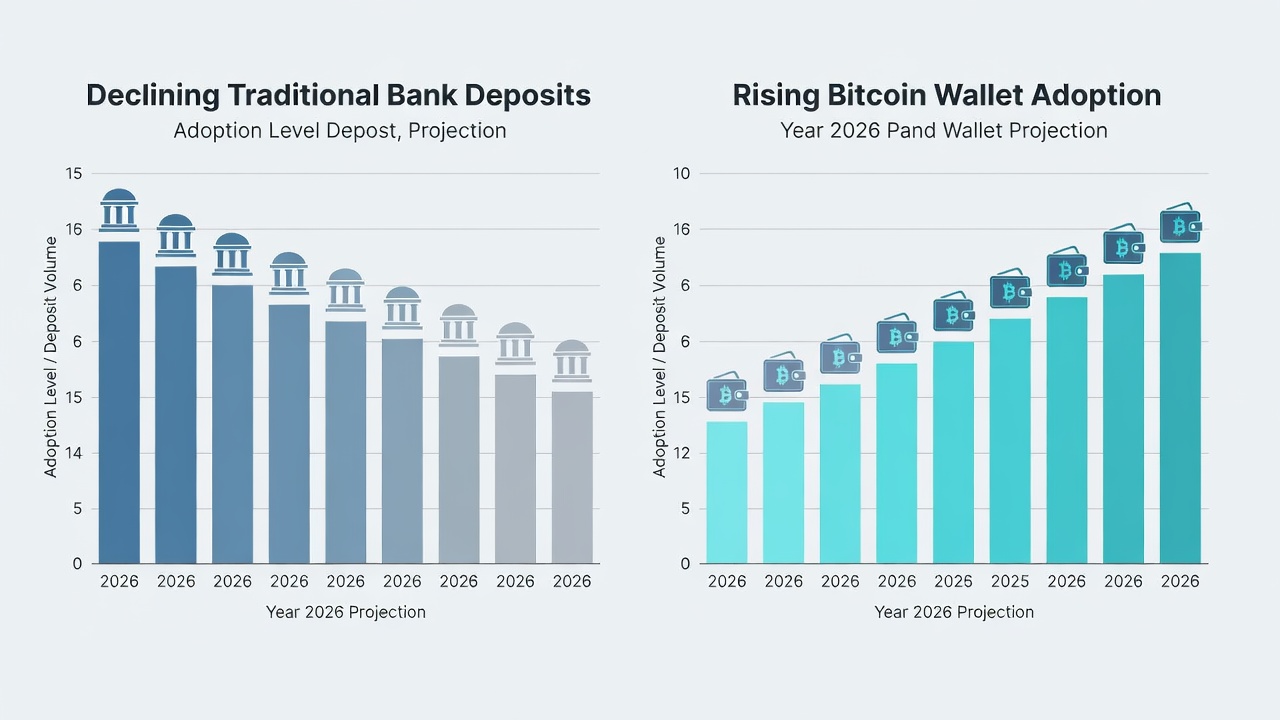
Declining Bank Deposits Correlated with BTC Adoption
Recent trends show a noticeable correlation between rising Bitcoin adoption and reductions in traditional bank deposits. Public data from central banks highlights how retail and institutional investors allocate portions of their holdings into cryptocurrencies, leading to measurable outflows. For instance, analyses from the Federal Reserve indicate evolving liquidity dynamics in major economies. These shifts underscore Bitcoin's role as a store of value competing directly with fiat-based savings accounts. In high-inflation environments across Latin America and parts of Asia, households have accelerated the move toward Bitcoin holdings as a hedge, resulting in deposit contraction rates that outpace historical norms. Analysts tracking wallet growth alongside banking statistics note that regions with permissive regulatory climates experience the steepest declines, while jurisdictions with stricter capital controls see slower but still persistent migration.
Additional data sources reveal that corporate treasuries are also reallocating portions of cash reserves into Bitcoin, further pressuring bank balance sheets. This trend creates a feedback loop where reduced deposits lead to tighter lending conditions, which in turn encourages more entities to explore alternative stores of value like Bitcoin.
Case Studies of Banks Integrating Crypto Services
Several institutions have begun embedding crypto capabilities into their platforms. European banks, for example, now offer Bitcoin custody and trading through partnerships with established exchanges. In the United States, select regional banks provide seamless fiat-to-BTC conversion services, responding to customer demand. These integrations demonstrate a pragmatic adaptation rather than outright resistance. Swiss private banks have pioneered multi-signature custody solutions that comply with local financial regulations while giving clients direct access to Bitcoin networks. Meanwhile, Australian financial groups have launched Bitcoin-backed lending products that allow customers to borrow against their holdings without selling the underlying asset.
One notable example involves a major Swiss bank expanding its digital asset division, enabling clients to hold Bitcoin alongside traditional portfolios. Such moves illustrate how legacy players are evolving to retain relevance in a decentralized landscape. Asian banks in Singapore have introduced Bitcoin settlement rails for high-net-worth clients, reducing reliance on correspondent banking networks for cross-border transactions.
Legacy Systems Versus Decentralized Alternatives
Traditional banking relies on centralized ledgers, intermediaries, and regulatory oversight that can introduce delays and fees. In contrast, Bitcoin's decentralized network offers 24/7 settlement, reduced counterparty risk, and transparent transaction histories. Comparisons reveal that decentralized alternatives excel in cross-border transfers, where legacy systems often incur high costs and multi-day processing times. Investors benefit from understanding these differences when evaluating portfolio diversification. While banks provide insured deposits and lending products, Bitcoin emphasizes self-custody and programmable money features that enable new financial primitives such as atomic swaps and collateralized lending on secondary layers.
Practical differences become evident during periods of market stress. Legacy payment rails may experience outages or delays, whereas Bitcoin transactions continue uninterrupted, albeit with variable confirmation times depending on network congestion. This resilience appeals to businesses operating in volatile regions.
Regulatory Responses Shaping the 2026 Landscape
Governments and international bodies continue refining frameworks to address Bitcoin's expansion. The U.S. Securities and Exchange Commission has clarified aspects of digital asset classification, while the Bank for International Settlements publishes ongoing research on crypto's systemic implications. In 2026, expect further harmonization across jurisdictions, balancing innovation with consumer protection. European regulators have advanced licensing regimes for crypto service providers, requiring banks that offer Bitcoin services to maintain segregated reserves and conduct regular audits. These responses influence institutional adoption, with clearer rules encouraging banks to explore compliant crypto services rather than ceding market share to non-bank competitors.
Real-World Examples from Major Institutions
Global players like JPMorgan and HSBC have launched Bitcoin-related offerings, including tokenized asset pilots and custody solutions. Asian institutions in Singapore and South Korea have integrated Bitcoin into wealth management platforms. These examples highlight a broader trend of mainstream acceptance driven by client demand and competitive pressures. Canadian banks have partnered with Bitcoin exchanges to offer insured trading accounts, while Middle Eastern sovereign wealth funds have allocated portions of reserves to Bitcoin as part of long-term diversification strategies.
Practical Steps for Monitoring These Trends
Investors can stay informed using publicly available resources. Follow these steps:
- Review quarterly reports from the Federal Reserve and European Central Bank for deposit flow data and liquidity indicators.
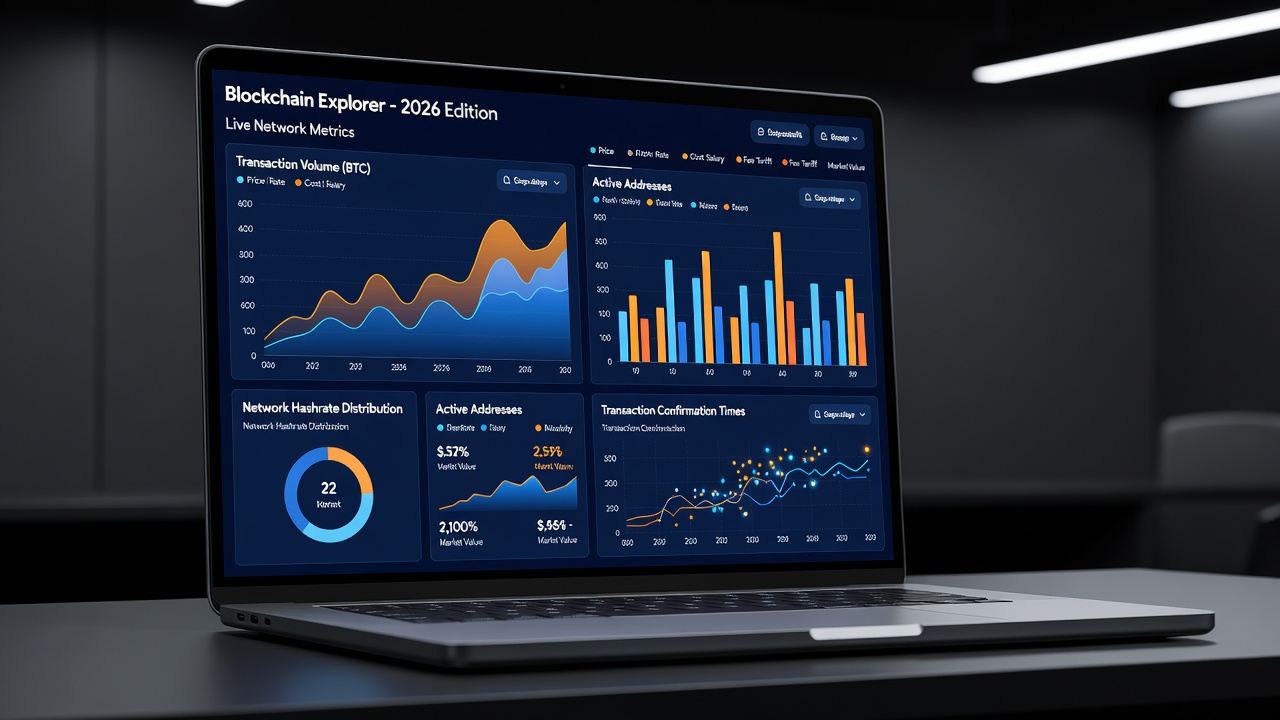
- Monitor on-chain analytics platforms for Bitcoin adoption metrics such as active addresses, hash rate trends, and transaction volumes to identify acceleration points.
- Track regulatory announcements via official government portals and the Bitcoin.org resource hub for updates on policy shifts.
- Set up alerts for institutional filings that disclose crypto exposure in 10-K or 20-F documents.
- Compare historical data sets from multiple jurisdictions to identify emerging correlations between banking metrics and Bitcoin network activity.
- Subscribe to central bank working papers and BIS quarterly reviews to anticipate future regulatory directions that could impact adoption curves.
- Analyze public blockchain explorers alongside traditional economic indicators to build a holistic view of capital flows.
Consistent monitoring enables timely portfolio adjustments aligned with sector evolution and helps investors distinguish between short-term volatility and structural change.
Conclusion: Preparing for a Decentralized Future
Bitcoin's disruption of banking represents a fundamental shift toward greater financial autonomy. By examining metrics, case studies, and regulatory developments, investors position themselves to capitalize on opportunities while mitigating risks through informed strategies that account for both technological and policy variables.
FAQ
What risks does Bitcoin pose to traditional bank deposits?
Bitcoin's volatility and regulatory uncertainty can accelerate deposit outflows, though many view it as a complementary asset rather than a full replacement. Banks that fail to adapt may face margin compression, while those that integrate services can offset losses through new fee structures.
How can investors safely monitor banking and crypto trends?
Utilize official sources like central bank reports and blockchain explorers to track data without relying on unverified commentary. Combining on-chain metrics with macroeconomic releases provides a balanced perspective on adoption trajectories.
Are there opportunities for banks in the Bitcoin ecosystem?
Yes, through custody services, trading desks, and integration of Bitcoin payments, banks can capture new revenue streams while adapting to decentralized finance. Institutions that develop compliant products often see increased client retention among tech-savvy demographics.
What regulatory changes are expected beyond 2026?
Further standardization of digital asset rules is anticipated, potentially easing institutional participation while enhancing transparency requirements. Expect continued focus on anti-money laundering measures and consumer protection standards across major economies.

No comments yet. Be the first!