 CryptoChain Blog
Introduction to Bitcoin DeFi Integration in 2026
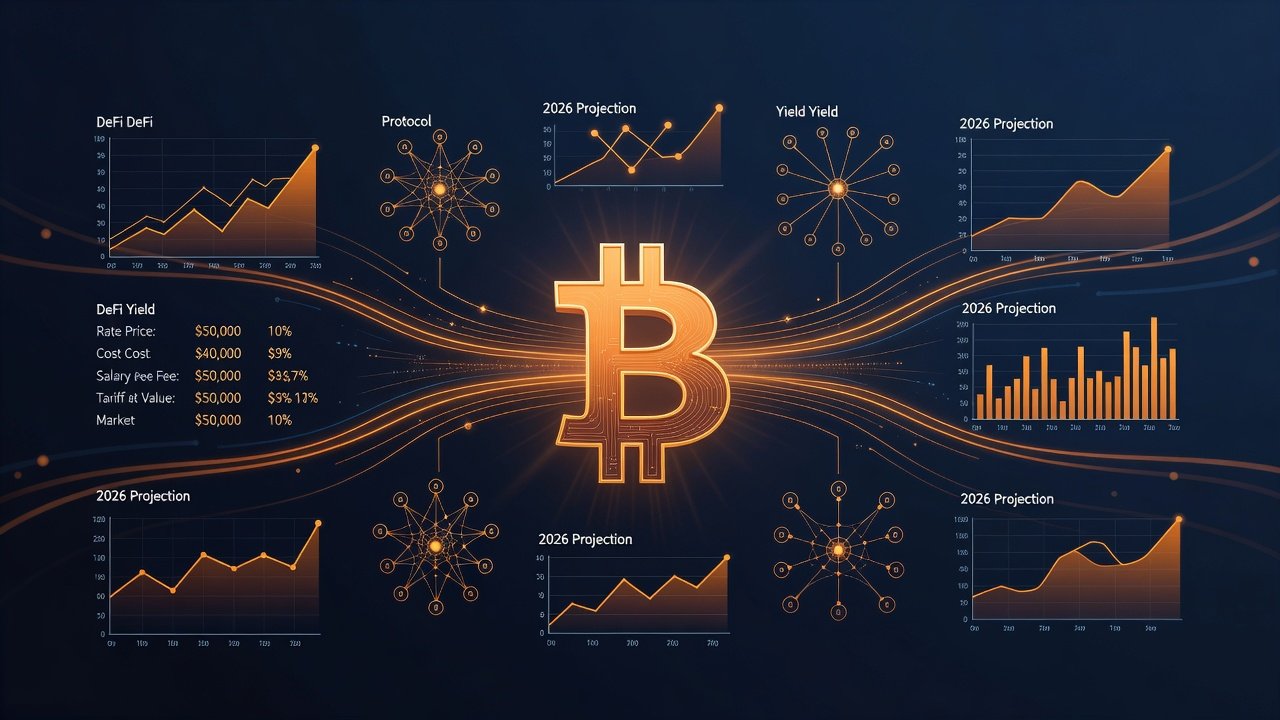
Bitcoin's role in decentralized finance has evolved significantly by 2026, moving beyond simple holding to active participation in lending, borrowing, and yield generation. Traders now leverage wrapped BTC variants and cross-chain protocols to unlock liquidity while maintaining exposure to the flagship cryptocurrency. This analysis focuses on practical tools, on-chain metrics, and real-world use cases that help professionals navigate current market conditions. The integration allows Bitcoin holders to participate in DeFi without selling their assets, creating new avenues for capital efficiency in a maturing ecosystem.
Market participants in 2026 benefit from improved infrastructure that reduces friction between Bitcoin's base layer and programmable blockchains. This shift supports both retail traders seeking incremental yields and institutions exploring collateralized strategies. Understanding these dynamics requires attention to specific metrics rather than broad narratives, enabling data-driven decisions amid fluctuating conditions.
Understanding Wrapped BTC and Its DeFi Role
Wrapped Bitcoin serves as the bridge between Bitcoin's native blockchain and EVM-compatible DeFi ecosystems. By tokenizing BTC on networks like Ethereum or Solana, users gain access to lending markets and automated market makers. Key variants include those secured by federated pegs or decentralized custodians, each offering different trade-offs in security and speed. In 2026, advancements in trust-minimized bridging have expanded options for users wary of centralized points of failure.
These wrapped assets enable Bitcoin to flow into protocols where it can be used as collateral for loans or liquidity provision. Traders must evaluate the underlying security model of each wrapper, including how pegs are maintained and what happens during network disruptions. Real-world applications demonstrate how wrapped BTC facilitates composability across multiple DeFi primitives, from flash loans to structured products.
Tracking DeFi TVL Metrics Tied to Bitcoin
Total value locked remains a primary indicator for Bitcoin DeFi health. Analysts monitor Bitcoin-specific TVL across protocols using dashboards that aggregate data from multiple chains. Rising TVL in BTC-denominated pools often signals increased institutional interest and improved liquidity. Cross-reference these figures with on-chain activity such as active addresses and transaction volumes for a fuller picture. Tools that break down TVL by asset type help isolate Bitcoin's contribution from other tokens.
For reliable data aggregation, consult DeFiLlama. Additional context comes from platforms that visualize flows between Bitcoin and DeFi chains, revealing patterns in deposit and withdrawal activity. Consistent monitoring of these metrics supports identification of emerging trends before they become widely recognized.
Risk Assessment Frameworks for BTC DeFi Positions
Effective risk management starts with evaluating smart contract vulnerabilities, counterparty exposure in wrapped assets, and liquidation thresholds during volatility spikes. A structured framework includes scoring protocols on audit history, oracle reliability, and historical drawdowns. Traders should also factor in Bitcoin's correlation with broader crypto markets when sizing positions. Scenario analysis helps quantify potential losses under adverse price movements.
Practical implementation involves maintaining diversified exposure across multiple protocols and regularly stress-testing positions against historical volatility data. Risk frameworks benefit from incorporating real-time alerts for changes in collateral ratios or protocol governance proposals that could affect asset safety. This layered approach reduces the likelihood of unexpected liquidations.
Comparing Major Bitcoin DeFi Platforms
Leading platforms differ in supported chains, fee structures, and collateral options. Some emphasize permissionless lending with high yields, while others prioritize institutional-grade custody and lower risk. Direct comparisons reveal variations in capital efficiency and supported wrapped BTC versions. Review each platform's documentation and recent on-chain performance before committing funds. Factors such as withdrawal times and insurance mechanisms further differentiate offerings in the current landscape.
Traders often create comparison matrices that weigh liquidity depth against security track records. This methodical evaluation helps match platform features with individual strategy requirements, whether focused on short-term trading or longer-term yield accumulation.
Step-by-Step Guide to Setting Up a BTC DeFi Position
- Acquire wrapped BTC through a reputable bridge or exchange that supports your target chain, ensuring the wrapping mechanism aligns with your security preferences.
- Connect a non-custodial wallet to the chosen lending protocol while verifying contract addresses to avoid phishing risks.
- Deposit the wrapped asset as collateral and select borrow parameters aligned with your risk tolerance, starting with conservative loan-to-value ratios.
- Monitor health factors and rebalance as needed using on-chain alerts and automated tools that notify of approaching liquidation levels.
- Exit the position by repaying loans and unwrapping back to native BTC when market signals indicate favorable conditions or when reallocating capital.
Always test with small amounts first and verify current protocol parameters through official sources before scaling.
Yield Opportunities and Market Sentiment Analysis
Yield farming with Bitcoin collateral offers opportunities in stablecoin lending pools and liquidity provision. Combining on-chain data with sentiment indicators from social channels and derivatives markets provides context for timing entries. 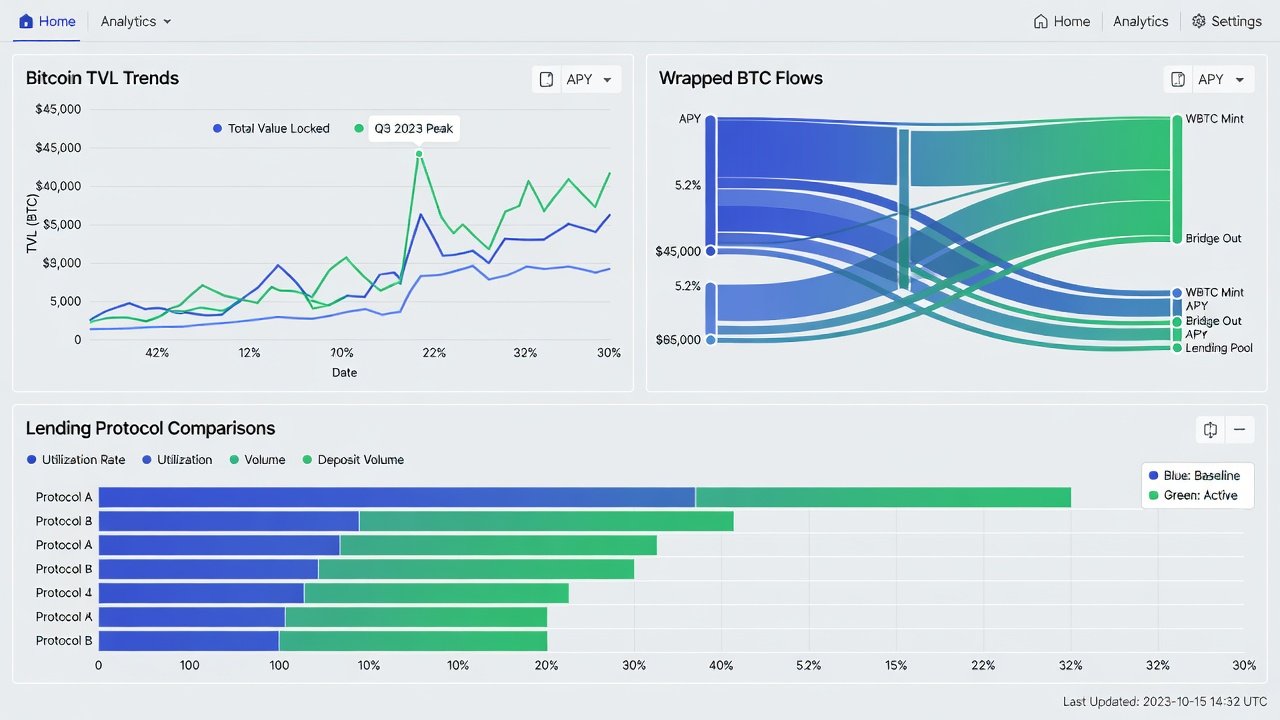
Sentiment analysis incorporates metrics such as funding rates on perpetual futures and social volume spikes around Bitcoin-related DeFi announcements. This combined approach helps anticipate shifts in demand for wrapped BTC products and adjust strategies accordingly.
Practical On-Chain Tools and Case Studies
Advanced traders rely on analytics platforms that track wallet movements and protocol interactions in real time. Case studies from 2026 illustrate how early adopters used layered positions across lending and liquidity pools to generate consistent returns while hedging against downside scenarios. These examples highlight the importance of maintaining flexible exit plans and regularly auditing smart contract approvals.
Resources like Dune Analytics enable custom queries that surface Bitcoin-specific DeFi activity, supporting deeper research into user behavior and capital flows.
Common Pitfalls and How to Avoid Them
- Over-leveraging without monitoring liquidation prices, which can lead to rapid position closures during brief volatility events.
- Ignoring bridge risks when moving assets across chains, potentially resulting in temporary or permanent loss of access.
- Relying solely on advertised APYs without stress-testing scenarios against multiple market conditions.
- Neglecting governance risks that could alter protocol parameters mid-position.
FAQ: Security, Fees, and Trader Concerns
How secure are wrapped BTC assets in DeFi?
Security depends on the wrapping mechanism and protocol audits. Multi-signature setups and decentralized validators reduce single points of failure compared to centralized custodians. Regular third-party reviews further strengthen confidence in these systems.
What fees should traders expect?
Fees vary by chain and protocol but typically include network gas costs plus protocol-specific charges for lending or swapping. Always review the latest fee schedules directly on the platform to understand total cost implications.
Can on-chain data improve decision making?
Yes. Metrics such as TVL trends, wallet concentration, and transaction velocity help validate sentiment signals and identify potential reversals before they fully materialize in price action.
Additional authoritative resources are available at Bitcoin.org and Chainalysis.
Conclusion
Bitcoin DeFi integration in 2026 rewards traders who combine rigorous analysis with disciplined execution. By focusing on TVL metrics, risk frameworks, and step-by-step implementation, participants can capture yield while managing downside exposure effectively. Continuous education and adaptation remain essential as the ecosystem continues to mature.


No comments yet. Be the first!