 CryptoChain Blog
Introduction to Institutional Bitcoin Adoption in 2026
Institutional investors have continued to shape Bitcoin's trajectory through 2026, with metrics revealing deeper integration into corporate strategies and financial products. This deep dive examines key indicators such as corporate treasury allocations, fund inflows, and wallet concentration patterns to provide traders and analysts with data-driven insights. As Bitcoin matures as an asset class, these metrics offer a window into how large-scale players influence liquidity, volatility, and long-term price discovery. Understanding these trends helps identify potential market movements and long-term shifts in Bitcoin's ecosystem. The year 2026 marked a period of stabilization following earlier volatility, where institutions refined their approaches to allocation, custody, and risk management. Monitoring these developments requires both on-chain analysis and traditional financial reporting review, creating a comprehensive picture for informed decision-making.
Corporate Treasury Allocations
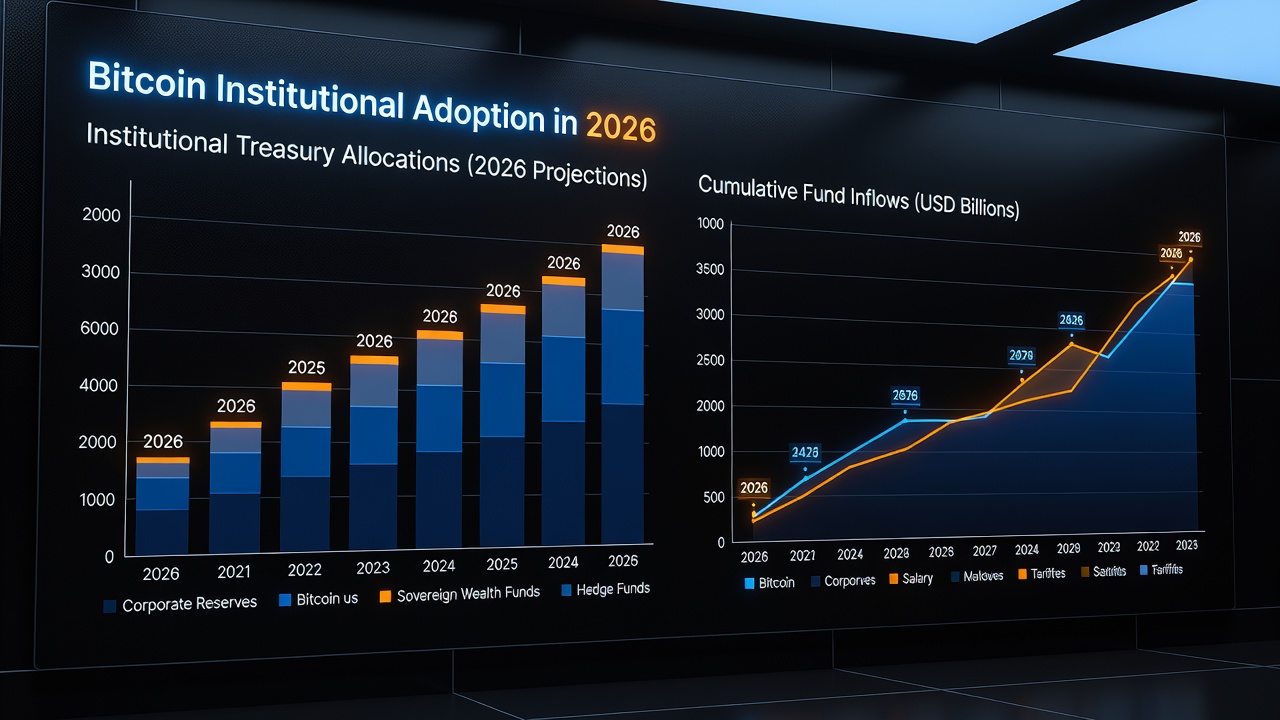
Corporations allocating Bitcoin to balance sheets represent a core metric of institutional confidence. In 2026, this trend expanded across sectors including technology, finance, and manufacturing, with companies viewing BTC as a hedge against inflation and currency volatility. Analysts track announcements via regulatory filings and corporate reports to gauge allocation sizes and frequency. Patterns include diversified holdings strategies and integration with treasury management software. These allocations often correlate with broader macroeconomic conditions, offering early signals of sustained demand. For example, firms have begun implementing percentage-based allocation policies tied to quarterly earnings, allowing for systematic accumulation rather than one-time purchases. This approach reduces timing risk and demonstrates a shift toward treating Bitcoin as a permanent treasury asset rather than a speculative bet.
Fund Inflows and Product Performance
Bitcoin-focused funds and ETFs saw notable inflows throughout 2026, reflecting institutional appetite through accessible vehicles. Tracking daily and weekly net flows provides visibility into sentiment among asset managers and pension funds. Workflows for monitoring involve aggregating data from multiple exchanges and fund providers. This helps distinguish between retail-driven spikes and larger institutional commitments. Performance metrics also include tracking premium or discount levels in closed-end products and comparing expense ratios across providers. Institutions increasingly favor products with robust custody solutions and transparent reporting standards, which in turn drives competition among issuers to improve operational safeguards.
Wallet Concentration Patterns
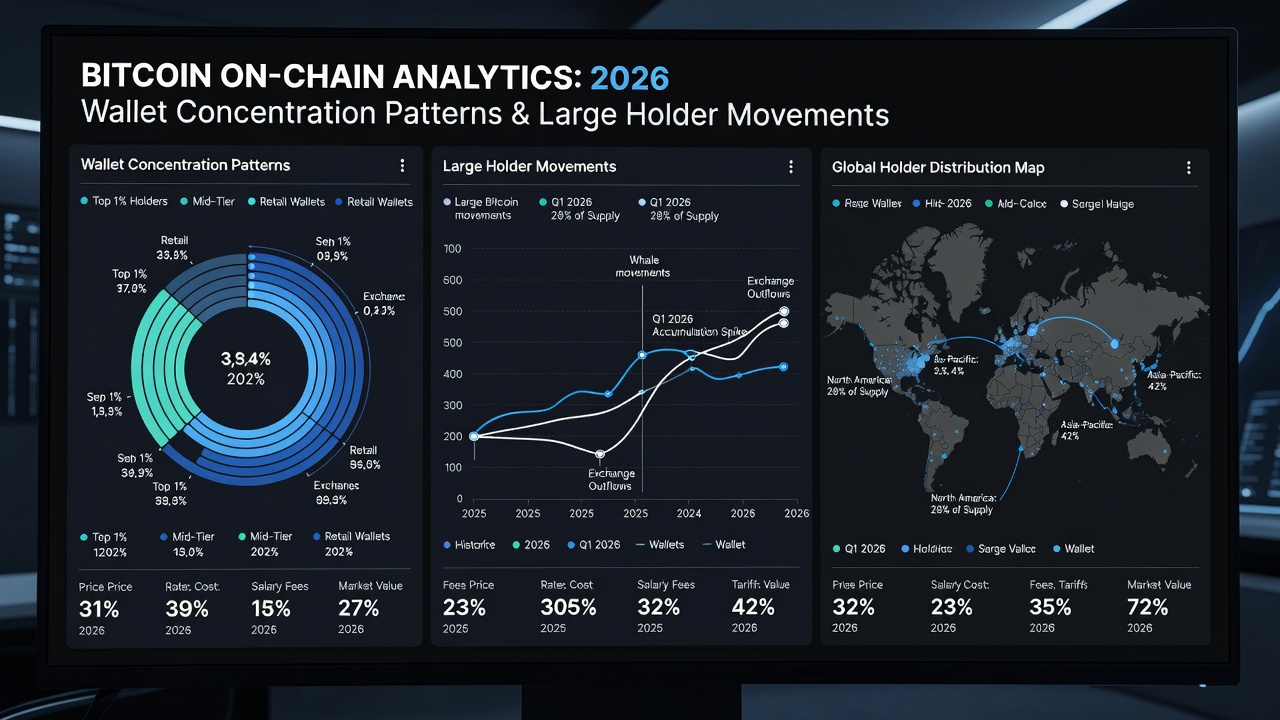
Analyzing on-chain wallet data reveals concentration among large holders, often referred to as whales. In 2026, patterns showed gradual dispersion alongside new accumulation phases by institutions. Tools like blockchain explorers allow users to categorize wallets by size and activity. Sudden movements from concentrated addresses can precede price volatility, making this metric essential for risk assessment. Advanced techniques involve clustering addresses controlled by the same entity using heuristics such as common spending or change address detection. This provides a clearer view of true institutional holdings versus exchange cold wallets.
Monitoring Techniques for Large Holders
Effective tracking starts with establishing baselines using public blockchain data. Step-by-step workflows include: identifying major wallet clusters through clustering algorithms; setting alerts for transactions exceeding threshold amounts; cross-referencing with exchange deposit patterns; reviewing quarterly reports from publicly traded entities; and incorporating sentiment analysis from regulatory filings. Combining these with off-chain news sources enhances accuracy and reduces false signals. Traders often maintain custom scripts that pull data from multiple APIs to create unified dashboards, allowing real-time visualization of whale activity alongside price charts.
Correlation with Price Movements
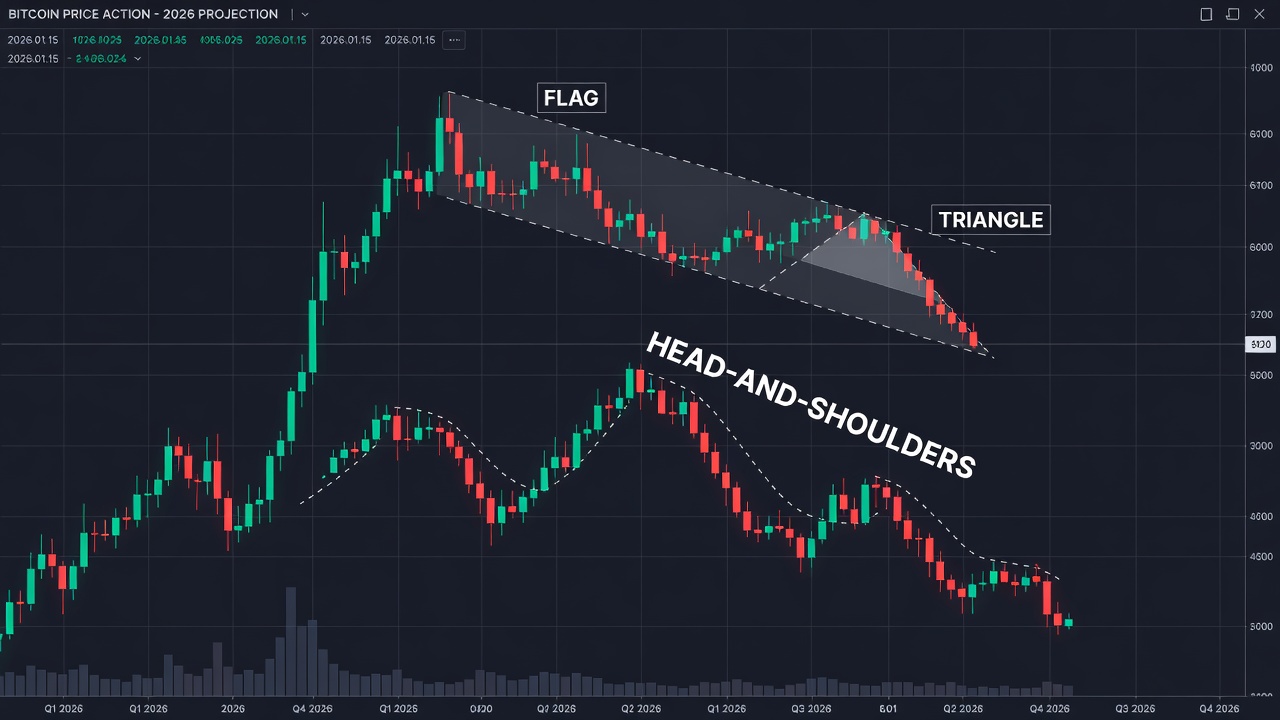
Historical data from 2026 illustrates how institutional metrics align with Bitcoin price action. Strong inflows often precede rallies, while concentrated selling can trigger corrections. Analysts use regression models to quantify these relationships and refine trading strategies. Regional differences further influence outcomes, with North American and European institutions showing distinct timing compared to Asian counterparts. Correlation studies also examine lag effects, where treasury announcements may impact prices days or weeks later depending on execution speed and market liquidity conditions at the time.
Regional Adoption Differences
Adoption varies significantly by geography due to regulatory environments. North America led in ETF inflows, while Europe emphasized custody solutions and compliance frameworks. Asia-Pacific regions focused on corporate treasury experiments amid evolving policies. Latin American countries showed interest in Bitcoin for cross-border payments, whereas Middle Eastern sovereign entities explored strategic reserves. Comparing these allows global investors to anticipate cross-border capital flows and adjust portfolios accordingly. Regulatory clarity in one region can accelerate adoption elsewhere through demonstration effects.
2026 Case Examples
Several firms demonstrated sophisticated approaches, such as integrating Bitcoin into multi-asset treasury frameworks with dynamic rebalancing rules. One technology company updated its policy to allocate a fixed percentage of free cash flow monthly, publishing detailed risk disclosures. A European financial services firm partnered with specialized custodians to offer Bitcoin-backed lending products to institutional clients. These examples highlight best practices in risk management and reporting transparency that others can emulate.
Practical Workflows for Tracking Indicators
Build a repeatable process: start with daily on-chain scans using free explorers, incorporate weekly fund reports from major issuers, and review monthly corporate disclosures. Automate alerts where possible and maintain a dashboard for quick visualization. Advanced users integrate machine learning models to flag anomalous wallet behavior. Documentation of each data source and its limitations ensures consistent interpretation over time.
Challenges and Limitations
Despite the wealth of available data, challenges remain. On-chain analysis can be obfuscated by mixing services or institutional use of multiple custodians. Regulatory filings may lag behind actual transactions. Cross-border differences in reporting standards complicate global comparisons. Analysts must exercise caution when drawing conclusions from incomplete datasets and always seek corroborating evidence from multiple sources.
Common Interpretation Questions: FAQ
- How reliable are wallet concentration signals? They provide directional clues but require confirmation from multiple data points to avoid misinterpretation.
- Do regional differences affect global prices? Yes, synchronized adoption across regions amplifies impact while divergent policies can create temporary arbitrage opportunities.
- What tools are recommended for beginners? Free explorers combined with public fund disclosures offer a solid starting point before advancing to paid analytics platforms.
- How often should metrics be reviewed? Daily monitoring suits active traders, while weekly or monthly reviews suffice for longer-term strategic allocation decisions.
- Can these metrics predict short-term price moves? They offer probabilistic insights rather than guarantees, best used alongside technical and macroeconomic analysis.
In conclusion, 2026 institutional metrics underscore Bitcoin's evolving role in finance. By applying structured monitoring, traders gain actionable intelligence for navigating this dynamic landscape. For further reference, explore resources at Bitcoin.org, SEC.gov, FederalReserve.gov, and BIS.org.
No comments yet. Be the first!