 CryptoChain Blog
Introduction to Bitcoin Merchant Payments in 2026
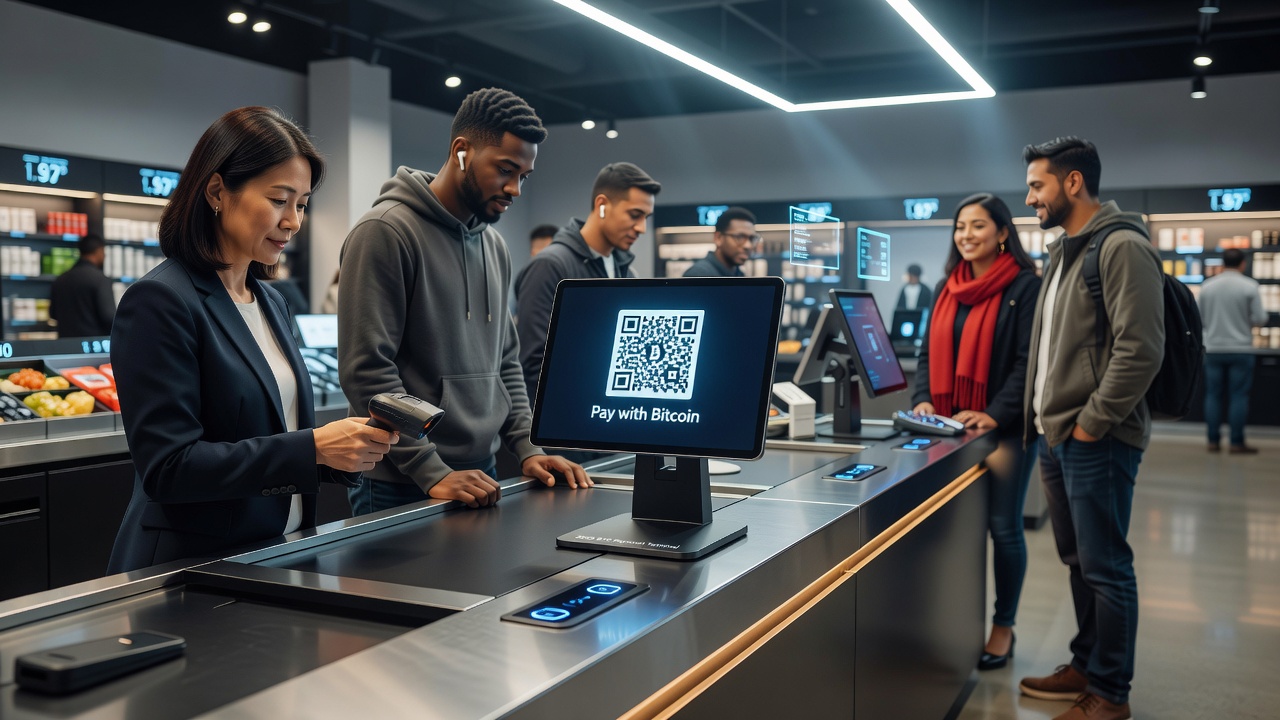
Bitcoin continues to gain traction as a viable payment option for merchants worldwide in 2026. This article explores real-world adoption metrics, barriers to entry, and strategic considerations for businesses evaluating BTC payments. As transaction volumes through processors grow, understanding these dynamics helps retailers stay competitive in an increasingly digital economy. Merchants across sectors from retail to hospitality are examining how Bitcoin can complement existing payment methods, offering customers more choice while potentially reducing processing costs over time. The shift reflects broader changes in consumer behavior, with younger demographics showing particular interest in cryptocurrency options at checkout.
Key Adoption Metrics and Transaction Volumes
Payment processors report steady increases in Bitcoin transaction volumes throughout 2026. Merchants benefit from faster settlement times compared to traditional rails, though exact figures fluctuate with market conditions. Data from major processors indicates growing merchant onboarding, particularly among small and medium enterprises seeking alternatives to high-fee card networks. Regional data shows stronger uptake in North America and parts of Europe, driven by clearer regulatory frameworks that provide businesses with greater confidence when accepting digital assets. These metrics highlight not just volume growth but also repeat usage patterns among customers who prefer the borderless nature of Bitcoin for both domestic and international purchases.
Regional Differences in Bitcoin Payment Usage
Adoption varies significantly by geography. In Asia-Pacific markets, integration often focuses on e-commerce platforms where digital wallets integrate seamlessly with popular shopping apps. Latin American retailers leverage Bitcoin for cross-border stability amid local currency fluctuations, allowing businesses to maintain pricing consistency. European merchants emphasize compliance with evolving EU standards, creating a patchwork of acceptance rates that differ between countries like Germany and France. In Africa, mobile-first strategies have accelerated adoption in regions with limited traditional banking infrastructure, demonstrating how Bitcoin serves as an inclusive payment rail in emerging economies.
Integration Challenges with Existing Systems
Many businesses face hurdles when connecting Bitcoin gateways to legacy POS and accounting software. API compatibility, staff training, and real-time volatility monitoring require dedicated resources. Successful implementations often involve third-party processors that abstract technical complexities and provide user-friendly dashboards. For example, a mid-sized electronics retailer in California encountered initial sync issues between its inventory system and the Bitcoin processor but resolved them through custom middleware developed in partnership with the provider. These challenges underscore the importance of thorough due diligence before full deployment, including testing for transaction reconciliation accuracy and customer receipt generation.
Bitcoin vs Traditional Payment Rails: A Comparison
Traditional credit card networks offer widespread familiarity but charge higher fees and slower settlements. Bitcoin provides near-instant confirmation in many cases and lower costs for international transfers. However, it demands new risk management approaches absent in fiat systems, such as ongoing education for finance teams on blockchain confirmations. Merchants frequently note that while card payments benefit from established chargeback protections, Bitcoin transactions are irreversible, shifting the focus toward robust verification processes at the point of sale.
Case Studies from Major Retailers
Large chains like those in electronics and travel have piloted Bitcoin acceptance with mixed results. One prominent example involves a global retailer reporting improved customer acquisition in crypto-friendly demographics after integration. Another case from a European travel booking platform showed increased conversion rates among international customers using Bitcoin for seamless cross-currency payments. These cases highlight both opportunities and the need for robust hedging, as well as the value of phased rollouts that begin with online channels before expanding to physical stores. A North American coffee chain further demonstrated success by combining Bitcoin payments with loyalty rewards, resulting in higher average order values from tech-savvy patrons.
Volatility Hedging Strategies for Merchants
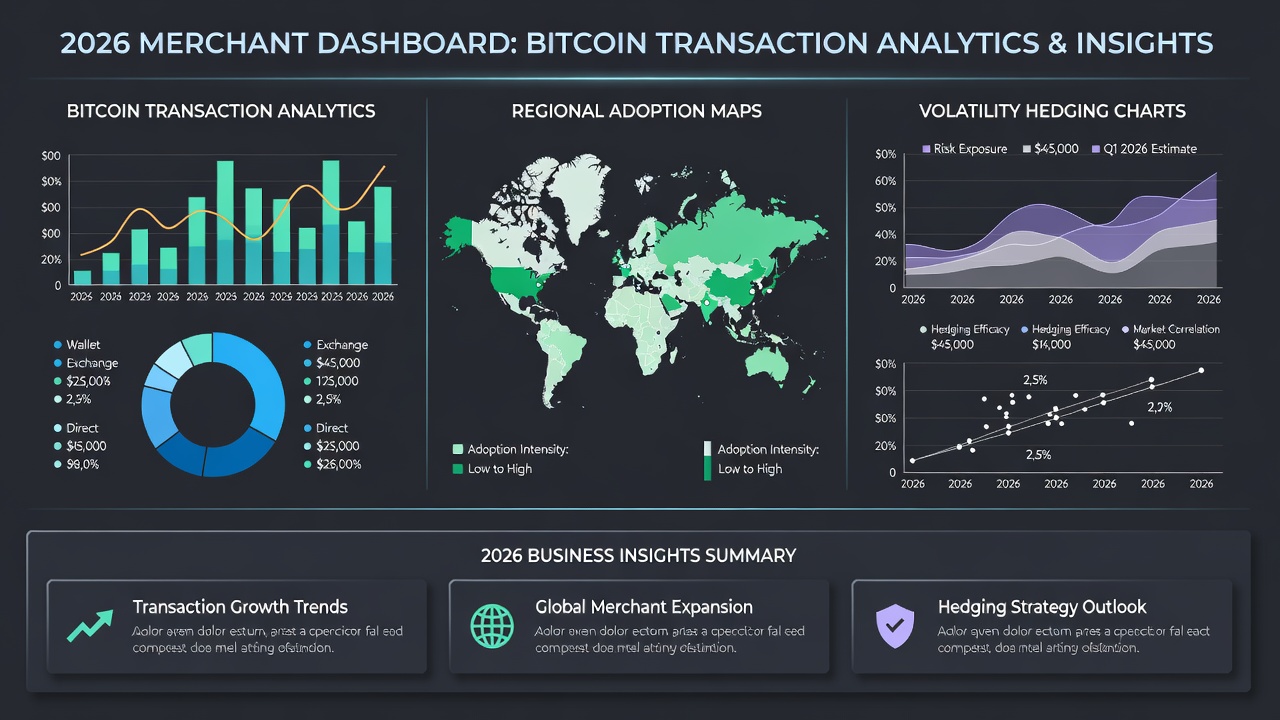
Merchants mitigate price swings through immediate conversion to stable assets or options contracts. Automated tools allow instant fiat settlement upon receipt of Bitcoin, preserving revenue predictability. Regular audits of hedging policies ensure alignment with business goals. Practical approaches include setting daily conversion thresholds, using multi-signature wallets for added security during transfers, and partnering with processors that offer built-in stablecoin conversion features. Businesses that implement these strategies often report smoother cash flow management, enabling them to focus on core operations rather than constant market monitoring.
Regulatory Considerations in 2026
Compliance remains critical as governments refine crypto rules. Businesses must track reporting requirements for transactions above certain thresholds. Consulting legal experts familiar with local jurisdictions helps avoid pitfalls. Authoritative guidance is available from IRS.gov on tax treatment and from SEC.gov on securities aspects. Additional insights can be found through resources at Bitcoin.org, which provides foundational explanations of network protocols relevant to merchant operations.
Step-by-Step Checklist for Evaluating BTC Payments
Before committing resources, businesses should follow a structured evaluation process to minimize risks and maximize potential benefits.
- Assess customer demand through surveys and competitor analysis to identify whether Bitcoin aligns with target demographics.
- Review processor options for fees, security certifications, and integration ease with current accounting tools.
- Evaluate volatility tools and hedging partners that offer real-time conversion capabilities.
- Train staff on transaction handling, customer education, and basic troubleshooting for common wallet issues.
- Implement security protocols including wallet management, multi-signature setups, and regular penetration testing.
- Monitor regulatory updates and consult professionals for jurisdiction-specific compliance requirements.
- Test the system with low-volume pilots before full rollout across all channels.
- Measure performance metrics quarterly and adjust strategies based on transaction data and customer feedback.
FAQ: Tax Implications and Security Best Practices
What are the tax implications of accepting Bitcoin?
Merchants typically treat Bitcoin as property, requiring records of fair market value at receipt for accurate reporting. Resources from IRS.gov provide detailed filing guidance. Always maintain detailed transaction logs that include timestamps and exchange rates at the moment of each sale.
How can businesses secure Bitcoin payments?
Use hardware wallets, enable two-factor authentication, and partner with insured custodians. Regular security audits and employee training reduce risks of theft or errors. Avoid storing large balances on hot wallets connected to the internet, and consider insurance policies specifically tailored for digital asset holdings.
What common mistakes should merchants avoid?
Many businesses overlook the need for ongoing staff education or fail to test reconciliation processes thoroughly before launch. Another frequent error involves neglecting to update hedging strategies as market conditions evolve, which can lead to unexpected revenue volatility.
Conclusion
Bitcoin payment adoption in 2026 presents meaningful opportunities alongside manageable challenges. By following structured evaluation processes and leveraging established resources, merchants can position themselves for success in this evolving landscape while building resilient payment infrastructures for the future.
No comments yet. Be the first!