 CryptoChain Blog
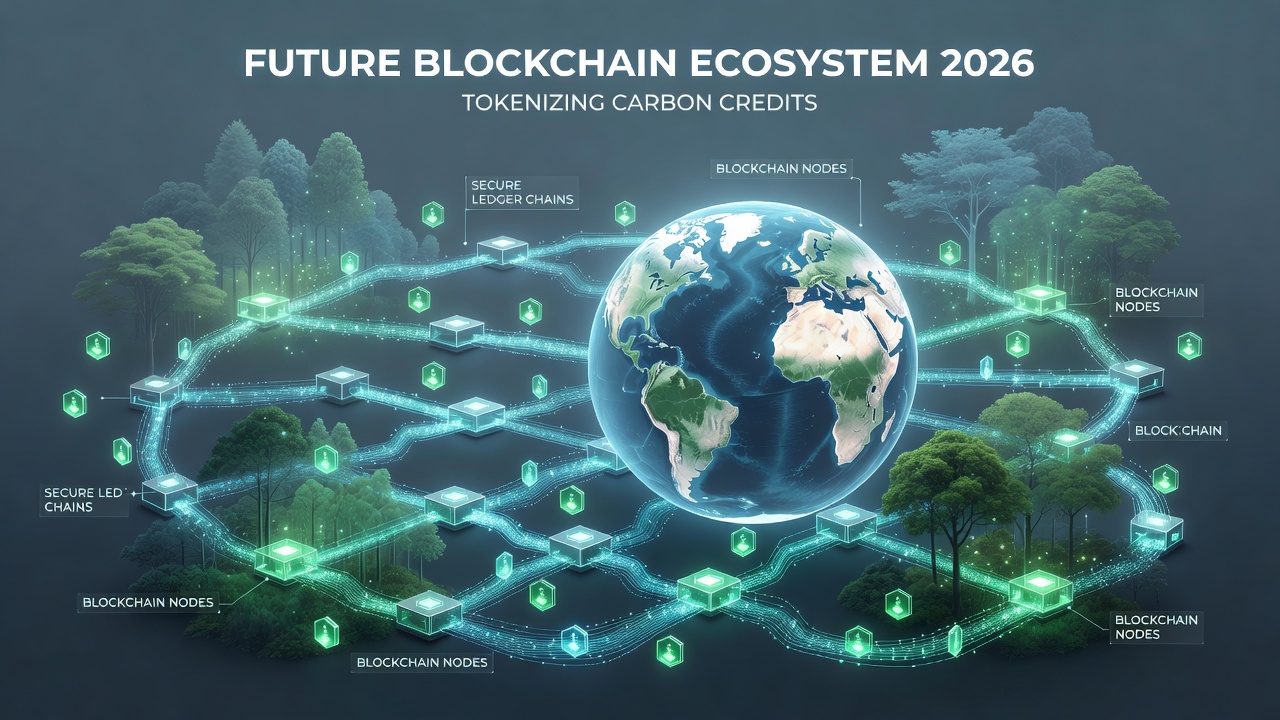
Introduction to Carbon Credit Tokenization in 2026
Carbon credit tokenization represents a transformative intersection of blockchain technology and environmental finance. In 2026, this sector continues to evolve rapidly, offering crypto investors new avenues for sustainable asset allocation. Tokenization converts traditional carbon credits into digital tokens on blockchain networks, enhancing transparency, traceability, and accessibility. This process allows each carbon credit, which represents one metric ton of carbon dioxide reduced or removed from the atmosphere, to be represented as a unique, immutable token. Readers seeking actionable crypto news will find this overview particularly valuable, as it details real-world projects and metrics shaping the market. The process leverages distributed ledger technology to represent each credit as a unique, verifiable token, reducing fraud risks common in legacy systems. Beyond basic conversion, tokenization enables fractional ownership, making high-value environmental assets accessible to smaller investors who previously faced barriers in traditional markets.
Global demand for verified carbon offsets has surged as corporations and governments pursue aggressive net-zero commitments. Blockchain solutions address longstanding issues such as double-counting and lack of transparency by providing an auditable trail from issuance to retirement. This introduction sets the stage for exploring how 2026 developments are accelerating adoption across both crypto-native communities and mainstream finance.
Major Platform Launches and Market Growth
Several platforms have launched or expanded in 2026, driving significant adoption. Projects like Toucan Protocol and KlimaDAO have integrated with emerging Layer-2 solutions to scale operations. Market growth has been fueled by increased corporate demand for verified offsets, with token volumes reflecting broader interest in green finance. Real-world examples include partnerships between blockchain firms and forestry initiatives in Southeast Asia, where tokenized credits from reforestation projects demonstrate measurable impact. These developments align with global efforts to meet net-zero targets. Additional platforms such as Regen Network have introduced new token standards focused on biodiversity credits alongside carbon, creating hybrid environmental assets. Growth metrics indicate expanding participation from institutional players, including asset managers integrating tokenized credits into ESG portfolios. The result is a more liquid and interconnected market that bridges traditional environmental markets with decentralized finance ecosystems.
Regulatory Alignments and Compliance
Regulatory frameworks have matured in 2026, with alignments between blockchain standards and international climate agreements. Bodies such as the United Nations Framework Convention on Climate Change have influenced protocols for token issuance. Jurisdictions in Europe and North America now recognize certain tokenized credits under emissions trading schemes, providing legal clarity for participants. This regulatory progress reduces barriers for institutional investors while emphasizing the need for robust auditing. Compliance requirements often mandate that platforms implement know-your-customer procedures and align with emerging digital asset regulations. In practice, successful projects now publish regular transparency reports detailing credit provenance and retirement events. Investors benefit from reduced legal uncertainty, though they must still navigate varying rules across borders when trading or holding these tokens.
Verification Standards for Tokenized Credits
Verification remains critical to maintaining integrity. Leading standards include Verra and Gold Standard, adapted for on-chain use through third-party oracles and decentralized audits. These ensure credits meet additionality and permanence criteria before tokenization. Investors should prioritize platforms using multi-layered verification to avoid low-quality assets. In practice, this involves smart contracts that lock tokens until independent validators confirm environmental outcomes. Additional layers may incorporate satellite imagery analysis, on-site drone inspections, and community reporting mechanisms. Examples from 2026 show successful projects in the Amazon basin using these methods to verify avoided deforestation credits. Poor verification can lead to token devaluation or regulatory scrutiny, making this a key due diligence area for any participant.
Liquidity Improvements and Trading Mechanisms
Liquidity has improved markedly through automated market makers and cross-chain bridges. Tokenized credits now trade on decentralized exchanges with tighter spreads compared to prior years. This facilitates easier entry and exit for holders. Enhanced liquidity supports price discovery, making the market more efficient for both retail and institutional players. New mechanisms include concentrated liquidity pools tailored to seasonal credit vintages and oracle-fed pricing that reflects real-world supply and demand. Practical examples demonstrate how traders can move tokens between Ethereum and Polygon networks with minimal slippage. These improvements reduce the friction that once limited participation in carbon markets.
Integration with DeFi Protocols
DeFi integrations allow tokenized carbon credits to serve as collateral in lending protocols or yield-generating instruments. For instance, users can stake tokens in liquidity pools to earn rewards while supporting climate projects. This synergy expands utility beyond simple offsetting, creating composable financial products. Platforms combining carbon tokens with stablecoins offer predictable returns tied to verified environmental impact. " alt="DeFi integration diagram showing carbon credit tokens in blockchain ecosystem">
Further examples include using tokenized credits in decentralized insurance products that protect against project failure risks. Yield farming strategies now incorporate carbon-backed tokens to diversify portfolios while advancing sustainability goals. These integrations require careful evaluation of smart contract risks and protocol governance.
Comparison of Leading Solutions
| Platform | Key Features | Blockchain | Strengths |
|---|---|---|---|
| Toucan Protocol | Base carbon tokens, retirement functions | Polygon | High transparency, broad credit variety |
| KlimaDAO | Staking and bonding mechanics | Polygon | Community governance, yield opportunities |
| Flowcarbon | Enterprise-grade verification | Ethereum | Strong compliance focus |
| Regen Network | Biodiversity and carbon hybrids | Cosmos | Ecological data integration |
Step-by-Step Guidance for Investors
- Research verification standards and select reputable platforms.
- Evaluate token liquidity on decentralized exchanges.
- Assess integration potential with DeFi for additional yields.
- Monitor regulatory updates from sources like the World Bank.
- Start with small positions and diversify across multiple projects.
- Use wallets supporting the relevant blockchain networks.
- Review on-chain retirement data before committing capital.
- Consider tax implications and consult local advisors.
Mistakes to Avoid When Evaluating Opportunities
Common pitfalls include overlooking verification quality, ignoring smart contract audit reports, and chasing high yields without understanding underlying credit vintages. Investors should avoid platforms lacking transparent governance and always cross-reference on-chain data with independent environmental reports. Another frequent error is neglecting cross-chain compatibility, which can limit future trading options.
FAQs on Risks and Future Projections
What are the main risks in carbon credit tokenization?
Key risks include verification failures, regulatory shifts, and market volatility. Always conduct due diligence on underlying projects and review smart contract security audits.
How might the market evolve by 2027?
Projections indicate further mainstream adoption as DeFi matures and more corporations seek tokenized offsets for ESG reporting. Integration with emerging carbon markets in Asia is expected to drive additional volume.
Are there tax implications?
Tax treatment varies by jurisdiction; consult professionals regarding capital gains on tokenized asset trades and potential environmental incentive credits.
How do I verify a token's environmental impact?
Check retirement transactions on the blockchain explorer and review linked verification documents from standards bodies such as Verra.
Conclusion
Carbon credit tokenization in 2026 offers compelling opportunities within blockchain and crypto ecosystems. By understanding platforms, regulations, and DeFi synergies, investors can participate meaningfully while contributing to global sustainability goals. Continued innovation promises even greater accessibility and impact in coming years. Thorough research and prudent risk management remain essential for long-term success in this evolving space.

No comments yet. Be the first!