 CryptoChain Blog

Introduction to Decentralized Prediction Markets in 2026
The blockchain space continues to evolve rapidly, with decentralized prediction markets emerging as a standout development in 2026 crypto news. These platforms allow users to bet on real-world outcomes using cryptocurrency, leveraging smart contracts for transparency and trustlessness. Unlike traditional betting, they operate without centralized intermediaries, drawing attention amid growing interest in cryptocurrency news. The surge this year reflects broader adoption of blockchain technology, with prediction markets serving as powerful tools for aggregating collective intelligence on uncertain events. For instance, markets on political outcomes have seen increased trading activity as global elections unfold, providing data-driven insights that often surpass conventional polling methods.
As adoption grows, platforms like Polymarket and new competitors are reshaping how people engage with events in elections, sports, and finance. This article delves into market mechanics, liquidity trends, regulatory shifts, and integration with AI oracles, providing practical insights for participants. By examining real-world applications and potential pitfalls, readers can better understand how these markets function within the evolving cryptocurrency landscape.
How Decentralized Prediction Markets Work
At their core, these markets function through tokenized shares representing yes or no outcomes. Users buy shares priced between 0 and 1, reflecting the market's probability of an event occurring. When the outcome resolves, shares pay out at 1 or 0. This mechanism creates an efficient price discovery system where informed traders can profit from accurate forecasts while incorrect bets lose value over time. Smart contracts automate resolution and payouts, often using data from oracles. Liquidity providers earn fees by supplying capital to trading pools, fostering deeper markets. In 2026, enhanced scalability solutions have reduced transaction costs, boosting participation across multiple chains.
Consider a practical example: a market on whether a specific sports team wins a championship. Traders buy yes shares if they believe the probability exceeds the current price, or sell if they anticipate a reversal. This continuous trading allows positions to be adjusted dynamically before resolution, unlike fixed-odds traditional betting.
Key Platforms and Emerging Competitors
Polymarket remains a leader, known for high-volume election markets. New entrants focus on niche areas like sports and DeFi events, offering improved user interfaces and cross-chain compatibility. These platforms emphasize community governance, allowing token holders to influence fee structures and market creation rules. Emerging competitors often differentiate through specialized features such as mobile-first designs or integration with decentralized identity solutions for enhanced user verification.
Comparisons to traditional betting highlight lower barriers to entry and global accessibility, though decentralized versions introduce unique risks like smart contract vulnerabilities. Participants benefit from permissionless access but must navigate wallet management and on-chain fees independently.
Regulatory Shifts Impacting the Sector
Regulatory clarity has advanced in several jurisdictions by 2026, with frameworks distinguishing prediction markets from gambling. Authorities are examining compliance with securities laws, prompting platforms to implement KYC options in certain regions. For authoritative guidance, refer to official U.S. regulatory resources. In Europe and Asia, similar developments include sandbox programs that allow testing of compliant market structures while protecting users from fraud.
These changes aim to balance innovation with consumer protection, influencing market design and user onboarding processes. Platforms adapting early by incorporating transparent reporting mechanisms have gained trust and sustained higher trading volumes.
Integration with AI Oracles
AI oracles represent a major innovation, providing real-time data feeds for faster and more accurate market resolutions. They combine machine learning with blockchain oracles to verify events like sports results or financial metrics, reducing disputes. This technology processes vast datasets from multiple sources to confirm outcomes with high confidence levels, minimizing human error in resolution.
Benefits include quicker settlements and support for more granular markets, such as intra-game predictions in sports. However, challenges remain around oracle manipulation risks, which developers address through redundancy and cryptographic verification. This integration enhances reliability in fast-moving categories, supporting the growth of complex, multi-outcome markets.
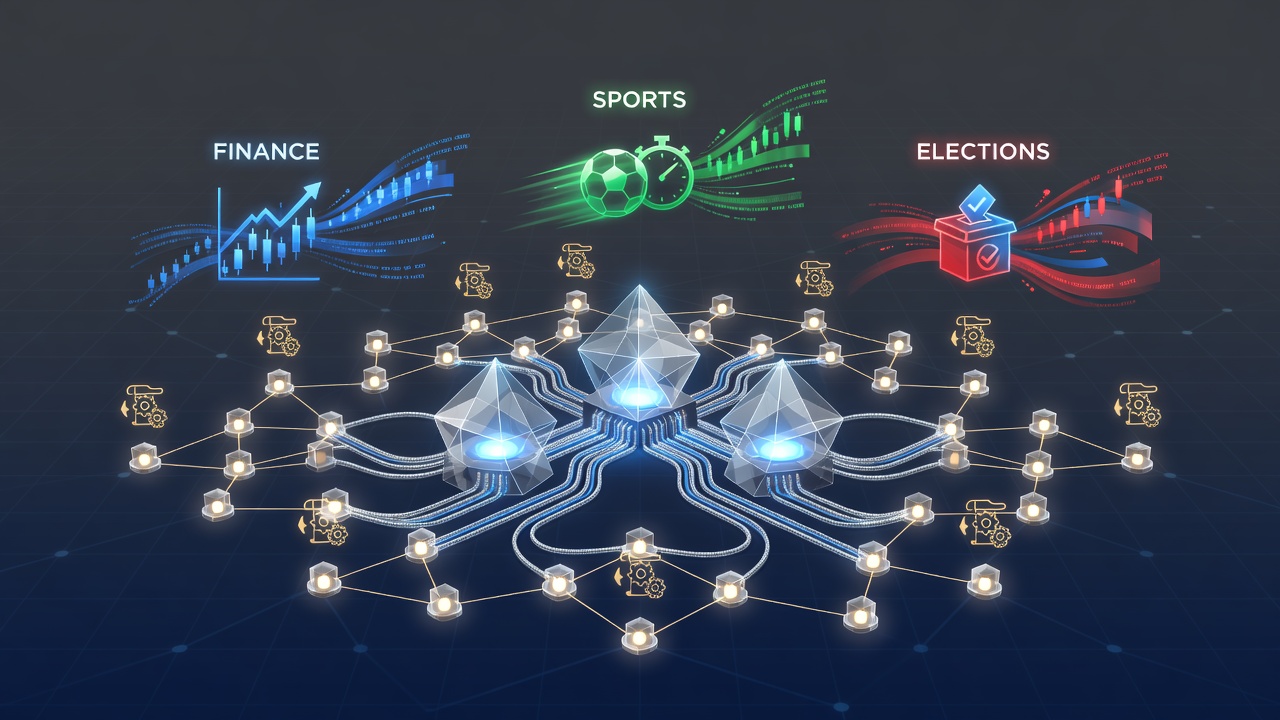
Real-World Use Cases in Elections, Sports, and Finance
In elections, prediction markets offer crowd-sourced forecasts that often outperform traditional polls. Traders bet on candidate win probabilities, seat distributions, or policy impacts, creating valuable sentiment indicators. Sports betting sees volume in major leagues, with users trading shares on game outcomes, player statistics, or season totals. Finance applications include forecasting interest rate changes or token launches, allowing hedgers to manage exposure to volatile assets.
Additional examples include markets on weather events for insurance purposes or product launch success in tech sectors. These use cases demonstrate the markets' versatility, providing hedging tools and information aggregation beyond entertainment. By 2026, integration with DeFi protocols has enabled automated strategies where prediction market positions collateralize loans or yield farming activities.
Liquidity Trends and Market Dynamics
Liquidity has improved significantly due to institutional involvement and better incentives for providers. Deeper order books reduce slippage, making large trades more feasible. Trends show seasonal spikes around major events, with cross-chain bridges enabling seamless asset movement. Market makers now utilize advanced algorithms to maintain tight spreads, encouraging retail participation even during off-peak periods.
Overall dynamics favor platforms with strong community incentives, where liquidity mining rewards help bootstrap new markets quickly. This evolution supports sustained growth and attracts diverse trader profiles from casual users to professional analysts.
Risk Factors and Comparisons to Traditional Betting
Key risks include oracle failures, regulatory uncertainty, and volatility in underlying cryptocurrencies. Compared to traditional betting, decentralized markets offer censorship resistance but require users to manage wallet security and gas fees. Additional concerns involve impermanent loss for liquidity providers and potential front-running on public blockchains.
Participants should diversify positions and monitor platform audits to mitigate exposure. Education on these differences helps users transition safely from centralized betting sites to on-chain alternatives.
Step-by-Step Guide for Beginners to Participate Safely
- Research platforms and verify smart contract audits from reputable firms, reviewing recent security reports and community feedback.
- Set up a secure non-custodial wallet and acquire stablecoins for trading, ensuring seed phrases are stored offline in multiple secure locations.
- Start with small positions on familiar events to understand pricing dynamics, tracking how probabilities shift with new information.
- Use hardware wallets and enable two-factor authentication for account security, while avoiding public Wi-Fi for transactions.
- Track resolutions closely and withdraw winnings promptly to minimize on-platform risk, maintaining detailed records for tax reporting.
Always review terms and consider tax implications in your jurisdiction. Advanced users may explore limit orders and portfolio tracking tools to optimize strategies over time.
Expert Insights on Future Scalability
Industry experts anticipate further growth through layer-2 solutions and AI enhancements, potentially expanding market volumes. Scalability challenges around data availability are being addressed via new consensus mechanisms, positioning these markets as core blockchain infrastructure. Continued development could lead to broader integration with decentralized finance protocols, enabling novel products like prediction-based derivatives.
Long-term views suggest these platforms will mature into essential forecasting tools for businesses and governments alike, provided regulatory environments remain supportive.
FAQ on Security and Returns
Are decentralized prediction markets secure?
Security depends on audited contracts and oracle reliability. Users should avoid unverified platforms and practice wallet hygiene. For foundational blockchain concepts, explore Ethereum's official documentation.
What kind of returns can participants expect?
Returns vary based on market accuracy and timing. Skilled traders may achieve consistent gains through information advantages, though losses are common for uninformed participants. Risk management remains essential.
How are markets resolved fairly?
Resolution typically relies on multiple oracles or community voting, with dispute mechanisms for contested outcomes. Transparency in source data builds user confidence.
Can I participate from anywhere?
Access depends on local regulations; some regions restrict participation, requiring users to check compliance before engaging.
Conclusion
Decentralized prediction markets stand at the forefront of 2026 crypto news, blending blockchain innovation with real-world forecasting. By understanding mechanics, risks, and best practices, users can engage thoughtfully while contributing to more efficient information markets. As the ecosystem matures, these platforms promise greater utility across sectors, from personal entertainment to institutional risk management. Staying informed about technological and regulatory developments will help participants maximize opportunities in this dynamic space.


No comments yet. Be the first!