 CryptoChain Blog
2026 Blockchain News: Enterprise Adoption Case Studies
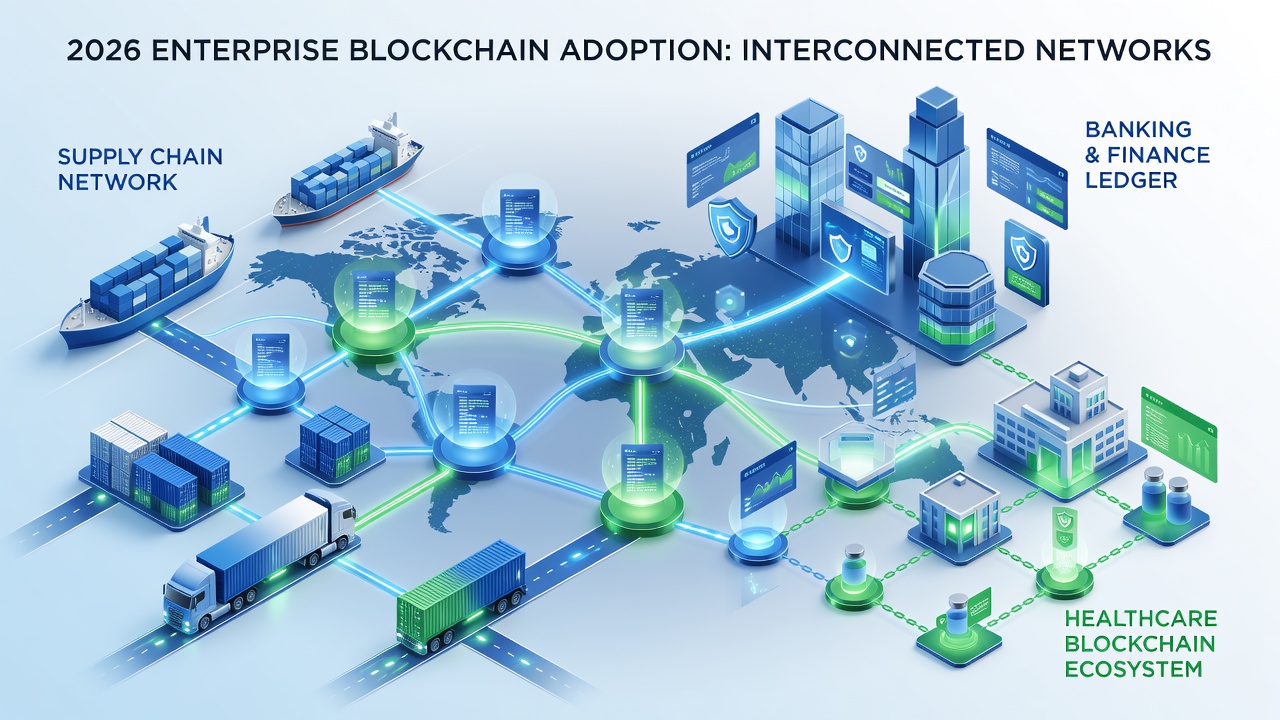
Enterprise blockchain adoption reached a significant milestone in 2026 as organizations moved from experimental pilots to full-scale production systems. Business leaders searching for practical blockchain news beyond consumer cryptocurrency trends now have concrete examples of integrations that improve transparency, reduce friction in multi-party processes, and deliver verifiable efficiency gains. This article explores three detailed case studies covering supply chain management at major retailers, cross-border payment solutions by banks, and data security enhancements in healthcare. Each example includes implementation details, measurable outcomes, and comparisons of return on investment.
Supply Chain Implementations at Major Retailers
Global retailers have turned to blockchain to solve persistent issues with traceability and supplier accountability. One leading international grocery chain implemented a permissioned blockchain network connecting over 12,000 suppliers across multiple continents. The system records each product movement, certification, and quality check as an immutable transaction. This replaced fragmented paper-based records and siloed databases that previously caused delays during audits or recalls.
Practical integration involved mapping existing ERP systems to the blockchain ledger using standardized APIs. Suppliers received training on uploading digital certificates for organic or fair-trade claims, which smart contracts automatically validated against predefined rules. The result was a dramatic reduction in the time needed to trace a product back to its origin, dropping from several days to mere seconds. Additional benefits included fewer disputes over delivery conditions and enhanced consumer confidence through optional QR-code scanning that revealed verified provenance data.
Challenges addressed during rollout included ensuring data privacy for competitive supplier information and achieving buy-in from smaller vendors unfamiliar with distributed ledger technology. The retailer phased the deployment by starting with high-risk categories such as fresh produce before expanding to packaged goods.
Cross-Border Payment Pilots by Banks
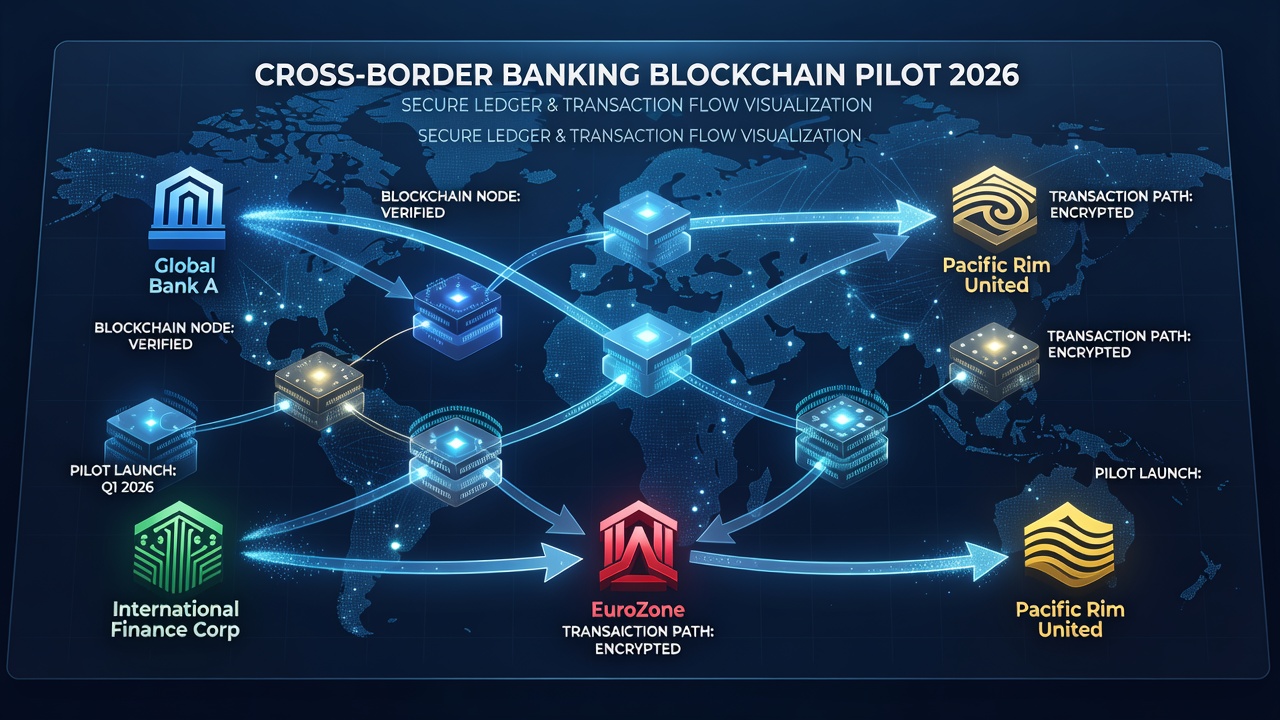
Financial institutions have long faced inefficiencies in international transfers due to intermediary banks and manual reconciliation. In 2026, a consortium of European and Asian banks advanced a production pilot on a shared blockchain platform designed for real-time settlement. The network supports atomic swaps that link payment instructions with compliance checks, allowing funds to move securely without the traditional multi-day delays.
Banks integrated the ledger with their existing SWIFT infrastructure and internal compliance engines. Each transaction carries encrypted metadata that regulators can audit without exposing full details to all participants. Early results showed settlement times reduced to under two hours for eligible corridors, along with fewer failed transfers caused by mismatched documentation. Liquidity management improved because treasurers could predict cash positions with greater accuracy.
The pilot also highlighted governance considerations, such as defining node operators and establishing dispute resolution protocols. Participants noted that starting with a limited set of currencies and gradually adding more helped maintain network stability while scaling.
Data Security Upgrades in Healthcare
Healthcare organizations face strict requirements for patient data protection while needing seamless information exchange across providers. A regional network of hospitals and clinics deployed a blockchain-based system to manage consent and access logs for electronic health records. Patient data remains encrypted at rest, but authorized parties can request verification through zero-knowledge proofs that confirm credentials without revealing underlying details.
The implementation connected legacy hospital information systems via middleware that translates records into standardized formats compatible with the ledger. This enabled secure sharing during emergencies or specialist referrals, reducing duplicate testing and improving care coordination. Audit capabilities allowed compliance teams to generate reports instantly for inspections, cutting administrative overhead significantly.
Key design choices included role-based access controls and regular smart contract audits to prevent unauthorized modifications. The network demonstrated resilience against ransomware threats because no single point held all decrypted records.
ROI Metrics and Efficiency Gains Comparison
Comparing the three deployments reveals patterns in value creation. The supply chain initiative achieved substantial reductions in recall investigation time and supplier onboarding duration, leading to streamlined operations across the entire ecosystem. The banking pilot delivered faster settlement cycles that freed up capital previously tied in transit, alongside lower operational costs from automated compliance. The healthcare project produced fewer redundant procedures and stronger regulatory readiness through immutable access histories.
Across all cases, common efficiency metrics included decreased manual reconciliation work, improved data accuracy, and faster decision-making. Success depended on selecting the right network type, investing in change management, and defining clear success criteria before launch. Organizations that treated blockchain as an incremental upgrade to existing processes rather than a complete replacement saw the smoothest transitions.
Actionable Takeaways for Business Leaders
Companies evaluating blockchain should follow a structured approach to maximize outcomes:
- Identify high-impact use cases where multiple parties share data and currently rely on intermediaries or manual processes. Conduct workshops with stakeholders to map pain points such as delays, errors, or compliance risks.
- Assess technical requirements including transaction volume, privacy needs, and integration points with current systems. Permissioned platforms often suit enterprise environments better than public networks.
- Engage experienced vendors and consortium partners early. Reference architectures from established providers can accelerate design while reducing implementation risks.
- Develop a phased rollout plan that begins with a controlled pilot, measures baseline metrics, and expands only after validating results. Include training programs for all users.
- Establish governance frameworks covering node participation, data standards, and upgrade procedures. Regular audits and performance monitoring help maintain trust among participants.
- Track both quantitative metrics like time savings and qualitative benefits such as improved partner relationships. Revisit goals quarterly to adjust strategy based on real-world performance.
Resources from organizations like Hyperledger offer open-source tools and best practices that many enterprises have leveraged successfully.
FAQ: Addressing Enterprise Concerns on Scalability and Compliance
How scalable are enterprise blockchain networks in 2026?
Modern permissioned platforms support thousands of transactions per second through optimized consensus algorithms and modular architectures. Organizations can add nodes incrementally while maintaining performance, as demonstrated in the banking and retail examples above.
What compliance measures are essential for regulated industries?
Successful deployments incorporate encryption, role-based permissions, and comprehensive logging. Aligning with standards from bodies such as the FDA ensures auditability without compromising operational speed.
Can blockchain integrate with existing legacy systems?
Yes, through middleware and APIs that translate between old databases and the new ledger. The healthcare and supply chain cases both relied on such hybrid approaches to avoid costly rip-and-replace strategies.
What are the main risks during implementation?
Common risks include underestimating change management needs and insufficient testing of smart contracts. Mitigation involves pilot programs, third-party audits, and clear escalation procedures for any anomalies detected.
How should companies measure long-term success?
Beyond initial efficiency gains, track ongoing metrics such as network uptime, participant satisfaction, and adaptability to new regulations. Continuous improvement cycles help sustain value over multiple years.
Enterprise blockchain projects in 2026 prove that thoughtful adoption can transform operations across industries. By studying these case studies and applying the outlined steps, business readers can identify opportunities suited to their own organizations and navigate the path from concept to production with greater confidence.


No comments yet. Be the first!