 CryptoChain Blog
Introduction to On-Chain Analytics in 2026
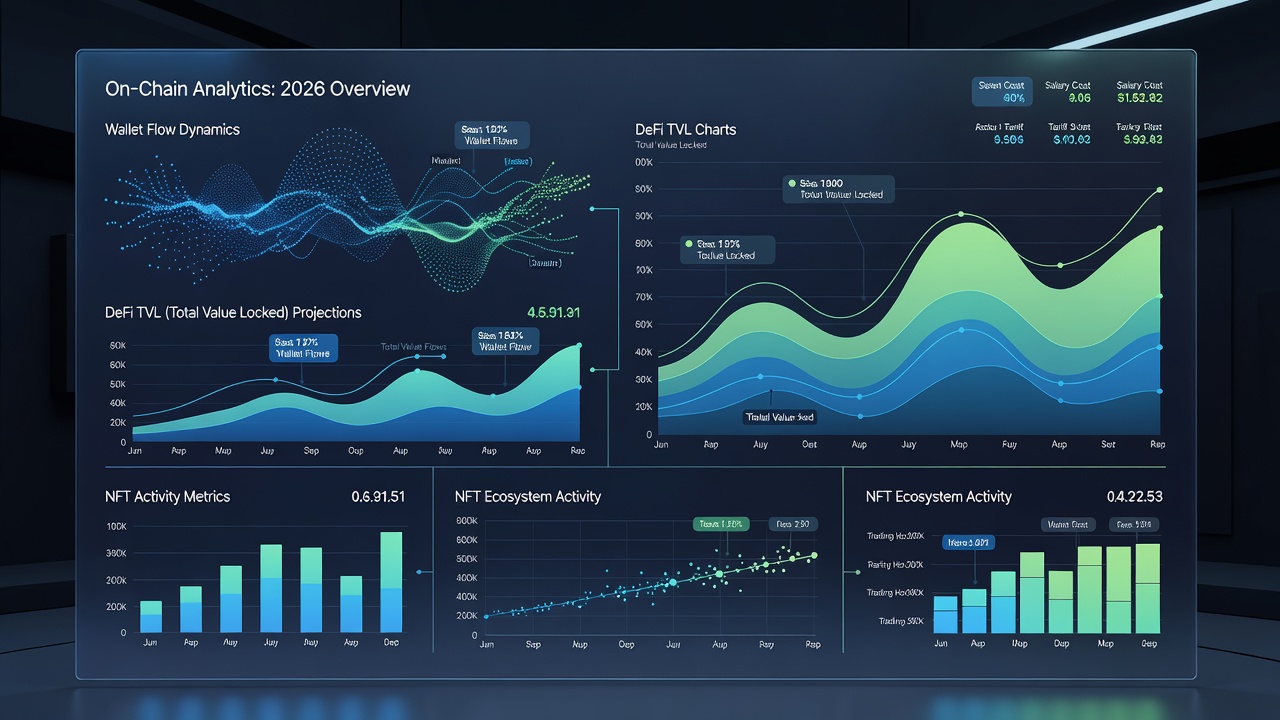
In the evolving landscape of cryptocurrency markets, on-chain analytics have become essential for investors seeking to decode real-time market movements. As of mid-2026, tools that analyze blockchain data provide predictive signals far beyond traditional price charts. This article compares updated versions of Dune Analytics, Nansen, and Arkham Intelligence, focusing on their utility for tracking wallet flows, DeFi total value locked (TVL) shifts, and NFT activity spikes. Investors increasingly rely on these platforms to gain an edge in fast-moving markets where off-chain sentiment alone often falls short. By examining raw transaction data, smart contract interactions, and token transfers, analysts can identify accumulation patterns, liquidity migrations, and emerging trends weeks before they appear in mainstream news. The 2026 updates to these tools include enhanced AI-driven labeling, real-time alerting systems, and deeper integration with Layer-2 networks, making them more powerful than ever for both retail traders and institutional desks.
Understanding these platforms helps both retail and institutional investors make informed trading decisions. We explore practical case studies from 2026, a side-by-side comparison, and step-by-step setup instructions that cover everything from basic onboarding to advanced alert configuration.
Why On-Chain Analytics Matter for Crypto Investors
Blockchain transparency offers unique insights into capital movements that traditional financial tools cannot match. Wallet flows reveal accumulation or distribution patterns by large holders, often signaling impending price shifts. DeFi TVL shifts indicate liquidity changes across protocols, highlighting where capital is rotating for yield opportunities. NFT activity spikes frequently precede broader market sentiment changes, especially in blue-chip collections. In 2026, these metrics proved critical during several volatile periods, including the March Bitcoin rally and the June Layer-2 migration wave. Traders who monitored on-chain signals avoided major drawdowns and captured outsized gains by acting on data-driven insights rather than hype. Furthermore, regulatory developments in 2026 have increased scrutiny on centralized exchanges, pushing more activity on-chain and making analytics tools indispensable for compliance-aware investors.
Comparing Leading Tools: Dune, Nansen, and Arkham Intelligence
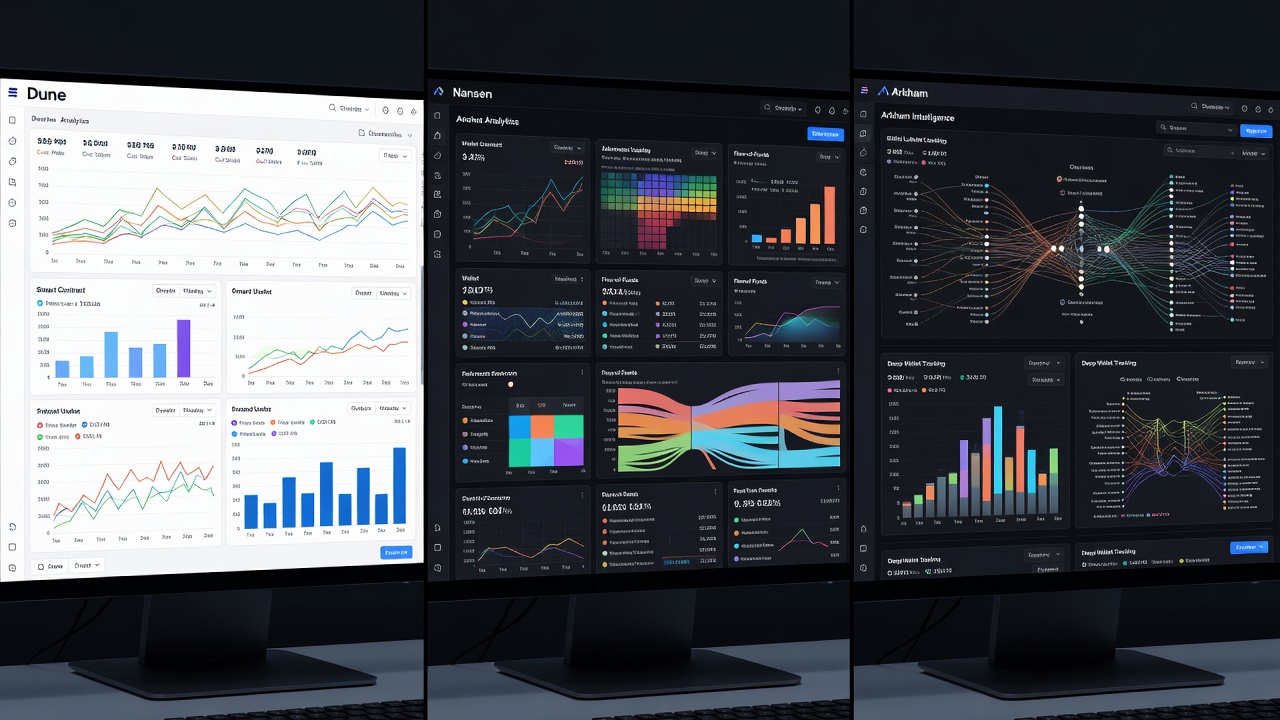
Each platform offers distinct strengths tailored to different user needs. Dune Analytics excels in customizable SQL queries for public dashboards that anyone can fork and modify. Nansen provides labeled wallet data and smart money tracking that simplifies complex flows for beginners. Arkham Intelligence focuses on entity attribution and intelligence reports that map real-world organizations to blockchain addresses. Updated 2026 features include improved visualization engines, cross-chain support, and mobile apps for on-the-go monitoring. The following comparison highlights key differences across wallet tracking, DeFi analysis, NFT insights, and usability levels.
| Feature | Dune Analytics | Nansen | Arkham Intelligence |
|---|---|---|---|
| Wallet Tracking | Custom SQL queries for any address | Labeled smart money flows with alerts | Entity mapping and attribution graphs |
| DeFi TVL Analysis | Strong dashboard support and historical queries | Protocol breakdowns with yield metrics | Flow visualization across chains |
| NFT Insights | Market data queries and volume trends | Collection tracking and holder analysis | Provenance tools and ownership history |
| Ease of Use | Intermediate to advanced | Beginner-friendly interface | Advanced with learning curve |
| Cross-Chain Support | Extensive via custom queries | Major chains plus L2s | Broad coverage including emerging networks |
Tracking Wallet Flows with Real 2026 Case Studies
Wallet flow analysis identifies accumulation by whales or movements to exchanges that may indicate selling pressure. In early 2026, on-chain signals from major Bitcoin wallets preceded a notable 15% rally in March when large addresses moved holdings into cold storage, reducing available supply. Nansen users received alerts for these patterns days ahead of the price move. Another case involved Ethereum whale activity in May 2026, where Arkham attributed transfers to a prominent venture capital fund accumulating tokens before a protocol upgrade announcement. These examples demonstrate how combining multiple tools creates robust confirmation signals. Investors should always verify wallet labels across platforms to avoid false positives from exchange hot wallets or mixer services.
DeFi TVL Shifts and Predictive Signals
Monitoring TVL changes across protocols such as Aave, Uniswap, and newer Layer-2 venues reveals capital rotation trends. A detailed June 2026 case study showed rapid TVL migration from Ethereum mainnet lending platforms to emerging Layer-2 solutions, accurately predicting yield compression on Layer-1 and expansion on Arbitrum and Optimism. Dune dashboards allowed users to query exact TVL deltas by chain and protocol, while Nansen added smart money flow overlays. This data helped yield farmers reposition portfolios ahead of the shift, capturing higher returns during the transition period.
NFT Activity Spikes and Market Sentiment
NFT marketplace volume spikes often correlate with broader altcoin rallies and increased risk appetite. Arkham's attribution tools helped investors spot early institutional NFT purchases in Q2 2026 from entities previously focused on DeFi, preceding floor price increases across several blue-chip collections. Dune queries tracked wash trading versus organic volume, providing cleaner signals. Traders who combined these insights with wallet flow data entered positions before mainstream coverage amplified the moves.
Step-by-Step Setup Guidance for Beginners
Getting started requires careful configuration to maximize value. Begin by creating accounts on each platform using verified emails or wallet signatures. For Dune, connect a wallet to access premium query credits and fork existing dashboards focused on wallet flows. Nansen requires linking exchange APIs or wallet addresses for personalized smart money tracking and setting price or volume alerts. Arkham users should enable entity mapping features and configure daily intelligence reports. Next, explore pre-built dashboards for TVL metrics and NFT activity before creating custom alerts for large transfers exceeding defined thresholds. Review at least three months of historical data to validate signal reliability. Advanced users can integrate these tools with trading bots via APIs for automated execution based on on-chain triggers. Regular review of dashboard accuracy ensures continued relevance as blockchain ecosystems evolve.
Common Mistakes to Avoid When Using On-Chain Data
- Ignoring context around large transfers, which may simply represent exchange rebalancing rather than genuine whale accumulation or distribution.
- Over-relying on single metrics without cross-referencing multiple tools and off-chain sources for confirmation.
- Neglecting transaction costs, including gas fees on congested networks, which can erode profits from short-term signals.
- Failing to account for time delays between on-chain events and visible price impact, especially during low-liquidity periods.
- Overlooking privacy-focused chains or mixers that obscure true ownership and reduce signal clarity.
Frequently Asked Questions
How do I interpret wallet flow data for trading decisions?
Focus on consistent patterns over multiple days or weeks rather than isolated large transactions. Combine inflows to cold storage with exchange outflow data for stronger conviction signals before entering positions.
Which tool is best for NFT traders in 2026?
Arkham Intelligence offers superior provenance tracking and institutional attribution, while Nansen provides collection-specific labels and holder concentration metrics that help identify potential distribution risks.
Can beginners use these platforms effectively without coding skills?
Yes, start with Nansen's intuitive interface and pre-built dashboards before progressing to Dune's custom query builder. Most platforms now include guided tutorials and template libraries.
What are the limitations of on-chain analytics?
They cannot capture off-chain sentiment, centralized exchange order books, or future regulatory changes. Always use them as one component within a broader research framework.
For more foundational blockchain concepts, refer to Mozilla Developer Network resources. Additional authoritative information is available at the official sites of Dune Analytics, Nansen, and Arkham Intelligence.
Conclusion
On-chain analytics tools like Dune, Nansen, and Arkham Intelligence have matured significantly by 2026, offering investors powerful ways to anticipate market movements through wallet flows, TVL analysis, and NFT signals. By following structured setup processes, studying real case studies, and avoiding common pitfalls, traders can integrate these platforms into daily decision-making. The key lies in combining multiple data points and maintaining a disciplined approach that treats on-chain insights as valuable but not infallible indicators.

No comments yet. Be the first!