 CryptoChain Blog
Introduction to Blockchain in Aviation Logistics
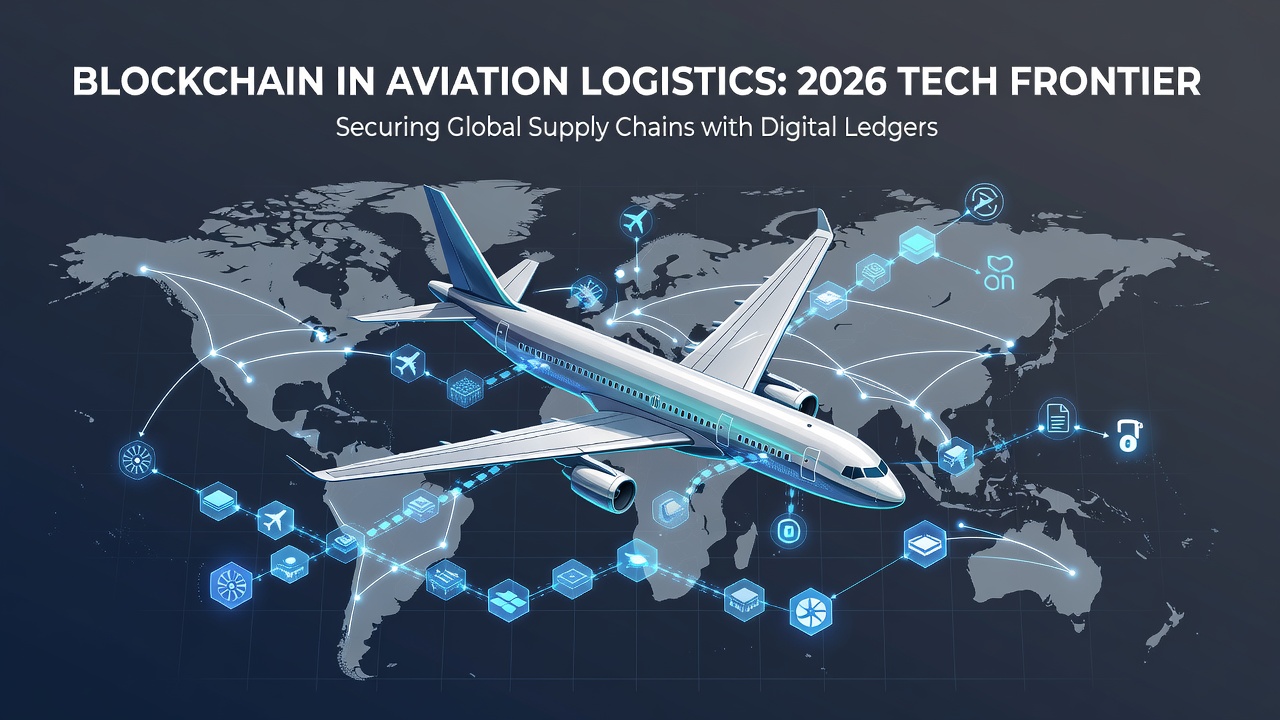
Blockchain technology is reshaping aviation logistics by providing immutable records, enhanced transparency, and automated processes. In 2026, airlines and manufacturers increasingly adopt distributed ledger solutions to manage complex global supply chains for aircraft parts and maintenance. This shift goes beyond general supply chain discussions, focusing on aviation-specific needs like safety-critical tracking and international regulatory alignment. The aviation industry faces unique pressures including stringent safety standards, high-value components, and intricate international operations that span multiple jurisdictions. Blockchain addresses these by creating a single source of truth that all authorized parties can access without relying on centralized intermediaries prone to errors or delays.
The integration supports real-time visibility from suppliers to hangars, reducing delays and errors. Major carriers explore these tools to optimize operations amid rising global air traffic. As fuel costs and labor shortages persist, blockchain-driven efficiencies become essential for maintaining profitability while meeting passenger demand. Early adopters are already seeing reductions in administrative overhead and improved parts authenticity verification, setting the stage for broader industry transformation throughout 2026 and beyond.
Tokenization of Aircraft Parts
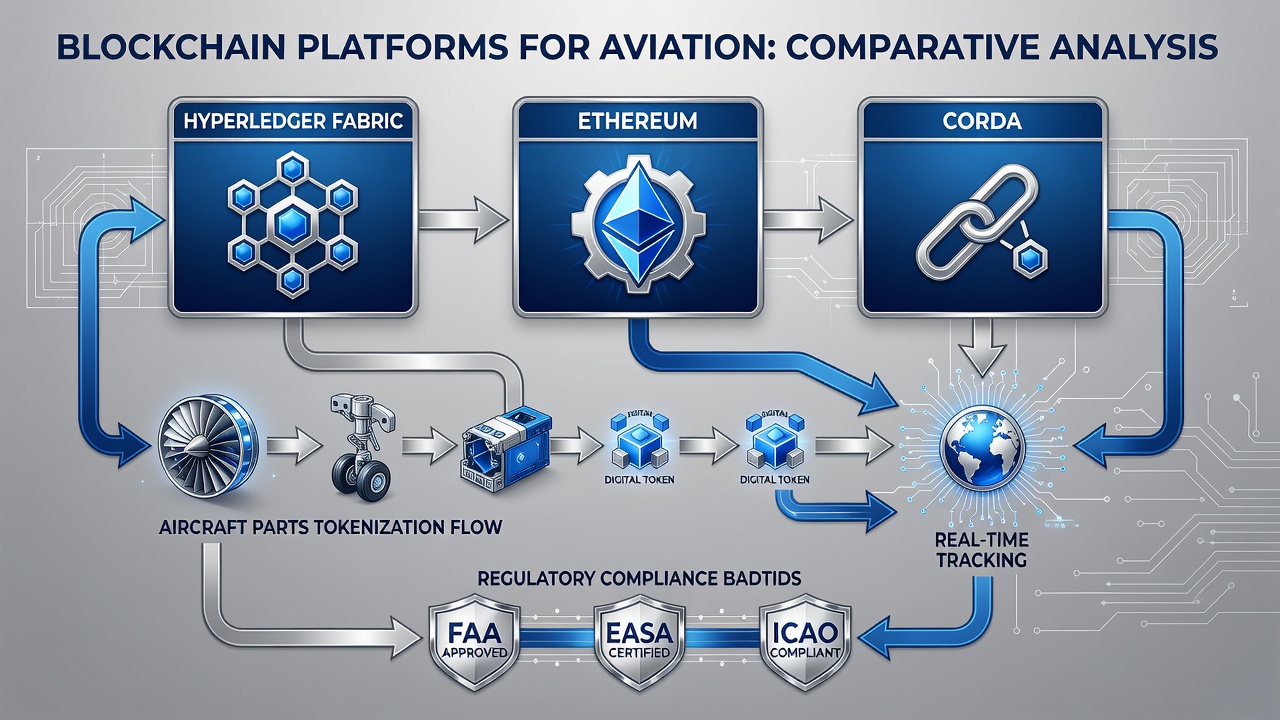
Tokenization converts physical aircraft components into digital tokens on a blockchain. Each part receives a unique non-fungible or semi-fungible token that records its provenance, maintenance history, and ownership transfers. This approach combats counterfeit parts, a persistent issue in aviation that can compromise safety and lead to costly recalls. Airlines tokenize high-value items like engines, landing gear, avionics systems, and even individual fasteners in some advanced pilots. The tokens enable fractional ownership models for leasing companies and streamline audits by providing instant access to complete lifecycle data.
Implementation often begins with permissioned networks to ensure only verified stakeholders access sensitive data. For instance, a turbine blade can be tokenized at the point of manufacture, with every subsequent inspection, repair, or transfer updating the token in real time. This creates an unbroken chain of custody that regulators and insurers can review instantly. Benefits include faster resale of used parts, reduced insurance premiums due to verifiable history, and simplified end-of-life recycling tracking. Challenges involve initial setup costs and the need for standardized token protocols across manufacturers, yet the long-term gains in trust and efficiency make tokenization a cornerstone of 2026 aviation strategies.
Smart Contracts for Real-Time Tracking
Smart contracts automate workflows when predefined conditions are met. In aviation logistics, they trigger payments upon part delivery confirmation or update maintenance schedules based on sensor data. Combined with IoT devices, these contracts provide live tracking across borders, alerting teams to deviations in temperature, humidity, or handling that could affect component integrity. For example, a contract might release funds to a supplier once a shipment reaches a hub and temperature sensors confirm integrity. This reduces paperwork and disputes while accelerating turnaround times for grounded aircraft.
Real-world applications include automated alerts when a part approaches its certified flight hour limit, prompting proactive ordering. Airlines integrating these systems report smoother coordination between maintenance crews, suppliers, and customs authorities. The programmable nature of smart contracts also allows for dynamic pricing based on delivery speed or condition guarantees, adding flexibility to traditional fixed contracts. As 5G networks expand, the reliability of these real-time updates continues to improve, making smart contract adoption more attractive for time-sensitive operations.
Regulatory Compliance in Global Aviation
Aviation operates under strict rules from bodies like the FAA and ICAO. Blockchain aids compliance by creating tamper-proof audit trails for parts and records. FAA guidelines emphasize traceability, which blockchain satisfies through timestamped entries that cannot be altered retroactively. This is particularly valuable during investigations or routine inspections where proving the authenticity of every component is mandatory.
International operators benefit from standardized ledgers that align with IATA recommendations. IATA resources highlight how digital records simplify cross-border verification and reduce the risk of non-compliance penalties. Platforms must incorporate privacy features to meet GDPR and similar aviation data rules. Additional considerations include aligning with EASA standards in Europe and CAAC requirements in China, where blockchain's immutable nature helps demonstrate adherence to varying documentation mandates. By embedding compliance logic directly into the ledger, airlines can generate regulatory reports automatically, saving hundreds of hours annually on manual data compilation.
Cost-Saving Case Studies from Major Airlines
Leading carriers report efficiency gains through blockchain pilots. One European airline reduced parts verification time by integrating a shared ledger with maintenance providers, cutting average AOG incidents by nearly 20 percent in the first year. Another Asian carrier used smart contracts to cut administrative overhead in supply agreements, achieving faster reconciliation and fewer invoice disputes. These examples demonstrate measurable improvements in inventory accuracy and reduced AOG (aircraft on ground) incidents. The technology supports predictive maintenance, lowering unplanned downtime costs over time.
North American operators have piloted blockchain for engine leasing agreements, resulting in clearer ownership histories that facilitate quicker financing deals. Across these cases, common themes include initial investment in training and system integration, followed by rapid payback through fewer errors and streamlined audits. As more data becomes available in 2026, industry analysts expect these savings to scale, encouraging smaller regional carriers to join existing consortia rather than building isolated solutions.
Comparisons of Leading Platforms
Several blockchain platforms compete in this space. Hyperledger Fabric offers enterprise-grade permissioned networks ideal for aviation consortia, with strong support for modular consensus and private data collections. Ethereum-based solutions provide broader interoperability with public token standards, though they often require layer-two scaling solutions for high transaction volumes. Corda focuses on privacy for financial and contractual elements, making it suitable for sensitive maintenance agreements. Additional options like Quorum emphasize energy efficiency and enterprise features.
Decision factors include scalability for high-volume transactions, energy efficiency, and integration with existing ERP systems. Airlines often start with private chains before expanding to hybrid models that allow selective public verification. Comparative analyses show Hyperledger excelling in permissioned environments, while Ethereum offers easier developer tooling for token standards. Organizations should evaluate total cost of ownership, including node hosting and ongoing governance, before committing to a platform.
Step-by-Step Implementation Overview
Businesses can follow these phases for adoption:
- Assess current supply chain pain points and regulatory requirements through internal audits and stakeholder interviews.
- Select a platform matching data privacy and scalability needs, often after proof-of-concept testing with sample data sets.
- Pilot tokenization on a limited set of non-critical parts to validate workflows and train teams on token management.
- Integrate IoT sensors and develop smart contract logic, ensuring compatibility with existing telemetry systems.
- Train staff and establish governance for node participation, including clear roles for data validation and dispute resolution.
- Scale to full operations with ongoing compliance monitoring, regular security audits, and performance benchmarking against initial KPIs.
Partnering with aviation specialists accelerates the process and mitigates risks. Many organizations also form industry consortia to share development costs and standardize data formats across the supply chain.
FAQ: Common Integration Challenges
How does blockchain handle data privacy in aviation?
Permissioned networks and zero-knowledge proofs restrict access to authorized parties while maintaining auditability. Role-based permissions ensure mechanics see only relevant maintenance data, while regulators access full histories.
What are the main technical hurdles?
Interoperability with legacy systems and ensuring high throughput during peak operations require careful architecture planning. Hybrid cloud and on-premise deployments often resolve latency concerns.
Is regulatory approval straightforward?
Early engagement with authorities and alignment with ICAO standards ICAO help streamline certification. Documenting the blockchain's immutability features in submissions accelerates review cycles.
Can smaller operators participate?
Consortium models allow shared infrastructure, lowering entry barriers for regional airlines. Cloud-hosted nodes and standardized APIs make participation feasible without massive upfront capital.
Conclusion
Blockchain adoption in aviation logistics marks a significant evolution for 2026 crypto applications. From tokenized parts to automated compliance, the technology delivers practical value through transparency and efficiency. Organizations investing now position themselves for safer, more cost-effective operations in an increasingly connected industry. Continued collaboration between airlines, regulators, and technology providers will determine how quickly these benefits become standard practice worldwide.


No comments yet. Be the first!