 CryptoChain Blog
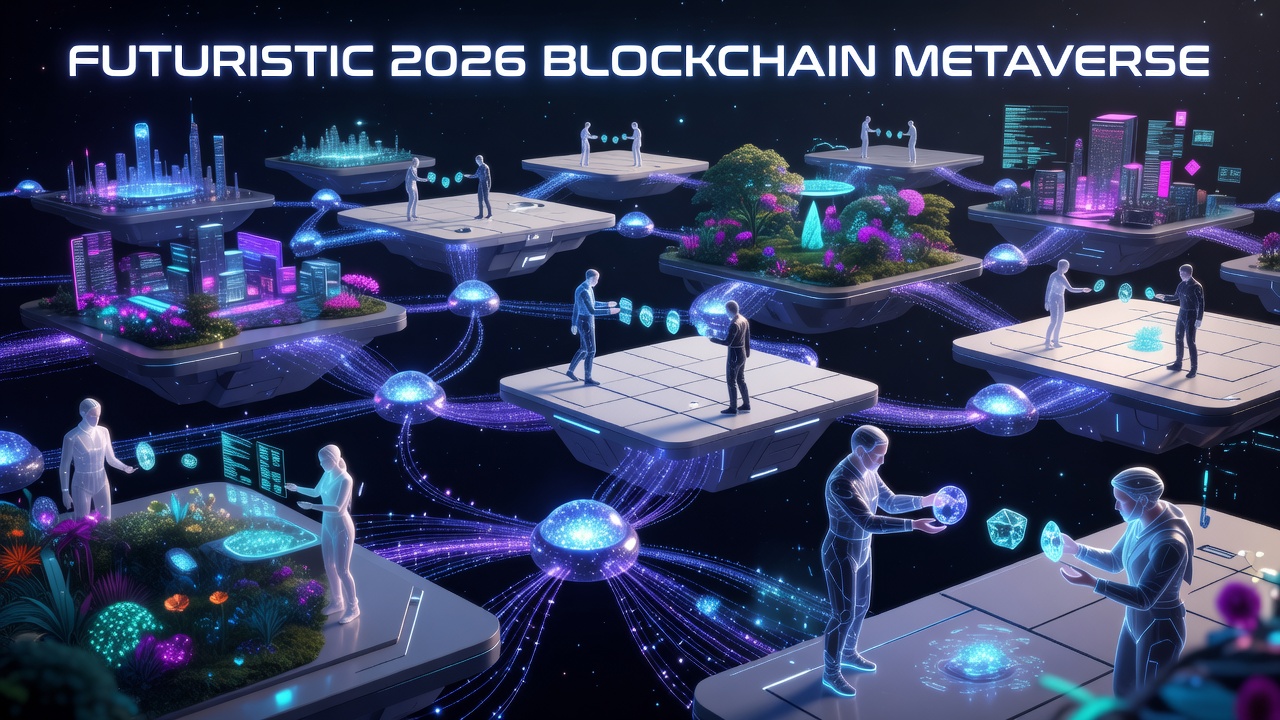
2026 Crypto News: Blockchain Metaverse Integrations Explained
In 2026, the fusion of blockchain technology and metaverse platforms has reached new heights, delivering unprecedented levels of interoperability, true digital ownership, and decentralized economies. This comprehensive guide explores the latest developments in blockchain-powered virtual worlds, with a focus on how major projects are implementing cross-platform standards and enabling seamless virtual asset management. Enthusiasts and investors seeking actionable insights will find detailed comparisons, practical examples from virtual land markets, and strategies to navigate emerging opportunities.
Understanding Blockchain-Powered Metaverse Platforms
Blockchain serves as the foundational infrastructure for modern metaverses by replacing centralized servers with distributed networks that ensure transparency and security. In 2026, platforms leverage smart contracts to automate transactions and enforce rules without intermediaries. This shift empowers users to control their digital identities and assets fully. Major ecosystems now prioritize cross-chain functionality, allowing avatars, virtual real estate, and in-game items to move between different virtual environments with minimal friction. Developers are integrating advanced consensus mechanisms to handle high volumes of interactions while maintaining data integrity across global user bases.
Core Components of Blockchain Metaverses
At the heart of these platforms lie decentralized ledgers that record every ownership transfer and interaction. Token standards enable unique representation of virtual goods, while oracles provide real-world data feeds for dynamic experiences. The result is immersive environments where economic activity mirrors real-world markets but operates on a 24/7 global scale.
Key Interoperability Standards in 2026
Interoperability remains a top priority as projects adopt unified protocols that bridge disparate blockchains. Standards such as ERC-721 for NFTs and newer cross-chain messaging systems allow assets to retain value and functionality when transferred. Leading initiatives on Ethereum and Polkadot demonstrate how wrapped tokens and bridge technologies facilitate movement between ecosystems. These advancements reduce fragmentation and create a more cohesive metaverse experience for participants worldwide.
Real-world integrations include collaborative frameworks between prominent virtual worlds that support shared asset standards. Users benefit from enhanced liquidity and broader utility for their digital holdings, fostering greater adoption among both casual explorers and serious collectors.
Virtual Asset Ownership and Token Economies
True ownership through NFTs transforms how individuals interact with digital spaces. In 2026, token economies power everything from land development to event hosting, with native cryptocurrencies facilitating instant peer-to-peer exchanges. Scarcity mechanisms built into smart contracts help maintain value, while staking options allow holders to earn rewards by contributing to platform growth. These economies encourage long-term participation and align incentives between creators, users, and investors.
- Staking mechanisms that reward users for locking tokens in virtual infrastructure projects
- Dynamic marketplaces where land and assets fluctuate based on location utility and community demand
- Revenue-sharing models that distribute platform fees directly to token holders via automated contracts
User-Driven Governance Models
Decentralized autonomous organizations (DAOs) have become central to metaverse decision-making. Token holders vote on proposals ranging from feature rollouts to treasury allocations, ensuring communities shape platform evolution. This governance approach reduces centralized control risks and promotes transparency. Practical implementations show DAOs successfully managing large-scale virtual events and resolving disputes through on-chain voting systems.
Comparisons of Leading Protocols
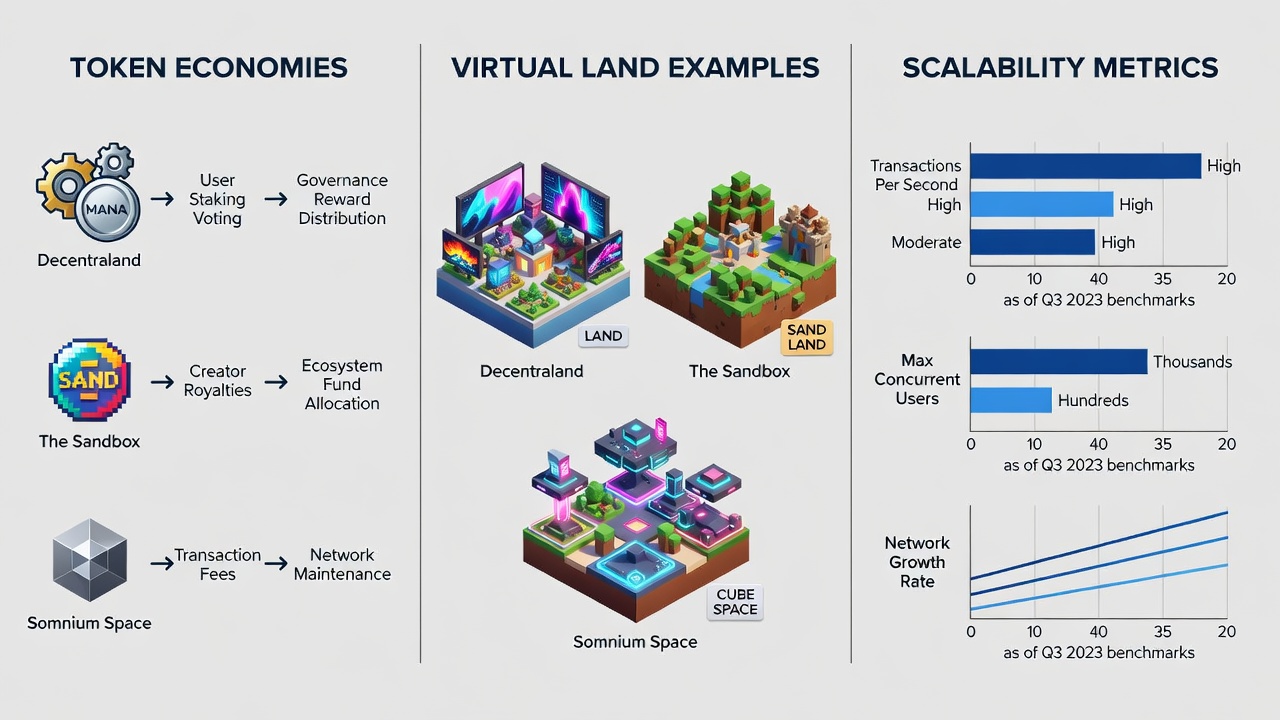
Decentraland emphasizes user-generated content and strong ties to Ethereum infrastructure, offering robust tools for 3D world building. In contrast, The Sandbox prioritizes gaming integrations and creative asset tools, appealing to a broader entertainment audience. Both platforms demonstrate strengths in virtual land markets, yet they differ in scalability approaches and community focus. Other contenders like Somnium Space highlight social features and cross-reality compatibility, providing additional options for users evaluating where to allocate resources.
Scalability Challenges and Solutions
High transaction throughput demands continue to challenge early blockchain architectures, leading to elevated fees during peak usage. Solutions in 2026 include widespread layer-2 rollups, state channels, and sharding implementations that dramatically increase capacity. These technologies enable smoother real-time interactions essential for immersive metaverse activities such as live concerts or competitive gaming tournaments. Projects adopting these upgrades report significantly improved user retention and transaction speeds.
Practical Examples from Virtual Land Markets
Virtual land parcels in prime locations have become valuable digital commodities. For instance, plots adjacent to popular hubs often see increased activity from businesses hosting branded experiences. Marketplaces facilitate direct trades, with buyers using wallets to complete purchases secured by blockchain verification. Case studies reveal how early adopters leveraged land ownership to launch successful virtual enterprises, generating ongoing revenue through rentals and event tickets. These examples illustrate the tangible economic potential when interoperability allows assets to be utilized across multiple environments.
Practical Steps for Investors and Enthusiasts
Begin by auditing interoperability features of target platforms before committing capital. Diversify holdings across several protocols to mitigate single-point risks. Regularly review DAO proposals to stay informed about upcoming changes. Conduct thorough due diligence on smart contract security through independent audits. Engage with community forums to gather qualitative insights that complement on-chain data analysis. Finally, start small with test transactions to familiarize yourself with wallet interfaces and transfer processes before scaling involvement.
Common Mistakes to Avoid
Many newcomers overlook the importance of cross-chain compatibility, leading to isolated assets that lose utility. Others neglect governance participation, missing opportunities to influence platform direction. Over-concentration in one ecosystem without monitoring scalability upgrades can result in poor performance during high-demand periods. Always verify asset provenance and avoid unvetted marketplaces that may harbor counterfeit tokens.
FAQ
What are the main benefits of blockchain in the metaverse?
Blockchain delivers verifiable ownership, transparent economic systems, and community-led governance, minimizing dependence on any single corporate entity.
How does interoperability function across different metaverses?
Shared technical standards combined with secure bridges enable assets to transfer while preserving their core attributes and value across compatible virtual worlds.
Are there notable risks associated with virtual land investments?
Market fluctuations and platform-specific dependencies present challenges, making diversified research and careful position sizing essential practices.
What role do DAOs play in metaverse development?
DAOs facilitate collective decision-making, allowing token holders to propose and vote on features, budgets, and policies that guide long-term platform evolution.
How can beginners safely enter the blockchain metaverse space?
Start with established platforms, use hardware wallets for security, and gradually build knowledge through official documentation and community resources before larger commitments.
For foundational information on blockchain protocols, consult Ethereum.org and Polkadot.network. Additional insights into decentralized governance can be found through resources at Web3.foundation.
Conclusion
The 2026 landscape of blockchain metaverse integrations offers exciting prospects for those prepared to engage thoughtfully. By understanding interoperability standards, token economies, governance structures, and scalability solutions, participants can make informed decisions that maximize opportunities while managing risks. Continued innovation in these areas promises even more seamless and economically vibrant virtual experiences ahead.
No comments yet. Be the first!