 CryptoChain Blog

Introduction: Blockchain Reshaping the Creator Economy in 2026
In 2026, blockchain technology continues to transform how independent creators monetize their work and retain ownership. This shift moves away from traditional platform gatekeepers toward decentralized systems that enable direct fan connections and automated royalties. As crypto news evolves rapidly, creators are increasingly adopting tools for tokenized content and community governance. The creator economy has long faced challenges with centralized platforms controlling visibility, payments, and data. Blockchain introduces immutable records and programmable agreements that address these pain points directly. Independent artists, writers, musicians, and video producers now explore new revenue streams through ownership tokens and community-driven incentives. This article examines the core mechanisms, real-world applications, and actionable guidance for entering this space.
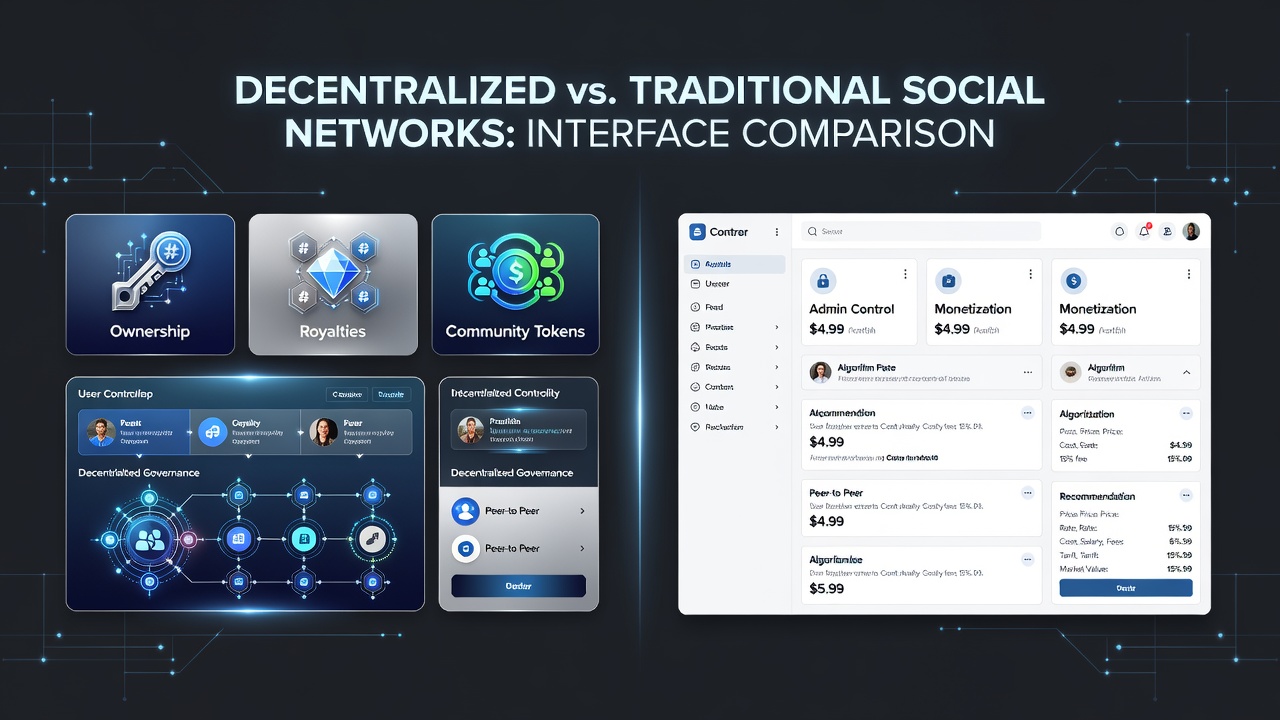
Decentralized Social Networks vs Traditional Platforms
Traditional platforms like Instagram and YouTube control distribution, algorithms, and revenue shares. In contrast, decentralized networks built on blockchain offer greater transparency and user control. Creators can publish directly to immutable ledgers, reducing censorship risks and enabling peer-to-peer interactions. Key differences include ownership of data and content rights. Decentralized options allow portable profiles across apps, while traditional services lock users into ecosystems. Adoption is growing as creators seek alternatives amid platform policy changes. For instance, a decentralized network might let users export their entire follower graph as an on-chain asset, something impossible on legacy platforms. Additionally, content moderation in decentralized systems often relies on community voting rather than corporate policies, leading to more diverse but sometimes unpredictable environments. Many creators report higher engagement rates when their work is not subject to algorithmic suppression tied to advertiser preferences. Over time, these structural advantages are driving measurable migration toward blockchain-based alternatives.
Token Incentives and Royalty Automation
Smart contracts automate royalty payments, ensuring creators receive ongoing revenue from resales or usage. Token incentives reward community participation, such as through governance votes or exclusive access. These mechanisms foster sustainable creator economies without intermediaries taking large cuts. Recent blockchain developments highlight integrations with emerging protocols that streamline these processes for artists, writers, and video makers. Consider a scenario where a digital illustrator mints a piece with a built-in 10 percent royalty on every secondary sale; the smart contract handles distribution automatically without manual invoicing. Token incentives can also include staking mechanisms where fans lock tokens to unlock behind-the-scenes content or voting power on future projects. This creates aligned interests between creators and their audiences, turning passive viewers into active stakeholders. The result is recurring revenue that scales with popularity rather than depending on one-time platform payouts.
Case Studies of Successful Creator DAOs
Creator DAOs demonstrate collective ownership models. One prominent example involves a collective of digital artists pooling resources to fund projects and distribute profits via tokens. Members propose ideas through on-chain proposals, and token holders vote to allocate treasury funds. This model has enabled large-scale collaborations that individual creators could not finance alone. Another case features writers forming a DAO to manage publishing rights and share platform revenues equitably. The group uses tokenized governance to decide which manuscripts receive promotion budgets and how earnings from anthology sales are split. These groups leverage on-chain voting for decisions, illustrating how blockchain supports collaborative ventures. In both examples, transparency of treasury movements builds trust among participants who previously operated in opaque freelance arrangements.
Adoption Metrics and Trends
Blockchain adoption among creators has accelerated, with increased wallet activity and smart contract deployments in content sectors. Reports from major networks show rising transaction volumes tied to creator tools. This growth aligns with broader crypto updates emphasizing real-world utility in media and entertainment. Analysts note that creator-focused protocols have seen consistent month-over-month increases in active addresses, particularly in regions where traditional banking access remains limited. The trend reflects a broader maturation of blockchain infrastructure, including improved user interfaces that lower entry barriers for non-technical creators. As more success stories emerge, mainstream media coverage further fuels interest and experimentation.
Practical Steps for Launching Your First Tokenized Content Project
Creators can follow these steps to get started:
- Set up a secure crypto wallet compatible with major blockchains and back up seed phrases offline. Test small transactions to familiarize yourself with gas fees and network speeds.
- Research platforms supporting tokenized media, such as those built on Ethereum standards. Compare features like royalty customization and audience analytics before committing.
- Mint initial content as NFTs or tokens with embedded royalty logic. Start with low-value test pieces to verify contract behavior before releasing flagship work.
- Engage your audience through community tokens that grant voting or access rights. Host introductory sessions explaining token utility to build early adoption.
- Monitor performance using on-chain analytics and iterate based on feedback. Adjust royalty percentages or token utility based on community response and market conditions.
Testing on testnets before mainnet deployment helps avoid common pitfalls. Document every step for future reference and potential tax reporting needs.
Integrating Latest Blockchain News and Crypto Updates
Staying informed with 2026 crypto developments is essential. Updates on protocol upgrades and new interoperability features directly impact creator tools. Following sources like ethereum.org provides insights into scalable solutions for content applications. Similarly, bitcoin.org offers foundational context on secure transaction layers. Additional perspectives from web3.foundation highlight governance innovations that creator communities can adopt. Regular review of these resources ensures strategies remain aligned with technical advancements and regulatory shifts.
FAQ: Addressing Common Concerns
How do I secure my wallet?
Use hardware wallets and enable multi-factor authentication. Regularly update software and avoid sharing private keys. Educate yourself on phishing risks prevalent in crypto spaces. Consider multi-signature setups for larger holdings and maintain separate wallets for daily transactions versus long-term storage. Community forums and official documentation from wallet providers offer ongoing best practices tailored to creator use cases.
What are the tax implications?
Tokenized earnings may be subject to capital gains rules depending on jurisdiction. Consult local regulations and track transactions meticulously. Professional advice is recommended for complex setups. Maintain detailed records of acquisition dates, sale prices, and any royalty income received. Some regions treat tokens as property while others classify them under income tax frameworks, making early consultation with a tax specialist valuable.
Is blockchain suitable for all creators?
It benefits those seeking independence but requires learning curves. Start small to assess fit with your workflow. Evaluate time investment against potential revenue gains and consider whether your audience is already crypto-familiar. Hybrid approaches that combine traditional platforms with blockchain experiments often provide the smoothest transition.
Conclusion
Blockchain equips content creators with powerful ownership and monetization tools in 2026. By understanding comparisons, studying DAOs, and following practical steps, creators can navigate this evolving landscape effectively. Continued attention to crypto news ensures timely adaptation and positions creators to capitalize on emerging opportunities in the decentralized economy.


No comments yet. Be the first!